Whether a Burmese Rescue Fee Covers a Glucose Test
Bringing a rescue Burmese cat into your home is an incredibly rewarding experience, but it often comes with a host of questions about their past, especially concerning their health. Given the Burmese breed's specific predispositions, many caring adopters find themselves wondering if the rescue fee they pay, which is so crucial for supporting these organizations, covers comprehensive health screenings like a glucose test. This guide will meticulously explore what rescue fees typically entail, the paramount importance of glucose testing for a Burmese, and how you can ensure your new feline family member receives the thorough health assessment they deserve.
Understanding Rescue Fees and Their Purpose
Rescue fees, at their heart, are a fundamental part of how animal welfare organizations operate and continue their life-saving work. They are not arbitrary charges, but rather a way to recoup some of the significant costs involved in rescuing, rehabilitating, and rehoming animals. When you pay a rescue fee, you're contributing to a larger ecosystem of care that extends far beyond just the animal you're adopting. Think of it as investing in the well-being of many animals, not just one.
Typically, a standard rescue fee covers a range of essential veterinary services that prepare an animal for adoption. This usually includes spaying or neutering, age-appropriate vaccinations (like rabies and distemper), deworming, microchipping for identification, and a general physical examination by a veterinarian. Many rescues also cover basic diagnostics for common issues, such as FIV/FeLV testing in cats, or treatment for minor ailments like ear infections or upper respiratory infections. The fee helps ensure that the cat you bring home is at least starting on a healthy foot, preventing you from immediately facing substantial medical bills for these baseline procedures. The amount can vary widely depending on the organization, the animal's age, breed, and any special medical needs it may have required during its stay. For instance, a kitten might have a different fee than a senior cat, and a purebred like a Burmese might fall into a different tier than a domestic shorthair, reflecting potential breed-specific care considerations.
It's also worth noting the distinction between a municipal animal shelter and a breed-specific rescue. While both aim to rehome animals, breed-specific rescues, like those dedicated to Burmese cats, often have a deeper understanding of the breed's particular health and behavioral needs. This specialization can sometimes mean their adoption fees reflect the higher costs associated with more targeted veterinary care or extensive rehabilitation tailored to that breed. They may have specific protocols for genetic testing or managing known breed-related conditions, which could influence the fee structure. While a general shelter might provide excellent basic care, a Burmese-specific rescue might be more likely to have already considered or addressed issues like diabetes predisposition.
The Unique Health Needs of the Burmese Cat
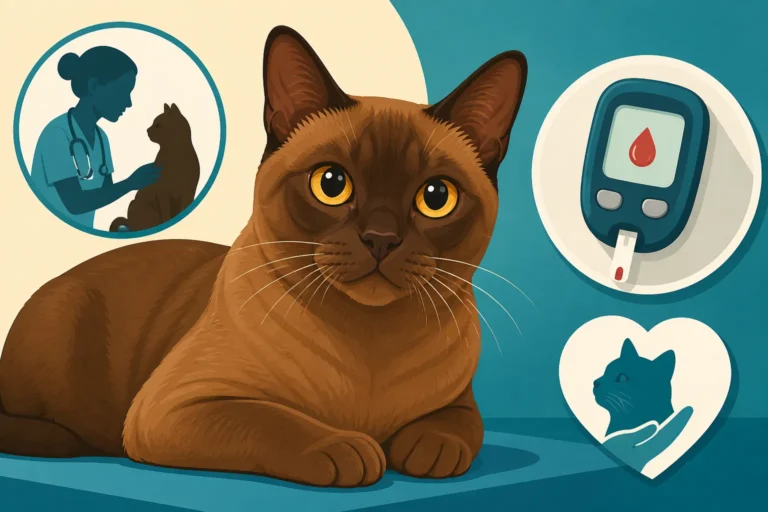
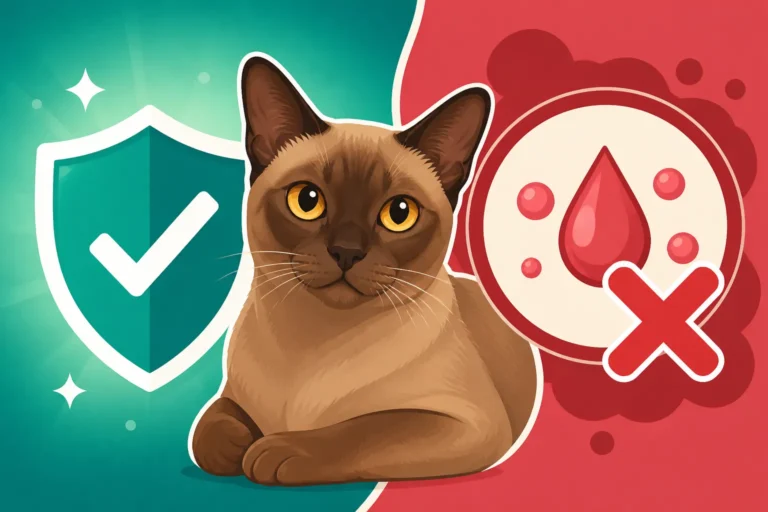
Now, let's talk about why a glucose test isn't just a nice-to-have for a Burmese, but truly a critical component of their initial health assessment. The Burmese breed is unfortunately Why a Burmese Is Four Times More Likely to Become Diabetic than many other cat breeds. This isn't just a slight increase; it's a significant genetic predisposition that makes proactive screening incredibly important. Diabetes mellitus in cats, much like in humans, is a serious condition where the body either doesn't produce enough insulin or can't effectively use the insulin it does produce, leading to high blood sugar levels. Left unmanaged, it can lead to severe health complications and drastically reduce a cat's quality of life and lifespan.
Detecting diabetes early in a Burmese is paramount because the sooner it's identified, the sooner a management plan can be put into place. Early intervention can involve dietary changes, weight management, and in some cases, insulin therapy. Why Low Carbohydrate Food Matters for a Burmese isn't just a preference; it's often a medical necessity to manage or prevent the onset of diabetes. Knowing a cat's glucose status before adoption allows you to tailor their diet and lifestyle from day one, potentially delaying or even preventing the full development of the disease. Without this knowledge, you might unwittingly be feeding a high-carbohydrate diet that exacerbates an underlying predisposition.
Beyond diabetes, Burmese cats also have other genetic health considerations, such as Hypokalemia, a condition causing muscle weakness, which further underscores the importance of comprehensive health screening. While a glucose test specifically addresses diabetes, it's part of a broader picture of responsible breed ownership. For a rescue Burmese, whose history might be incomplete or entirely unknown, a glucose test helps fill a crucial gap in their medical records, providing invaluable insight into their current health status and future care needs. It can inform conversations with your vet and help you understand potential long-term financial commitments, as What Diabetes Costs a Burmese Owner a Year can be substantial.
Investigating Glucose Testing in Rescue Protocols
Given the Burmese's particular vulnerability to diabetes, the question of whether a rescue fee covers a glucose test becomes much more pointed. Unfortunately, there isn't a universal answer that applies to every rescue organization. While most rescues perform basic bloodwork, a specific glucose test might or might not be a standard part of their pre-adoption protocol, especially for adult cats without obvious symptoms. A general 'wellness panel' might include a glucose reading, but a single snapshot isn't always definitive. How a Diabetic Burmese Is Diagnosed often involves more than one test, such as a fructosamine test, which gives an average glucose level over a few weeks, rather than just a momentary reading.
The reasons for inclusion or exclusion can vary. For some rescues, the cost of extensive testing for every single cat can be prohibitive, especially if they are operating on tight budgets and prioritize more immediately life-threatening conditions. They might only perform a glucose test if a cat presents with classic symptoms of diabetes, such as increased thirst and urination, or unexplained weight loss. For others, particularly breed-specific rescues that are well-versed in Burmese health, a glucose test might be a routine part of their protocol, especially for cats over a certain age or those with a history suggesting metabolic issues. You might find that Why a Rescue Burmese Should Still Be Tested is a policy for them.
When adopting a Burmese from a rescue, it is absolutely essential to be your own advocate and ask very specific questions about the health screenings performed. Don't be shy! Inquire directly: "Was a glucose test performed on this cat? If so, what were the results?" Ask to see any available veterinary records, including bloodwork results. A rescue committed to transparency and the well-being of its animals will be happy to provide this information. If only a single glucose reading was taken, ask if a fructosamine test was considered, especially if the cat is adult. If the rescue uses a particular vet, consider asking if that vet can provide a printout of the full health history. Having this documented information is invaluable for your peace of mind and for your future veterinarian.
| Health Screening Item | Often Covered by Rescue Fee? | Importance for Burmese Cat | Notes |
|---|---|---|---|
| Spay/Neuter | Yes | Essential | Prevents unwanted litters, reduces behavioral issues. |
| Core Vaccinations | Yes | Essential | Protects against common feline diseases. |
| Deworming | Yes | Essential | Addresses common parasites. |
| Microchipping | Yes | Essential | Crucial for identification if lost. |
| FIV/FeLV Testing | Often | Essential | Screens for serious viral infections. |
| General Physical Exam | Yes | Essential | Baseline health check. |
| Blood Glucose Test | Varies | CRITICAL | High diabetes risk, early detection is key. |
| Fructosamine Test | Rarely, unless indicated | Highly Recommended | More accurate average glucose, especially if diabetes is suspected. |
| Genetic Tests (Hypokalemia) | Rarely | Recommended | Specific to breed, usually only in dedicated breeders/rescues. |
| Dental Cleaning | Rarely, unless severe | Beneficial | Burmese are prone to gum disease, but usually not covered in fee. |
Advocating for Your Burmese Rescue's Health
Even if a glucose test wasn't performed by the rescue or the results are unclear, you, as the prospective or new owner, have the power to prioritize your Burmese's health. The first and most important step is to schedule a comprehensive veterinary check-up as soon as possible after adoption. Bring any existing medical records from the rescue with you, and have an open discussion with your veterinarian about the Burmese breed's predisposition to diabetes. This is the perfect opportunity to ask for a full blood panel, including a glucose and fructosamine test, even if the rescue didn't provide one. Why a Rescue Burmese Should Have Its Glucose Checked early in your ownership cannot be overstated.
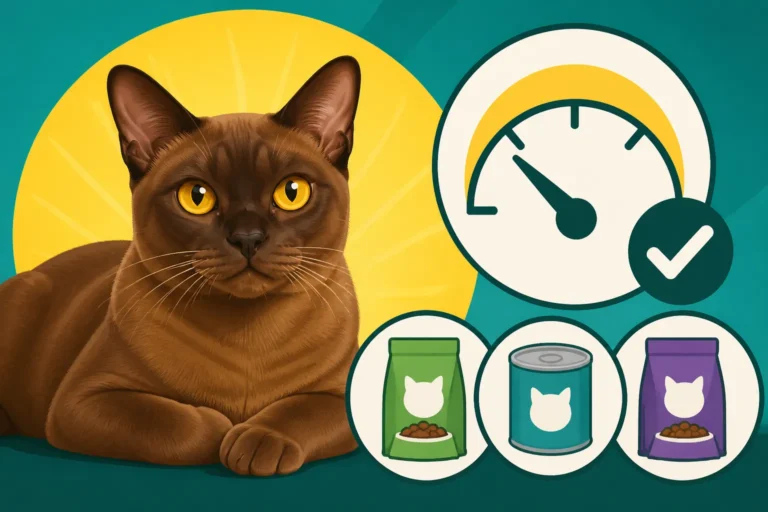
Beyond immediate testing, proactive care for a Burmese includes thoughtful dietary management. Even if your new companion isn't currently diabetic, adopting a low-carbohydrate, high-protein diet from the start can be a fantastic preventative measure. Fresh or high-quality wet foods with transparent nutritional breakdowns allow you to manage carbohydrate intake effectively. Remember, Why Portion Control Is Medical Care in a Burmese is incredibly important, as obesity is a major risk factor for diabetes. Your vet can help you determine the ideal calorie intake and recommend specific foods that align with a diabetes-prevention strategy.
Considering pet insurance is another vital step in advocating for your Burmese's long-term health, especially knowing their genetic predispositions. While most insurance policies have waiting periods and may exclude pre-existing conditions, getting a policy in place before any symptoms of diabetes manifest can be a financial lifesaver down the road. Some companies like Healthy Paws offer comprehensive plans. Be sure to read the fine print carefully and ask specific questions about how breed-specific conditions or diagnosed conditions (even if mild) might impact coverage. Whether a Burmese Policy Is Worth It Once Diabetes Is Excluded is a valid question, but even without diabetes coverage, a policy can still cover accidents, other illnesses, and routine care depending on the plan you choose.
Long-term monitoring and preventative care will be ongoing responsibilities. Keep a close eye on your Burmese's eating and drinking habits; Why a Burmese Drinking More Needs Testing That Week is a crucial indicator. Regular weigh-ins at home can help you spot any concerning trends early. By being diligent, proactive, and thoroughly informed, you can provide your rescue Burmese with the best possible chance at a long, healthy, and happy life, full of all the cuddles and companionship this wonderful breed is known for.
Disclaimer
This article is for general informational purposes only and does not constitute professional advice. Laws, prices and regulations vary by location and change over time. Consult a qualified professional for guidance on your specific situation.