Why a Retired Burmese Queen Needs Rehoming
It's a bittersweet moment for many Burmese breeders: seeing a beloved queen, who has dedicated years to raising wonderful kittens, reach the point where her breeding career needs to end. The question often arises, "Why can't she just stay?" It feels counterintuitive, almost disloyal, to rehome a cat who has given so much. Yet, for many of these incredible felines, finding a new, quiet home for retirement isn't a rejection – it's the ultimate act of love and commitment to her well-being. This guide will help you understand the dynamics behind rehoming a retired Burmese queen and what makes it the best choice for her golden years.
The Life of a Burmese Breeding Queen
Being a breeding queen is far more than just having kittens; it's an intense, demanding job that requires immense dedication, both from the cat herself and her human family. These queens pour their hearts and bodies into their litters, often without a moment's peace for weeks on end.
The Demands of Breeding
Imagine a life where every few months, you're pregnant, giving birth, and then tirelessly caring for a demanding litter of tiny, energetic beings. That's the reality for a breeding queen. From the physical changes of pregnancy to the exhaustive process of birthing, and then the non-stop nursing and nurturing of a growing litter, it's a profound commitment. A queen needs to be vigilant, teaching her kittens appropriate behaviors, cleaning them, protecting them, and constantly feeding them. Her focus shifts entirely from her own needs to those of her offspring. It’s a beautiful, natural process, but it is undeniably taxing, both physically and emotionally. Each cycle demands a lot, and the cattery environment is often a bustling hub of activity, far from a quiet retreat.
Why Breeders Limit Litters
Responsible Burmese breeders operate with the highest ethical standards, and a key part of that is ensuring the health and well-being of their breeding queens. Just like any athlete, a queen's body needs recovery time. Limiting the number of litters she carries and the age at which she breeds is crucial for her long-term health. Breeders carefully monitor a queen's physical condition, looking for any signs of stress, weight loss, or reduced vitality. They often adhere to specific guidelines set by cat fancy associations regarding the frequency and number of litters a cat can have. This isn't just about preventing physical burnout; it's also about ensuring genetic health, as certain conditions could become more prevalent with over-breeding. What a Burmese Breeder Must Test Before Any Mating covers some of the essential health screening that contributes to these careful decisions. The goal is always to safeguard the queen's health so she can live a long, comfortable life well beyond her breeding days.
The Transition from Breeder to Pet
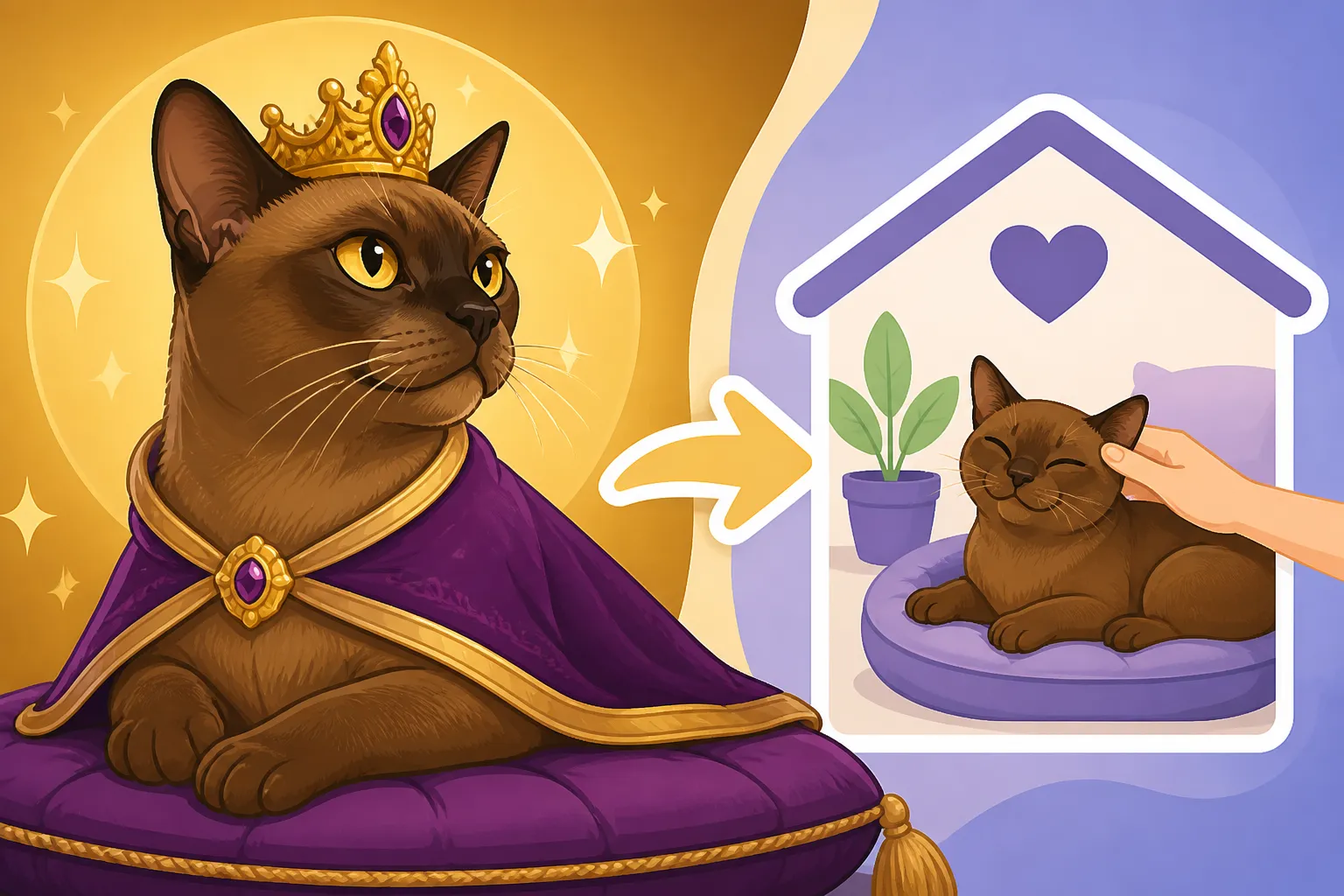
Once a Burmese queen retires, her entire purpose shifts. She’s no longer responsible for nurturing kittens, but she still carries that deep, innate need for connection and belonging. This transition means moving from a primary role as a mother to a new one: a cherished companion. In a busy cattery, even the most loved queen might find herself one of several cats vying for attention, with younger, more demanding kittens often taking center stage. Her new life as a pet means she can finally enjoy uninterrupted cuddles, quiet afternoons on a lap, and the deep, personal bond that a single-cat or small-family home can offer. She gets to rediscover herself not as a producer of progeny, but as an individual, adored family member.
Why Rehoming Is Often the Best Choice (Even Though It's Hard)
For a breeder, letting go of a beloved queen can be one of the hardest decisions they make. These cats are family, having spent years under their devoted care. However, the decision to rehome is almost always made with the queen's ultimate happiness and best interest at heart.
Individual Attention and Quiet Life
The Burmese cat is renowned for its intense desire for human companionship. They are often described as "Velcro cats" because they want to be right by your side, on your lap, or even on your shoulder. The Burmese Is the Velcro Cat of the Cat Fancy truly captures this unique trait. A retired queen, after years of focusing on her litters, often yearns for this kind of singular, undivided attention. In a bustling cattery, where multiple cats and young kittens are always present, it's incredibly difficult to provide that level of personal interaction for every single animal. A quiet retirement home offers her the opportunity to be the undisputed center of attention, to have a lap all to herself, and to truly relax into a life of pampered companionship. She won't have to compete for cuddles or quiet moments, allowing her to thrive in a peaceful environment. These cats bond deeply, and a dedicated home ensures that bond is fully reciprocated. Why a Burmese Cannot Be Left Alone All Day highlights their need for company, and this is even more true for a queen seeking a peaceful retirement.
Managing Cattery Dynamics
The internal dynamics of a multi-cat household, especially a breeding cattery, can be complex. Each cat has a role, a territory, and a place in the hierarchy. When a queen retires, she is no longer actively breeding or raising kittens, which can sometimes disrupt the existing social structure. Other breeding queens might see her as a competitor for resources or attention, even if she's no longer actively participating in the breeding program. Similarly, a retired queen might find the constant energy and playfulness of young, growing kittens stressful or irritating when they are no longer her own to nurture. This can lead to subtle stress, territorial disputes, or simply a lack of peace for the retired queen. Rehoming her to a home where she can be an only cat, or with a very compatible, laid-back companion, eliminates these potential stressors and allows her to enjoy her golden years in harmony.
The Breeder's Perspective and Responsibilities
For responsible breeders, their commitment extends far beyond the sale of a kitten. They feel a deep sense of responsibility for every cat they bring into the world, and especially for their breeding queens who have given so much. The decision to rehome is never taken lightly; it's often a painful, tearful process born out of profound love. Breeders want their retired queens to have the absolute best quality of life possible – a life of luxury and peace, free from the demands of the cattery. They see it as fulfilling their lifelong promise to these animals. It’s a selfless act, ensuring that each queen gets the devoted, individual attention she deserves in her later years, even if it means saying goodbye. Many breeders also have limitations on the number of cats they can comfortably house while still providing optimal care for everyone, and rehoming allows them to maintain that high standard.
What to Expect When Adopting a Retired Burmese Queen
Bringing a retired Burmese queen into your home is a truly rewarding experience. These cats often come with a wealth of life experience and an incredible capacity for affection.
Temperament and Personality
Retired Burmese queens are typically a dream come true for adopters. They are past the boisterous kitten stage and have usually developed into incredibly affectionate, settled, and wise companions. They retain the hallmark Burmese traits of being extremely people-oriented, wanting to be involved in everything you do, and thriving on physical closeness. Expect a cat that will follow you from room to room, curl up on your lap at every opportunity, and purr with an enthusiastic rasp that will melt your heart. They are often very tolerant and patient, having been around many kittens, making them excellent companions for respectful children or other calm pets. Why an Old Burmese Still Wants a Lap and Why a Burmese Settles Anywhere You Are perfectly describe the enduring nature of their affection. These queens have spent their lives as nurturing mothers, and that desire for connection often translates into an incredible bond with their new human family.
Health Considerations and Lifespan
While you're adopting a mature cat, a well-bred Burmese queen from a responsible breeder will likely have many healthy, happy years ahead of her. The Burmese is known for its impressive longevity, with many living The Sixteen to Eighteen Years a Well Bred Burmese Gets. However, as with any older cat, there are health considerations to be aware of. Burmese are genetically predisposed to certain conditions, notably diabetes. Why a Burmese Is Four Times More Likely to Become Diabetic explains the breed's unique susceptibility. Therefore, a high-quality, low-carbohydrate diet is paramount, and regular veterinary check-ups are essential. Why Portion Control Is Medical Care in a Burmese emphasizes the critical role diet plays.
Other age-related issues, such as dental disease, are also common in older cats. Why a Burmese Is Prone to Gum Disease highlights this concern, so be prepared for potential dental care needs. It's wise to discuss the queen's full health history with the breeder and your vet. Investing in pet insurance from a reputable provider like Healthy Paws can offer peace of mind for unexpected medical costs as she ages. For nutrition, fresh, human-grade food or specialty low-carb wet food options can be excellent choices to support her long-term health and manage any potential diabetes risk.
Adjustment Period and Integration
Even the most adaptable Burmese will need a period to adjust to a new home. This transition can take anywhere from a few days to several weeks, depending on the individual cat and the environment. Provide a quiet, secure "safe room" initially with her food, water, litter box, and a comfortable bed. Let her explore at her own pace. Slowly introduce her to other family members and any existing pets, always supervising interactions. Patience is key. Remember, she’s coming from a familiar environment, and while her new home is an upgrade in terms of individual attention, it's still a big change. Allow her to come to you, offer gentle pets and quiet reassurance, and establish a consistent routine for feeding and playtime. Her breeder will likely provide excellent advice tailored to her personality, leveraging their deep understanding of her individual needs.
Finding the Perfect Retirement Home
Responsible breeders don't just "offload" their retired queens; they meticulously vet potential adopters to ensure a perfect match. This process is about securing the best possible future for these deserving cats.
The Breeder's Screening Process
A dedicated Burmese breeder will engage in a thorough screening process for potential adopters of their retired queens, often just as rigorously as they would for a kitten. They're looking for a lifetime commitment to care, love, and understanding of the breed's specific needs. Expect questions about your home environment, whether you have other pets or children, your lifestyle, and how much time you spend at home. Why a Burmese Breeder Asks How Long You Work is a common and important question, as Burmese thrive on companionship. They want to ensure the queen will receive plenty of individual attention, consistent routines, and a calm, stable environment. The goal is to match the cat's personality and needs with a family that can truly provide her ideal retirement.
Open Communication and Support
One of the great advantages of adopting a retired queen from a reputable breeder is the ongoing support and wealth of knowledge they provide. Breeders are deeply invested in their cats' welfare for their entire lives. They will typically share a complete health history, dietary recommendations, and insights into the queen’s unique quirks and preferences. This open line of communication means you'll have a trusted resource for any questions or concerns that arise as she settles in and ages. Many breeders love to receive updates and photos, seeing it as reassurance that their beloved queen is thriving in her new home. This partnership ensures the best possible care and continued happiness for the cat.
Costs Associated with Adopting a Retired Queen
While the initial adoption fee for a retired Burmese queen is typically significantly lower than that of a kitten – sometimes covering only the cost of her spay surgery and recent vet checks – it’s important to budget for her ongoing care. You are committing to a cat who still has a long life ahead, and like all pets, she will have needs. These include high-quality food (which, as discussed, is a medical decision for a Burmese), regular veterinary care, and potentially specialized diets or medications as she ages. Why the Diabetes Risk Belongs in a Burmese Budget highlights the importance of anticipating potential health costs. Even without the initial expense of a kitten, the commitment to providing a senior cat with excellent care means ensuring you have the financial resources for her comfort and health.
| Aspect | Life in a Breeding Cattery (Queen's Perspective) | Life in a Retirement Home (Queen's Perspective) |
|---|---|---|
| Primary Role | Mother, focus on kittens, maintaining breeding line | Cherished companion, focus on human bond and relaxation |
| Attention | Shared with other breeding cats and litters, less individual | Undivided attention, often sole focus |
| Environment | Busy, active, often cycles of new kittens | Quiet, stable, predictable routine |
| Physical Demands | Pregnancy, birthing, nursing, kitten care | Minimal, focus on comfort and gentle play |
| Social Dynamics | Navigating cattery hierarchy, potential competition | Harmonious, either sole cat or compatible companion |
| Emotional Fulfillment | Instinctual motherhood, but also potential stress | Deep individual bonding, peace, security |
| Diet | Carefully managed for breeding health | Tailored for senior health, often low-carb for diabetes prevention |
| Vet Care | Regular, extensive monitoring for breeding purposes | Regular wellness checks, focus on age-related health |
Disclaimer
This article is for general informational purposes only and does not constitute professional advice. Laws, prices and regulations vary by location and change over time. Consult a qualified professional for guidance on your specific situation.