Why a Rescue Burmese Should Have Its Glucose Checked
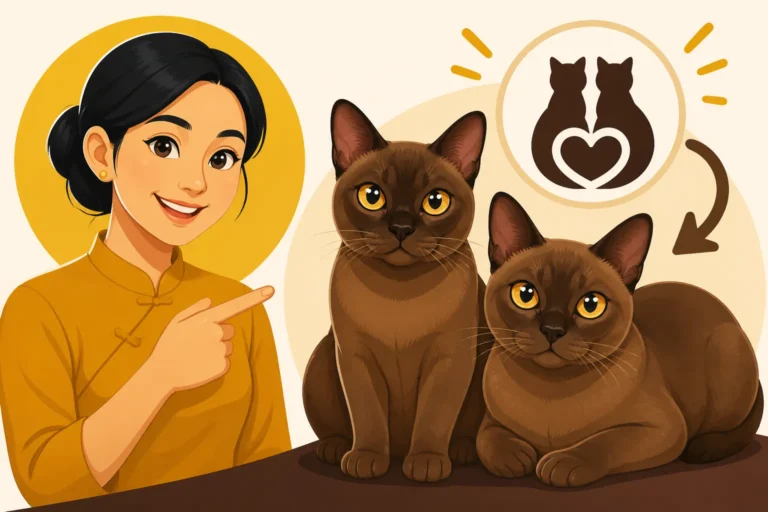
Bringing a rescue Burmese into your home is an incredibly rewarding experience, filling your days with affection and playful antics. However, many new owners, especially of rescue cats with unknown backgrounds, face the silent worry of inherited health issues. One of the most critical, yet often overlooked, concerns for this specific breed is their significant predisposition to diabetes. This comprehensive guide will walk you through why a glucose check is not just a good idea, but an essential step for every rescue Burmese, offering peace of mind and setting them up for a healthier future.
The Inherited Diabetes Predisposition in Burmese Cats
It's a stark reality for Burmese cat owners: this beautiful breed has an unusually high genetic propensity for developing diabetes. It's not just a random chance; it's a deeply rooted part of their genetic makeup that makes them stand out from other feline companions. This isn't about blaming the breed, but rather understanding a crucial aspect of their health that needs proactive management, especially when their history is a mystery.
Why Burmese are Uniquely Susceptible to Diabetes
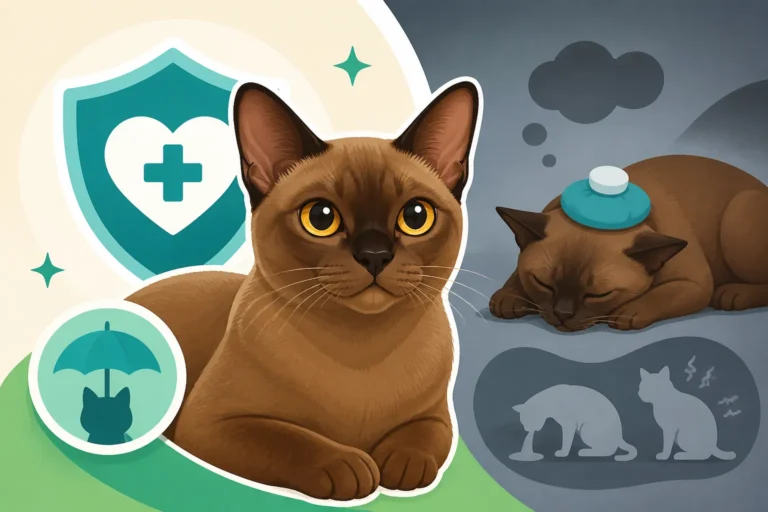
When we talk about the Burmese and diabetes, we're not just whispering anecdotes; we're referring to a well-documented genetic predisposition. Studies have consistently shown that Burmese cats carry specific genetic markers that make them much more likely to develop diabetes mellitus compared to other breeds. Think of it like a human family history of a certain condition – it doesn't mean it will definitely happen, but the risk factor is significantly elevated. Their unique metabolic pathways seem to make them less efficient at processing carbohydrates and regulating blood sugar, setting the stage for insulin resistance. This is why you'll often hear discussions about The Burmese Has the Highest Diabetes Rate of Any Cat Breed.
This isn't just about what they eat, although diet plays a huge role; it's about how their bodies are wired. Even a perfectly healthy, ideal-weight Burmese still carries this genetic blueprint, making diligent care paramount. Understanding this inherent vulnerability is the first step in providing the specialized care a Burmese often needs, especially if they’ve had an uncertain start to life. It’s a burden they carry, but one that informed owners can certainly help lighten.
The Silent Progression of Feline Diabetes
Diabetes in cats, particularly in the early stages, can be incredibly subtle, like a quiet current beneath a calm surface. A rescue Burmese might appear perfectly fine, engaging in normal play, eating, and seeking affection, while internally, their glucose levels are steadily climbing. Early signs, such as slightly increased thirst or urination, might be dismissed as normal cat behavior or attributed to the stress of a new environment. Who among us hasn't seen a cat drink a bit more on a warm day or use the litter box a few extra times?
The real challenge with a rescue Burmese is that their past experiences — be it neglect, poor nutrition, or the simple stress of transitioning between homes — can mask these initial symptoms. A cat that has been underweight might now be eating enthusiastically and gaining a healthy amount, but that doesn't mean their metabolism is handling the influx of calories optimally. By the time obvious symptoms like significant weight loss despite a good appetite, frequent urination, or extreme thirst become apparent, the disease might have progressed considerably. This silent progression is precisely why proactive glucose screening is so vital; you're looking for trouble before it truly shows itself. Discovering What Diabetes Looks Like in a Burmese early can make all the difference.
The Challenges of a Rescue Burmese's Unknown History
When you adopt a rescue, you often embrace a past that's a complete mystery. While this adds to the charm of giving a cat a second chance, it also creates significant blind spots regarding their health, especially for a breed like the Burmese with specific genetic vulnerabilities.
Missing Medical Records and Dietary Past
One of the biggest hurdles with a rescue Burmese is the lack of a comprehensive medical history. You don't know what kind of diet they were on previously. Were they free-fed on high-carbohydrate kibble – a common practice that can be detrimental to a diabetes-prone breed? Was their weight monitored? Did their previous owners notice any subtle changes in appetite, thirst, or energy levels? Without these crucial details, you're starting from scratch, trying to piece together a health puzzle with half the pieces missing.
This void of information extends to genetic testing. Reputable Burmese breeders will screen their cats for common genetic conditions, including those that influence diabetes risk. A rescue, however, comes without any such guarantees. You won't know if their parents were tested, or if there's a strong family history of diabetes that was never documented. This makes your vet's initial assessment even more critical, as it serves as your baseline for future care. It’s a bit like trying to navigate without a map; you simply don't know what terrain they've already covered or what dietary landmines they might have encountered. For this reason, selecting food from a brand like Chewy, known for carrying a wide range of veterinary and specialized diets, can be a great starting point, allowing you to quickly transition to a low-carb option if needed.
Stress and its Impact on Glucose Levels
The journey to a new home is incredibly stressful for any cat, and a rescue Burmese is no exception. They might have been surrendered, lived in a shelter, or simply endured a series of changes before finding you. This stress, both acute and chronic, can have a direct impact on their physiology, including their blood glucose levels. When a cat is stressed, its body releases hormones like cortisol, which can temporarily elevate blood sugar.
This means that an initial glucose test at the vet, especially if done shortly after adoption, might show a slightly elevated reading that isn't indicative of full-blown diabetes but is a stress response. However, it also means that if a cat has underlying pre-diabetes or early-stage diabetes, the stress can push their numbers even higher, making the condition more apparent. While a single elevated reading due to stress might be inconclusive for a definitive diagnosis, it certainly flags the cat for closer monitoring. The key is to recognize that even with stress, any abnormal glucose reading in a Burmese warrants serious attention and follow-up, ensuring that you’re not overlooking a genuine problem. It underlines the importance of routine checks and providing a stable environment to help them settle.
Practical Steps for Glucose Screening and Management
Once you've brought your rescue Burmese home, transitioning from the joy of adoption to proactive health management is key. Knowing about their breed's predispositions means you can take concrete steps to ensure their long-term well-being.
The Initial Vet Visit: More Than Just a Check-up
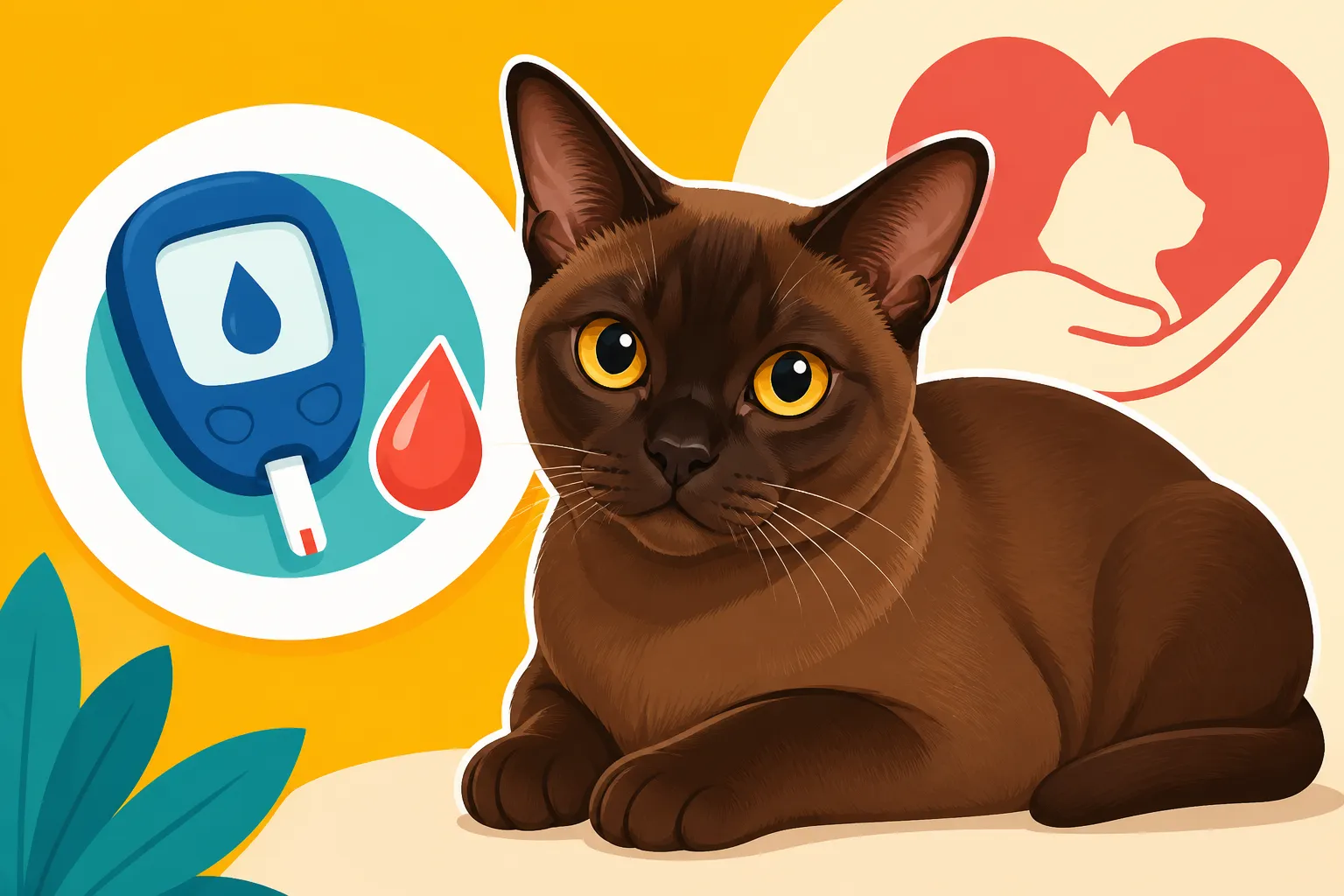
Your rescue Burmese's first vet visit with you is perhaps the most important. It shouldn't just be a routine check-up; it needs to be a comprehensive health assessment, with a specific focus on their diabetes risk. Beyond the usual vaccinations and parasite checks, advocate for a thorough discussion about their breed-specific vulnerabilities. Your vet will likely recommend a blood panel that includes a glucose measurement. While a single glucose reading can be influenced by stress (as discussed earlier), it's a crucial starting point.
For cats, a fructosamine test is often more reliable than a single blood glucose reading because it provides an average of blood glucose levels over the past 2-3 weeks, rather than a snapshot. This helps differentiate between stress-induced hyperglycemia and true diabetes. If the initial glucose or fructosamine levels are elevated, your vet might suggest follow-up tests or a dietary trial. Don't be afraid to ask questions; understanding How a Diabetic Burmese Is Diagnosed and What a Fructosamine Test Shows in a Burmese will empower you as an owner. This initial screening is your golden opportunity to catch any signs of trouble early, before it escalates into a more complex condition.
| Test Type | What It Measures | Best For | Influenced by Stress? |
|---|---|---|---|
| Blood Glucose | Current blood sugar level | Quick snapshot, initial screening | Yes, significantly |
| Fructosamine | Average blood glucose (2-3 weeks) | Confirming diabetes, distinguishing from stress | No, more stable |
| Urinalysis | Glucose in urine | Indicates spillover of sugar, early indicator | No, but late indicator |
Ongoing Monitoring and Dietary Adjustments
Should your rescue Burmese show any signs of elevated glucose, or simply due to their breed's high risk, dietary management becomes paramount. The cornerstone of preventing and managing feline diabetes is a diet that is low in carbohydrates and high in protein. This means saying goodbye to free-feeding dry kibble, which is often packed with carbs, and embracing measured portions of wet food. Fresh, human-grade foods or many high-quality wet foods can be excellent choices. The goal is to minimize spikes in blood sugar and reduce the metabolic strain on their pancreas. Why Low Carbohydrate Food Matters for a Burmese cannot be overstated.
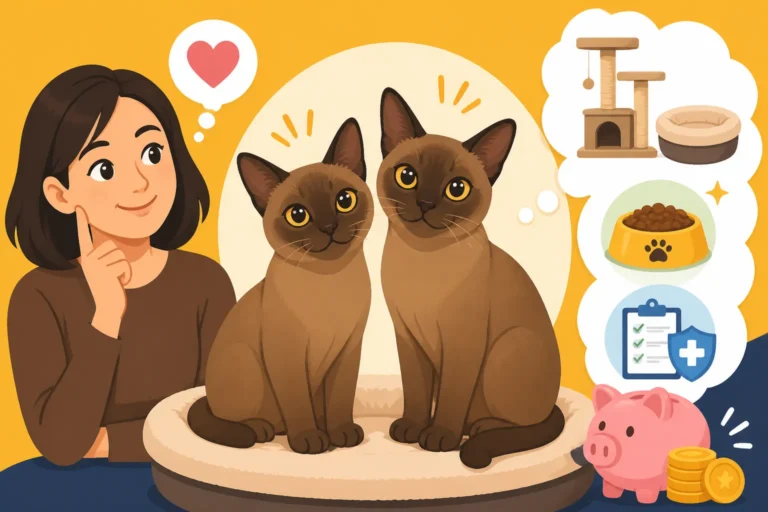
Consistent feeding schedules are also vital. Instead of leaving food out all day, offer two to three measured meals at fixed times. This not only helps regulate their metabolism but also allows you to monitor their appetite more closely. For a cat diagnosed with diabetes, home glucose monitoring, though daunting at first, can become a routine part of their care, with your vet guiding you through the process of How a Burmese Is Monitored on Insulin at Home. Regular weigh-ins at home are also crucial, as maintaining an ideal weight significantly impacts diabetes risk and management; How to Weigh a Burmese Accurately at Home is a skill every Burmese owner benefits from. Having pet insurance from a provider like Healthy Paws can also offer a safety net for potential future medical costs associated with chronic conditions like diabetes.
Long-Term Well-being for Your Rescue Burmese
The decision to adopt a rescue Burmese is a commitment to their entire life, and that includes understanding and actively managing their specific health needs. Proactive care, particularly around diabetes, ensures they live a long, happy life filled with the signature Burmese affection.
Proactive Care for a Potentially Diabetic Cat
For a breed so predisposed to diabetes, proactive care isn't just a suggestion; it's a way of life. Regular veterinary check-ups are essential, even if your Burmese seems perfectly healthy. As they age, their risk increases, so annual or even semi-annual bloodwork, including glucose and fructosamine tests, becomes a non-negotiable part of their health routine, especially once they are considered senior. You can find more information on Caring for a Burmese Past Twelve. Weight management is another primary defense against diabetes. Every extra pound on a Burmese, especially around their belly, significantly increases their insulin resistance. Keeping them lean and muscular, which is their natural physique, is vital. You might think your loving, slightly plump Burmese is adorable, but How Much Weight Raises a Burmese's Diabetes Risk is a serious concern.
The peace of mind that comes from knowing your cat's glucose status, and actively managing their diet and weight, is invaluable. Even if they are never diagnosed, you've provided the best possible preventative care. And if they are, catching it early means better outcomes and a higher chance of remission, particularly with stringent dietary control. It truly transforms the worry of the unknown into empowered, informed care. Remember, a Burmese is an incredibly affectionate cat, and they'll often hide discomfort or illness behind their charming demeanor, making early detection even harder if you're not looking. This is why Why a Burmese Hides Illness Behind Its Affection is something every owner should be aware of.
Creating a Stable, Low-Stress Environment
Beyond the medical and dietary aspects, creating a calm, stable, and low-stress home environment is incredibly beneficial for a rescue Burmese, particularly one with a predisposition to health issues like diabetes. Stress, as we've noted, can directly impact blood glucose levels and overall well-being. A chaotic or constantly changing environment can make it harder for a cat to settle, eat consistently, and maintain a healthy metabolic balance.
Establishing a consistent routine for feeding, playtime, and rest helps your Burmese feel secure and minimizes anxiety. Provide plenty of enrichment, such as interactive toys, scratching posts, and cozy sleeping spots, to keep them mentally stimulated and physically active. A predictable daily rhythm helps regulate their internal systems and reduces the likelihood of stress-induced physiological responses. Remember, a happy, relaxed cat is generally a healthier cat. By prioritizing both their physical and emotional health, you're giving your rescue Burmese the best possible chance to thrive for many years to come.
Disclaimer
This article is for general informational purposes only and does not constitute professional advice. Laws, prices and regulations vary by location and change over time. Consult a qualified professional for guidance on your specific situation.