Why the Burmese Is Called a Dog in a Cat’s Body
Many cat owners are familiar with the trope of the aloof, independent feline, content to survey its domain from a distance and deign to accept affection on its own terms. However, if you've ever spent time with a Burmese, you'll quickly realize that this conventional wisdom flies right out the window. This guide delves deep into why the Burmese has earned its enduring nickname as "a dog in a cat's body," exploring the unique behaviors and personality traits that make them stand out in the feline world and sometimes leave new owners completely taken by surprise.
The Unwavering Devotion: Velcro Cat Tendencies
One of the most striking things you'll notice about a Burmese is their incredible, almost relentless, devotion to their people. They aren't just affectionate; they're intensely attached, earning them the endearing, if sometimes overwhelming, moniker of "Velcro cats." This isn't just about a gentle head boop now and then; it's a full-on commitment to being wherever you are, whenever you are.
Following You From Room to Room
Forget the idea of a cat that stays in one part of the house. A Burmese will shadow you from the moment you wake up until you go to bed, and often right into bed with you. You’ll try to grab a snack in the kitchen, and there they are, weaving figure-eights around your ankles. You head to the bathroom for a moment of peace, and you'll find a soft nose nudging the door open or a concerned pair of golden eyes peeking through the crack. They simply do not understand the concept of personal space or solitary activities. They aren't being clingy in a needy way; they just genuinely want to participate in whatever you're doing, offering moral support and silent companionship. This constant presence can be incredibly comforting, making you feel cherished and never truly alone, but it certainly isn't the independent cat experience many expect. This intense desire for proximity means they absolutely need company, echoing the loyalty often attributed to canine companions. They are creatures of connection, and that connection often manifests as a furry shadow. Why a Burmese Cannot Let You Leave the Room
Seeking Constant Physical Contact
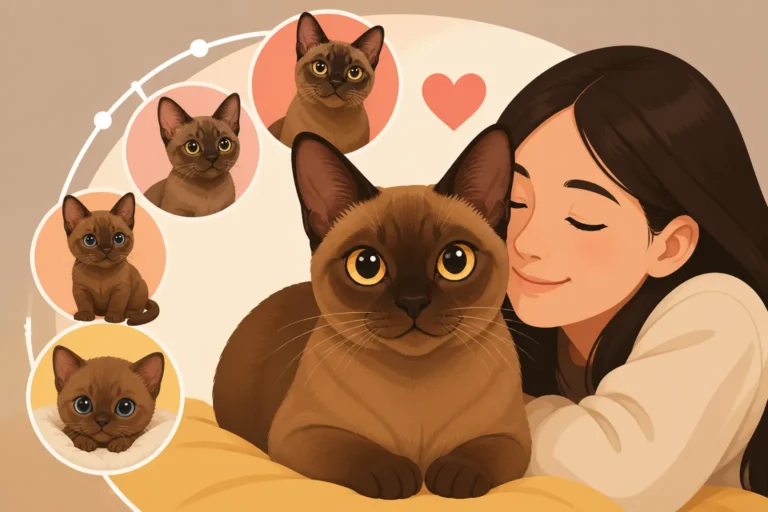
Beyond just following you, a Burmese craves physical touch. This isn't the reserved, occasional lap-sit of some breeds. A Burmese wants to be on you, under you, or draped across you. They’ll jump onto your lap the moment you sit down, settle onto your chest while you read, and even attempt to ride on your shoulder as you move around the house, much like a parrot. This isn't a behavior you train; it's simply how they are wired. When you're tucked into bed, don't be surprised to find your Burmese burrowing under the covers, seeking the warmth and security of being pressed against you. Their short, satin-soft coats make them excellent snugglers, and they seem to possess an innate understanding of how to make themselves comfortable against your body. This profound need for physical closeness is a hallmark of the breed, a constant reminder of their affectionate nature, and again, strikingly similar to the way many dogs seek out their humans for snuggles and warmth. Why a Burmese Rides on Your Shoulder
The Affectionate Greetings
When you walk through the door after being out, prepare for a full-scale greeting committee. A Burmese won't just offer a casual glance from the sofa; they will be there, often chirping or rumbling, rubbing against your legs with an intensity that can almost trip you up. They'll demand head scratches, purr with impressive volume, and push their faces into your palm, asking for attention as if you've been gone for weeks, even if it's only been an hour. This isn't typical cat behavior, which often involves a more subtle acknowledgement of your return. Instead, it feels much more like the enthusiastic welcome of a dog, overjoyed at your presence and eager to reconnect. They genuinely miss you, and they don't hold back in expressing it. This profound, demonstrative affection is one of the most charming aspects of living with a Burmese, cementing their reputation as a truly people-oriented pet. Why a Burmese Pushes Its Face Into Your Palm
Playfulness and Trainability: Beyond Feline Norms
Burmese cats are renowned not only for their affection but also for their intelligence, curiosity, and an almost insatiable desire to play. This combination makes them incredibly trainable, a trait more commonly associated with canines than felines. They possess a keen observational ability and a strong motivation to engage with their human companions, often delighting in games and activities that other cats might find perplexing.
Learning Tricks and Responding to Commands
If you've ever tried to teach a typical cat to sit or stay, you know it can be an exercise in futility. But with a Burmese, it’s a whole different ballgame. They are incredibly intelligent and highly motivated by treats and positive reinforcement, making them surprisingly adept at learning tricks. Many Burmese can be taught to sit on command, offer a paw, or even come when called, just like a dog. Imagine calling your cat from another room and having them trot over, tail held high, ready for whatever game or cuddle session awaits. Their eagerness to please and their genuine enjoyment of interactive sessions mean that training isn't just possible, it's often a highlight of their day. They thrive on mental stimulation and the attention that comes with learning new things. Finding the right high-value treats can make all the difference, and a quick search on Amazon for "cat training treats" will offer a plethora of options to get you started. This willingness to engage in structured play and learning truly sets them apart in the cat world. Which Tricks a Burmese Learns for a Piece of Food
Enjoying Games of Fetch and Interactive Play
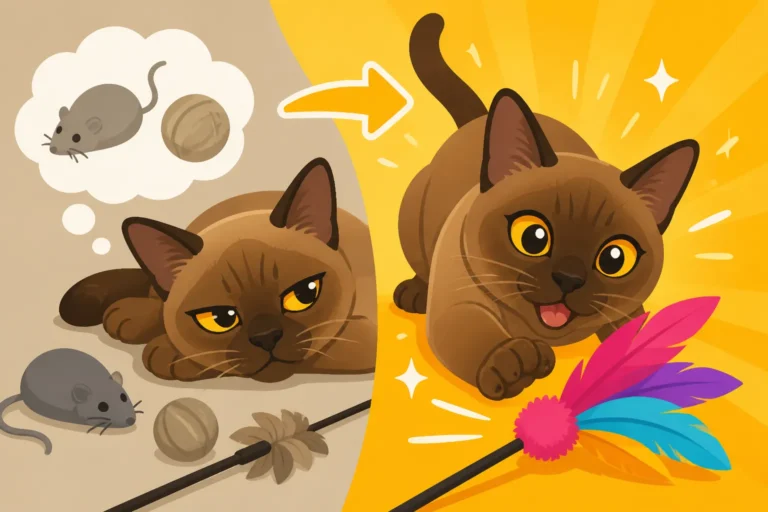
While some cats will bat at a toy, a Burmese often takes play to another level, particularly when it comes to games of fetch. They will enthusiastically chase a thrown toy, retrieve it, and bring it back to your feet or even directly into your lap, dropping it expectantly for another round. This isn’t a one-off fluke; many Burmese will play fetch for extended periods, showing remarkable stamina and focus. Wand toys are also a huge hit, engaging their prey drive and allowing for dynamic, interactive play that strengthens the bond between cat and owner. The sheer joy they get from these games is palpable, transforming a simple toy into a shared adventure. Unlike many cats who might quickly lose interest, a Burmese can keep the game going, often initiating play by nudging a toy into your hand. This sustained, interactive playfulness is another key reason why they are so often compared to dogs, who are famous for their love of retrieving games. If you're looking to expand your Burmese's toy collection, Amazon offers a fantastic selection of durable fetch toys and engaging wand teasers that can stand up to their vigorous play sessions. Whether a Burmese Brings a Toy Back to Your Lap
Leash Training Potential
The idea of walking a cat on a leash might sound absurd to many, but for a Burmese, it's often a surprisingly achievable feat. Their curious nature, combined with their desire to be with their human and their generally fearless disposition, means that many Burmese can be successfully trained to walk on a harness and leash. This isn't to say every Burmese will take to it instantly, but with patience, positive reinforcement, and a comfortable harness, many enjoy supervised outdoor adventures. They'll explore the garden, investigate new smells, and generally revel in the stimulation of the outside world, all while safely tethered to their person. This ability to accompany their owners on walks further blurs the line between feline and canine behavior, offering a unique way to bond and provide enrichment. It's a testament to their adaptable and adventurous spirit, a trait rarely found in most domestic cat breeds. Finding a well-fitting, secure harness, perhaps a vest-style one from Amazon, is crucial to ensure their safety and comfort during these excursions. Whether a Burmese Will Walk on a Leash
Sociability and Fearlessness: Welcoming All
Most cat breeds have a reputation for being somewhat reserved, perhaps even wary, of strangers or other animals. They might tolerate them, but rarely welcome them with open paws. The Burmese, however, bucks this trend entirely, displaying a profound sociability and an almost startling lack of fear towards new faces, whether human or animal.
Embracing New People and Other Animals
When guests arrive, a Burmese typically isn't one to hide under the bed or retreat to a quiet corner. Instead, they’ll often be the first to greet visitors at the door, rubbing against their legs, purring loudly, and demanding attention. They thrive on social interaction and genuinely seem to believe that every new person is a potential friend and source of affection. This open, welcoming nature extends to other pets as well. Many Burmese integrate seamlessly into multi-pet households, readily accepting dogs, other cats, and even polite children as part of their extended family. They often seek out the company of other animals, curling up for naps with the family dog or engaging in playful chases with another cat. This inclusive nature makes them an ideal pet for busy, social homes, proving that they are not just tolerant, but actively seek out connection with everyone around them. Why a Burmese Treats Children and Dogs as More Company
Fearless Exploration and Lack of Stranger Danger
The trusting and curious nature of the Burmese, while endearing, also comes with a significant caveat: they often have little to no "stranger danger" instinct. They view the world as a friendly place filled with potential playmates and sources of affection. This means they are not typically wary of unfamiliar people, sights, or sounds. If given the opportunity, a Burmese might confidently wander off with a friendly stranger, explore an open garage door, or approach an unfamiliar dog without a hint of hesitation. This lack of natural caution, while a testament to their trusting character, also makes them particularly vulnerable in unsupervised outdoor environments. They simply don't possess the street smarts or inherent wariness that other cat breeds do, making indoor living or securely enclosed outdoor spaces (like a catio) absolutely essential for their safety. Their fearlessness in novel situations is a huge part of their charm, but it's a trait that requires responsible management from their human guardians. Why a Burmese Trusts Strangers Too Much to Roam
Adapting to Change with Ease
While many cats are creatures of habit and can become stressed by changes in routine or environment, the Burmese often demonstrates a remarkable adaptability, provided their human companions are by their side. Moving to a new home, introducing new furniture, or even altering daily schedules tends to be less traumatic for a Burmese than for more sensitive breeds. Their primary security comes from their bond with their people, rather than the stability of their surroundings. As long as they have their favorite humans, and perhaps a familiar blanket or a favorite interactive toy found on Amazon, they can adjust to new situations with relative ease. This isn't to say they are impervious to stress, but their focus on connection means that the presence of their loved ones often outweighs the disruption of change. This resilience and ability to "go with the flow" is another characteristic that leans heavily into the "dog in a cat's body" comparison, as many dog breeds are similarly adaptable when with their pack.
Their Unique Voice: A Raspy Conversation
If you're expecting delicate little meows from a Burmese, prepare to be surprised. Their vocalizations are yet another trait that sets them apart, moving away from the typical feline repertoire and leaning towards something more dog-like in its expression and intent.
The Distinctive Burmese "Rumble"
Instead of the high-pitched meows often associated with cats, the Burmese communicates with a rich, throaty "rasp" or "rumble." It's a sound that's hard to describe accurately without hearing it, a deep, conversational purr that often transitions into a sort of questioning grunt or a gentle, insistent murmur. It's less of a cry for attention and more of a comment or an inquiry, a way for them to engage in dialogue with their favorite humans. This distinctive voice is quite different from the piercing wail of a Siamese, for instance. It's lower in pitch, full of character, and often surprisingly loud for such a compact cat. Owners quickly learn to distinguish the nuances in their Burmese's rumbling, understanding whether it's a happy greeting, a request for food, or an invitation to play. It's their unique way of expressing themselves, a charming vocal signature that only adds to their dog-like personality. The Rasping Rumble a Burmese Uses Instead of a Meow
Conversational Nature
A Burmese isn't content to simply make noise; they want to talk to you. They will engage in lengthy "conversations," responding to your questions and comments with a series of chirps, trills, and rumbling sentences. You might find yourself having a full-blown exchange with your cat, asking them about their day and receiving a cascade of meaningful rumbles in return. They use their voice to express a wide range of emotions and desires, from contented murmurs during a cuddle session to more insistent, questioning tones when they're curious about something you're doing. This communicative nature is a cornerstone of their personality, reflecting their deep desire for interaction and connection. They truly want to be part of the conversation, making their presence felt and their opinions known. This eagerness to communicate vocally is yet another parallel to dogs, who often use barks, whines, and growls to express themselves and interact with their human companions. What a Burmese Wants When It Rumbles at You
The Downside of Being a "Dog Cat": Separation Anxiety
While many of the "dog-like" traits of the Burmese are incredibly endearing, there is a flip side to their intense devotion and sociability: a strong propensity for separation anxiety. This is perhaps the most significant challenge for Burmese owners and a direct consequence of their deeply people-oriented nature.
The Pain of Being Left Alone
Because a Burmese bonds so intensely with its human family, being left alone for extended periods can be genuinely distressing for them. They don't just tolerate your absence; they feel it deeply. Hours of solitude can lead to severe anxiety, manifesting in various ways. A lonely Burmese might become destructive, chewing on furniture, scratching at doors, or even pulling out their own fur. They might eliminate outside the litter box as a protest or a sign of distress. They thrive on constant companionship and truly suffer without it. This isn't just a matter of boredom; it's a deep emotional need for connection that, when unmet, causes genuine suffering. Unlike many independent cat breeds that might simply nap through your absence, a Burmese will often vocalize their unhappiness, pacing, and waiting anxiously for your return. This profound sensitivity to solitude is a critical factor for prospective owners to consider, as it necessitates thoughtful planning for their care. Why a Burmese Cannot Be Left Alone All Day
Solutions for a Lonely Burmese
Understanding a Burmese's need for companionship is the first step in ensuring their well-being. For households where people are frequently out for long stretches, the most effective solution is often to get a second cat. A second Burmese is ideal, as they understand each other's play style and need for constant closeness, but another sociable, playful breed can also work wonderfully. Having a companion significantly mitigates separation anxiety, providing constant interaction and comfort. Many breeders, recognizing this inherent need, actually recommend or even require that Burmese kittens be adopted in pairs. This ensures that the kittens grow up with a built-in playmate and confidante, making the transition to a new home much smoother. Why Burmese Breeders Sell Them in Pairs Beyond a companion, enriching their environment with puzzle feeders, interactive toys (many available on Amazon that respond to motion or have treat dispensers), and scheduled play sessions when you are home can also help. The goal is to provide constant mental and physical stimulation to prevent boredom and alleviate loneliness, reinforcing that for a Burmese, company isn't just a preference, it's a fundamental necessity.
Why This Comparison Endures: More Than Just Personality
The comparison of a Burmese to a "dog in a cat's body" isn't just a clever turn of phrase; it's a remarkably accurate summary of their core characteristics. These cats genuinely defy many of the stereotypes associated with felines, consistently displaying traits that are more commonly found in their canine counterparts.
Affectionate, Loyal, and People-Oriented
At the heart of the "dog in a cat's body" label lies the Burmese's unparalleled affection and loyalty. They are not merely pets; they are deeply integrated members of the family who demand and give constant love. Their entire world revolves around their human companions. They form incredibly strong bonds, showing a devotion that is both unwavering and profoundly touching. This isn't a transactional relationship where they offer affection only for food; it's a genuine, heartfelt connection. They will greet you with enthusiasm, seek out your presence relentlessly, and offer comfort with a soft purr and a gentle nudge. This intense people-orientation is perhaps the strongest bridge between Burmese behavior and canine temperament, distinguishing them significantly from many other cat breeds who maintain a more independent, if still loving, demeanor. Their loyalty is absolute, making them true companions in every sense of the word.
High Energy and Lifelong Playfulness
Another striking similarity to dogs is the Burmese's boundless energy and enduring playfulness. While many cats slow down considerably as they age, a Burmese retains a kitten-like zest for life well into its senior years. It’s not uncommon to find a twelve-year-old Burmese still chasing wand toys, pouncing on crinkle balls, and engaging in energetic games of fetch. This sustained level of activity and eagerness to play keeps them mentally and physically stimulated, contributing to their overall health and happiness. Their playful antics are infectious, often encouraging their humans to join in the fun. This youthful spirit, combined with their intelligence and social nature, means they're always ready for an adventure or a game, much like a perpetually young puppy. This longevity of play and high energy levels are key components of why this breed continues to be seen as distinctly "dog-like" in its personality. A Burmese Is Still Playing at Fifteen
Here’s a quick overview of how the Burmese stacks up against typical cats and dogs in key personality traits:
| Trait | Typical Cat Behavior | Burmese Cat Behavior | Typical Dog Behavior |
|---|---|---|---|
| Affection | Often reserved, on their own terms | Highly demonstrative, constant, "Velcro" | Highly demonstrative, constant, loyal |
| Companionship | Independent, tolerates solitude | Demands constant company, prone to anxiety | Demands constant company, prone to anxiety |
| Greeting Owners | Casual, subtle acknowledgement | Enthusiastic, vocal, full-body rub | Overjoyed, vocal, tail-wagging |
| Trainability | Difficult, low motivation | Highly trainable, eager to please | Highly trainable, eager to please |
| Play Style | Independent, short bursts, less interactive | Interactive, fetch-oriented, sustained | Interactive, fetch-oriented, sustained |
| Sociability | Wary of strangers, slow to adapt | Welcomes strangers, adapts quickly | Welcomes strangers, adapts quickly |
| Vocalizations | Meows, chirps | Rasps, rumbles, conversational | Barks, whines, growls, expressive |
| Leash Potential | Rare, often stressful | Possible, often enjoys outdoor exploration | Common, enjoys walks |
This table clearly illustrates how the Burmese consistently leans towards canine behaviors, making the comparison more than just a passing observation.
Disclaimer
This article is for general informational purposes only and does not constitute professional advice. Laws, prices and regulations vary by location and change over time. Consult a qualified professional for guidance on your specific situation.