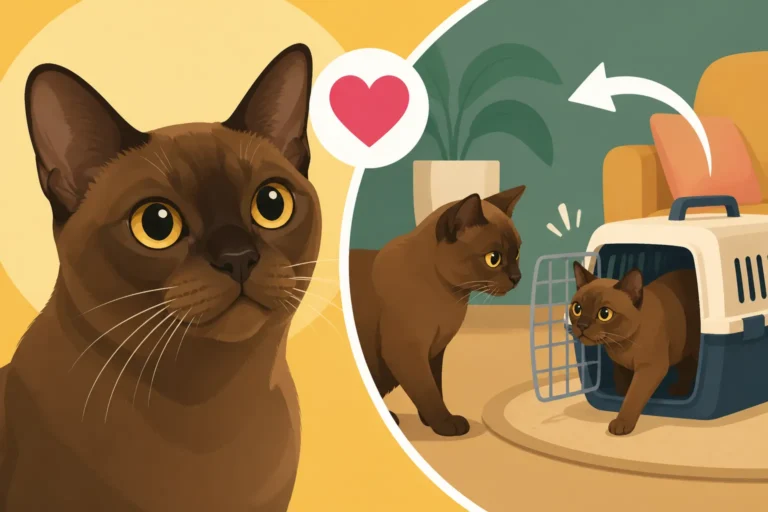
What a Burmese Does When It Is Shut Out of a Room
Oh, the sheer drama of a closed door when you live with a Burmese! It's a situation many of us know all too well – you just need a moment of privacy, perhaps to use the bathroom, grab something from the pantry, or take an important call, and suddenly, the innocent barrier of a closed door transforms into an insurmountable fortress of injustice in the eyes of your beloved Burmese. This guide is here to help you understand precisely what goes through their devoted little minds when they're shut out, the behaviors you can expect, and how to manage the ensuing theatrical performance.
The Burmese Need for Constant Company
Let's be honest, calling a Burmese a "Velcro cat" isn't an exaggeration; it's simply stating a well-known fact. These incredible felines are famously attached to their people, often described as having the personality of a dog in a cat's body. They thrive on companionship and genuinely see themselves as an integral, ever-present member of your household. For a Burmese, there's no such thing as personal space, only shared space – preferably right on your lap, shoulder, or snuggled under the duvet beside you. This intense need for connection forms the root of their reaction when a door suddenly separates them from you.
Why a Closed Door Is an Affront to a Burmese
Imagine, for a moment, that your entire world revolves around a particular person, and then suddenly, without warning, they disappear behind a solid, unyielding barrier. That's essentially what a closed door means to a Burmese. They don't grasp the concept of "just a minute" or "I need to focus." For them, the physical separation is a form of abandonment, even if you're just on the other side. Their core instinct is to be with you, to participate in whatever you're doing, and to offer their boundless affection. When this connection is abruptly severed by a closed door, it's not just an inconvenience; it feels like a profound breach of their world order.
This isn't about being manipulative; it's about their deep-seated desire for proximity. A Burmese literally cannot let you leave the room without trying to follow. They don't understand that you're still in the house. They interpret the closed door as a physical and emotional barrier, creating anxiety and confusion. They've evolved to be your constant shadow, and a closed door goes directly against their fundamental nature.
The Vocal Protests of a Shut-Out Burmese
If you've ever owned a Burmese, you know they aren't shy about expressing themselves. Their vocalizations are distinct, often a husky, rasping rumble rather than a traditional meow. When they are shut out of a room, this rumble can quickly escalate. Initially, it might be a questioning little trill, like, "Hey, what gives?" But if the door remains closed, that trill can morph into a persistent, insistent, and undeniably loud series of protests. It's their way of demanding access, communicating their distress, and reminding you that you are, in fact, forgetting someone very important.
They will cycle through their entire repertoire: the soft, questioning rasp, building to a more urgent, demanding "mee-YOW," and then potentially graduating to a full-blown "WHERE ARE YOU?!" wail. It's a concert designed to pierce through any closed door and any human resolve. They learn quickly that louder noises often get your attention, and they're not afraid to use their unique vocal cords to achieve their goal of reunification. Don't be surprised if your usually quiet cat suddenly sounds like a miniature foghorn when locked out.
The Persistence and Ingenuity of a Burmese
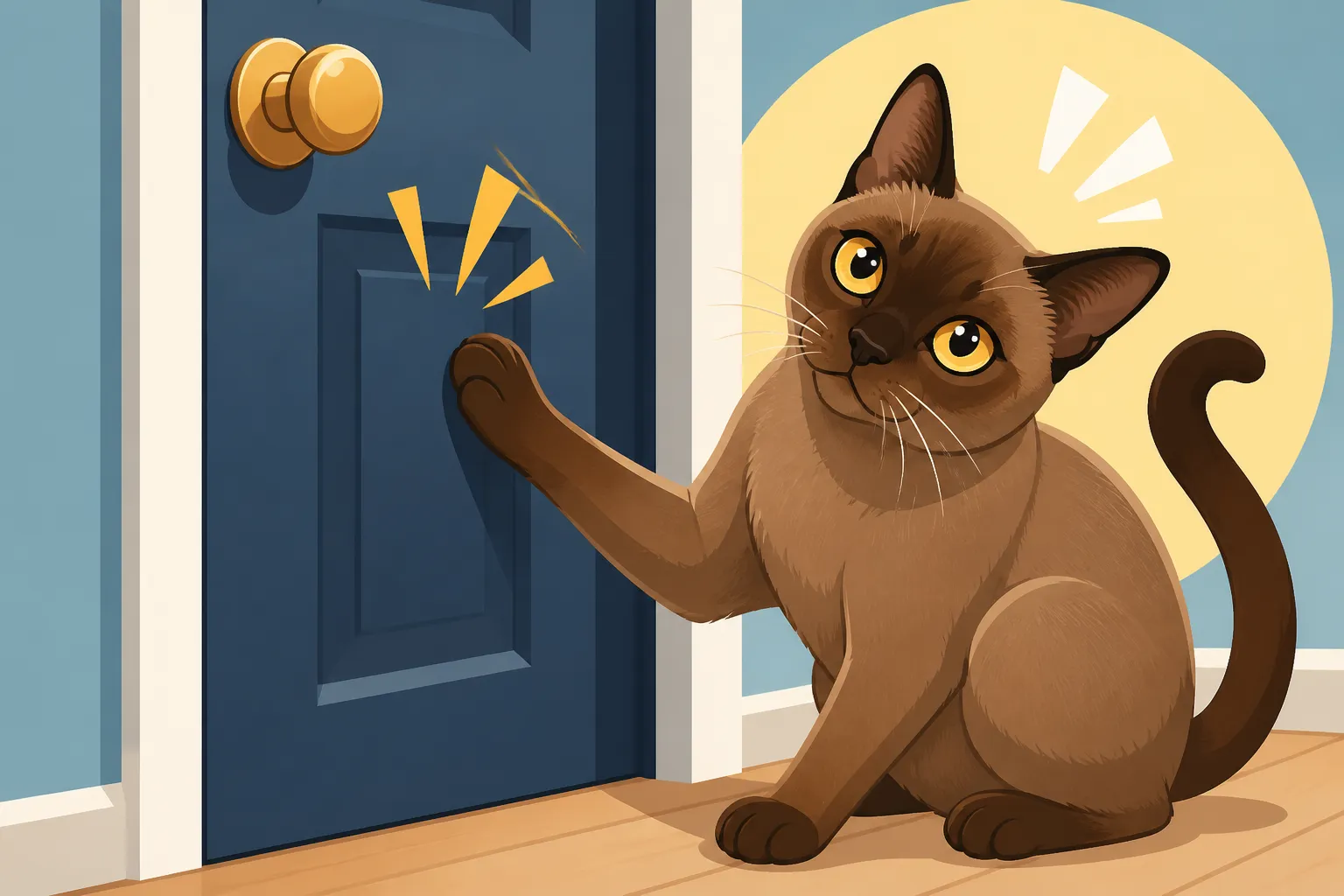
Beyond their vocal protests, Burmese cats are notoriously intelligent and problem-solvers. A closed door is merely a challenge to be overcome. They will try pushing at the bottom of the door with their paws, often squeezing their entire body against it in a desperate attempt to force it open. They'll jump up, batting at the doorknob or handle, trying to replicate how they've seen you open it. Some will even try to hook their claws under the door and pull.
I've seen Burmese cats learn the exact sound of a key in a lock, or the specific creak of a door handle, and they'll be there in a flash, ready to burst through the moment it's ajar. Their determination is truly remarkable. This isn't just curiosity; it's a genuine drive to be with you. They have no concept of "giving up" when it comes to being near their favorite human. Their persistence, combined with their cleverness, means a simple closed door often isn't enough to deter a truly motivated Burmese.
Escalating Behaviors: When Protests Aren't Enough
While vocal protests are the most common initial response to a closed door, if the separation persists, or if the Burmese is particularly stressed, their behaviors can escalate. These are not acts of spite, but rather manifestations of anxiety, frustration, and a desperate need for attention and reassurance. Understanding the underlying emotion is key to addressing the behavior.
Scratching and Chewing on Doors and Frames
When vocalizations don't yield the desired result, some Burmese cats will resort to more physical, and often destructive, actions. They might start scratching at the bottom of the door, attempting to claw their way through the barrier. This can quickly lead to shredded paint, splintered wood, and permanent damage to your door frames. Similarly, chewing on the trim or door can occur, especially if they are feeling particularly anxious. This isn't just about trying to get in; it's a release of pent-up energy and stress.
Think about it from their perspective: they are locked out, isolated, and their primary source of comfort is just beyond reach. The door becomes the enemy, and they'll try anything to dismantle it. If you're consistently shutting them out, consider investing in door protectors or even Amazon brand transparent anti-scratch guards to minimize damage, at least while you work on behavioral solutions. Providing alternative, acceptable scratching posts near the door before they start damaging it can sometimes redirect this behavior, but the root cause is still the desire to be with you.
Destructive Actions in the Accessible Space
A particularly frustrated or anxious Burmese might start causing trouble in the room they do have access to. This could involve knocking objects off shelves, pulling down curtains, or even attempting to climb things they usually wouldn't. Again, this isn't malicious revenge; it's a cry for attention and a way to channel their distress. They might be thinking, "If I can't get to you, maybe I can make enough noise or create enough chaos that you have to come to me."
This destructive behavior is often linked to separation anxiety, which Burmese cats are particularly prone to. If you consistently leave them alone for long stretches, you might come home to a scene of disarray. It's their way of expressing, "I was upset and lonely while you were gone." Observing these behaviors, perhaps even with a pet camera, can give you insight into just how much a Burmese does to a house it is left in, and how much a lonely Burmese pulls its satin coat out or engages in other self-soothing but destructive behaviors. It's a clear signal that their emotional needs for companionship aren't being met.
Inappropriate Urination or Defecation
This is perhaps the most distressing and undeniable sign that your Burmese is in significant emotional distress due to being shut out or left alone. If a cat, especially one that is normally fastidious about its litter box habits, starts urinating or defecating outside the box, particularly near the closed door, it's a huge red flag. This is rarely a "protest pee" in the human sense of spite. Instead, it's often a manifestation of extreme anxiety, fear, or insecurity.
When a Burmese is feeling intensely stressed by separation, their natural instincts can lead to territorial marking, even if it's "inappropriate." It's a desperate attempt to create a familiar scent environment or to signal their distress in a way they know will get your attention. If you observe this behavior, it's crucial to rule out any underlying medical conditions first with your vet. However, once medical causes are excluded, it's almost certainly a behavioral issue stemming from their profound need for companionship. Why an Anxious Burmese Sprays can shed more light on this concerning behavior.
Preventing the Shut-Out Drama
Dealing with a Burmese's reaction to a closed door requires a blend of understanding, patience, and proactive strategies. Since their need for company is so ingrained, the goal isn't to make them love being alone, but rather to help them cope with short periods of separation and to enrich their environment so they don't feel entirely abandoned.
Gradual Desensitization and Training
One of the most effective strategies is gradual desensitization. You can't just suddenly start shutting your Burmese out for hours. You need to build up their tolerance slowly.
- Start Small: Begin by closing the door for just a few seconds while you're still within earshot. Open it before they even have a chance to vocalize.
- Increase Duration: Gradually extend the time the door is closed, adding a few seconds each time. Stay close by so they can hear you.
- Positive Association: Before you close the door, give them a high-value treat or a favorite toy. This helps them associate the closed door with something positive. You could even use an Amazon puzzle feeder filled with a small amount of their favorite low-carb treat right before you step out, making the separation coincide with a positive, engaging activity.
- Ignore Protests (Carefully): The hardest part! If they do start protesting, wait for a brief moment of silence before opening the door. If you open it while they're crying, you're inadvertently teaching them that crying gets the door open. This requires immense patience and can be tough to do consistently.
- Vary the Routine: Don't make it predictable. Sometimes close the door, sometimes leave it open. This helps prevent them from becoming hyper-focused on the door as a trigger.
Consistency is key here. Everyone in the household needs to be on board with the training to avoid confusing your intelligent Burmese.
Providing Enrichment and Company
For a breed that thrives on interaction, prevention is often better than cure. The less often they feel truly alone, the less likely they are to act out.
- Companion Cat: This is often the best solution. Burmese breeders frequently sell them in pairs for this very reason. Two Burmese will keep each other company, play together, and snuggle, significantly reducing their reliance on you for constant entertainment and comfort. Why Burmese Breeders Sell Them in Pairs is a topic often discussed for good reason. Even if you're home, they will enrich each other's lives.
- Interactive Toys: When you do need to be separate, ensure they have engaging toys. Think about automatic laser pointers (always supervised to avoid frustration), treat-dispensing balls, or wand toys that you can use for intense play sessions before you need your private time. Many fantastic interactive toys are available on Amazon that can keep a Burmese busy for a while.
- Scheduled Playtime: Make sure you dedicate specific, energetic play sessions with your Burmese every day. A tired cat is often a calmer cat. Even an older Burmese will still want to play, so dedicate time to their physical and mental stimulation. How Many Play Sessions a Burmese Asks For will give you a good idea of their needs.
- Vertical Space: Cat trees, shelves, and window perches provide a sense of security and entertainment. Being able to survey their territory, especially if they have a view outside, can alleviate some boredom and anxiety.
Managing the Environment
Sometimes, a direct approach to modifying your home environment can help mitigate the closed-door drama.
- Baby Gates: For rooms where full privacy isn't essential but you still want some separation (like a home office or kitchen), a baby gate can be a game-changer. It allows your Burmese to see and hear you, maintaining that crucial visual and auditory connection, while still keeping them out of your immediate workspace or away from potential hazards.
- Door Stoppers: If the issue is simply keeping a door slightly ajar so they can come and go, a sturdy door stopper can be your friend. This allows for fluid movement and prevents accidental "lock-outs."
- Designated "Safe" Space: If you absolutely must shut your Burmese out of a room for an extended period, ensure the room they are in is a safe, enriching space. This means having their bed, fresh water, food (perhaps in a puzzle feeder), their favorite toys, and a clean litter box easily accessible. It makes the "abandonment" less severe if their needs are fully met.
- Microchip Feeders: In multi-cat households or for timed feeding, a microchip feeder can be useful if you need to feed your Burmese in a specific room. However, remember this primarily helps with food management, not necessarily the psychological need for company. Which Puzzle Feeder Slows a Greedy Burmese Down could be relevant here if you're using it to manage their food intake when you're away.
When to Seek Professional Help
While Burmese cats are known for their demanding and affectionate nature, there's a line between typical breed traits and genuine anxiety or behavioral problems. It's important to recognize when the "shut-out drama" is escalating beyond what you can manage with home-based solutions.
Recognizing Persistent Anxiety
If your Burmese continues to exhibit extreme distress when separated, even after consistent training and enrichment, it might be more than just their strong personality. Look for these signs of persistent anxiety:
- Excessive Grooming: Over-grooming to the point of bald patches or skin irritation can be a stress response.
- Changes in Appetite: Refusing to eat, or conversely, eating much more quickly or obsessively, can indicate stress.
- Increased Vocalization that doesn't cease: Crying or howling that continues for long periods, not just when you first close the door.
- Elimination Problems persist: Despite a clean litter box and no medical issues, the inappropriate urination or defecation continues.
- Destruction or agitation when you are present: They are visibly stressed even when you are home, perhaps following you even more intently, or exhibiting restless behavior.
- A Burmese that stops following you is unwell: Their clinginess is usually a sign of health and happiness. If they become withdrawn or stop seeking you out, it's a huge red flag.
These behaviors indicate that your cat isn't just being a demanding Burmese; they might be truly suffering from anxiety.
Consulting Your Veterinarian
Your first step when you suspect persistent anxiety or severe behavioral issues should always be a visit to your veterinarian. They can perform a thorough examination to rule out any underlying medical conditions that could be contributing to the behavior. For example, urinary tract infections can cause inappropriate urination, and dental pain could lead to changes in appetite or increased irritability.
Your vet can also offer initial advice on behavioral modification strategies and, in some cases, might discuss short-term anti-anxiety medications if the stress is significantly impacting your cat's quality of life. They understand the breed's predispositions and can offer tailored recommendations.
Enlisting a Certified Feline Behaviorist
If your vet rules out medical issues and the behavioral problems persist despite your best efforts, it's time to consider consulting a certified feline behaviorist. These professionals specialize in understanding cat psychology and can develop a comprehensive, tailored plan to address your Burmese's specific anxieties and behaviors.
A behaviorist will look at your home environment, your daily routine, and your cat's specific triggers. They can guide you through advanced desensitization techniques, environmental modifications, and appropriate enrichment strategies. They can also provide support and realistic expectations for managing a highly attached breed like the Burmese, especially when it comes to their intense need for company. Their expertise can be invaluable in helping your beloved Burmese live a happier, less anxious life, and in turn, saving your doors and your sanity!
Summary of Burmese Shut-Out Behaviors & Solutions
Here's a quick look at the typical behaviors a Burmese might display when shut out and some initial steps you can take to address them.
| Behavior Manifestation | Underlying Emotion | Immediate Action | Long-Term Strategy |
|---|---|---|---|
| Vocal Protests | Frustration, confusion, need for company | Wait for quiet moment before opening door | Gradual desensitization, positive reinforcement |
| Scratching/Chewing Doors | Anxiety, frustration, attention-seeking | Door protectors, redirect to acceptable scratcher | Increased enrichment, consistent training |
| Destructive Acts (other rooms) | Separation anxiety, boredom | Provide engaging toys, secure breakable items | Companion cat, scheduled play, puzzle feeders |
| Inappropriate Urination/Defecation | Extreme anxiety, stress | Vet check (rule out medical), thorough cleanup | Reduce separation, consult behaviorist, calming aids |
| Pacing/Restlessness | Unease, unmet need for interaction | Offer interactive playtime, calming presence | Consistent routine, ensure ample social time |
This article is for general informational purposes only and does not constitute professional advice. Laws, prices and regulations vary by location and change over time. Consult a qualified professional for guidance on your specific situation.