Why a Short Coated Burmese Seeks Body Heat
It's a common and rather endearing puzzle for many Burmese cat owners: why does my short-coated, seemingly robust feline friend constantly seek out the warmest spot in the house, often right on top of me? The truth is, while their sleek, satin coat might look incredibly chic, it's not designed for staying toasty on its own. This guide will delve into the fascinating reasons behind your Burmese's constant quest for warmth and offer practical advice on how to keep them comfortably cozy.
The Burmese Coat: Built for Cuddles, Not Cold
The Burmese cat's coat is truly a marvel, but its unique structure, while beautiful, doesn't offer the same insulation as some other breeds. It’s this very characteristic that drives their search for warmth, often leading them straight to your lap or beneath the covers. Understanding the mechanics of their fur helps explain a lot about their cozy habits.
Understanding the Burmese's Unique Coat Structure
When you run your hand over a Burmese, you immediately notice the difference. Their coat is incredibly fine, close-lying, and has a distinctive satin-like feel. Unlike many other cat breeds that boast a dense double coat with a thick, woolly underlayer, the Burmese possesses a remarkably short, single layer of fur. Think of it like wearing a silk slip versus a heavy winter coat. While the silk is beautiful and smooth, it's not going to keep you warm on a chilly day. The Burmese’s fur is truly How Short a Burmese's Coat Actually Is, allowing their body heat to dissipate quite readily into the surrounding air. This isn't a design flaw, but rather a unique genetic trait that contributes to their distinctive appearance and feel, making them feel like a warm, purring brick wrapped in silk.
Why a Lack of Undercoat Means Less Insulation
The undercoat in many cat breeds acts like a natural down jacket. It's composed of very fine, dense hairs that trap a layer of air close to the body, creating a superb insulating barrier against both cold and heat. Without this crucial underlayer, your Burmese simply doesn't have the same built-in thermal regulation. Imagine being outside in winter with just a t-shirt on – you'd quickly start feeling the chill. That's a bit how a Burmese experiences cooler environments compared to, say, a Maine Coon or a Persian with their luxurious, insulating coats. They can regulate their temperature to some degree, of course, but their efficiency in retaining warmth is naturally lower. This is one of the primary reasons Why a Short Coated Burmese Feels the Cold more acutely than other breeds. They're not being dramatic; they're simply responding to their physical reality.
The Connection Between Body Heat and Comfort
For a Burmese, finding a source of external heat isn't just about survival; it's about pure comfort and well-being. A slightly cooler room can feel quite chilly to them, especially during naptime when their metabolic rate drops. This natural predisposition means they are constantly seeking out warm spots: sunbeams, heating vents, freshly used laundry, or, most predictably, another warm body. They instinctively know that snuggling up against you, another pet, or a heated surface will help them maintain their ideal body temperature with less effort. This quest for warmth is deeply ingrained and plays a significant role in their daily habits and their affectionate nature.
Instinct and Affection: More Than Just the Coat
While their unique coat certainly explains a lot, the Burmese's drive for body heat is also intertwined with their deeply affectionate and social nature. It's not just about a biological need for warmth; it's also about fulfilling their emotional need for closeness and connection. These cats are known for their "Velcro" tendencies, and their warmth-seeking behavior is often a beautiful expression of this trait.
The Burmese's Innate Desire for Warmth
Beyond the physiological aspect, the Burmese possesses an inherent drive for warmth that often feels instinctual. From their earliest days as kittens, they huddle together with their littermates for warmth and security. This primal need for thermal comfort is hardwired into them. They learn quickly that the warmest spots are often where their loved ones are. This isn't just about shivering; it's about feeling safe, secure, and utterly content. This innate preference means they will gravitate towards any source of gentle heat, whether it's a sunny window or a warm human lap. Why a Burmese Needs Somewhere Warm to Sleep isn't just a suggestion; it's a fundamental aspect of their comfort.
Blending Thermal Comfort with Social Connection
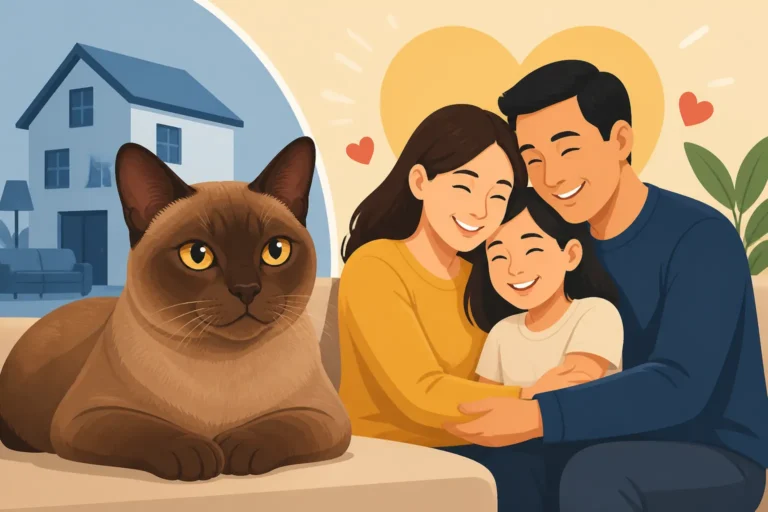
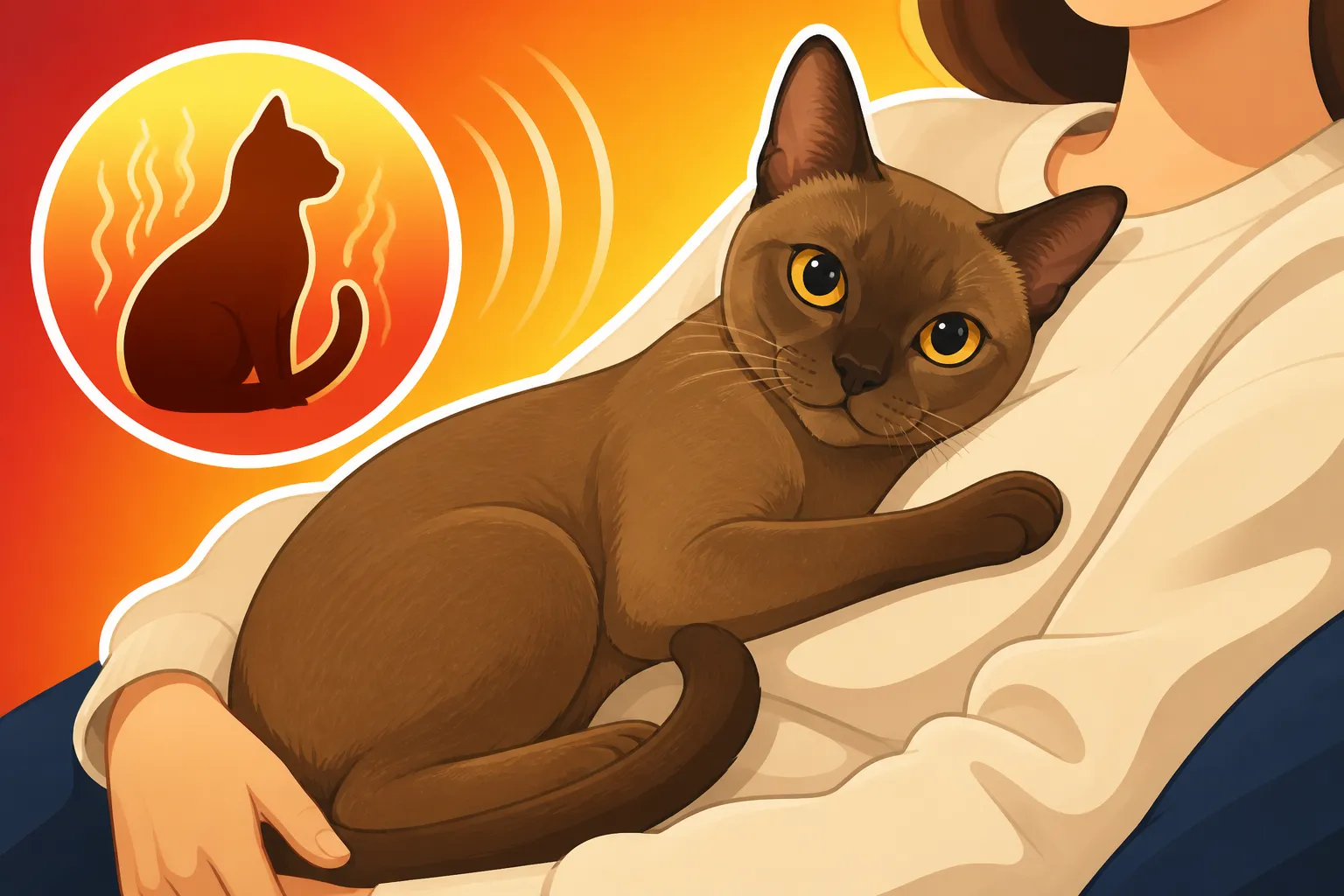
This is where the Burmese truly shines. Their need for warmth doesn't exist in a vacuum; it merges seamlessly with their profound need for companionship. When your Burmese is burrowed under the duvet with you or draped across your shoulders, they're not just getting warm; they're also receiving and giving affection. The warmth of your body is intrinsically linked to the comfort and security you provide as their primary caregiver. They associate your presence with feeling safe and cozy. This makes them truly The Burmese Is the Velcro Cat of the Cat Fancy, always seeking out physical closeness. It’s a beautiful exchange: you provide the heat, and they provide the purrs and the unwavering companionship. For them, being warm with you is the ultimate form of contentment.
How Their Need for Warmth Manifests in Behavior
You'll see this blend of thermal and social needs in countless Burmese behaviors. They might follow you from room to room, not just for company but to stake a claim on the spot you just vacated, still warm from your presence. They are notorious for Why a Burmese Gets Under the Duvet, burrowing deep into the blankets to maximize body heat transfer. They'll choose to sleep curled up against another pet, even a dog, demonstrating Why a Burmese Sleeps Against Another Cat. If you find your Burmese constantly Why a Burmese Pushes Its Face Into Your Palm or pressing against your side, they're likely soaking up every bit of warmth and affection they can get. It's their way of staying comfortable and reminding you just how much they adore being close.
Practical Solutions for a Heat-Seeking Burmese
Understanding why your Burmese constantly seeks body heat is the first step; the next is creating an environment that caters to their needs. Providing dedicated warm spaces and embracing their affectionate nature can significantly enhance their quality of life and deepen your bond.
Creating Warm Havens Around Your Home
Since your Burmese has a natural inclination for warmth, it's wise to create several designated warm spots throughout your home. This gives them options and ensures they can always find a cozy retreat, even when you're not available for cuddles. Think about placing soft beds or blankets in sunny windowsills where they can bask in natural light. Consider positioning a comfy cat tree near a heating vent during colder months (but ensure it's not directly in front of an intense heat source to prevent overheating). Even a simple, thick fleece blanket draped over a chair in a quiet corner can become a favorite sanctuary. These small gestures go a long way in making your Burmese feel more secure and comfortable. Remember, a happy Burmese is often a warm Burmese!
Utilizing Heated Beds and Blankets
One of the most effective ways to cater to a heat-seeking Burmese is by investing in heated cat beds or self-heating mats. These products are specifically designed to provide a constant, gentle source of warmth that many short-coated breeds adore. You can find a wide variety of options on Amazon, from electric beds with thermostatic control to simple self-warming pads that reflect your cat's own body heat.
Here's a quick comparison of popular options:
| Feature | Electric Heated Cat Bed | Self-Warming Mat | Benefits | Considerations |
|---|---|---|---|---|
| Heat Source | Electricity, typically low voltage | Reflects pet's body heat, no external power | Consistent, controlled warmth; great for cold rooms | Requires power outlet; higher initial cost; may need monitoring |
| Material | Soft fabric, often with a removable, washable cover | Insulating layers, often fleece or faux lambskin | Soft, comfortable; easy to clean | Heat level depends on cat's body temperature and ambient room temp |
| Placement Flexibility | Limited by outlet proximity | Highly flexible, portable | Can be placed anywhere | Less intense heat, may not be enough for very cold cats |
| Safety | Low voltage, often auto-shutoff features | No electrical components, very safe | Very safe | Can be chewed by persistent cats (rare) |
When selecting one, look for models with safety features like automatic shut-off and chew-resistant cords, especially if your cat is prone to chewing. Brands like K&H Pet Products, available on Amazon, offer several highly-rated options. A heated bed can become your Burmese's favorite spot, especially when you're not around. It's a great way to ensure they're never too chilly. For an older Burmese, a heated bed can also provide soothing comfort for any developing aches and pains, making it a thoughtful addition to their routine care.
Embracing the Burmese's Cuddly Nature
Ultimately, the best solution for a heat-seeking Burmese is often to simply embrace their cuddly nature. They thrive on physical affection and closeness. If your Burmese wants to be on your lap, under your arm, or even riding on your shoulder, indulge them! This isn't just about their comfort; it's about strengthening your bond. Make time for dedicated cuddle sessions, especially when the house feels a bit cool. Provide soft blankets on your sofa for them to burrow into next to you. Even simple acts like giving them a gentle rubdown with a soft chamois cloth—which also helps bring out their coat's beautiful shine—can be a source of shared warmth and affection. You'll find that their purrs and contented sighs are more than enough reward for being their personal heat source. Why a Burmese Still Wants a Lap is a testament to their enduring need for both warmth and love.
Disclaimer
This article is for general informational purposes only and does not constitute professional advice. Laws, prices and regulations vary by location and change over time. Consult a qualified professional for guidance on your specific situation.