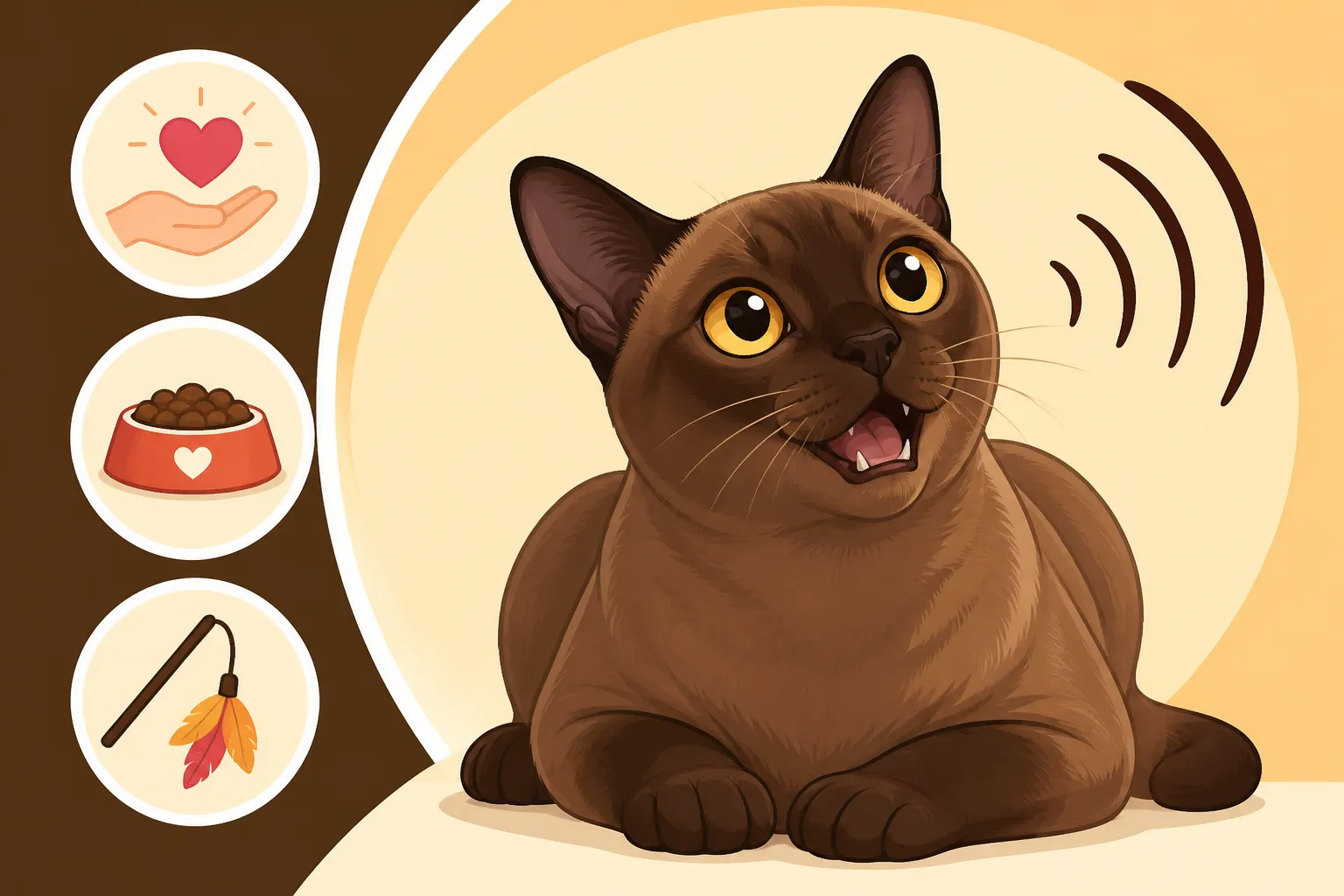
What a Burmese Is Asking For When It Rumbles
One of the most charming, yet sometimes perplexing, traits of the beloved Burmese cat is their distinctive vocal repertoire. Unlike the piercing yowl of a Siamese or the quiet murmur of many other breeds, the Burmese often communicates through a deep, rasping rumble, leaving many new owners wondering, "What on earth are they trying to tell me?" This guide will help you decode the rich language of your rumbling Burmese, offering insights into their needs and emotions.
The Unique Voice of the Burmese
When you first bring a Burmese into your home, you'll quickly realize that their voice is something truly special. It's not just a cute quirk; it's a fundamental part of who they are and how they interact with their world, and especially with you. This deep, resonant sound is often described as a "rasp" or a "gurgle," and it’s a far cry from the typical meow you might expect from a feline companion.
The Distinctive Burmese Rumble
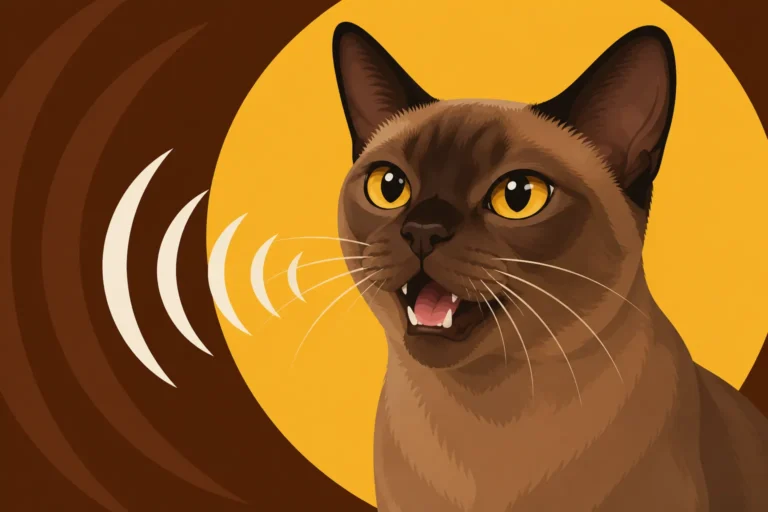
Imagine the sound of a contented purr, but amplified and with a distinctly throaty quality, almost like a tiny motor idling. That's the Burmese rumble in a nutshell. It's less of a sharp, declarative statement and more of a continuous, undulating stream of sound. Unlike many cats who use a variety of meows for different situations, a Burmese often defaults to this rumble for a wide range of communications. You might hear The Rasping Rumble a Burmese Uses Instead of a Meow the moment you walk through the door, when they jump onto your lap, or even when they're just observing you from across the room. It’s their signature tune, unmistakable once you’ve learned to recognize it.
This isn't just a volume difference from other cats; it's a tonal one. If you're used to the high-pitched, insistent calls of a Siamese, you'll notice that Why a Burmese Sounds Throatier Than a Siamese. Their vocal cords seem to be designed for this deeper, more resonant sound, which adds to their charm but can also make their messages a little more ambiguous at first. It’s part of their highly sociable nature, a constant commentary on their feelings and surroundings.
Why Burmese Use This Sound
The origins of the Burmese's unique vocalization are tied deeply to their affectionate and people-oriented personalities. These cats are incredibly social creatures, often described as "Velcro cats" because of their desire to be constantly with their humans. This strong bond translates into a need for constant communication. The rumble is a softer, less demanding sound than a loud meow, making it perfect for the continuous "conversations" they seek with their owners. It’s an invitation, a commentary, and an expression of their internal state, all rolled into one.
Think of it as their way of saying, "I'm here, I'm with you, and I have thoughts!" They thrive on interaction, and their rumble is an ever-present part of that. It’s believed that this continuous vocalization evolved as a way to maintain contact with their human companions, almost like a baby cooing to its parent. It reinforces the bond and keeps you engaged, making sure you know they're nearby and interested in whatever you're doing. It’s a very intimate sound, often reserved for their closest circle of trust, making it all the more special when directed at you.
Decoding the Rumble: Common Requests and Feelings
Understanding what your Burmese is asking for when it rumbles often comes down to context and observing their body language. While the sound itself is fairly consistent, the meaning can vary quite a bit. It’s like knowing a person's tone of voice – the words might be the same, but the underlying emotion changes everything.
"I Want Attention!"
This is perhaps the most common reason you'll hear that distinctive rumble. Burmese cats crave interaction, and they are not shy about letting you know when they feel neglected, even for a moment. A rumble accompanied by rubbing against your legs, weaving through your feet, or gently head-bunting your hand is almost certainly a plea for pets, cuddles, or just acknowledgment. They want to be involved in whatever you're doing, whether you're working, cooking, or relaxing.
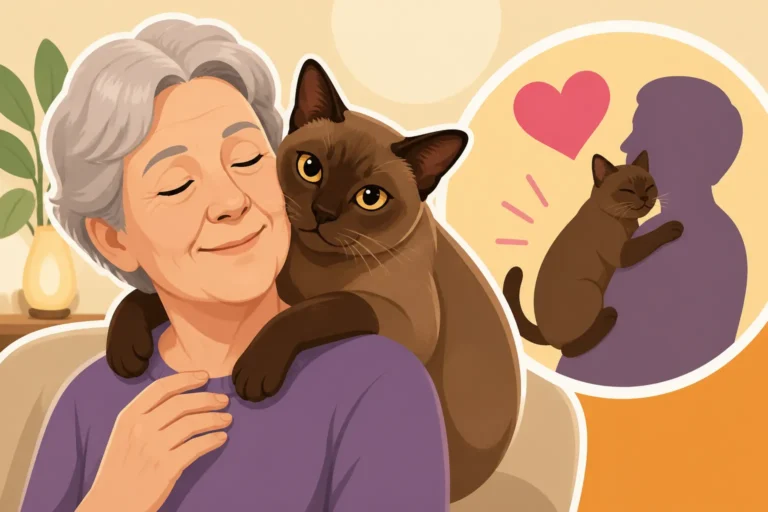
Sometimes, they’ll even jump onto your lap or shoulder, purring deeply as they settle in, their rumble a constant undertone. What a Burmese Wants When It Rumbles at You is often simply your presence and affection. They might follow you from room to room, a low rumble escorting your every move, making sure you know they're your devoted shadow. This isn't just about demanding; it’s about participating, being part of your world. If you ignore it, the rumbling might escalate slightly, or they might try other tactics like nudging your hand with their head.
"I'm Hungry/Thirsty!"
Meal times are prime opportunities for rumbling, and a Burmese is often highly food-motivated. If you hear a more insistent rumble, especially around their usual feeding schedule or when you head towards the kitchen, it's a pretty clear sign they're thinking about food. This rumble might be combined with looking pointedly at their food bowl, leading you to the kitchen, or even trying to jump onto the counter where their food is stored.
It's a rumbling anticipation, a sound of "Come on, let's get this show on the road!" This is often the time when the rumble might get a little louder, a bit more direct, a bit less subtle. It's still not a full-blown yell, but it definitely carries an edge of urgency. Sometimes, if they're particularly thirsty, they might rumble near their water bowl or even try to get your attention near a running faucet, especially if they prefer fresh, flowing water. Remembering Why a Burmese's Water Intake Is a Diabetes Warning can make paying attention to these cues even more important.
"I'm Happy and Content!"
Not all rumbling is a request; much of it is pure expression of joy and contentment. When your Burmese is curled up on your lap, purring so deeply you can feel the vibrations, that accompanying rumble is their declaration of utter bliss. It’s the sound of a cat completely at ease, feeling safe, loved, and warm. This rumble is usually softer, more sustained, and less varied in tone. It's pure, unadulterated happiness.
You’ll hear this when they’re snuggled under the covers with you, basking in a sunbeam, or simply observing the world from a comfortable perch. It’s their way of sharing their peaceful state with you, a quiet affirmation of their bond. This type of rumble often requires no action from you, other than to bask in the warmth of their affection. It's one of the most rewarding sounds a Burmese owner can hear, a testament to the strong connection you share.
"Play with Me!"
Burmese cats are known for their playful nature, which often persists well into their senior years. If you hear a rumble accompanied by playful pounces, batting at a dangling toy, or looking at you with bright, alert eyes, it's an invitation to a game. They might bring you a toy, drop it at your feet, and then rumble, waiting for you to engage. They are remarkably good at engaging their humans in play, often retrieving toys like a dog.
Their rumble might have a slightly different quality during play – perhaps a bit more excited, a little choppier, as they stalk and pounce. It's the soundtrack to their antics, a constant chatter of excitement. How Many Play Sessions a Burmese Asks For can be quite a few throughout the day, and their rumbling is often their primary way of initiating these fun interactions. Ignoring these invitations can lead to a bored or frustrated kitty, so pay attention to these playful overtures!
"Something's Not Right"
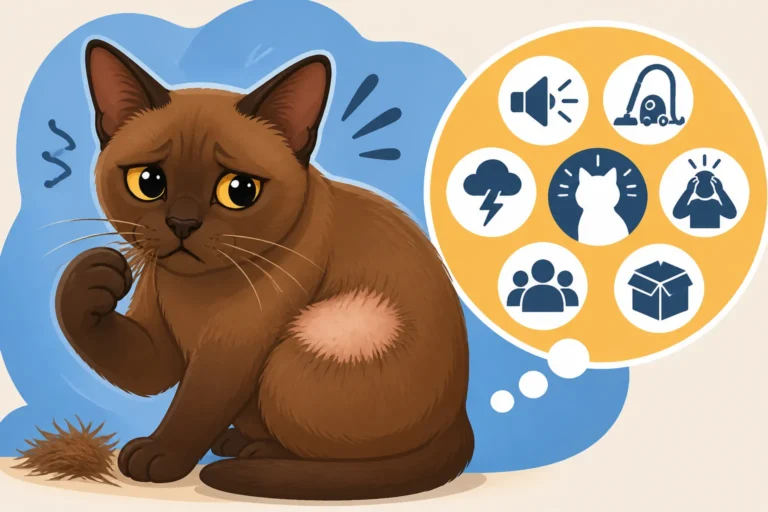
While most rumbling is positive or a simple request, a subtle change in its quality can sometimes indicate discomfort or anxiety. If your Burmese is rumbling but seems withdrawn, less interactive, or their body language suggests they are uneasy (e.g., hunched posture, flicking tail, hiding), this rumble could be a soft plea for help. Why a Burmese Hides Illness Behind Its Affection, and sometimes a muted or different sounding rumble is the only early clue you get.
This might be a soft, continuous rumble that doesn't seem to stop, even when they're not asking for anything specific. Or it might be a lower, more guttural sound than usual. Pay close attention to any other signs – a change in appetite, litter box habits, or a reluctance to move. A rumble that persists despite efforts to comfort them or meet their usual needs should warrant closer observation. Similarly, if Why a Burmese That Stops Following You Is Unwell, a lack of their usual vocal presence is also a red flag.
Responding to the Rumble: Actionable Steps for Owners
Now that you have a better idea of what your Burmese might be saying, let's talk about how to respond effectively. Building a strong communication channel with your cat is key to a happy home.
Observe Body Language and Context
The most crucial step in understanding your Burmese's rumble is always to look at the whole picture. The rumble is rarely an isolated signal. Is your cat rubbing against your legs? It’s probably attention. Is it leading you to the food bowl? Dinner time. Is it stretched out in a sunbeam, eyes half-closed? Contentment. Context is everything. Notice the subtle cues: the position of their ears, the flick of their tail, the directness of their gaze. A relaxed, upright tail with a slight curl usually signals happiness and engagement, whereas a tail tucked low or thrashing can indicate unease.
Consider the time of day and recent events. Did you just come home after a long day? Expect a greeting rumble. Is it ten minutes before their usual feeding time? The hunger rumble is probably on its way. This holistic approach will make you a master interpreter of your Burmese's unique communication style. Over time, you’ll develop an intuitive understanding, almost as if Whether a Burmese Answers Back When You Talk to It directly in plain English.
Establish Routines and Enrichment
Burmese cats thrive on routine and consistent interaction. Establishing predictable feeding times, play sessions, and cuddle moments can help reduce anxious rumbling that stems from uncertainty. If your cat knows when to expect food or playtime, they might rumble less frantically in anticipation. A consistent daily schedule provides comfort and security for these sensitive cats. Regular engagement also lessens the chances of What Separation Anxiety Looks Like in a Burmese, which can manifest in excessive vocalization.
Provide plenty of mental and physical enrichment. Interactive toys, puzzle feeders, and climbing structures can keep them engaged when you're busy. Brands like Amazon offer a vast array of engaging toys, from wand toys that mimic prey to automated laser pointers that can keep them entertained. A stimulating environment means a happier, less demanding Burmese. A tall cat tree near a window, for example, gives them an interesting vantage point and helps satisfy their climbing instincts.
When to Consult a Vet
While most rumbling is normal, any significant change in vocalization or behavior should always be noted. If your Burmese suddenly becomes much more vocal than usual, or if their rumble sounds different (e.g., hoarse, strained, or unusually quiet), and it's accompanied by other signs of illness like lethargy, appetite loss, or changes in litter box habits, it's time for a vet visit. Remember, Why a Burmese Hides Illness Behind Its Affection, so sometimes a subtle change in their rumble is the best indicator you have.
Similarly, if your cat is rumbling but appears uncomfortable, restless, or seems to be in pain (e.g., guarding a part of their body, limping, or avoiding touch), don't delay. A persistent, unexplained rumble could be a sign of a hidden medical issue. It's always better to be safe than sorry, and a professional can rule out any underlying health concerns.
Living with a Vocal Burmese: Embracing Their Unique Communication
Owning a Burmese means embracing their talkative nature. They aren't quiet, reserved cats; they are full of personality, and their voice is a huge part of that. Learning to appreciate and respond to their rumbling will deepen your bond and ensure a harmonious household.
The Joy of a Conversational Cat
Living with a Burmese is like having a constant, low-level conversation happening in your home. Their rumbling isn't just noise; it’s a continuous dialogue, a stream of consciousness that lets you know they're engaged, happy, and interested in you. Many Burmese owners find this constant vocalization incredibly endearing. It’s part of their charm, making them feel like an even more integrated member of the family. You'll quickly learn to distinguish the different nuances of their rumble, becoming attuned to their every mood and desire. How Many Times a Day a Burmese Rasps at You can feel like dozens, creating a lively atmosphere.
This isn't just about them demanding things; it’s about their desire for connection. They want to be involved, to share their experiences with you, and their rumble is their primary tool for doing so. It’s a sign of a deeply attached cat, one that considers you their most important companion. Embrace it as a unique aspect of the breed, a daily reminder of the special relationship you share.
Managing Excessive Rumbling: Strategies for a Balanced Household
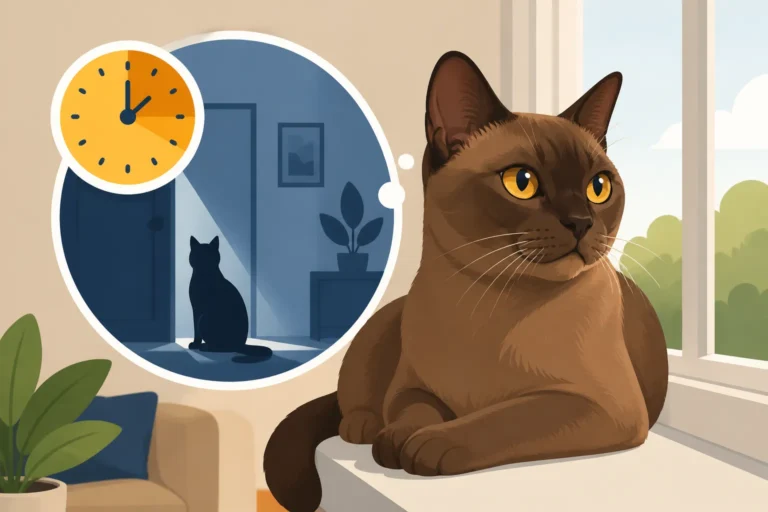
While the Burmese rumble is lovely, sometimes it can become a bit much, especially if it's constant or if it's disrupting your sleep. The key to managing excessive vocalization lies in addressing the root cause, rather than punishing the behavior. Often, an overly vocal Burmese is a lonely Burmese. These cats truly cannot be left alone for long periods. Why a Burmese Cannot Be Left Alone All Day is a crucial piece of knowledge for any potential owner. If you work long hours, considering a second cat for companionship, especially another Burmese or a similarly social breed, can work wonders.
Consistency is also vital. Avoid inadvertently reinforcing unwanted rumbling. If your cat rumbles incessantly at 3 AM for food, resist the urge to feed them immediately. Instead, feed them at a set time during the day. Provide engaging toys and enrichment, especially before you leave the house, to keep their minds occupied. Interactive toys from Amazon that dispense treats can provide hours of distraction. Ensure they have warm, comfortable sleeping spots, as Why a Short Coated Burmese Seeks Body Heat and might rumble if they're chilly. If all their needs are met, and they are still excessively vocal, consult your vet to rule out any underlying health issues or anxieties that might require professional intervention. Sometimes, simply redirecting their rumbling energy into playtime can be effective.
Table: Decoding Burmese Rumbles
| Rumble Type | Accompanying Body Language | Common Interpretation | Recommended Action |
|---|---|---|---|
| Greeting Rumble | Rubbing, head-bunting, tail held high | "Hello! I missed you!" | Acknowledge with pets, conversation, or play. |
| Demand Rumble | Leading to food bowl, staring at you, pawing lightly | "Feed me/play with me/pet me!" | Check food, offer a toy, or initiate a cuddle session. Observe context. |
| Content Rumble | Relaxed posture, purring, kneading, eyes half-closed | "I'm happy and comfortable." | Enjoy the moment! Continue petting if desired. |
| Play Rumble | Pouncing, batting at toys, alert eyes, swishing tail tip | "Let's play!" | Engage in interactive play with wand toys or retrieve games. |
| Anxious Rumble | Withdrawn, restless, hunched, hiding, subtle changes in routine | "I'm uncomfortable/worried." | Investigate environmental stressors, offer comfort, or consult a vet if persistent and other symptoms appear. |
This article is for general informational purposes only and does not constitute professional advice. Laws, prices and regulations vary by location and change over time. Consult a qualified professional for guidance on your specific situation.