How Many Times a Day a Burmese Rasps at You
One of the most charming, and sometimes bewildering, aspects of living with a Burmese cat is their incredibly distinctive voice. Unlike the piercing wail of a Siamese or the quiet chirp of many other breeds, the Burmese often communicates with a unique, throaty rasp or rumble. You might find yourself wondering, just how many times a day does this delightful sound echo through your home, and what on earth are they trying to tell you? This guide will dive deep into the fascinating vocal habits of the Burmese, helping you understand the frequency, context, and meaning behind their characteristic rasp.
The Unique Voice of the Burmese: A Constant Conversation
If you've spent any time with a Burmese, you know they're not shy about expressing themselves. Their vocal repertoire is rich and varied, but the rasp is truly their signature. It’s a sound that’s hard to ignore and even harder not to respond to, creating a constant, comforting backdrop to life with these incredibly social felines.
The Signature Rasp: More Than Just a Sound
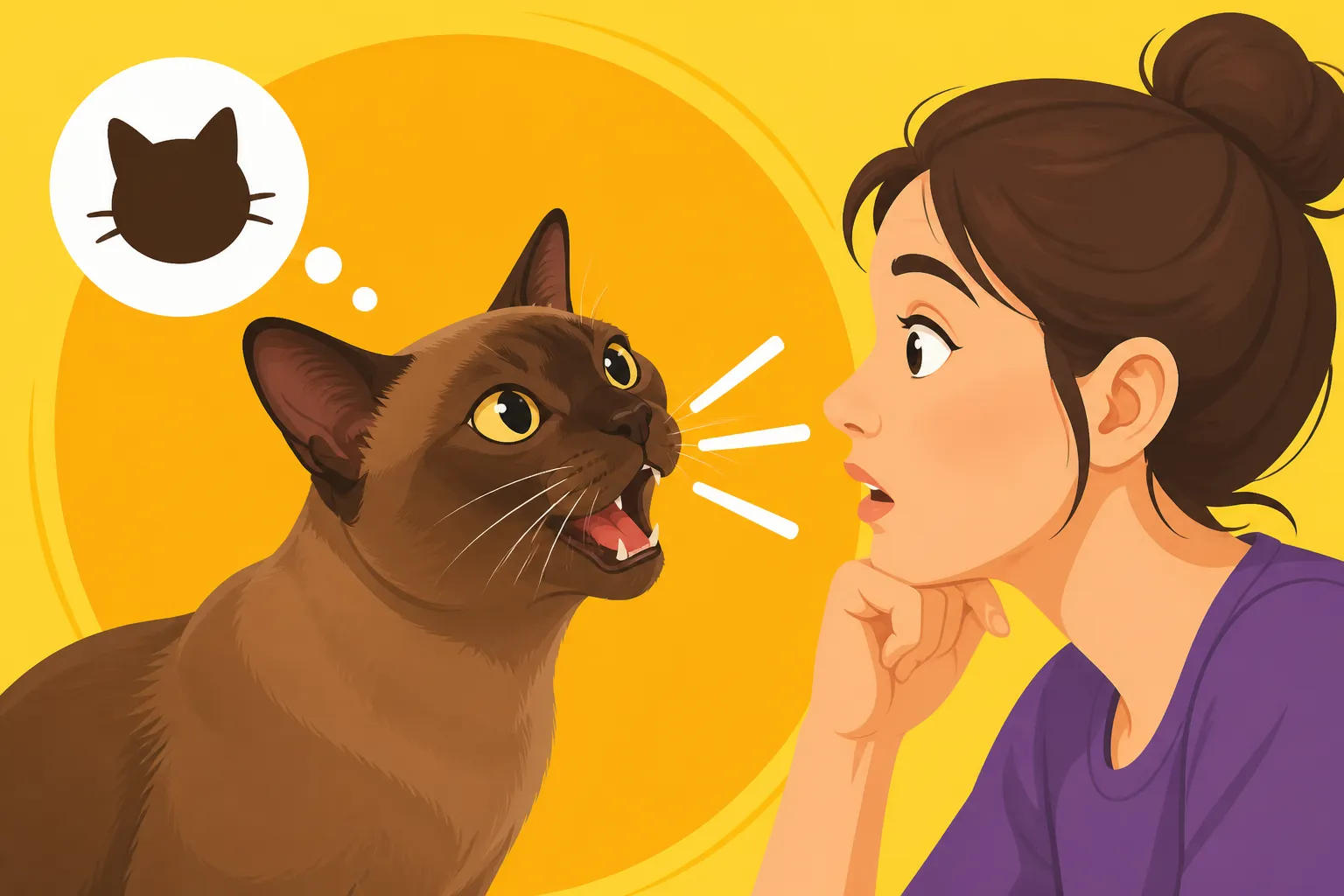
The Burmese rasp isn't your average cat meow. It's a low, guttural rumble that often sounds like a purr that decided to become a conversation. Imagine a tiny engine idling or a soft, rolling growl that quickly becomes an endearing demand. It's less a "meow" and more an intentional utterance, rich with inflections that seasoned Burmese owners quickly learn to differentiate. It's one of the first things people notice and fall in love with, or perhaps, learn to live with, when they bring a Burmese into their lives. What a Burmese's Rasping Voice Sounds Like will give you an even clearer picture, but suffice it to say, it's a sound that's entirely their own.
Many cat breeds are known for their vocalizations, but the Burmese stands out. While a Siamese might have a loud, insistent cry, the Burmese offers a more varied and nuanced vocal range, with the rasp being its most prominent feature. It’s as if they have bypassed the typical high-pitched cat call in favor of something more intimately conversational. This unique vocal characteristic is deeply intertwined with their highly affectionate and communicative nature.
Why Your Burmese Prefers a Rumble to a Meow
Why does a Burmese prefer this throatier sound over a conventional meow? It likely stems from their origins and their intensely people-oriented personalities. Burmese cats are often described as "dog-like" in their devotion, and their vocalizations reflect this constant desire for interaction. Why a Burmese Sounds Throatier Than a Siamese explores this in more detail, suggesting a different genetic and behavioral path in their vocal development. Their rumbles are often an invitation, a commentary, or a request, rather than just a simple noise.
Think of it like this: a conventional meow might be a general announcement, but a rasp feels like a direct address. It's a more personal sound, used for close-quarters communication, which makes perfect sense for a breed that thrives on being in constant physical and emotional contact with their humans. This low, vibrating sound can convey a wide range of emotions, from deep contentment to urgent need, and its subtlety often requires a human to lean in closer, which is exactly what a Burmese loves.
The Social Significance of Burmese Vocalizations
The Burmese is famously known as The Burmese Is the Velcro Cat of the Cat Fancy for a reason – they stick to you like glue. Their vocalizations, especially the rasp, are a key part of maintaining that connection. They use their voices to mark their presence, to engage you, and to ensure they are always part of whatever you are doing. If you've ever tried to work or read with a Burmese, you know that quiet concentration is a myth. They'll rasp to get on your lap, rasp to be petted, and rasp just to remind you they're there.
This constant communication isn't just for attention; it's a fundamental part of their social structure. In a multi-cat household, or even with a human family, the Burmese uses its voice to navigate interactions, establish proximity, and express its emotional state. It’s their way of participating in the household's "conversation," ensuring they are seen, heard, and acknowledged as a central member of the family unit.
Decoding the Daily Chatter: How Often Your Burmese Rasps
So, to answer the burning question: how many times a day does a Burmese rasp at you? There's no single magic number, but prepare yourself for frequent vocalizations. A Burmese isn't a silent observer; they are an active participant in your life, and their voice is their primary tool.
Common Triggers for the Burmese Rasp
You'll quickly learn the routine. The moment you stir in the morning, a rasp is likely to greet you, demanding breakfast and cuddles. When you walk in the door after work, expect a chorus of rumbles and rasps, a full debriefing of their day (or perhaps, a demand for yours). Meal times are, of course, prime rasping opportunities. Any movement towards the kitchen, any rustle of a food bag, or the sound of their food bowl being picked up will elicit an enthusiastic series of vocalizations. How Many Times a Day a Burmese Rasps at You can truly be "all the time" when these triggers are present.
Beyond food, attention is a huge trigger. If you're on the phone, working on your computer, or engrossed in a book, expect persistent rasps designed to break your concentration and redirect your focus to them. They will walk between you and your screen, bat at your hand, and then rasp insistently until you acknowledge their presence. Even the simple act of standing up and walking to another room can prompt a Burmese to offer a trailing rasp as they follow you, ensuring you know they are right behind you. Why No Door in the House Stops a Burmese hints at their persistent nature, which often includes a vocal component.
Individual Differences: Why Some Burmese Are Louder Than Others
Just like people, every Burmese cat has its own unique personality and vocal tendencies. Some Burmese are naturally more chatty and outgoing, while others might be a little more reserved. You could have one Burmese that offers a continuous stream of commentary throughout the day, rasping at shadows and birds outside the window, while another saves its most enthusiastic vocalizations for key moments like meal times or cuddle sessions. These individual differences are often established early in kittenhood and continue throughout their lives.
Factors like early socialization, the vocal habits of their parents, and even the general noise level of their home environment can all contribute to how vocal a Burmese becomes. A kitten raised in a bustling household with lots of interaction might develop into a very vocal adult, whereas one from a quieter home might be slightly less prone to constant chatter. However, regardless of individual predisposition, a Burmese is rarely a truly silent cat.
When the Rasp Becomes a Chorus: Peak Vocalization Times
There are definitely peak times when you can expect your Burmese to be at its most vocal. Early morning, as mentioned, is usually a lively period. They've had a long night (even if they were sleeping on your head), and they're ready for action. Evening, when the household settles down and everyone is home, is another common "chorus time." This is when they often demand lap time, engage in play, and generally want to be the center of attention.
If your Burmese is left alone for extended periods during the day, they might be particularly vocal when you return, making up for lost communication time. This isn't just excitement; it can also be a sign of separation anxiety. What Separation Anxiety Looks Like in a Burmese often includes increased vocalizations, frantic greetings, and a general clinginess upon your return. They're telling you, in no uncertain terms, how much they missed you and how much company they truly need. Why a Burmese Cannot Be Left Alone All Day is a critical piece of information for any potential owner, directly impacting their vocal output.
Here’s a quick overview of common rasp scenarios:
| Scenario | Typical Rasp Intensity | What Your Burmese Is Likely Saying | Common Time of Day |
|---|---|---|---|
| Greeting Human | Medium to High | "Welcome home! Where have you been? Pet me!" | Upon arrival, waking up |
| Demanding Food | High, insistent | "My bowl is empty! I'm starving!" | Meal times, kitchen activity |
| Seeking Cuddles/Lap | Soft, persistent | "Come closer. Pick me up. Pet me." | Anytime you sit still |
| During Playtime | Excited chirps & rumbles | "Catch me if you can! More, more!" | Play sessions, especially with wand toys |
| Trailing You Room to Room | Soft, conversational | "Just checking in. Still here." | Any time you move around the house |
| Unhappy/Displeased | Sharper, more urgent | "I don't like this. Change it." | Vet visits, sudden changes, being ignored |
Understanding What Your Burmese Is Trying to Convey
Beyond just the frequency, understanding the nuance of your Burmese's rasp is key to a deeper bond. Their vocalizations are rarely random noise; they are deliberate attempts to communicate their feelings, needs, and desires.
Rasps of Affection and Contentment
When your Burmese is curled up on your lap, purring like a miniature engine, and occasionally letting out a soft, vibrating rasp, they are expressing pure bliss. This is often accompanied by head-nuzzling, slow blinks, and kneading. This type of rasp is a sound of deep contentment and affection, a reassurance that they feel safe, loved, and happy in your presence. It’s their way of saying, "This is good. I love you." What a Burmese Wants When It Rumbles at You highlights this aspect of their vocal behavior, emphasizing the positive emotional connection.
You'll notice this particular rasp when they're settled close to you, perhaps even draped over your shoulder or tucked under the covers with you. It’s a low-frequency sound that vibrates through their little bodies and into yours, creating an incredibly intimate form of communication. It’s these moments that truly solidify the unique bond you share with a Burmese.
The Demand Rasp: When Your Burmese Needs Something Now
Then there's the demand rasp. This one is usually louder, more insistent, and often accompanied by direct eye contact, nudging, or even a gentle paw tap. If they’re hungry, it’s a non-negotiable rasp that says, "Feed me! Now!" If they want attention, it will escalate until you respond. This type of rasp won't stop until their perceived need is met. They are masters of persuasion, and their vocalizations are a key part of their strategy.
A common scenario for the demand rasp is when you're busy with something that doesn't involve them. They might sit patiently for a moment, then offer a soft rasp. If ignored, the rasp will become firmer, more frequent, and potentially accompanied by jumping onto your desk or shoulder. They are incredibly persistent, and their vocalizations are designed to wear down your resistance until you provide the desired interaction, whether that's petting, playing, or feeding.
Subtleties in the Sound: Reading the Emotional Cues
The beauty of the Burmese rasp is its surprising range. While it's always a rasp, the pitch, duration, and accompanying body language can tell you a lot. A soft, continuous rumble often indicates happiness. A short, sharp rasp might be a question or a mild complaint. A drawn-out, almost mournful rasp could signal loneliness or even discomfort. Learning these subtleties takes time and close observation, but it's incredibly rewarding.
For instance, if your Burmese is rasping more frequently and with a slightly worried tone, while also being less playful or showing a reduced appetite, it could be a sign that something is amiss. Why a Burmese's Appetite Goes When It Is Unhappy suggests a link between emotional state and physical well-being. A sudden change in vocal patterns, especially an increase in insistent, worried, or withdrawn rasps, should always prompt a closer look and potentially a vet visit. They are excellent at communicating, and we, as their guardians, must learn to listen.
Living with a Vocal Burmese: Embracing the Dialogue
Living with a Burmese means embracing their vocal nature. They are not quiet, decorative cats; they are interactive, communicative companions who want to be deeply involved in your life. Instead of trying to silence them, the goal is to understand and respond appropriately.
Fostering Healthy Communication Through Response
The best way to manage a vocal Burmese is to engage with them. Respond to their rasps with your own voice, pets, or play. This validates their communication and strengthens your bond. If they rasp for attention, give them a few minutes of dedicated petting or a quick play session. If they rasp for food, acknowledge them and prepare their meal. This teaches them that their voice is heard and that you are responsive to their needs.
However, it's also important to avoid inadvertently reinforcing excessive or undesirable vocalizations. For example, if your Burmese rasps incessantly for food an hour before mealtime, try to distract them with play or wait until the actual feeding time before rewarding the rasp with food. Consistency is key in helping them understand appropriate communication boundaries. Establishing a clear routine, which is explored in How Many Play Sessions a Burmese Asks For, can also help them anticipate interaction and reduce frantic vocal demands.
Addressing Excessive Rasping: When to Pay Closer Attention
While a vocal Burmese is normal, a sudden increase in the frequency or intensity of their rasping can sometimes be a red flag. If your cat suddenly becomes much louder or more persistent than usual, it’s worth investigating. Could they be in pain or discomfort? Are they feeling unwell? Older Burmese, for example, might become more vocal if they're experiencing cognitive decline or if their senses are fading. Why a Burmese That Stops Following You Is Unwell emphasizes that behavioral changes, including vocal ones, can indicate underlying health issues.
A vet check is always a good idea if you notice a significant, unexplained change in their vocal habits. Ruling out medical issues should be the first step. Once health concerns are excluded, you can then consider behavioral factors such as loneliness, boredom, or anxiety. A camera (you can find various pet cameras on Amazon) can be helpful here to observe their behavior when you're not home, giving you clues as to why they might be vocalizing excessively.
Enriching Their Environment to Channel Vocal Energy
Sometimes, excessive rasping can stem from boredom or a lack of mental stimulation. Burmese cats are intelligent and active, and they need engaging activities to keep them happy. Providing plenty of interactive toys, puzzle feeders, and opportunities for play can help channel their energy and reduce vocalizations driven by boredom. Think about things like wand toys, laser pointers, or even automated toys (many great options are available on Amazon) that can keep them occupied when you can't actively play.
Vertical space, like cat trees or shelves, also gives them interesting vantage points and places to explore. And remember, for a Burmese, the ultimate enrichment is often another Burmese! Many breeders recommend getting two Burmese kittens, as they will keep each other company, play together, and often reduce the intensity of their demands on their human companions. This is why Why Burmese Breeders Sell Them in Pairs is such common advice – two Burmese are often quieter and happier than one lonely one.
Ultimately, the rasping of a Burmese is one of their most endearing qualities. It’s a constant reminder of their affection, their intelligence, and their unwavering desire to be close to you. Embrace the chatter, learn to interpret their vocal cues, and enjoy the unique, ongoing conversation with your beloved Burmese.
Disclaimer
This article is for general informational purposes only and does not constitute professional advice. Laws, prices and regulations vary by location and change over time. Consult a qualified professional for guidance on your specific situation.