What a Burmese Does in Nine Hours With No Company
Oh, the guilt of leaving your sweet, chatty Burmese alone for a full nine-hour workday! It's a common dilemma for many loving cat parents, and if you've ever walked in the door to a slightly (or severely) rearranged home, a newly shredded roll of toilet paper, or a cat that simply will not leave your side for the next four hours, you already know the struggle is real. This guide is going to walk you through exactly what can happen when a Burmese is left with no company for such a long stretch, the signs to watch for, and most importantly, how to make those hours more bearable for your incredibly social feline companion.
Understanding the Burmese Need for Company
Let's be honest, the Burmese isn't just "a cat." They're a whole different ballgame. These are not your aloof, independent felines who tolerate your presence. The Burmese thrives on interaction, companionship, and being an integral part of your life. They truly are "dogs in a cat's body," as many enthusiasts affectionately call them, demanding attention in ways other breeds might not.
The Velcro Cat Persona: Why They Crave Interaction
If you've spent any time with a Burmese, you'll instantly recognize the "Velcro cat" description. They stick to you. They follow you from room to room. They're convinced the bathroom door is a personal affront to their need for constant supervision of your activities. This isn't just a cute quirk; it's deeply ingrained in their personality. They genuinely form strong bonds with their human family, often singling out one or two individuals as their primary attachment figures, but truly loving everyone in the household, including other pets.
This intense need for connection means that being left alone isn't just a minor inconvenience for them; it can be a source of genuine distress. Imagine spending your entire day feeling like your best friend, your entire world, has vanished. That's a bit like what a Burmese experiences. They crave not just physical proximity but active engagement – play, conversation, lap time, shoulder rides. These aren't optional extras for a Burmese; they're fundamental to their emotional well-being. This is why you'll often hear us veteran owners say that The Burmese Is the Velcro Cat of the Cat Fancy.
The Roots of Their Affection: Historical Context and Breed Traits
The Burmese breed was literally built around its incredible temperament. When Dr. Joseph Thompson brought Wong Mau, the foundational Burmese, to America in the 1930s, her unique personality was as striking as her stunning dark brown coat. She was exceptionally friendly, outgoing, and utterly devoted. Breeders consciously selected for these traits, ensuring that the Burmese we know and love today inherited that deep-seated need for companionship. This isn't a behavior learned entirely from their environment; it's part of their genetic makeup.
They are incredibly intelligent, curious, and often described as having an almost dog-like loyalty. They want to be involved in everything you do, from helping you read the newspaper (by sitting on it) to supervising your cooking (from the counter, if you let them). Their keen minds and affectionate nature mean they thrive on mental and emotional stimulation that only interaction with their chosen family can provide. Without this, their sharp minds can turn to less desirable, self-soothing behaviors or simply become overwhelmingly bored and anxious.
What Nine Hours Alone Can Look Like
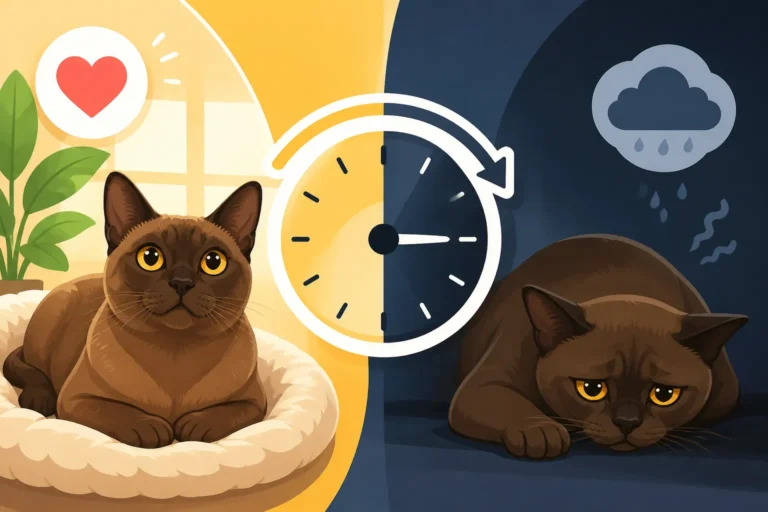
Nine hours is a significant chunk of time in a cat's day, especially for a breed as social as the Burmese. While some cats might simply nap through most of it, a Burmese is more likely to experience a range of emotions and behaviors, from mild boredom to significant distress. It's crucial for owners to recognize these signs, as they're not just "being naughty" but communicating their unhappiness.
Common Signs of Distress and Boredom
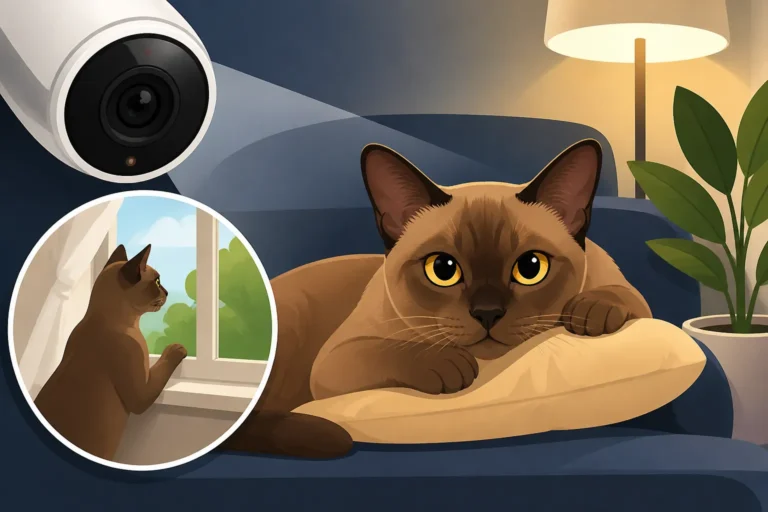
When a Burmese is left alone for nine hours, the initial period might be spent pacing, looking out windows, or trying to find you. As the hours drag on, true boredom and potential anxiety can set in. You might notice subtle shifts in their behavior when you return. One common sign is excessive vocalization. While Burmese cats are known for their distinctive "rasping rumble" rather than a loud meow, a lonely Burmese might become more insistent or vocal, sometimes crying or howling in a way that’s uncharacteristic of their usual greetings. They're trying to tell you how much they missed you.
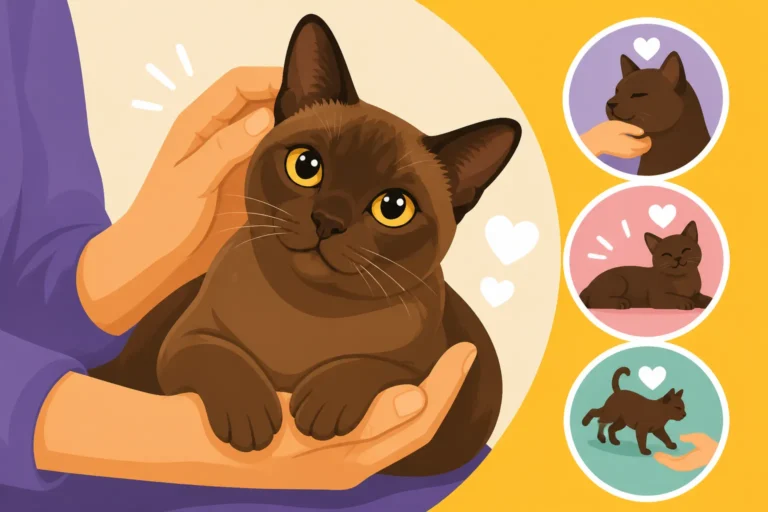
Another subtle cue can be an immediate, almost frantic need for physical contact the moment you walk through the door. While all Burmese are affectionate, one that’s been lonely for nine hours might be absolutely glued to you, refusing to let you out of sight for the rest of the evening. They might follow you even more closely, rubbing against your legs relentlessly, jumping onto your shoulder as soon as you sit down, or burrowing under the duvet with an intensity that goes beyond their normal cuddly nature. This isn't just happiness; it's relief mixed with a strong desire to make up for lost time. You can learn more about how deeply this affects them in How Many Hours Before a Burmese Starts to Suffer.
| Sign of Distress/Boredom | Description | What it Looks Like |
|---|---|---|
| Excessive Vocalization | More frequent, louder, or mournful than usual purrs/rasps. | Coming home to a cat that immediately starts "talking" at you loudly, or neighbors reporting cries during the day. |
| Over-Attachment | Clinginess beyond typical Burmese affection. | Immediately jumping onto your shoulder, refusing to leave your lap, following you to the bathroom, or getting under the covers with you the moment you sit down. |
| Inappropriate Elimination | Urinating or defecating outside the litter box. | Finding puddles or piles in unusual spots, often in protest or due to anxiety, not medical issues. |
| Destructive Chewing/Scratching | Targeting furniture, fabrics, or items not typically bothered. | Shredded toilet paper, torn curtains, gnawed remote controls, or new claw marks on doorframes. |
| Over-Grooming | Licking or pulling out fur, creating bald patches. | Noticeable bald spots, especially on flanks, belly, or legs, often appearing gradually over weeks or months. |
| Loss of Appetite | Refusing to eat their regular meal until you return. | Food left untouched in the bowl, or only nibbled at, especially wet food they usually adore. |
| Increased Sleep | While cats sleep a lot, excessive lethargy might hide depression. | A cat that seems to do nothing but sleep, even when you are home, indicating a lack of engaging activity during the day. |
The Risk of Destructive Behavior
When a Burmese is bored and anxious, their intelligent minds will find ways to occupy themselves, and unfortunately, these are often not behaviors you’ll appreciate. This is where the infamous "toilet paper shredder" or "curtain climber" persona can emerge. A bored Burmese might systematically explore every cupboard, knock items off shelves, or even try to open doors and drawers. They're not doing it to spite you; they're simply seeking stimulation.
You might come home to find cushions pulled off the couch, small items scattered across the floor, or plants knocked over. Fabric chewing is another common outlet for anxiety and boredom. This can range from harmlessly mouthing blankets to actually Why a Lonely Burmese Pulls Its Satin Coat Out, sometimes to the point of ingesting fabric, which can be dangerous. They might chew on wires, dig in houseplants, or meticulously unravel a roll of toilet paper across the house. These behaviors are a cry for help, a clear indication that their environment isn't providing the mental and physical engagement they desperately need. For more insight into these destructive tendencies, you might want to read What a Burmese Does to a House It Is Left In.
Physical Manifestations of Anxiety
Beyond the visible destruction, chronic loneliness and anxiety can take a toll on a Burmese's physical health. Excessive grooming, or over-grooming, is a classic sign of stress in cats. A lonely Burmese might lick or chew at its fur, sometimes to the point of creating bald patches, often on the belly, inner thighs, or flanks. This isn't due to fleas or skin irritation; it's a self-soothing mechanism that goes into overdrive. If you suspect this, a vet visit is always warranted to rule out medical causes, but often, the solution lies in addressing their emotional needs.
Changes in appetite can also signal distress. While a Burmese is generally a very food-motivated cat, an anxious one might actually refuse to eat until their human returns, or only pick at their food. Conversely, some cats might overeat out of boredom. Urinary tract issues, while often having medical causes, can also be exacerbated by stress. Inappropriate elimination – urinating or defecating outside the litter box – can be a significant indicator of stress or a protest against being left alone, particularly if the litter box is clean and there are no underlying health issues. A Burmese might also become more susceptible to minor illnesses or have a dulled coat as their overall stress levels increase. You can often see What Separation Anxiety Looks Like in a Burmese by observing these patterns.
Strategies to Mitigate Loneliness and Boredom
It's clear that leaving a Burmese alone for extended periods isn't ideal, but for many of us, it's an unavoidable reality of modern life. The good news is there are many proactive steps you can take to make those nine hours much more tolerable for your beloved companion, focusing on both environmental enrichment and direct companionship.
Enriching the Environment: Toys, Climbing, Views
Creating an engaging and stimulating environment is paramount for a Burmese left alone. Think vertical space! Burmese cats love to climb, survey their domain from on high, and feel secure. Tall cat trees, shelves mounted on walls, or even secure window perches can provide endless entertainment and exercise. These allow them to explore, jump, and observe the world outside, which can be surprisingly stimulating. Consider placing a bird feeder outside a window that has a cat perch, giving them live "cat TV" to watch.
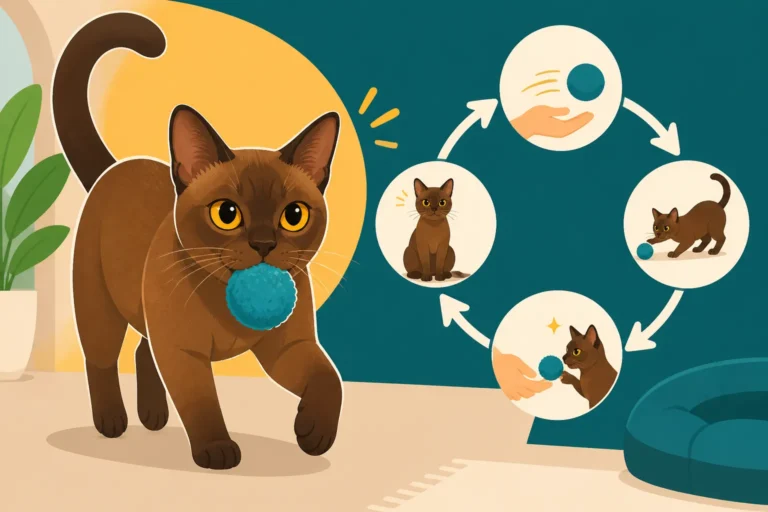
Interactive toys are also a must. While they can't replace human interaction, certain toys can keep a Burmese's sharp mind occupied. Puzzle feeders, for example, require your cat to work for their treats or kibble, engaging their problem-solving skills and slowing down their eating. You can find excellent options on Amazon. Automated laser pointers or feather wands that move on their own can provide bursts of fun. Even simple crinkle balls or toys filled with catnip can offer temporary distraction. Rotate toys regularly to keep things fresh and interesting. You can also explore Which Toys Keep a Burmese Busy When You Are Out to find the best fit.
The Power of a Companion: Why Two Are Often Better Than One
This is arguably the most impactful solution for a Burmese who must endure long hours alone: getting a second cat. Burmese cats are so profoundly social that they often thrive in pairs. Another feline companion, especially another Burmese or a similarly social breed, can provide constant companionship, play, and mutual grooming that no amount of human attention or toys can fully replicate. They can chase each other, wrestle, groom one another, and nap together, alleviating much of the loneliness and anxiety.
Many Burmese breeders strongly recommend adopting two kittens together, precisely because they understand the breed's deep need for social interaction. Having a friend means those nine hours aren't spent in solitude, but in shared activity and comfort. It's truly amazing to see the transformation in a lonely Burmese once a suitable companion is introduced. The destructive behaviors often cease, the excessive vocalization calms, and they become more relaxed and content. For many owners, the cost and effort of a second cat are well worth the peace of mind and the visible happiness of their pets. It's often said that Why Two Burmese Cost Less Than One Anxious One.
Human Interaction Before and After: Making the Most of Your Time
Even with a companion and an enriched environment, your direct human interaction remains incredibly important to your Burmese. Make the most of the time you do have with them. Before you leave for work, dedicate at least 15-20 minutes to active play. Use a wand toy to get them running, jumping, and expending energy. This isn't just physical exercise; it's a bonding experience and a mental workout. A tired cat is often a more content cat, more likely to settle down for a nap after you leave.
When you return home, your first priority should be your Burmese (after perhaps dropping your bags). Greet them warmly, engage in some affectionate petting, and then dive into another play session. This helps them feel acknowledged and loved. Schedule regular cuddle times in the evenings. Talk to them, let them sit on your lap while you watch TV or read. Your presence and attention are their most cherished resources. Even simple things like leaving on a radio or a TV tuned to a talk show can provide some auditory stimulation and a sense of "company" while you're away. You can find cat-specific music or calming sounds on platforms like Amazon Music.
Long-Term Impact and Considerations
While we've discussed immediate signs and mitigation strategies, it's also important to consider the long-term implications of a consistent nine-hour absence for a Burmese and to honestly evaluate if this breed is the right fit for your lifestyle.
When "Alone Time" Becomes a Lifestyle: The Cumulative Effect
A single nine-hour stretch might be manageable with the right interventions, but when this becomes the daily norm, five days a week, week after week, the cumulative effect on a Burmese can be significant. Chronic, low-level stress and boredom can lead to persistent anxiety, behavioral problems that are harder to correct, and even impact their physical health over time. They might develop ingrained habits like over-grooming or destructive chewing that continue even when you are home.
The bond you share might also suffer. While a Burmese will always love you, a cat that constantly feels neglected, even unintentionally, might become more demanding, attention-seeking in negative ways, or even a bit withdrawn. Their joyful, outgoing nature can become subdued. It's a heavy thought, but it's important to understand that a Burmese thrives on consistency and companionship, and a continuous lack of it can erode their natural happiness and zest for life. This is why some breeders will ask detailed questions about your working hours, as discussed in Whether a Burmese Breeder Should Ask About Your Working Hours.
Re-evaluating Your Schedule: Is a Burmese the Right Fit?
If, after trying various strategies, your Burmese continues to show signs of distress from being left alone for nine hours daily, it might be time for a serious re-evaluation. Are there ways to adjust your schedule? Could a pet sitter come in for an hour mid-day to provide a break and some interaction? Could you adjust your work hours to be home earlier, even a couple of days a week?
For some people, especially those living alone and working long hours, the reality might be that a Burmese, or even two Burmese, may not be the ideal choice of companion. It's a tough truth, but one born out of love for the animal. This breed truly needs more active, consistent human (or feline) company than many others. If your lifestyle truly cannot accommodate their social needs, it's a kindness to acknowledge that and perhaps consider a different breed with a more independent temperament, or even reconsider cat ownership until your circumstances change. The goal is always to provide a happy, healthy, and enriching life for your pet, and for a Burmese, that fundamentally includes plenty of company. Many owners come to realize that Why a Burmese Should Never Be an Only Cat is less a recommendation and more a necessity for their well-being.
Disclaimer
This article is for general informational purposes only and does not constitute professional advice. Laws, prices and regulations vary by location and change over time. Consult a qualified professional for guidance on your specific situation.