Whether a Burmese Should Be Bought as a Pair
The question of whether to bring one or two Burmese kittens home is a common dilemma, and it often stems from a fundamental misunderstanding of this breed's unique personality. Many new owners dream of a single, devoted companion, only to find themselves grappling with a cat exhibiting signs of profound loneliness or anxiety. This guide aims to shed light on the Burmese's intense social needs and explore why, for the well-being of both the cat and its human family, a pair is almost always the superior choice, as well as offering strategies if a single cat truly must be your path.
The Burmese Need for Constant Companionship
If you've ever spent time with a Burmese, you know they aren't your typical aloof feline. These cats are often described as "dog-like" in their devotion, and it's not an exaggeration. They crave interaction, following you from room to room, engaging in conversations, and generally inserting themselves into every aspect of your life. This isn't just a quirky trait; it's a fundamental part of their genetic makeup and temperament. When this need isn't met, they don't just get a bit bored; they can genuinely suffer.
Why a Burmese Attaches So Deeply to Its People
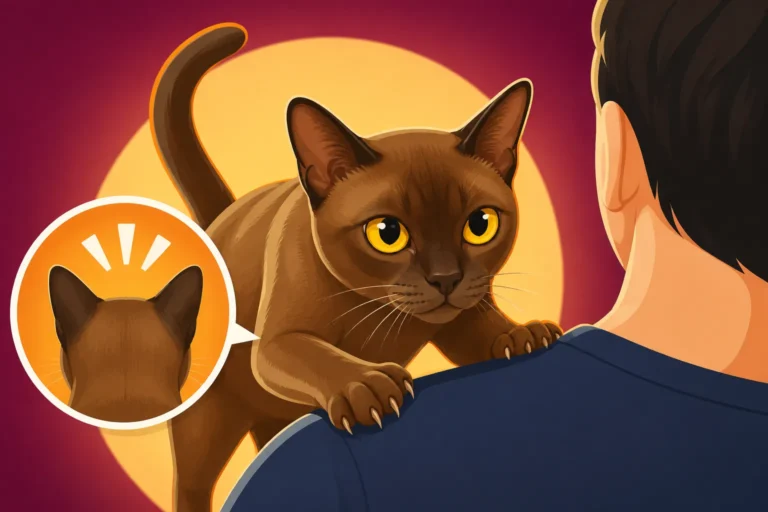
Burmese cats are renowned for being The Burmese Is the Velcro Cat of the Cat Fancy. They thrive on companionship, forming incredibly strong bonds not just with one person, but often with an entire household. Imagine coming home, and instead of a subtle rub against your leg, you're greeted by a cat that leaps onto your shoulder, purring a rumbling symphony right into your ear, refusing to be put down as you move about your evening. This isn't clinginess in an annoying way, but rather an intense expression of affection and their deep need to be part of your world. They genuinely want to be involved in whatever you're doing, whether it's watching TV, cooking dinner, or even trying to get some work done. This constant desire for proximity and interaction means they struggle profoundly with solitude. Their entire emotional architecture is built around shared space and consistent engagement, which is why a quiet, empty house quickly becomes a source of distress for them.
The Vocalizations and Body Language of a Lonely Burmese
A lonely Burmese cat often expresses its distress in ways that can be alarming or, at the very least, confusing to an owner. They rarely suffer in silence. Instead, you might notice an escalation in their vocalizations, going beyond their typical "rasping rumble" to a more insistent, sometimes mournful cry that seeks out attention. When you return home, they might greet you with an almost frantic energy, circling your legs, jumping up repeatedly, and refusing to settle even after a cuddle. This isn't just excitement; it's an outpouring of pent-up emotional need.
Beyond vocalizations, their body language can also signal distress. They might appear restless, pacing frequently, or constantly searching for you if you're in another room. You might find them sleeping less soundly, or exhibiting destructive behaviors that seem out of character. For instance, a Burmese might start scratching furniture more aggressively, not out of malice, but as an outlet for their anxiety. They're trying to communicate their unhappiness, and it's vital for owners to understand these signals are not just "bad behavior" but cries for more engagement and company.
Beyond Simple Boredom: Understanding Separation Anxiety
While any cat can experience boredom, a Burmese can develop genuine What Separation Anxiety Looks Like in a Burmese. This isn't merely about having nothing to do; it's a deep-seated fear of being alone, leading to significant stress and potentially health issues. When left alone for extended periods, perhaps more than How Many Hours Alone a Burmese Tolerates, a Burmese might start displaying a range of behaviors that are distressing for both the cat and the owner. This could manifest as excessive grooming, where they lick their fur obsessively to self-soothe, sometimes to the point of creating bald patches. They might also engage in fabric chewing, gnawing on blankets, clothing, or even your favorite throw pillows as a nervous habit.
Another common symptom is inappropriate urination or defecation outside the litter box, especially on items that smell strongly of their absent owner, like your side of the bed or a favorite sweater. This isn't spite; it's an expression of extreme anxiety and a desperate attempt to feel connected to you. In severe cases, a lonely Burmese might become withdrawn, losing their appetite, or developing stress-induced physical ailments. It's a heartbreaking situation to witness, and it highlights just how crucial constant companionship is for this highly social breed. You might come home to discover What a Burmese Does to a House It Is Left In, leaving you wondering what went wrong.
The Benefits of a Burmese Pair
Given their profound social needs, it's no surprise that Burmese breeders often recommend acquiring kittens in pairs. This isn't just about selling more cats; it's a practice rooted in generations of understanding what makes these cats truly happy and well-adjusted. The advantages of bringing home two Burmese cats are numerous, creating a richer, more fulfilling life for the cats and a more peaceful home for you.
Companionship That Lasts All Day
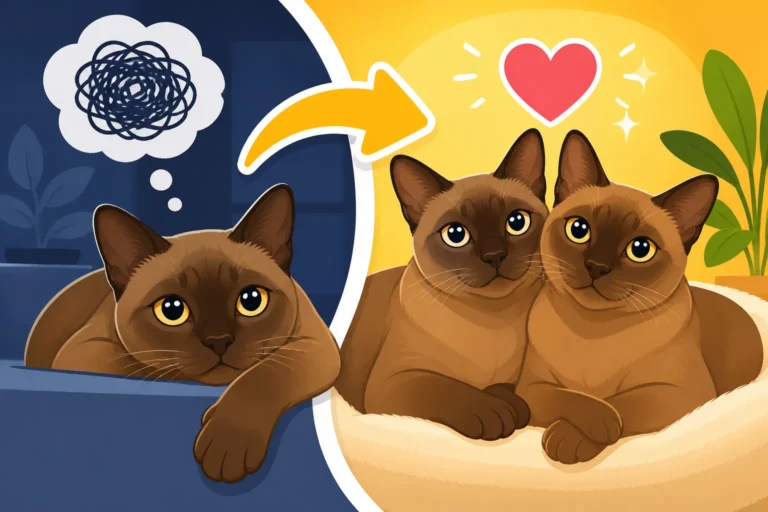
When you adopt two Burmese cats, especially siblings or a well-matched pair, you are providing them with built-in, constant companionship. They can play together, nap together, and groom each other, fulfilling their intrinsic need for social interaction even when you're not available. Think about your workday: instead of a single Burmese pining at the window or pacing anxiously, two Burmese cats are likely curled up together on a Why a Burmese Sleeps Against Another Cat pile of blankets from Amazon, chasing each other through the house, or engaging in a spirited game of chase.
This peer interaction is invaluable because it provides a form of companionship that humans simply cannot replicate entirely. While you can offer love and attention, another cat speaks their language, understands their subtle cues, and engages in species-specific play that truly satisfies their instincts. This drastically reduces the likelihood of boredom and the development of anxiety-driven behaviors, ensuring your cats are emotionally secure and content throughout the day. It also means that when you return home, your cats are greeting you out of genuine affection, not desperate, pent-up need. Why Two Burmese Settle Each Other is because they provide that constant, consistent presence for each other.
Enhanced Social Development and Play
Kittens, much like human children, learn crucial social skills through interaction with their peers. When a Burmese kitten grows up with a sibling or another compatible young cat, they learn boundaries, appropriate play behavior, and how to communicate effectively. This leads to a more well-rounded, confident, and polite adult cat. They learn bite inhibition during playful wrestling matches, understand when another cat wants space, and develop a rich repertoire of social cues.
A pair of Burmese cats will often engage in elaborate play sessions that solo cats simply can't experience. They'll chase, pounce, stalk, and wrestle, burning off energy and satisfying their natural hunting instincts in a safe, engaging way. Watching them interact can be incredibly entertaining and heartwarming. This isn't just about fun; it's critical for their physical and mental health, keeping them active, stimulated, and mentally sharp. You'll likely see them invent games with simple toys, or even with just each other, that are far more intricate than anything a single cat could manage alone. You'll never have to worry about a lack of entertainment or exercise for them when they have a playmate.
Reducing Destructive Behaviors and Stress
A common lament from owners of single, lonely Burmese cats is the emergence of destructive behaviors. These aren't intentional acts of defiance but rather outlets for stress and anxiety. A cat that's pulling its fur out, destroying furniture, or marking territory inappropriately is a stressed cat. By providing a constant companion, you dramatically reduce the triggers for these behaviors. The presence of another cat provides comfort, distraction, and an appropriate outlet for their energy and social needs.
Imagine the difference: a single Burmese might chew on electrical cords out of anxiety, or Why an Anxious Burmese Pulls Its Own Fur Out to the point of creating hot spots. A pair, however, is more likely to be found curled up together, grooming each other, or engaged in a harmless wrestling match. This doesn't mean you won't need to provide plenty of appropriate scratching posts and toys – a puzzle feeder from Amazon can still be a great way to keep them engaged – but the fundamental source of their anxiety, loneliness, is addressed. The reduction in stress translates directly into a healthier, happier cat and a much more harmonious home environment for everyone. It's often said that Why Two Burmese Cost Less Than One Anxious One in the long run, simply due to fewer vet bills related to stress-induced issues or damage to your home.
Practical Considerations for Adopting Two Burmese Cats
Deciding to welcome two Burmese cats into your home is a fantastic decision, but it does come with some practical considerations. It's not simply doubling everything; it's about understanding how to set them up for success from the very beginning.
Doubling Up on Essentials (and Love)
When planning for two cats, it's wise to assume you'll need at least two of most things, and sometimes even more. This isn't just a matter of having enough, but ensuring each cat has its own resources to prevent competition and stress. For instance, while they might share food bowls happily, having separate litter boxes is crucial. The general rule of thumb is one litter box per cat, plus one extra, so for two Burmese, you'd want at least three. Place them in different, quiet locations around your home. Food and water bowls should also be separate, even if placed side-by-side, allowing each cat to eat at its own pace without feeling threatened.
Beyond the basics, consider vertical space. Cats love to climb and perch, and having multiple cat trees or wall-mounted shelves ensures both cats have their own high-up retreats. Beds and hiding spots are also important; while they might often cuddle together, they should also have the option for individual solitude when desired. You'll also want to double up on toys, ensuring there are enough interactive toys, wand toys (easily found on Amazon), and puzzle feeders to keep both stimulated without fighting over favorites. The initial outlay might be a bit more, but the long-term benefits for their well-being are immeasurable.
Choosing the Right Pair or Introducing a Second Cat
The ideal scenario is often to adopt two kittens from the same litter. They've grown up together, established their social hierarchy, and already share a bond. Many reputable Burmese breeders will actively encourage this, as they understand Why Burmese Breeders Sell Them in Pairs. If you're looking at older cats, try to find a bonded pair who are already accustomed to each other's company.
However, if you already have a single Burmese and realize they're struggling, introducing a second cat can be a positive step. This process requires patience and careful planning. You can't just throw them together and expect immediate friendship. A slow, gradual introduction, starting with scent swapping and separated feeding, is key. Give them separate safe spaces initially, allowing them to acclimate to each other's presence without direct confrontation. The goal is positive association, often achieved through shared meal times or play sessions (with a long wand toy, for example, also available on Amazon), gradually increasing their proximity. It's important to choose a second cat that is known to be sociable and tolerant, as a reserved cat might find the enthusiastic Burmese overwhelming. Which Cats Are Sociable Enough for a Burmese typically includes other highly social breeds or even confident, friendly domestic shorthairs.
Long-Term Well-being and Costs
While the initial cost of two kittens might be higher than one, and the ongoing food and litter expenses will naturally be doubled, consider it an investment in their long-term health and happiness. A well-adjusted, socially fulfilled Burmese is less likely to develop stress-related health issues that can lead to costly vet visits. Think about the potential for behavioral issues like anxiety-induced dermatitis, urinary tract infections, or the damage a frustrated cat can inflict on your home. What a Burmese Costs Over Sixteen Years is a significant sum, and avoiding complications due to loneliness can certainly help manage those costs.
Moreover, the joy of watching two Burmese interact, play, and cuddle is priceless. Their antics will provide endless entertainment and comfort. While you'll still need to dedicate time to individual interaction and play with each cat, having a built-in companion ensures they are never truly alone. This contributes to a healthier, more active lifestyle for them, potentially even extending their lifespan by reducing chronic stress. The initial effort and financial commitment for two cats are richly rewarded with a pair of thriving, affectionate companions who enhance your home with their vibrant personalities.
What If a Pair Isn't an Option? Mitigating Loneliness
We understand that sometimes, bringing two cats into your home simply isn't feasible, whether due to space, finances, or existing pets. While a pair is undeniably the ideal for a Burmese, it doesn't mean you can't strive to provide a good life for a single one. It just means you'll need to be exceptionally committed to providing extensive human interaction and enrichment.
Maximizing Interaction When You Are Home
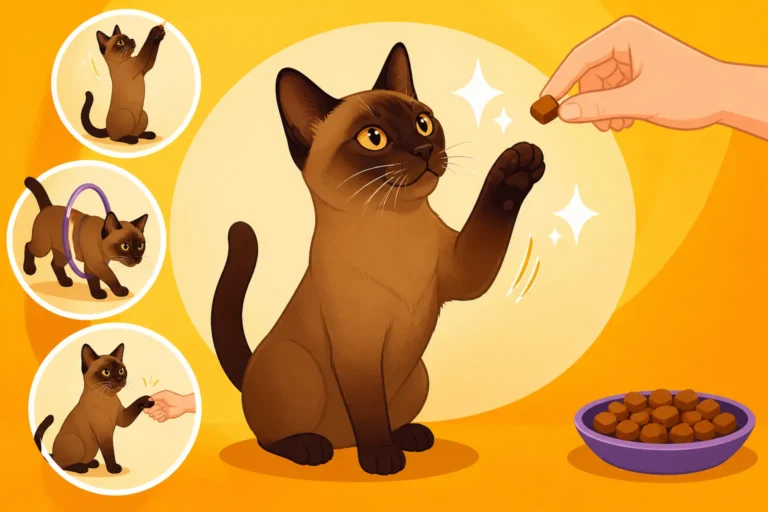
If your Burmese is going to be an only cat, your commitment to direct, consistent interaction with them becomes paramount. This means making time every single day for dedicated play sessions, not just casual petting. Aim for at least 30-60 minutes of interactive play, using wand toys or retrieve games, to burn off energy and fulfill their need for engagement. Burmese cats are highly intelligent and love to learn tricks, so clicker training for simple commands can also provide mental stimulation and deepen your bond.
Furthermore, wherever you are in the house, invite your Burmese to be there too. Let them ride on your shoulder, sit on your lap while you work, or follow you into different rooms. The goal is to minimize the amount of time they perceive themselves as truly alone, even if you're merely in the next room. They genuinely value your presence, even if it's just being in the same space. Consider investing in a cat backpack or stroller (many good options on Amazon) if you like to walk, allowing them to safely join you for outdoor adventures and experience new sights and smells without the dangers of free-roaming.
Enrichment Strategies for a Single Burmese
Beyond direct interaction, creating an enriched environment is crucial for a single Burmese. This means providing a variety of toys and activities that can keep them mentally stimulated when you're not actively playing with them. Puzzle feeders are excellent for this, as they make your cat "work" for their food, slowing down meal times and engaging their problem-solving skills. Rotate toys frequently to keep things interesting; what was ignored last week might be fascinating this week.
Vertical space is also vital. Multiple cat trees, shelves, or even a window perch can provide lookout points and opportunities for climbing, satisfying their natural instincts. Consider installing a bird feeder outside a window where your cat can safely watch the activity, providing hours of passive entertainment. Some owners also find success with Feliway diffusers to help reduce stress, or playing calm music or nature sounds when they are away, to fill the silence. While these strategies are helpful, remember they are supplements, not substitutes, for genuine companionship. Making a Room Bearable for a Burmese Left Alone requires a multi-pronged approach and a deep understanding of their needs.
The Role of Other Pets in a Burmese's Life
If another Burmese cat isn't an option, you might consider other pets, but proceed with caution and careful selection. A dog, for instance, can sometimes provide a level of companionship for a Burmese, especially if it's a calm, cat-friendly breed that enjoys resting with the cat. Many Burmese will happily snuggle with a tolerant canine companion. However, not all dogs are suitable, and an overly playful or aggressive dog could cause more stress than comfort. Introductions must be supervised and gradual.
Other small pets, like birds or hamsters, generally won't fulfill the Burmese's deep need for interactive companionship, and could even become a source of stress if the Burmese views them as prey. Ultimately, while a well-matched dog can sometimes provide a measure of company, nothing truly replaces the companionship of another cat, especially another Burmese, who understands and mirrors their unique social needs. The decision to bring a single Burmese into a home must come with the unwavering commitment to be their primary, constant source of affection, play, and presence.
Disclaimer
This article is for general informational purposes only and does not constitute professional advice. Laws, prices and regulations vary by location and change over time. Consult a qualified professional for guidance on your specific situation.