What a Burmese Does the First Time It Meets a Dog
Bringing a new dog into a household with a Burmese cat can be a source of real anxiety for any pet parent. You’re probably picturing a whirlwind of chasing, hissing, or outright terror, especially if you’ve had cats before that bolted under the bed at the sight of a new shadow. But with a Burmese, the first meeting often unfolds in a surprisingly unique and, dare I say, charming way, quite unlike what you might expect from other, more reserved feline breeds. This guide will walk you through what to realistically anticipate when your incredibly social Burmese meets a dog for the very first time, and how to make that introduction as smooth and positive as possible for everyone involved.
The Burmese Cat's Unique Social Nature
Burmese cats aren't your typical aloof felines who prefer solitude. If you know anything about the breed, you're well aware they march to the beat of a different drum, especially when it comes to social interaction. This innate desire for company and their inherent confidence play a huge role in how they react to new experiences, including the introduction of a canine companion.
Why the Burmese Craves Company
One of the defining characteristics of a Burmese cat is their insatiable need for companionship. They are often dubbed the "Velcro cats" of the cat fancy, and it's a reputation they've certainly earned! They want to be wherever you are, often right on your lap, riding on your shoulder, or curled up under the duvet beside you. This isn't just a quirky habit; it's a deeply ingrained aspect of their personality. They thrive on interaction and often view every member of the household, two-legged or four, as a potential friend or playmate.
This craving for company means they are generally much more open to new social opportunities than many other cat breeds. Where another cat might see a new dog as a threat to their peace and quiet, a Burmese is more likely to view it as another entity to interact with, another source of warmth, attention, or even a playmate. It's why The Burmese Is the Velcro Cat of the Cat Fancy is such a true statement. They aren't content to simply coexist; they want to be part of the action, whatever that action may be.
Their Confidence and Curiosity
Burmese cats possess a remarkable level of confidence that often borders on fearlessness. They're not easily spooked, and they rarely hide from new people or situations. Instead, they approach the unknown with a healthy dose of curiosity. This trait is a huge advantage when introducing them to a dog. Instead of bolting for cover at the first bark or wagging tail, a Burmese is far more likely to observe, assess, and eventually investigate.
Imagine your Burmese perched confidently on a cat tree or the back of a sofa, eyes wide with interest, rather than fear, as a dog enters the room. They might tilt their head, ears swiveling to catch every sound, their tail giving a slow, deliberate twitch. They aren't trembling; they're strategizing. This intrinsic curiosity means they often initiate interaction rather than waiting to be approached, which can set a positive tone for the entire relationship. This confidence also means they're usually pretty good at standing their ground, even if they're not overtly aggressive, should a dog get a little too boisterous.
The Burmese Voice and Body Language
Understanding your Burmese's unique communication style is crucial, especially during a first meeting. Unlike the sharp, piercing meow of some cat breeds, a Burmese typically communicates with a distinctive "rasping rumble" or a throaty, conversational chatter. This softer, more expressive vocalization is less likely to escalate tension during a dog introduction. Where a sharp hiss from another cat might trigger a reactive response from a dog, a Burmese's lower, guttural sounds are often perceived as less threatening. Why a Burmese Rumbles Where a Siamese Would Yell delves deeper into their unique vocalizations.
Their body language, too, leans towards engagement rather than evasion. While any cat can be scared, a Burmese is less likely to immediately flatten itself to the ground or arch its back in a classic Halloween cat pose. Instead, you might see them approach with a slightly lowered head, sniffing the air, or even making direct eye contact. A slow, deliberate tail swish can indicate interest, while a tail held high signals confidence. They tend to be quite expressive with their facial features, and you can often read their level of comfort or curiosity right on their sweet little faces. They're not prone to pulling their ears back flat unless truly distressed, which can be a relief for a dog trying to read their signals.
The First Encounter: What to Expect
When you finally bring that dog home, or introduce them to your existing Burmese, the air is thick with anticipation. You're probably braced for anything, but with a Burmese, the script often plays out in a surprisingly calm, albeit highly curious, fashion.
Initial Observation and Approach
The very first time your Burmese lays eyes on a dog, you can expect a period of intense observation. This isn't fear; it's assessment. Your Burmese might find a vantage point – a tall cat tree, the top of a bookcase, or even your shoulder if that's their preferred perch – and simply watch. Their round, expressive eyes will be fixed on the new arrival, taking in every movement, every sound, every sniff. This stage can last anywhere from a few minutes to half an hour, depending on the individual cat and dog.
Let's imagine you've brought home a new puppy. The puppy is probably full of bouncy energy, but you've got them on a leash, perhaps tethered to you, keeping them from barreling straight towards the cat. Your Burmese, let's call her Luna, might be sitting calmly on the living room sofa, tail twitching slightly. She's not running, she's not hiding. She's just… watching. She's gathering data. Then, slowly, once the initial novelty of the dog's presence has settled a bit, you might notice Luna beginning to descend from her perch. She won't typically rush. Instead, her movements will be deliberate, her body low to the ground, but not in a fearful crouch. It’s more like a hunter's stalk, driven by an insatiable need to know more about this new, moving, sniffing creature. This is her making her move, driven by curiosity rather than aggression or fear.
Gentle Interaction and Sniffing
Once your Burmese feels confident enough to get closer, the interaction is usually initiated with gentle sniffing. They might approach the dog's rear end first, a common canine greeting, or go straight for the nose if the dog is still and calm. This is where their inherent courage shines. Many cats would be swatting or hissing at this stage, but a Burmese is often more interested in gathering information through scent.
Picture your dog, perhaps a placid Golden Retriever named Buddy, lying on the floor. Luna, having completed her observational phase, walks slowly, deliberately towards him. She stretches her neck out, giving Buddy's nose a cautious, yet firm, sniff. Buddy might give a soft whimper or a little tail wag. Instead of recoiling, Luna might then proceed to sniff his flanks, his tail, truly getting a full olfactory profile of this new housemate. If Buddy remains calm and still, it's not uncommon for a Burmese to then rub against the dog's leg or even head-bunt the dog's side, especially if Buddy is lying down. This head-bunting, a sign of affection and scent-marking in the cat world, signifies that your Burmese is starting to accept the dog into its social circle. It's an incredibly endearing display and often a huge relief for owners.
The "Play Bow" or Curiosity Nudge
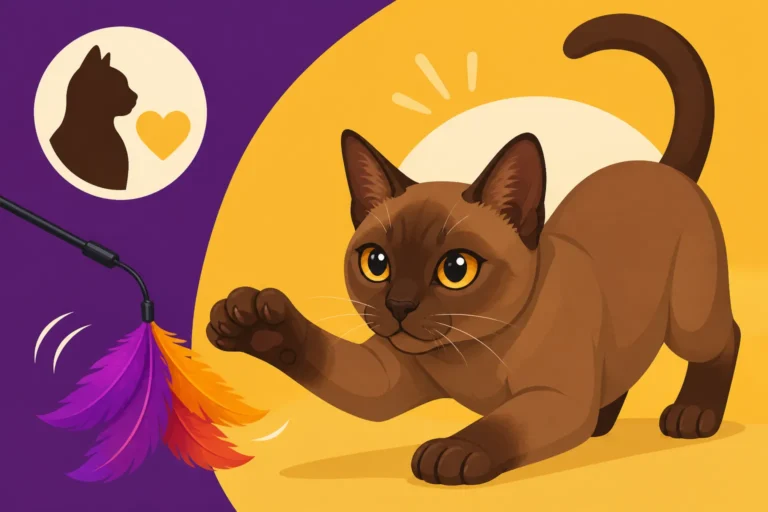
The most unique aspect of a Burmese's first meeting with a dog can often be their tendency to mimic play behaviors or simply offer a curious nudge. While a full-blown play bow like a dog's is rare, a Burmese might display a similar low-to-the-ground, tail-waving posture, inviting interaction. They often possess a kitten-like playfulness that persists into adulthood, and this can extend to other species. A Burmese Is Still Playing at Fifteen illustrates their enduring youthful spirit.
Think about a small Terrier mix, full of beans but being held on a leash, offering small, tentative barks. Your Burmese, having already sniffed and assessed, might crouch low, wagging its tail with quick, short movements, almost mirroring the dog's excitement. Then, it might give a quick, light tap with a sheathed paw to the dog's nose, or a gentle nudge with its head, as if saying, "What are you? Can we play?" This isn't aggression; it's investigative play. They want to see how the dog reacts. If the dog responds positively and gently, a chase or wrestling match could even ensue, though it's always best to keep initial interactions brief and supervised. It's a true testament to the Burmese's open and inquisitive nature, often surprising even experienced pet owners. This behavior is a key indicator that your Burmese views the dog as a potential companion rather than a threat.
Setting Up for a Successful First Meeting
While your Burmese's temperament is naturally inclined towards curiosity and friendliness, proper preparation is absolutely essential. You can't just throw them together and hope for the best, even with the most confident Burmese. A controlled, positive introduction lays the groundwork for a lifelong friendship.
Preparing the Environment for Safety and Retreat
Creating a safe space for your Burmese is paramount. Before the dog even sets paw inside, ensure your cat has multiple escape routes and elevated perches. Cats feel safest when they can survey their environment from above. Think cat trees, tall shelves, or the tops of cabinets. These aren't just for climbing; they're psychological safe zones. Your Burmese needs to know that if they feel overwhelmed, there's a quick and easy way to retreat to safety.
Consider investing in pet gates to create separate zones in your home, allowing the cat and dog to see and smell each other without direct physical contact initially. You can find excellent, sturdy pet gates on Amazon that allow for varied configurations. Ensure your Burmese has access to its food, water, and litter box in a dog-free zone, or at least a place the dog cannot easily reach. A high cat shelf for their food bowl, or a litter box within a pet gate that only the cat can squeeze through, can prevent unnecessary stress over resources. Remember, even a confident cat needs to know it has control over its environment.
Managing the Dog's Behavior
The dog's temperament and training are just as important as your Burmese's. Ideally, the dog should be calm, well-socialized, and have a good understanding of basic commands like "sit," "stay," and "leave it." For the first few meetings, always have the dog on a leash, even if they are typically well-behaved. This allows you to maintain control and prevent any sudden, potentially startling movements that could scare your cat.
Before the introduction, take your dog for a long walk or a vigorous play session to burn off excess energy. A tired dog is a calm dog. When introducing them, keep the dog relaxed and quiet. Reward calm behavior with praise and treats. If the dog gets too excited, gently guide them away or redirect their attention. The goal is for the dog to associate the cat's presence with positive experiences and calm behavior. A nervous or overly boisterous dog can quickly undo all your careful planning, and even a confident Burmese can be overwhelmed by relentless barking or chasing.
The Role of Scent Swapping and Gradual Introduction
Before they even meet face-to-face, let your Burmese and the dog get used to each other's scent. This is a subtle yet powerful form of introduction. Take a blanket or towel that the dog has slept on and place it in your Burmese's favorite sleeping spot. Do the same with a blanket your Burmese uses, placing it where the dog sleeps. You can easily find comfortable, washable pet blankets on Amazon for this purpose. This allows them to "meet" through scent in a non-threatening way, helping them become familiar with each other before the visual encounter.
Once scents have been swapped for a few days, you can move to visual introductions through a barrier, like a pet gate or even a glass door. Keep these initial visual meetings very short – just a few minutes – and always end them on a positive note. Gradually increase the duration of these supervised sessions. Always ensure both animals have a positive experience, perhaps by giving them high-value treats while they are in each other's presence, separated by the barrier. This creates positive associations and helps them view each other as sources of good things, not stress. Bringing Home the Second Cat a Burmese Needs touches on similar principles for introducing new felines.
Supervision and Short, Positive Interactions
When you move to direct, supervised interactions, brevity is key. Start with very short sessions, just a few minutes long, and always end them before either animal shows signs of stress or overexcitement. It's better to have several short, positive interactions than one long, stressful one. Keep the dog leashed and under control, and ensure your Burmese has an easy escape route to their safe space.
During these interactions, focus on positive reinforcement for both animals. Reward your dog for calm behavior around the cat, and offer your Burmese their favorite treats or praise for staying relaxed and curious. If your Burmese approaches the dog for a sniff or a gentle rub, that's a huge win – praise them! These moments build confidence and positive associations. Never force interaction. If either animal seems stressed, calmly separate them and try again later. Remember, patience is a virtue, and rushing the process can set back progress significantly.
When Things Don't Go as Planned
Even with the best intentions and the most confident Burmese, sometimes introductions hit a snag. It's important to recognize the signs of stress and adjust your approach accordingly. Burmese cats are exceptionally affectionate creatures, and their well-being is paramount.
Recognizing Signs of Stress in a Burmese
While a Burmese is generally bold, they can still experience stress, and their signs might be subtle. They're not always dramatic about their discomfort. Instead of outright hissing or spitting, you might observe a slight stiffness in their body, a tail held low and tucked, ears slightly flattened, or unusually wide pupils. They might stop their characteristic purring or rumbling. You might notice them trying to make themselves small, or repeatedly trying to get to a high vantage point to escape. Another subtle sign could be a change in appetite or litter box habits, even if they seem outwardly calm. Why a Burmese Hides Illness Behind Its Affection explains how they often mask discomfort.
If your Burmese, who usually greets you at the door, starts avoiding certain rooms or becomes withdrawn, it could be a sign they're not coping well with the dog's presence. They might stop initiating play or seeking out their usual cuddles. Pay close attention to these nuances. If you see them, it's a clear signal to slow down the introduction process, create more physical separation, and revisit earlier steps like scent swapping. Don't push them, as this can create long-lasting negative associations.
Managing an Overly Enthusiastic Dog
Sometimes the problem isn't the cat, but the dog. An overly enthusiastic dog, even one meaning well, can be terrifying for a cat. Constant barking, jumping, or trying to chase can undo any progress you've made. If your dog is struggling to remain calm, you need to step back and reinforce their training. This might mean keeping them leashed and redirecting their attention every time they get too excited.
Use high-value treats to reward your dog for looking at the cat calmly, rather than reacting. If they even glance at the cat without barking or lunging, that's worthy of a treat! This teaches them that calm behavior in the presence of the cat gets them something good. You might need to increase the distance between them, even if it means putting them in separate rooms for a while longer. A basket muzzle, if properly introduced and conditioned, can be a temporary safety measure for a particularly mouthy or boisterous dog, allowing the cat to feel safer while still getting used to the dog's presence. Remember, consistency is key, and every interaction should reinforce the idea that calm behavior around the cat is expected and rewarded.
Slowing Down the Introduction Process
It's tempting to want your cat and dog to be best friends immediately, especially with a social Burmese. However, rushing the process is often counterproductive. If you're encountering resistance or stress from either animal, it's perfectly normal to slow things down. Some introductions can take weeks, or even months, to truly solidify into a comfortable coexistence. Patience really is the greatest tool in your arsenal here.
If your Burmese seems overwhelmed, go back to basics. Increase scent swapping, allow only visual contact through a barrier, and keep these sessions very short. Don't force them into situations where they might feel trapped or threatened. Ensure your Burmese has plenty of high places to escape to and feels completely secure in its own territory. You might even consider having designated "dog-free" zones in the house where your Burmese can always retreat for peace and quiet. Ultimately, you want both animals to feel safe and happy in their shared home, and sometimes, that means taking it at a snail's pace. The reward is often a truly unique bond where Why a Burmese Curls Up Against a Dog becomes a common sight.
Disclaimer
This article is for general informational purposes only and does not constitute professional advice. Laws, prices and regulations vary by location and change over time. Consult a qualified professional for guidance on your specific situation.