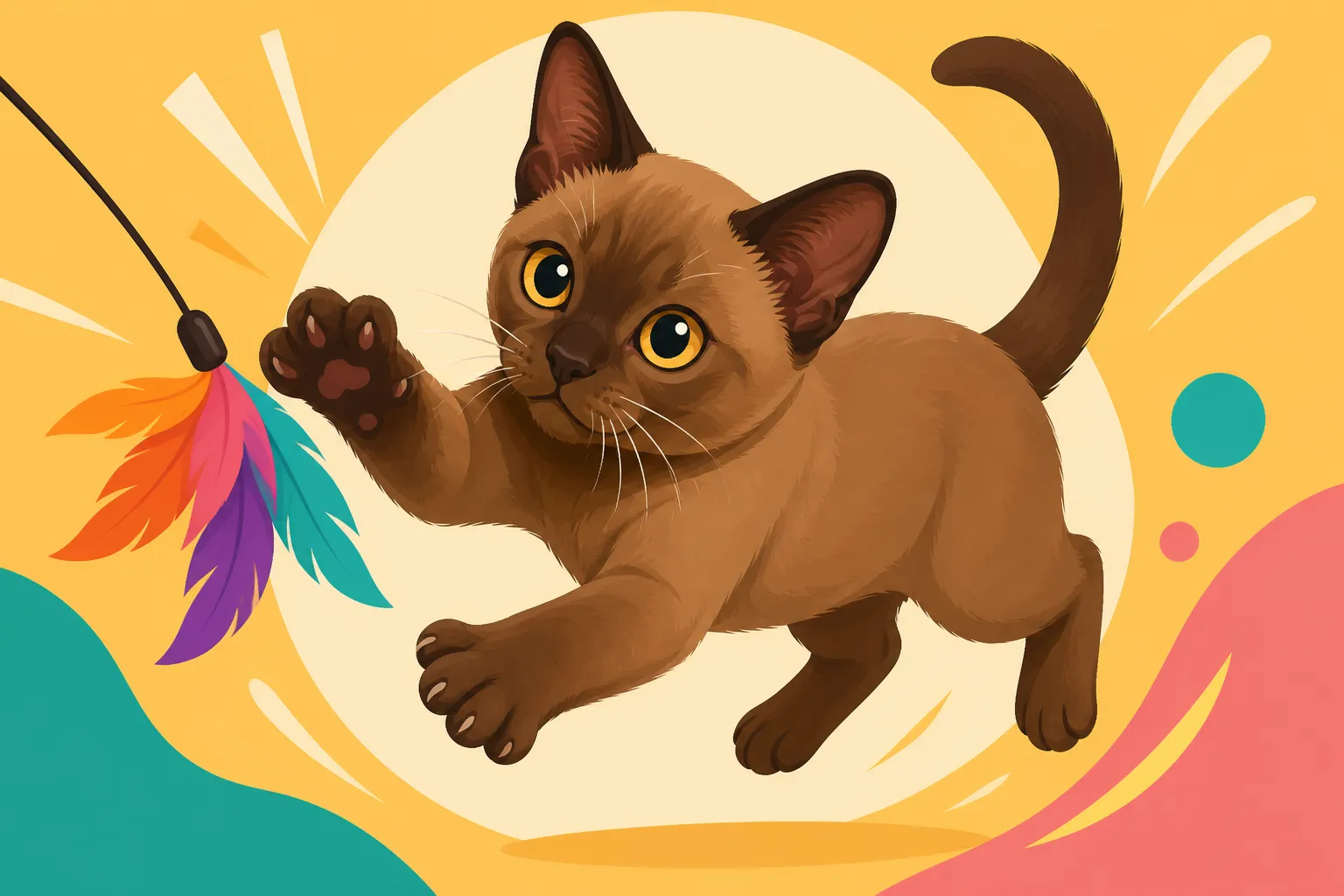
How Hard a Burmese Kitten Plays at Four Months
Bringing a four-month-old Burmese kitten into your home is an absolute joy, but anyone who's had one knows it also means navigating a whirlwind of boundless energy and curiosity. At this age, they’re not just cute little fluffballs anymore; they're fully-fledged, pint-sized athletes with a serious agenda for play, and understanding just how intense this can get—and how to manage it—is key to a harmonious household. This guide is here to walk you through the delightful, sometimes chaotic, world of a four-month-old Burmese kitten's play habits, helping you channel that incredible energy positively and ensure they grow into a well-adjusted, happy companion.
The Energy Surge of a Four-Month-Old Burmese Kitten
At four months old, your Burmese kitten is experiencing a significant growth spurt in more ways than one. This isn't just about getting bigger; it's about developing complex motor skills, refining their instincts, and solidifying their social understanding. This stage is marked by a noticeable surge in energy and a drive to explore and interact with their world with incredible intensity.
Developmental Milestones at Four Months
By four months, your Burmese kitten has moved well beyond the wobbly, sleepy newborn stage. Their coordination is truly remarkable, allowing for precise pounces and agile maneuvers. Their muscles are strengthening, making them capable of impressive jumps and fast sprints across the room. Think of them as miniature athletes in peak training. They can track moving objects with laser focus, judge distances for leaps onto furniture, and land with surprising grace. This period is a crucial window for their physical development, where all those instinctive movements they’ll rely on as adults are honed and perfected through play. What a Burmese Kitten Has Already Learned by Twelve Weeks gives you a good idea of their foundations, and by four months, they're building significantly on that.
Instinctual Drive to Hunt and Explore
Beneath that silky-smooth coat and affectionate purr lies the heart of a tiny predator. Their play isn't just a way to pass the time; it's vital practice for hunting, stalking, pouncing, and ambushing. Every wiggle of a wand toy, every rustle of a paper ball, triggers an innate drive to chase and capture. This is hardwired into their DNA. They'll stalk toys with incredible focus, flatten themselves to the ground, and then explode into action, mimicking the hunting behaviors of their wild ancestors. They might even bring back their 'kill' to you, a proud offering. Whether a Burmese Brings a Toy Back to Your Lap talks more about this charming behavior. Providing outlets for this instinctual drive is crucial, otherwise, they might start "hunting" your feet, curtains, or anything else that moves.
The Need for Social Interaction
Burmese cats are famously social creatures, often dubbed "dog-like" for their devotion to their human companions. For a four-month-old kitten, play is a huge part of their social bonding. They learn boundaries, communication, and how to interact appropriately with littermates, other pets, and, most importantly, you. They thrive on interaction, and playing with them fulfills a deep-seated need for connection. If they're an only kitten, you become their primary playmate, which can be both rewarding and, if not managed, lead to them thinking your hands and feet are fair game for their hunting practice. This intense desire for company and play is why many breeders recommend getting them in pairs. Why a Burmese Breeder Recommends Buying a Pair is a great article if you're considering this.
Typical Play Behaviors and Intensity
When a four-month-old Burmese kitten decides it's playtime, prepare for a show. Their intensity can be surprising to first-time owners, and they engage in a wide repertoire of behaviors, all designed to burn energy and sharpen their natural skills.
High-Octane Chase and Pounce Games
These kittens are speed demons and agile acrobats. You'll witness them zooming across rooms, sliding across polished floors, and performing impressive vertical leaps up cat trees or even your legs. They’ll chase anything that moves, from a dust bunny to a sibling's tail. The pounce is a hallmark of their play: a sudden, explosive spring onto a toy or an unsuspecting target (which might be your ankle if you're not careful!). They put their whole body into it, using their strong hind legs for propulsion and their front paws to 'capture' their prey. They often combine this with short, sharp bursts of play-fighting, complete with mock bites and bunny kicks, which are crucial for developing their bite inhibition and social skills.
The Obsession with Interactive Toys
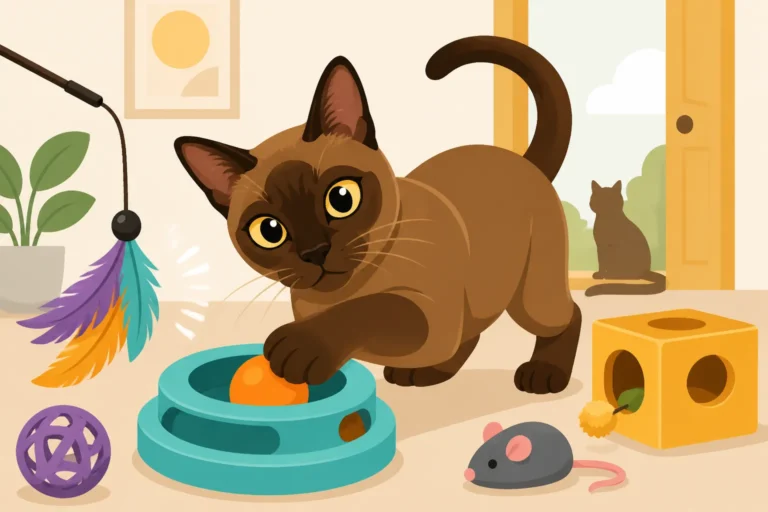
While a four-month-old Burmese will happily bat around a crinkle ball, their true joy often lies in interactive play where you're involved. Wand toys with feathers, ribbons, or small stuffed animals are absolute gold. They engage their hunting instincts perfectly, allowing you to mimic bird or rodent movements. Laser pointers can be fun for short bursts, but always end with a tangible toy they can 'catch' to prevent frustration. These kittens are incredibly focused and can play with a wand toy for extended periods, running, leaping, and twisting mid-air to catch their 'prey'. You can find an incredible variety of these on Amazon, from simple feather wands to more elaborate fishing-pole-style toys. The key is movement and engagement. Which Wand Toys Hold a Burmese's Attention delves deeper into toy selection.
Using Humans and Other Pets as Playmates
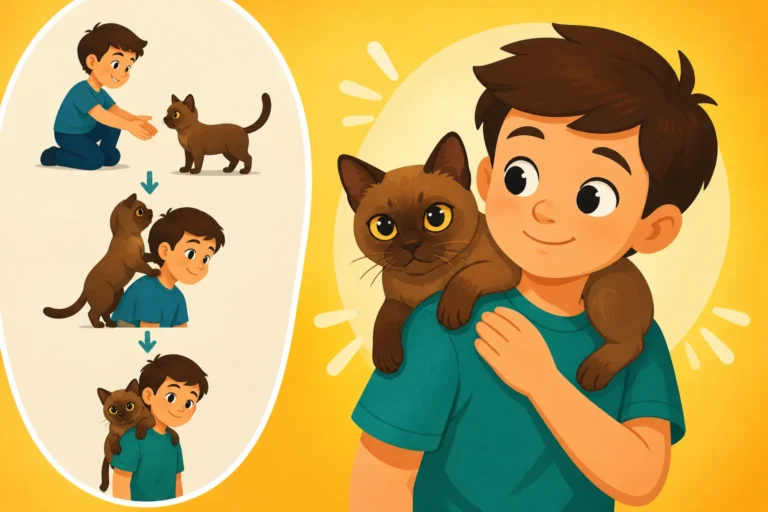
Your Burmese kitten will absolutely see you, other cats, and even tolerant dogs as prime playmates. They'll stalk your feet as you walk by, ambush your hands under a blanket, and climb your legs with surprising ease, especially if they're craving attention or a play session. If you have another cat, especially another Burmese, they'll engage in boisterous wrestling, chasing, and mock fighting that can look quite rough to the uninitiated. Similarly, many Burmese will happily cuddle up with and play-wrestle with a gentle dog, seeing them as just another source of company and fun. Why a Burmese Treats Children and Dogs as More Company really highlights their accepting nature. It’s important, however, to gently guide them away from playing too roughly with human hands to prevent bad habits from forming as they get older.
Channeling That Play Energy Safely
With such intense play drive, it's essential for Burmese owners to provide safe and appropriate outlets. Unchanneled energy can lead to destructive behaviors, so a proactive approach to play and enrichment is crucial.
The Importance of Daily Play Sessions
Think of daily play sessions as mandatory appointments for your Burmese kitten. At four months, they need several dedicated playtimes throughout the day, not just a quick flick of a toy. We're talking about 15-20 minute sessions, multiple times a day, where you actively engage with them using interactive toys. This allows them to burn off excess energy, satisfy their hunting instincts, and strengthen your bond. Without these outlets, they might resort to destructive chewing, scratching furniture, or becoming overly boisterous with your hands and feet. Consistency is key; routine helps them understand when they'll get their energy out. How Many Play Sessions a Burmese Asks For provides more insights into their demanding play schedule.
Providing Appropriate Toys and Enrichment
Beyond interactive toys, ensure your home offers a stimulating environment. Invest in sturdy scratching posts and cat trees that provide vertical space for climbing and perching. Burmese love being up high, observing their kingdom. Puzzle feeders, easily found on Amazon, are excellent for mental enrichment, forcing them to "work" for their food and slowing down their often-greedy eating habits. Rotate toys regularly to keep them interested – what was boring yesterday might be exciting again next week. Crinkle balls, spring toys, and even simple crumpled paper balls can provide endless entertainment. The goal is to make their environment as engaging as possible, so their energy is directed towards acceptable outlets rather than your sofa.
| Toy Type | Description | Benefits for Burmese Kitten |
|---|---|---|
| Wand Toys | Feather wands, pole toys with various attachments. | Mimics prey, encourages jumping, chasing, and pouncing. |
| Puzzle Feeders | Dispense kibble or treats as the cat manipulates them. | Mental stimulation, slows eating, prevents boredom. |
| Crinkle Balls | Lightweight, noisy balls made from crinkly material or mylar. | Satisfies batting and chasing instincts, engaging sound. |
| Cat Trees/Condos | Multi-level structures with scratching surfaces and perches. | Provides vertical space, scratching outlet, safe vantage points. |
| Laser Pointers | Small, handheld devices that project a laser dot. | Encourages high-speed chase, but always end with a real toy. |
Training and Redirection
While their play is enthusiastic, it's vital to teach your Burmese kitten appropriate boundaries. If they start to play too roughly with your hands or feet, immediately stop the interaction and redirect them to an appropriate toy. A firm "no" or a sharp clap can interrupt the behavior, followed by offering a wand toy for them to sink their teeth into. Never use your bare hands as toys, even if it seems cute when they're small, because a playful nip from a kitten can turn into a painful bite from an adult cat. Positive reinforcement, such as praise or a small treat when they play nicely with toys, is much more effective than punishment. Consistency from everyone in the household is key. Stopping a Burmese Kitten Mouthing in Play offers excellent strategies for this.
Recognizing When Play Is Too Much or Too Little
Understanding the nuances of your Burmese kitten's play can help you ensure they are happy, healthy, and well-adjusted. Sometimes, their intensity can be a sign of something deeper, or a lack of engagement can signal boredom or even illness.
Signs of Overstimulation or Aggression
Sometimes, a Burmese kitten can get a little carried away, especially if they're particularly energetic or haven't had enough appropriate play. Signs of overstimulation can include overly aggressive biting or scratching (going beyond playful nips), hissing, growling, dilated pupils, or flattened ears. If you notice these, it's time to gently disengage and give them a break. Don't punish them, as this can worsen the behavior; simply remove yourself from the situation and let them calm down. They might just need a brief time-out to reset. While How Rarely a Burmese Uses Its Claws on Anyone is generally true, an overstimulated kitten might forget their manners! It's our job to help them learn when to ease up.
When Play Is Insufficient
A lack of sufficient play and enrichment can manifest in several ways. A bored or under-stimulated Burmese kitten might become destructive, scratching furniture, chewing on inappropriate items (like cords or fabrics), or becoming overly vocal with insistent meows or rasps for attention. They might also appear lethargic or withdrawn, which is unusual for such an active breed. This is often the point where owners realize they need a second cat. Why a Second Cat Fixes Most Burmese Problems explains beautifully how another feline companion can fulfill their intense social and play needs, ensuring they always have a wrestling partner and someone to chase, even when you're busy.
The Role of a Playmate
For many Burmese kittens, the best solution to managing their incredible play drive and ensuring they're never lonely is a companion. Another kitten, ideally from the same litter or a similar age, can provide endless entertainment and critical social learning. They'll chase, wrestle, and groom each other, fulfilling those deep-seated needs in a way no human toy ever could. If another cat isn't an option, a well-socialized, cat-friendly dog can also become a beloved playmate and cuddle buddy. Which Dogs Will Let a Burmese Sleep on Them offers insights into dogs that tolerate or even enjoy feline companionship. A playmate means constant company and a reliable outlet for all that energetic exuberance, helping your Burmese kitten grow into a well-balanced adult. Why Two Burmese Settle Each Other further emphasizes the benefits of having a pair.
Disclaimer
This article is for general informational purposes only and does not constitute professional advice. Laws, prices and regulations vary by location and change over time. Consult a qualified professional for guidance on your specific situation.