Turning a Burmese’s Retrieving Into a Routine
If you’re a Burmese cat owner, you know the absolute joy of their playful nature, but you might also be intimately familiar with the chaos of an enthusiastic feline bringing you everything they can get their paws on. They love to retrieve, and while it's incredibly endearing, it can also turn your living room into a spontaneous game of fetch at the most unexpected times. This guide will walk you through how to channel that natural retrieving instinct into a fun, predictable routine, making playtime more enjoyable for both of you.
Understanding the Burmese Drive to Retrieve
Burmese cats are truly in a league of their own when it comes to personality. They aren't just pets; they're active participants in your life, often displaying behaviors more akin to a dog than a typical feline. Their retrieving habit isn't just a cute quirk; it's deeply rooted in their intelligence, energy, and profound desire for interaction with their beloved humans.
More Than Just a Game: Why Retrieving is Instinctive
You've probably heard the Burmese described as a "dog in a cat's body," and nowhere is that more apparent than in their retrieving antics. While many cats will chase a tossed toy, the Burmese often takes it a step further, proudly bringing it back to you, sometimes dropping it right at your feet, sometimes leaving it just out of reach with an expectant gaze. This isn't random; it’s a manifestation of their innate predatory drive, rechanneled into interactive play.
Think about it: in the wild, cats are hunters. They stalk, chase, pounce, and then carry their prey back to a safe spot. For your domesticated Burmese, that instinct to "bring back the kill" translates into bringing you their favorite crinkle ball or a wadded-up piece of paper. They're not just playing; they're engaging with you on a very fundamental level, sharing their "catch" and inviting you into their world of play. It’s a huge compliment, honestly, even when they’re presenting you with your lost sock. They thrive on this back-and-forth interaction. They don't just want to be in the room with you; they want to do things with you, and retrieving is one of their favorite shared activities.
The Energy Behind the Enthusiasm
Anyone who lives with a Burmese can attest to their boundless energy. These cats aren't content to snooze all day on a sunbeam (though they'll do that too, especially if it's on your lap). They are perpetual motion machines, always ready for action. This high-octane energy requires an outlet, and interactive play like retrieving is a perfect way to burn off some of that steam. You might notice that even as they get older, their zest for play barely wanes. It's truly remarkable to see a senior Burmese still chasing a wand toy with the vigor of a kitten. A Burmese Is Still Playing at Fifteen is a testament to their enduring youthful spirit.
Without adequate stimulation, this energy can sometimes lead to boredom or even destructive behaviors. Retrieving, however, engages both their physical prowess and their sharp minds. It gives them a "job" to do, satisfying their need for activity and mental challenge. For many Burmese, a good session of retrieving is just as important as a meal, helping them feel fulfilled and content. Neglecting this need for play is like asking a marathon runner to sit still; it just goes against their very nature. They need to run, jump, and fetch, sometimes even well into their golden years. What an Old Burmese Still Wants to Play perfectly describes this characteristic – their playful spirit is truly lifelong.
Setting the Stage for a Successful Retrieving Routine
Just like any good habit, establishing a retrieving routine with your Burmese requires a bit of planning and consistency. It’s not about stifling their natural enthusiasm, but rather directing it in a way that’s mutually enjoyable and sustainable. Think of it as creating a shared language of play.
Choosing the Right "Retrieval Ambassadors" (Toys)
The first step in any successful retrieving routine is having the right tools, which, in this case, means the perfect toys! Burmese cats are quite discerning, and not just any old toy will do. You want items that are engaging, safe, and durable enough to withstand their enthusiastic fetching and carrying.
- Size and Weight: Avoid anything too small that could be swallowed, but also not so large or heavy that it's difficult for them to carry. Many Burmese prefer small, lightweight items they can easily grasp in their mouths.
- Texture and Sound: Crinkle balls, soft fabric mice, or even springs are often big hits. The crinkle sound mimics prey rustling, which can be incredibly stimulating. Some cats adore the smooth, satisfying feel of a plastic spring.
- Durability: Your Burmese will be carrying, dropping, and potentially chewing on these toys, so choose items made from robust materials. Flimsy toys will quickly disintegrate, leading to frustration (and potentially ingested bits of plastic).
I've had great luck finding a variety of appropriate toys on Amazon. They have endless options for cat toys, from basic crinkle balls to more elaborate interactive items. It’s a good place to stock up, especially when you're trying to figure out your cat's specific preferences. Experimentation is key here; what one Burmese adores, another might ignore. For some ideas, think about Which Wand Toys Hold a Burmese's Attention – often, the retrieve-worthy items can be detatched from wands.
Establishing a Designated Play Area and Time
Consistency is the bedrock of any routine. Your Burmese thrives on predictability, and establishing specific times and a particular area for retrieving sessions can make all the difference.
- Timing is Everything: Most cats are naturally more active in the morning and evening. Try to schedule retrieving sessions around these peak energy times, perhaps before their regular meals. This can also help associate playtime with positive outcomes like food, further reinforcing the routine. A quick 10-15 minute session can be incredibly effective.
- Dedicated Space: While your Burmese will undoubtedly retrieve anywhere, having a relatively clear, safe area can prevent accidents and reinforce the idea of "playtime." Clear away breakable items or anything they might accidentally knock over in their excitement. This doesn't need to be a large room; even a hallway or a clear section of your living room will do. The important thing is the consistency of when and where.
Introducing the Routine: The First Steps
When you're first introducing a structured retrieving routine, remember to start small and keep it positive. This isn't about training your cat like a dog; it's about playing with your cat in a way they understand and enjoy.
- Short and Sweet Sessions: Begin with very short playtimes, maybe just 5 minutes. End the session while your cat is still enthusiastic, leaving them wanting more. This builds positive association and anticipation for the next session.
- Positive Reinforcement: Every time your Burmese brings the toy back (or even close to you), offer praise, a gentle head scratch, or a small, healthy treat. Burmese cats are highly motivated by food and attention, so Why Food Motivates a Burmese Too Well is a principle you can definitely leverage here. The goal is to make them feel like the cleverest cat in the world for participating.
- Never Force It: If your cat isn't in the mood, don't push them. Respect their boundaries. Play should always be fun and voluntary. Forcing interaction can quickly turn them off the game entirely. Just try again later when they seem more receptive.
Step-by-Step: Building the Retrieving Routine
Now that you've got your toys and a plan, let's get into the nitty-gritty of actually building that retrieving routine. It’s a gradual process, but incredibly rewarding when you see your Burmese consistently engaging in the game.
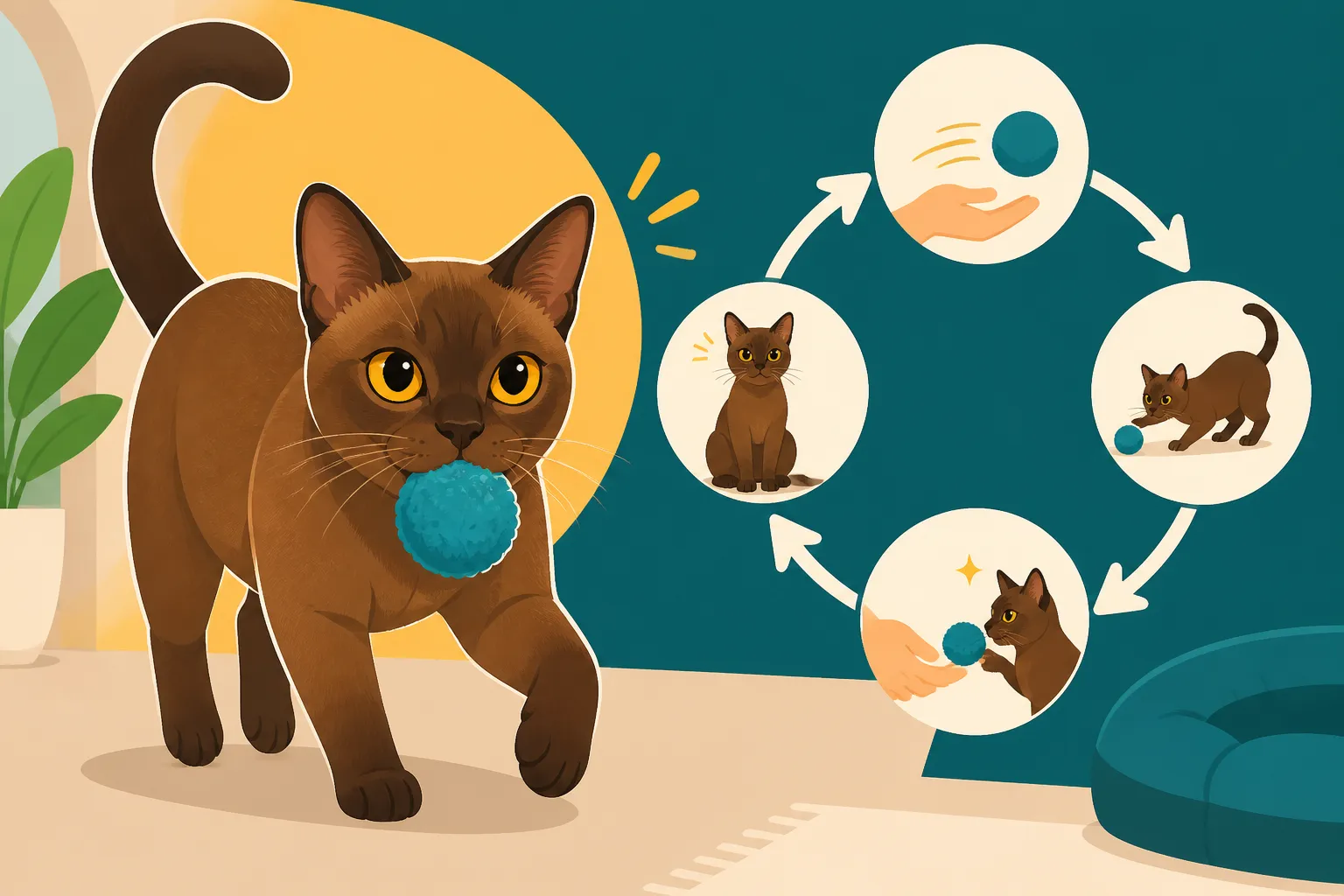
The "Throw and Bring Back" Cycle
This is the core of the routine, and it's simpler than you might think. The key is clear communication and consistent reinforcement.
- Choose Your Toy: Select one of their favorite retrieval-friendly toys.
- Get Their Attention: Wiggle the toy, make a crinkling sound, or hold it up to get their focus.
- The Gentle Toss: Throw the toy a short distance, just a few feet away. You want it far enough to encourage a chase, but not so far that it becomes a chore to retrieve.
- Wait and Encourage: Your Burmese will likely chase the toy. Now, the crucial part: encourage them to bring it back to you. If they drop it halfway, gently call them or pat the floor near you. If they bring it closer, even if it's not right at your feet, offer praise.
- The Drop (or Exchange): This is often the trickiest part. When they bring the toy back, you want them to release it. You can try holding out another similar toy to encourage them to drop the one they have in exchange for a new throw. Or, simply use a verbal cue like "drop it" as they open their mouth. Once they drop it, immediately pick it up and throw it again, or offer a small treat. Which Word a Burmese Learns Before Any Other can often be their cue to drop.
- Praise and Repeat: Lavishly praise them for bringing it back and dropping it. Repeat the cycle. Keep sessions short, maybe 5-10 throws, especially when starting out.
For owners who want to be very precise, clicker training can be excellent for this. You can find affordable clickers on Amazon, and they can be fantastic for marking the exact moment your Burmese performs the desired action (like dropping the toy) before you reward them. This precision helps them understand what you want much faster.
Handling Common Challenges and What Not to Do
Even with the most eager Burmese, you might encounter a few hiccups along the way. Don’t get discouraged; these are common and easily managed with patience.
- "My Burmese just brings it to me and then bats it away!": This is a classic. They've done the "hunt and bring" but haven't quite mastered the "release to human" part. Instead of reaching for the toy, try wiggling another toy or holding a small treat in your hand. When they drop the toy to investigate the new offering, immediately praise and reward, then pick up the first toy for another throw. This teaches them that dropping leads to more fun.
- "My cat gets bored after two throws!": Burmese cats are intelligent and get bored easily if the game isn't dynamic. Keep sessions short. Five minutes of intense, focused play is better than 20 minutes of half-hearted engagement. Change up the toys, change the throwing distance, or even try tossing it under a blanket to add an extra layer of "hunt."
- "My Burmese brings back everything not just the toy!": This is a sign of an enthusiastic retriever! Gently redirect them. If they bring you a sock, thank them, but then immediately present their designated toy and encourage them to retrieve that. Over time, they'll learn which items are "game-approved."
- Avoid Punishment: Never scold your cat for not retrieving, for bringing the "wrong" item, or for not dropping the toy immediately. Negative reinforcement will only make them wary of playtime and can damage your bond. Keep it positive, light, and fun.
Integrating retrieving into daily life is about finding those natural opportunities for interaction. Perhaps a quick session before you settle down for TV in the evening, or a few throws while you're waiting for your coffee to brew. You can also use "Amazon" to explore treat-dispensing toys that encourage a similar type of interactive "work" to get a reward, which can further engage their minds. Remember that How Many Play Sessions a Burmese Asks For depends heavily on the individual cat, but generally, several short bursts are better than one long one.
Benefits of a Structured Retrieving Routine for Your Burmese
Beyond the sheer delight of watching your Burmese gleefully fetch, establishing a retrieving routine brings a wealth of benefits for their overall well-being and your relationship. It’s an investment in their health and happiness.
Physical and Mental Enrichment
Burmese cats are incredibly intelligent and energetic. A structured retrieving routine is a powerful tool for keeping both their bodies and minds in top form.
- Burning Off Energy: Regular retrieving sessions provide much-needed physical exercise. Running, jumping, and chasing help burn calories, maintain a healthy weight, and keep their muscles toned. This is especially important for a breed known for its robust, muscular build.
- Mental Stimulation: The act of anticipating the throw, chasing, calculating the retrieve, and bringing it back is a complex sequence that engages their brains. This mental workout is just as vital as physical exercise, preventing boredom and promoting cognitive health. It keeps their sharp minds from getting stagnant.
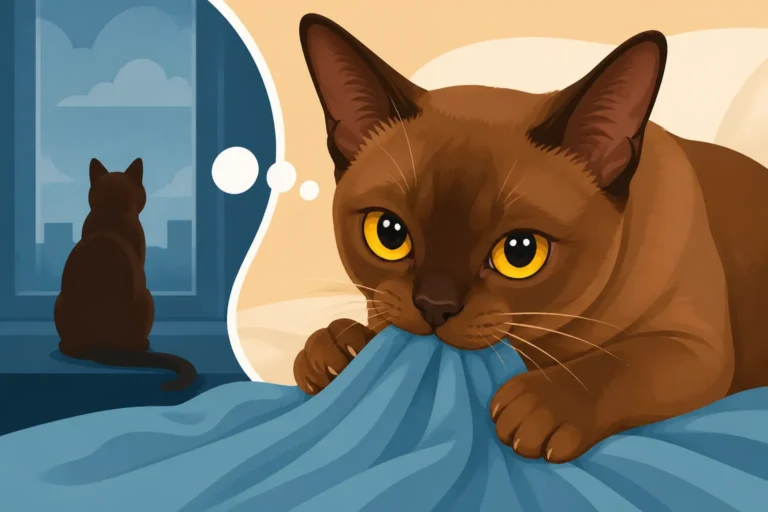
- Reducing Boredom-Related Behaviors: A Burmese that isn't sufficiently stimulated can develop unwanted habits. Just like humans, boredom can lead to destructive tendencies. A well-exercised and mentally engaged Burmese is less likely to engage in behaviors like excessive grooming, fabric chewing, or destructive scratching. Why a Lonely Burmese Chews Fabric and Why an Anxious Burmese Pulls Its Own Fur Out are very real issues that can sometimes be mitigated by increased, structured playtime.
Strengthening the Bond Between You
The unique bond you share with a Burmese is one of the most cherished aspects of living with them. Retrieving deepens this connection, making it even more special.
- Interactive Play Fosters Trust and Affection: When you engage in play together, you're building a foundation of positive shared experiences. Your cat learns that you are a source of fun, attention, and joy. This strengthens their trust in you and reinforces their affectionate nature. They see you not just as a provider of food, but as a playmate.
- Shared Positive Experiences: Every successful retrieve, every purr of satisfaction, every gentle head-butt as they drop the toy at your feet, builds on this shared positive experience. It creates memories and reinforces the unique dynamic between you and your intelligent companion.
- Understanding Their Unique Communication: During play, you'll learn to read your Burmese's cues – the flick of their tail, the expectant look in their eyes, the distinctive rumble they might make. What a Burmese Is Asking For When It Rumbles often directly relates to their desire for interaction and play. This enhanced understanding makes your bond even richer.
Preventing Unwanted Behaviors
A well-exercised and mentally satisfied Burmese is generally a much happier and better-behaved cat. Retrieving plays a big role in achieving this harmonious household.
- A Tired Burmese is a Happy Burmese: Simply put, a cat that has had its physical and mental needs met through engaging play is less likely to get into mischief. All that energy that could be used to scale curtains or investigate countertops is now happily expended on chasing toys.
- Less Likelihood of "Trouble": When their natural instincts for hunting, chasing, and interacting are satisfied through appropriate outlets like retrieving, they are less inclined to find less desirable ways to entertain themselves. This means fewer scratched furniture, less counter-surfing, and generally a more peaceful home environment.
- Satisfying Their Drive to Interact and Explore: Burmese are incredibly social and curious creatures. A retrieving routine satisfies their need for interaction with you and gives them a focused outlet for their exploratory drive within a safe, controlled environment. It directs their intelligence towards a positive, shared activity rather than them devising their own, potentially disruptive, "projects."
Establishing a retrieving routine with your Burmese is a joyful journey. It’s a commitment to understanding and fulfilling their unique needs, and in return, you’ll gain a happier, healthier, and even more deeply bonded companion. So, grab a toy and get ready to play!
| Toy Type | Description | Pros | Cons |
|---|---|---|---|
| Crinkle Balls | Lightweight, often shiny, make a crinkling sound when moved. | Irresistible sound, easy to carry, inexpensive. | Can get lost easily, some may tear after heavy use. |
| Plastic Springs | Small, colorful, flexible plastic springs. | Good bounce, easy for cats to bat and carry, durable. | Can roll under furniture, less auditory stimulation than crinkles. |
| Soft Fabric Mice | Small, fabric toys shaped like mice, sometimes with catnip or rattles. | Mimics prey, soft to carry, appeals to hunting instinct. | Can be chewed apart, catnip potency fades. |
| Felted Wool Balls | Dense, natural wool balls. | Good texture, quiet, durable, safe. | Can be a bit heavier, might not roll as erratically. |
| Rubber Ring Toys | Small, durable rubber rings or chewy shapes. | Very durable, good for cats who like to mouth toys, easy to sanitize. | Less "prey-like," might not be as exciting for all Burmese. |
Disclaimer
This article is for general informational purposes only and does not constitute professional advice. Laws, prices and regulations vary by location and change over time. Consult a qualified professional for guidance on your specific situation.