Why Vets Like Handling a Burmese
Bringing your beloved cat to the vet can be a source of stress for many pet parents. You worry if they'll be scared, if they'll lash out, or if the vet staff will struggle to examine them. But if you're a Burmese owner, you might have noticed something quite different: vets often seem to genuinely enjoy interacting with your cat. This guide delves into the unique traits and behaviors of the Burmese that make them such cooperative and even charming patients for veterinary professionals.
The Burmese Temperament: Naturally Affectionate and Trusting
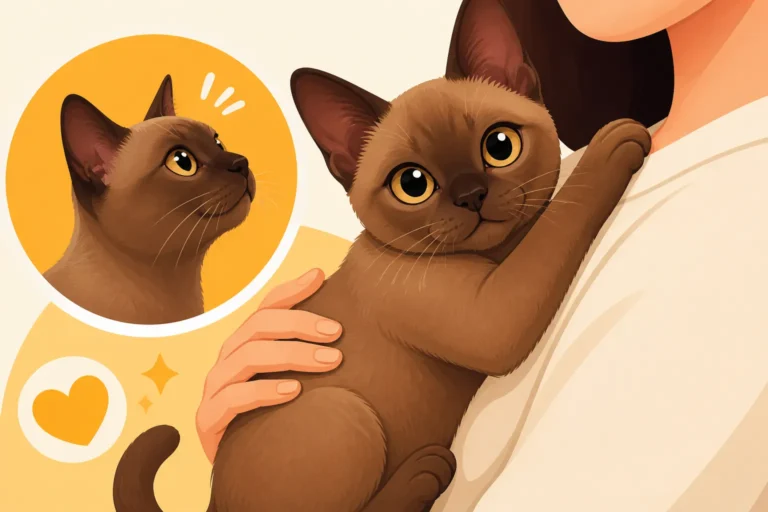
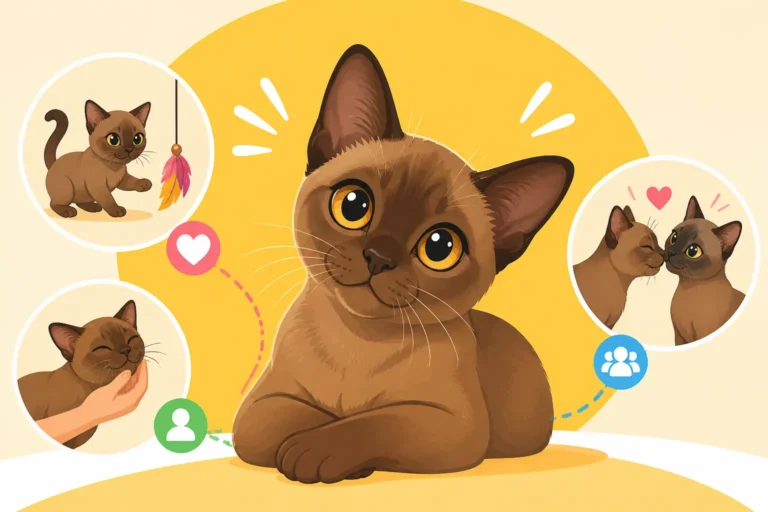
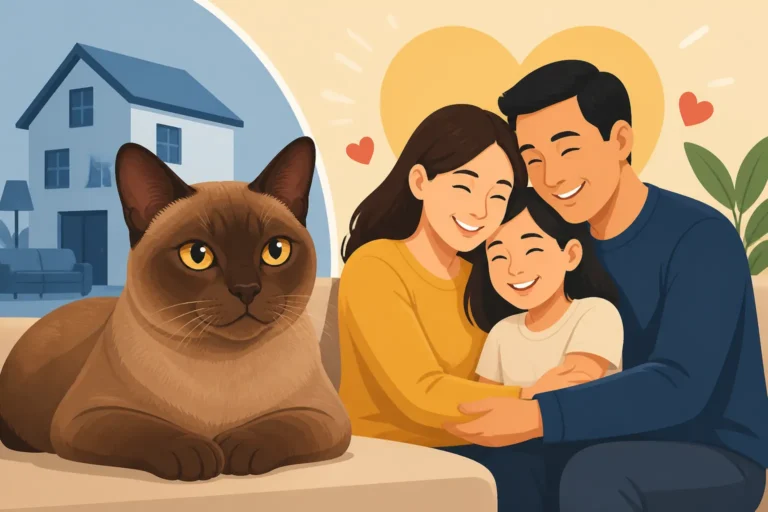
It's no secret that Burmese cats are often described as "dog-like" in their devotion and personality. They crave interaction, follow their people from room to room, and thrive on being the center of attention. This inherent sociability and deep trust in humans is the cornerstone of why vets find them so easy to handle. Unlike many cats who might view a vet visit as a terrifying ordeal with strangers, a Burmese often approaches it with curiosity and an eagerness for new connections. They genuinely enjoy being held and fussed over, even by unfamiliar faces, which dramatically reduces the stress levels for everyone involved. This profound desire for companionship means they're usually more interested in making friends than trying to escape or scratch.
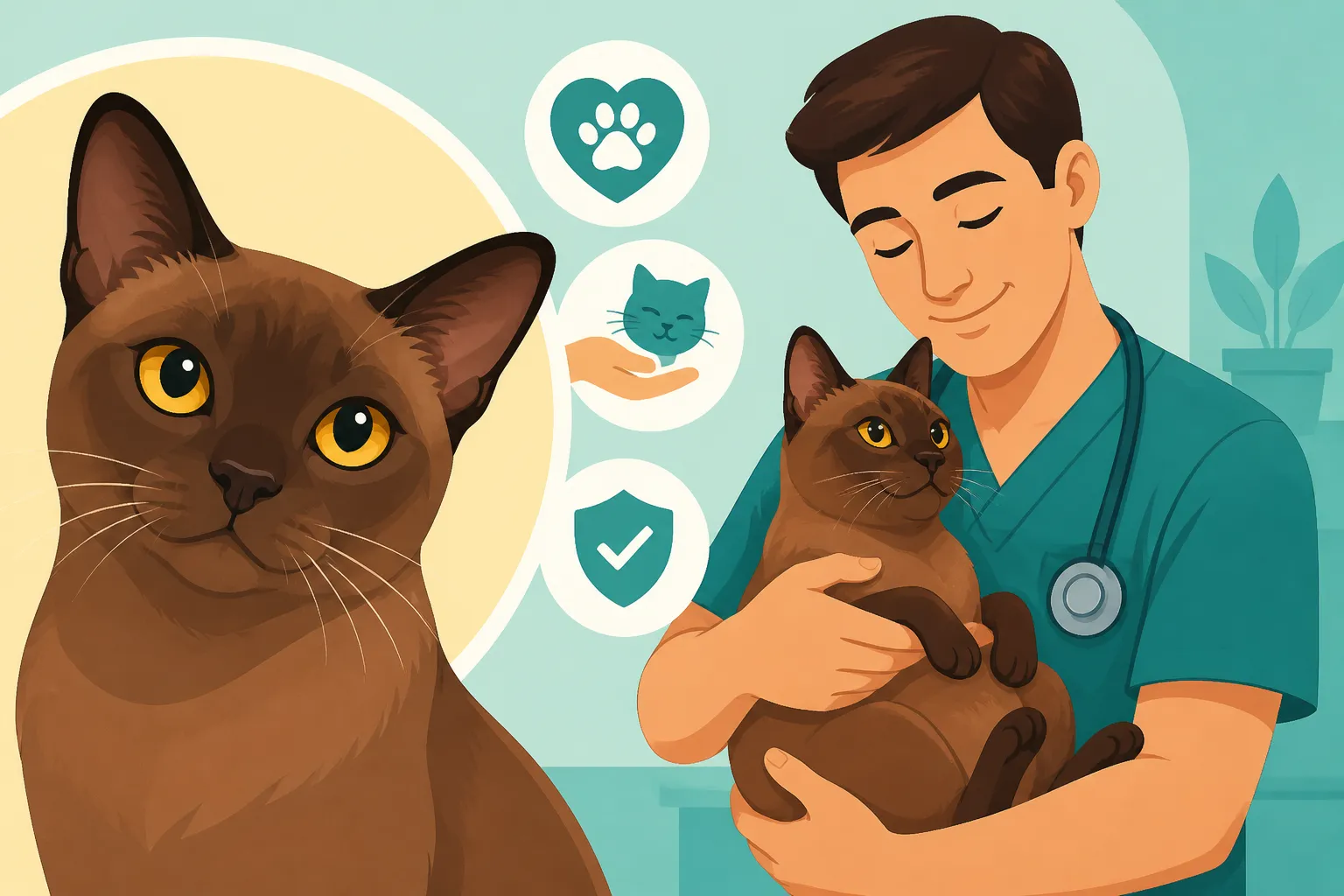
Think about how your Burmese greets visitors at home. They're typically right there at the door, weaving around legs, rubbing against ankles, and seeking out strokes. This isn't just a quirk; it's a fundamental part of their genetic makeup and learned behavior. They don't have the innate wariness of some other breeds, which can be a huge advantage in a clinical setting. A vet who needs to listen to a heart, palpate an abdomen, or simply check teeth can often do so with a purring Burmese nestled in their arms, rather than wrestling with a distressed feline. This level of cooperation saves time, reduces the need for restraint, and allows for a more thorough examination. It transforms what could be a challenging appointment into a relatively pleasant experience.
Early Socialization and Handling from Birth
A significant factor contributing to the Burmese's agreeable nature at the vet is the early and consistent socialization they receive from responsible breeders. From the moment they're tiny kittens, Burmese are typically handled extensively. They are picked up, cuddled, and accustomed to human touch in a variety of ways. This early exposure helps them develop a positive association with being handled, making them less prone to fear or aggression later in life. A good breeder understands that a well-socialized kitten will become a well-adjusted adult, and this includes preparing them for the occasional necessary trip to the vet.
Kittens are often exposed to different sounds, gentle restraints (like being held securely for nail trims), and even short car rides before they go to their forever homes. This builds a foundation of confidence. When a Burmese kitten leaves its breeder at around Why a Burmese Kitten Stays Until It Is Socialized, it has already learned that human hands mean comfort and security, not danger. This early imprinting is incredibly powerful. As a result, when a vet reaches out to examine them, they often respond with curiosity rather than fear. This initial positive experience translates into a lifelong acceptance of being handled, which is invaluable for routine check-ups and any unexpected medical needs. Owners can continue this by regularly petting and examining their kitten at home, getting them used to having paws, ears, and mouths checked gently.
Their Need for Constant Connection
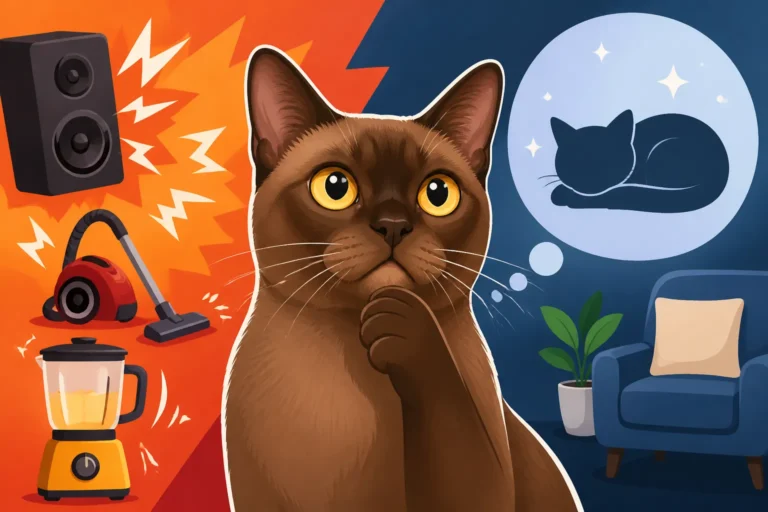
Burmese cats are known for their profound attachment to their human families. They are often described as "Velcro cats" because they want to be involved in everything you do, sticking close by your side. This intense need for connection extends even to unfamiliar situations and people, including the veterinary team. When a Burmese is at the vet, surrounded by new smells and sounds, their instinct is often to seek comfort and connection from the nearest human, rather than to flee or hide. This is a stark contrast to many other cat breeds who might find the environment overwhelming and withdraw.
This desire for companionship makes them particularly amenable to being held and comforted during examinations or procedures. A vet can often talk to a Burmese, stroke them, and reassure them, making the experience feel less threatening. They often just want to be close to someone, anyone, who will offer them affection. It's not uncommon for a Burmese to start purring while being examined, or even try to "make biscuits" on the vet's arm. This emotional openness is a huge asset in a clinical setting, as it allows the vet to work calmly and efficiently without battling a terrified or aggressive animal. This is also why Why a Burmese Cannot Be Left Alone All Day is such crucial advice – their need for connection is profound and impacts all aspects of their well-being.
How Their Physical Traits Aid Handling
Beyond their wonderful personalities, the physical characteristics of the Burmese also play a role in making them easy patients. Their specific build and coat type contribute to a smoother examination process, making it less strenuous for both the cat and the veterinary staff.
The Compact, Muscular Build
The Burmese cat is renowned for its "brick wrapped in silk" physique. They are surprisingly dense and muscular for their size, feeling heavier than they look. This compact, athletic build means they are sturdy and relatively easy to hold and maneuver. They aren't delicate or flimsy, which can sometimes make handling more challenging for vets who need to ensure they don't accidentally injure a more fragile breed. Their strong, solid bodies provide a good center of gravity, making them less prone to sudden, uncontrolled lunges or twists that can happen with more lithe and agile cats.
When a vet needs to lift a Burmese onto an examination table or hold them still for an injection, their robust form is an advantage. They tend to settle into a secure hold more readily, and their strength means they don't feel like they're going to slip out of one's grasp. This confidence in handling allows the vet to focus on the examination itself, rather than constantly worrying about containment. This sturdy build also means they can cope with being gently repositioned without discomfort, which is often necessary for thorough palpation or auscultation. For owners, this also means knowing How to Carry a Burmese Around Without Dropping It becomes second nature as their density gives a reassuring weight.
The Short, Easy-Care Coat
Another physical trait that contributes to the Burmese's ease of handling in a vet setting is their incredibly short, fine, and satin-like coat. Unlike long-haired breeds that might have mats, tangles, or thick undercoats, the Burmese coat lies flat and requires minimal grooming. This is a huge benefit during a vet visit because there are no painful knots to accidentally pull or sensitive areas of matted fur that could cause discomfort or irritation during an examination.
A vet can easily run their hands over a Burmese's body to check for lumps, bumps, or tender spots without any impediment from the coat. The skin is readily accessible for injections, blood draws, or even checking for parasites. There's no need to struggle with dense fur to find a vein or examine the skin condition. This smooth, low-maintenance coat means one less potential source of stress or discomfort for the cat, making the overall experience more positive. Even for routine procedures like Trimming a Burmese's Claws While It Sits on You, the short coat means less fuss. The differences are apparent when you compare it to other breeds; How a Burmese's Coat Differs From a Siamese's illustrates this well.
Making Vet Visits Even Smoother for Your Burmese
While Burmese cats are inherently well-suited to vet visits, there's always more an owner can do to ensure the experience remains positive and stress-free. Proactive steps at home can reinforce their natural good nature and make those essential health checks even easier.
Positive Reinforcement and Familiarity
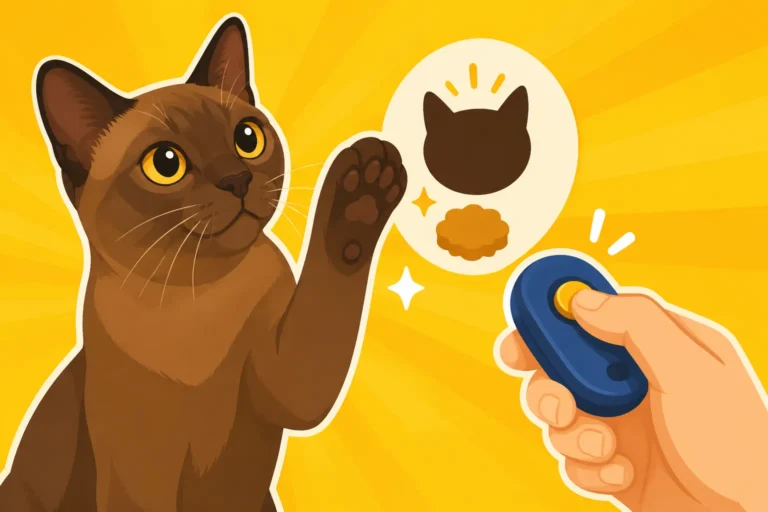
Training your Burmese to associate vet visits with positive experiences starts at home. Regularly handle your cat in ways that mimic a vet examination. Gently touch their paws, look in their ears, and open their mouth to check their teeth. Reward them with treats, praise, or a favorite toy. This makes them accustomed to being touched in these ways, reducing anxiety when a vet does it. You can even practice short trips in their carrier to get them used to it. Brands on Amazon offer a variety of collapsible carriers that can be left open at home as a cozy bed, helping your cat associate it with comfort rather than just scary car rides. This strategy is also vital for things like Getting a Toothbrush Into a Burmese Kitten's Routine, where consistent, gentle handling makes a big difference.
Consider using calming pheromone sprays or diffusers in their carrier or around the house before a vet appointment. These can help create a more relaxed environment. When you arrive at the clinic, keep your demeanor calm and reassuring. Speak in soft tones, and offer comfort. If your vet allows, bring a favorite small blanket or toy that smells like home to place in the carrier or on the examination table. The familiarity can be a great comfort to your cat. Positive reinforcement during the visit, like treats after an injection or examination, can further solidify the idea that the vet isn't such a bad place after all. You'd be surprised how readily a Burmese learns to tolerate things like Teaching a Burmese to Sit Still for a Glucose Check with consistent positive reinforcement.
Creating a Calm Travel Experience
The journey to the vet can often be the most stressful part of the entire visit for any cat. For a Burmese, who thrive on routine and comfort, minimizing travel anxiety is key. Start by making the carrier a safe and inviting space, not just something that appears when a vet visit is imminent. Leave it out in a common area with soft bedding and perhaps a treat or two inside. Making the Carrier Somewhere a Burmese Sleeps can transform it from a feared object into a familiar den. Many owners find that a secure, well-ventilated carrier from Amazon is worth the investment.
When it's time to travel, place the carrier in the car where it's stable and won't slide around. Covering the carrier with a light blanket can also help reduce visual stimuli and provide a sense of security. Avoid loud music or sudden movements in the car. Talk to your Burmese calmly during the drive. The goal is to make the trip as uneventful as possible. Upon arrival at the clinic, try to keep your cat's wait time in the reception area to a minimum. If possible, ask if you can wait in a quieter area or even in your car until it's time for your appointment. These small considerations can make a huge difference in how relaxed your Burmese is when they finally meet the vet, allowing their naturally cooperative nature to shine through.
The Importance of a Routine
Burmese cats are creatures of habit and thrive on predictability. Establishing a consistent routine for feeding, play, and quiet time can help reduce overall stress levels, which in turn makes them more resilient to the occasional disruption of a vet visit. When their daily life is stable, a trip to the vet is just a minor blip, rather than a major upheaval. This is why Why a Burmese's Weight Should Be Recorded Monthly and other regular at-home health checks can be integrated into a routine, making them less of a surprise.
For instance, if your Burmese typically eats at certain times, try to schedule vet appointments so they don't drastically interfere with their meal schedule. If an intervention like How to Handle a Burmese for Insulin Injections becomes a regular part of their lives, maintaining a strict schedule around their meals and injections is paramount. Keeping track of their normal behaviors – how much they eat, how much they drink, their litter box habits – can also help you communicate effectively with your vet, allowing them to make a quick and accurate assessment of your cat's health. The consistency of these routines helps build confidence in your Burmese, and a confident cat is almost always a better patient.
Here's a quick overview of why vets often love examining a Burmese:
| Trait Category | Specific Trait | Vet Handling Benefit |
|---|---|---|
| Temperament | Affectionate | Seeks comfort, less likely to hide or lash out. |
| Trusting | More receptive to touch from unfamiliar people. | |
| Social | Enjoys interaction, often purrs during exams. | |
| Physical | Compact Build | Sturdy and easy to hold securely, less squirming. |
| Muscular Density | Feels heavier than looks, good center of gravity. | |
| Short Coat | No tangles/mats, easy skin access for exams/injections. | |
| Training | Socialized Early | Accustomed to handling from kittenhood. |
| Responds to Reinforcement | Easily trained for cooperation with treats/praise. |
Ultimately, the reason vets enjoy handling a Burmese so much boils down to a harmonious blend of their intrinsic personality, careful breeding, and physical characteristics. Their eager-to-please, affectionate nature often means Why a Burmese Purrs Through a Vet Examination is a common occurrence, making veterinary care not just easier, but genuinely more pleasant for everyone involved.
Disclaimer
This article is for general informational purposes only and does not constitute professional advice. Laws, prices and regulations vary by location and change over time. Consult a qualified professional for guidance on your specific situation.