Why a Burmese Cares Less About the House Than the People
It's a common, almost universal truth among Burmese cat owners: these magnificent felines just don't seem to care as much about the fancy cat tree or the expensive toys as they do about your mere presence. If you've ever felt like your Burmese values your lap over an entire room full of enrichment, you're not alone, and this guide will explore exactly why your Burmese cat prioritizes its human companions above nearly everything else in the house, helping you understand their deep-seated need for connection.
The Burmese: A People-Oriented Breed By Design
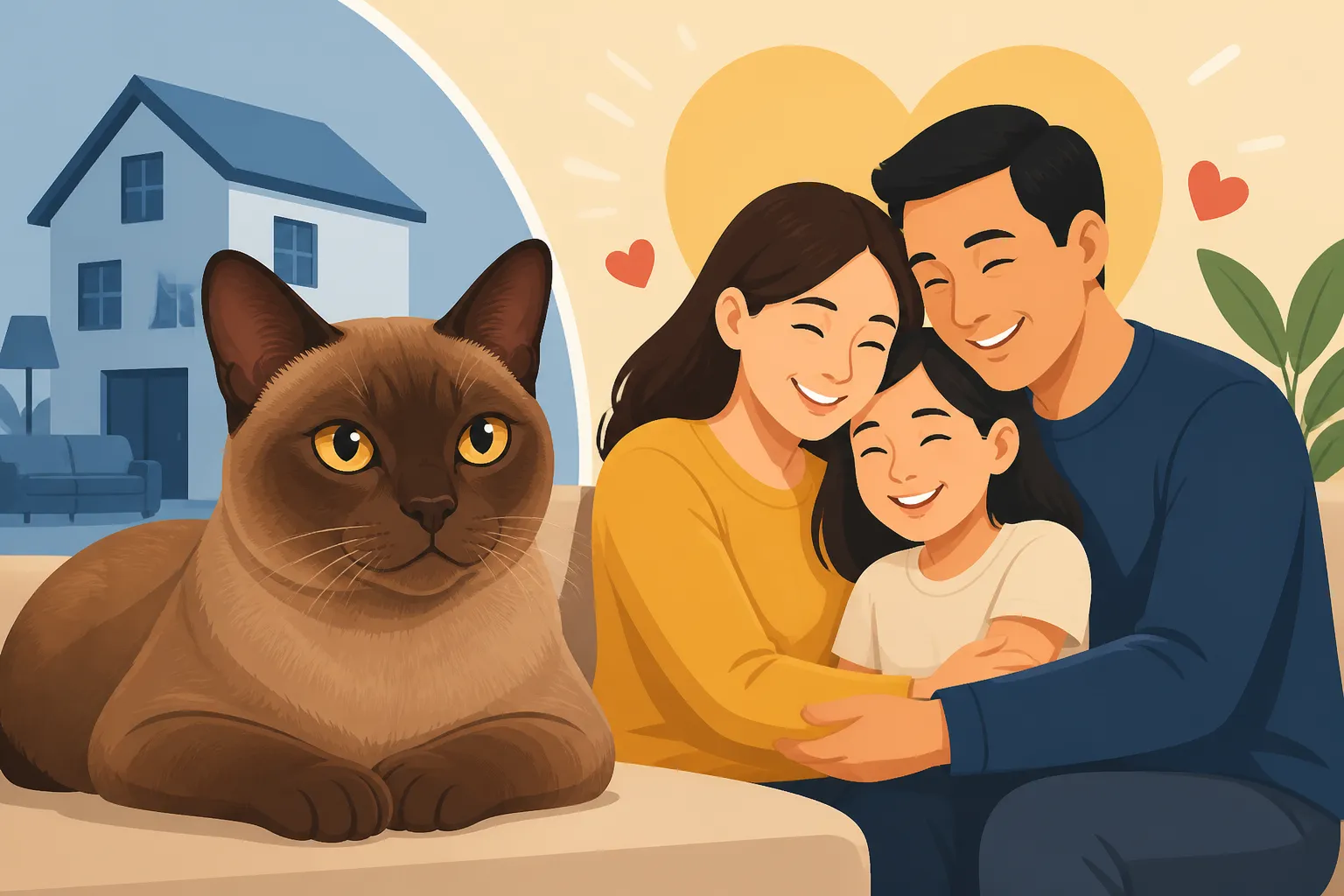
When you bring a Burmese into your home, you're not just getting a pet; you're adopting a shadow, a confidante, and a furry little person who will integrate themselves into every aspect of your life. This isn't an accident or just a quirky individual trait; it's deeply ingrained in the very fabric of the breed itself. Their devotion to humans is one of their most defining and celebrated characteristics.
A History of Closeness
The origins of the Burmese breed are quite fascinating and, in many ways, set the stage for their incredibly people-centric nature. The breed essentially began with one cat, Wong Mau, who was brought to the United States from Burma in the 1930s. Dr. Joseph Thompson, who acquired Wong Mau, was immediately struck by her unique appearance and captivating personality. From the very beginning, the focus was on cultivating a cat with a distinct look and an exceptional temperament. Early breeders prioritized not just their striking sable coats or muscular builds, but also their affectionate, engaging dispositions. This wasn't a breed allowed to develop in isolation; it was carefully nurtured with human interaction at its core. The Burmese Began With One Cat Called Wong Mau This hands-on, intentional breeding process, with close human observation and interaction, likely selected for and reinforced the traits of sociability and dependence on human company. Unlike some breeds that were valued for their hunting prowess or independent spirit, the Burmese was bred to be a companion first and foremost.
The "Dog-Like" Personality
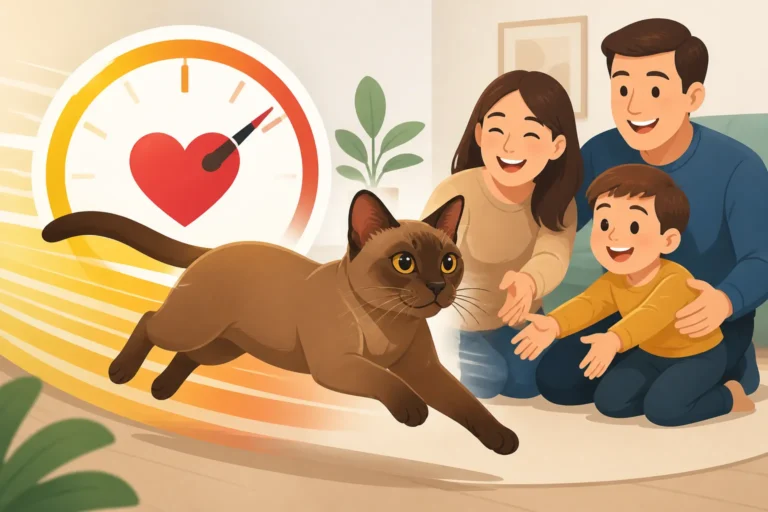
If you've spent any time around a Burmese, you've probably heard them described as "dogs in cat suits," and it's a comparison that holds a lot of truth. They possess many traits we typically associate with canines rather than felines. For example, a Burmese will often follow you from room to room, greeting you enthusiastically at the door, and demanding attention with a gentle head-butt or a persistent purr. They don't just tolerate human interaction; they actively seek it out and thrive on it. This means they'll often prefer to be on your lap, on your shoulder, or nestled right up against you on the couch, rather than observing from a distance. Their need for proximity is almost palpable. This dog-like quality extends to their willingness to engage in games like fetch, walk on a leash (with training, of course!), and learn tricks, all of which strengthen their bond with their human. Why the Burmese Is Called a Dog in a Cat's Body They aren't aloof, independent hunters; they are deeply social creatures who crave shared experiences and physical touch with their chosen people. This is why you'll often find them choosing to sleep right next to you, or even under the covers, soaking up every bit of warmth and companionship.
Understanding Their Emotional Needs
The deep connection a Burmese forms with its humans isn't just a preference; it's a fundamental emotional need. Ignoring this need can lead to significant distress for the cat, manifesting in ways that are often misunderstood by owners unfamiliar with the breed's unique requirements. Their entire emotional landscape is wired around proximity and interaction.
Separation Anxiety and Its Manifestations
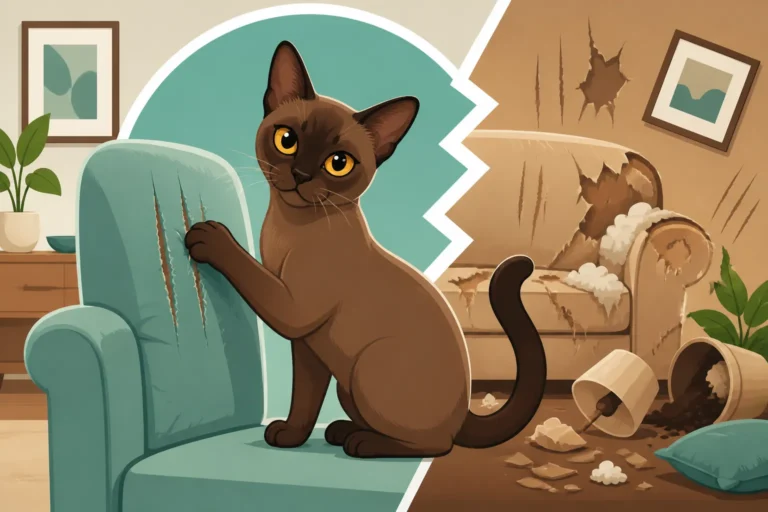
Because Burmese cats are so intrinsically linked to their people, they are particularly susceptible to separation anxiety. This isn't just about missing you; it's a genuine emotional struggle that can be quite distressing for the cat. If a Burmese is left alone for extended periods, especially day after day, you might start to see some troubling behaviors. They might become destructive, scratching furniture excessively or knocking things off shelves, not out of malice, but out of stress and boredom. Some may even pull their own fur out, leading to bald patches, a clear sign of self-soothing in the face of anxiety. Others might begin spraying urine outside the litter box, an undesirable behavior often linked to feeling insecure or anxious in their environment. What Separation Anxiety Looks Like in a Burmese
It’s truly heartbreaking to witness a Burmese struggling with this. Imagine a cat pacing by the door, yowling mournfully, or staring out the window for hours, desperately waiting for your return. This isn't just a cat being "naughty"; it's a cat experiencing genuine emotional pain. This is why breeders often emphasize that a Burmese cannot be left alone all day, especially if you work long hours. Why a Burmese Cannot Be Left Alone All Day Their well-being is directly tied to the amount and quality of human interaction they receive.
The Constant Quest for Company
A Burmese cat isn't just happy to be around you; they actively need to be around you. They have an almost uncanny ability to detect which room you're in and will often make it their mission to join you there, no matter what you're doing. If you close a door behind you, don't be surprised to hear a soft rasping sound, followed by persistent pawing or even a gentle head-butt against the wood. They truly cannot let you leave the room without attempting to follow. Why a Burmese Cannot Let You Leave the Room
This isn't about control; it's about connection. They want to be involved, to observe, and to share your space. Whether you're cooking dinner, working at your desk, or simply reading a book, your Burmese will likely find a way to be nearby, perhaps draped over your shoulder, nestled on your lap, or simply curled up on the closest available surface. If you try to shut them out of a room, they will often sit against a closed door, patiently waiting, occasionally letting out a plaintive rumble until they are reunited with their person. Why a Burmese Sits Against a Closed Door Their happiness is directly correlated with their ability to participate in your daily life. They don't just tolerate your presence; they actively cherish it.
Practical Implications for Burmese Owners
Understanding this profound need for human connection is crucial for any Burmese owner or prospective owner. It means that your approach to their care and enrichment needs to be different from that of a more independent cat breed. You're not just providing food, water, and shelter; you're providing companionship, interaction, and emotional security.
Creating a People-Centric Environment
Since your Burmese cares more about you than elaborate cat condos, think about how you can integrate them into your living spaces and daily routines. Instead of focusing solely on standalone cat furniture, consider items that facilitate interaction and closeness.
- Vertical Space for Shared Views: While they love laps, Burmese also appreciate vertical perches that allow them to be at your eye level or observe you from above. A cat tree placed near a favorite human gathering spot, like the living room couch or a desk, is more likely to be used than one tucked away in a spare room. You might find great multi-level options on Amazon that blend into your decor.
- Comfortable Sleeping Spots Near You: Your Burmese will almost certainly prefer to sleep in your bed, ideally on you or right beside you. If that's not feasible, a soft, warm bed placed right next to your side of the bed will be much appreciated. They seek out warmth and the scent of their humans. Why a Burmese Needs Somewhere Warm to Sleep
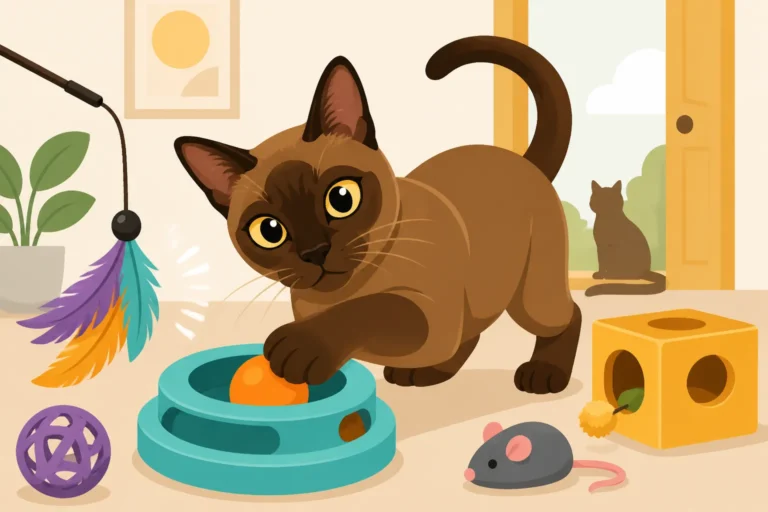
- Interactive Toys Within Reach: Instead of leaving a pile of toys in a basket, have some wand toys, laser pointers, or small, retrieve-friendly balls handy for spontaneous play sessions. Your Burmese will likely bring toys directly to you, dropping them at your feet, inviting you to play. This shared activity strengthens your bond far more than solitary play.
Remember, the goal is not to fill your house with cat gadgets, but to create an environment where your Burmese feels constantly connected and included.
Enrichment Beyond Toys
For a Burmese, enrichment isn't just about physical stimulation; it's about mental and emotional engagement with their people. While a catnip mouse or a crinkle ball has its place, it won't fulfill their deepest needs.
- Scheduled Play Sessions: Beyond spontaneous play, dedicate specific times each day for interactive play. Even 15-20 minutes with a wand toy can make a huge difference in their overall happiness and reduce anxiety. They stay kittenish into old age, so this is a lifelong commitment! A Burmese Is Still Playing at Fifteen
- Training and Tricks: Burmese are incredibly intelligent and food-motivated, making them excellent candidates for clicker training. Teaching them to sit, stay, or even walk on a leash provides mental stimulation and reinforces the human-animal bond. Which Tricks a Burmese Learns for a Piece of Food Just be mindful that they are very trusting and have no road sense, so outdoor adventures require a secure harness and a safe, enclosed space.
- "Talk" to Your Cat: Your Burmese loves to communicate with you, often with their unique, raspy rumble. Engage with them. Answer their rumbles, explain what you're doing, and simply have conversations. They thrive on this vocal interaction. What a Burmese Wants When It Rumbles at You
- Grooming as Bonding Time: Even though their satin coats are incredibly low maintenance, a weekly wipe-down with a chamois cloth or a soft brush isn't just for shine; it's a perfect opportunity for cuddles and bonding. Your Burmese will see this as precious attention.
The Value of a Companion
Given their profound need for company, one of the most effective solutions for a Burmese who spends time alone is to have another companion. This is why many ethical Burmese breeders will strongly recommend, or even require, that kittens are sold in pairs or to homes that already have another cat or a very cat-friendly dog. Why Burmese Breeders Sell Them in Pairs A second cat, especially another Burmese or a similarly social breed, can provide the constant companionship that a single human, no matter how devoted, simply cannot.
This isn't just about preventing loneliness; it's about promoting their natural social behavior. Two Burmese cats will groom each other, play together, and provide a constant source of comfort and entertainment. They will curl up together for naps, explore the house in tandem, and generally reduce the pressure on you to be their sole source of interaction. In fact, many owners find that two Burmese cats are actually easier than one anxious, destructive Burmese, both emotionally and financially. Why Two Burmese Cost Less Than One Anxious One While the initial cost is higher, the long-term benefits of a harmonious, well-adjusted household are invaluable. When looking for toys for two, remember that interactive puzzle feeders from Amazon can keep them both mentally stimulated while you're away.
Here’s a quick comparison of what typically motivates a general housecat versus a Burmese:
| Trait/Motivation | General Housecat | Burmese Cat |
|---|---|---|
| Primary Focus | Territory, resources, comfort, routine | Human companionship, interaction, proximity |
| Alone Time | Generally tolerable, prefers predictable schedule | Prone to separation anxiety, needs consistent interaction |
| Play | Enjoys independent play, hunting simulations | Thrives on interactive play with humans, retrieving, learning tricks |
| Affection | May seek affection on their terms, some lap time | Constantly seeks physical closeness, lap-riding, shoulder-riding |
| Vocalization | Meows for needs, occasional chirps | Distinct "rasp" or rumble, talks back to humans, seeks dialogue |
| Environment | Benefits from vertical space, quiet retreats | Prefers to be in the center of human activity, on furniture with people |
| Reaction to Door | May acknowledge, might be curious or indifferent | Will often follow, sit outside, vocalize until reunited with human |
The Sound of Their Affection
One of the most charming and undeniable proofs of a Burmese's focus on people is their unique way of communicating. They don't just quietly coexist; they actively engage with you, using a distinct vocal repertoire that is almost as famous as their stunning good looks.
Their Unique Voice
The Burmese is well-known for its distinctive voice, which is often described as a "rasping rumble" rather than a typical meow. It's throatier, softer, and more conversational than the sharp, insistent cries of some other Asian breeds like the Siamese. This unique sound is part of their charm and how they express their constant desire for interaction. It's a sound that can range from a soft, questioning purr to a more demanding "mrowl" when they want your attention, but it rarely escalates into an ear-splitting yell. The Rasping Rumble a Burmese Uses Instead of a Meow You'll find yourself quickly learning the nuances of their rumbles, understanding whether they're asking for food, demanding cuddles, or simply announcing their presence in the room. This isn't a cat that just sits silently in the corner; they're very much a part of the vocal tapestry of your home.
Communication Through Closeness
Their vocalizations are almost always directed at you, serving as a constant dialogue. When a Burmese rumbles at you, they're typically asking for something very specific: your attention, your lap, a gentle stroke, or perhaps a treat. It's their way of initiating and maintaining contact, a constant affirmation of their bond with you. What a Burmese Wants When It Rumbles at You They might rumble while kneading your chest, while nudging their head into your hand, or even when simply following you from one room to another. It's a testament to their people-centric nature; they communicate with you, not just at you. This constant, gentle communication reinforces the idea that their world revolves around their human companions, making them truly special and deeply connected pets. You might even find yourself on Amazon searching for interactive toys that respond to sound, just to keep the conversation going!
Disclaimer
This article is for general informational purposes only and does not constitute professional advice. Laws, prices and regulations vary by location and change over time. Consult a qualified professional for guidance on your specific situation.