Why a Burmese Should Never Be Free Fed
One of the most heart-wrenching struggles Burmese cat owners face is watching their beloved, naturally affectionate companion battle diabetes or struggle with obesity. It’s incredibly easy to fall into the trap of free-feeding, especially with a cat as food-motivated as a Burmese, but for this particular breed, it’s a practice fraught with severe health risks. This guide will walk you through precisely why leaving food out all day is a serious disservice to your Burmese, delving into their unique physiology and offering practical, empathetic solutions to keep them healthy and happy for years to come.
The Unique Metabolism of the Burmese Cat
It’s tempting to think all cats are created equal when it comes to diet, but that couldn’t be further from the truth, especially for our charming Burmese friends. They carry a unique metabolic blueprint that makes them particularly vulnerable to certain health issues if not fed correctly. Understanding this is the first step in providing them with the best care.
The Genetic Predisposition to Diabetes
Let's be blunt: your Burmese is, sadly, more predisposed to diabetes than almost any other cat breed out there. This isn't just a casual observation; it's a well-documented genetic reality. While many factors contribute to feline diabetes, for the Burmese, there's an inherited component that means their pancreatic cells, which produce insulin, can be more susceptible to failure or inefficiency over time. It's a cruel twist of fate for such a sweet-natured cat, but it's a fact we, as owners, need to confront head-on. This predisposition means that what might be a minor dietary indiscretion for another breed could become a significant health crisis for a Burmese. We often hear about how some breeds are prone to hip issues or heart conditions; for the Burmese, it’s a highly efficient metabolism that, when overloaded, goes awry. The Burmese Has the Highest Diabetes Rate of Any Cat Breed is a stark reminder of this reality, and it’s something every potential and current Burmese owner needs to internalize.
When you bring a Burmese into your home, you're essentially signing up to be a vigilant guardian of their metabolic health. This isn't about blaming the cat or genetic bad luck; it's about acknowledging a biological vulnerability and adapting our care strategies accordingly. If their body is already primed to struggle with blood sugar regulation, then consistently providing an uncontrolled food source is like handing them a one-way ticket to illness. It exacerbates an already present risk, putting undue strain on their delicate system.
Efficient Calorie Utilization and Weight Gain
Another fascinating, yet problematic, aspect of the Burmese cat’s metabolism is their incredibly efficient calorie utilization. They are, quite simply, excellent at converting food into energy and, unfortunately, into fat. This isn't to say they're lazy; far from it, many Burmese are incredibly active and playful well into their senior years. However, their bodies are designed to make the most of every bite. Historically, in their native environments, this might have been an evolutionary advantage, helping them survive periods of scarcity. In our modern homes, with readily available, often calorie-dense, food, it becomes a significant disadvantage.
What this means in practice is that a Burmese can gain weight surprisingly quickly, even on what might seem like a reasonable amount of food for another breed. That sleek, muscular body can thicken around the middle before you even notice, turning that "brick wrapped in silk" into something a bit more like a "brick wrapped in… well, a thicker brick." Every extra calorie counts more for a Burmese, and if those calories are available 24/7 through free feeding, the weight will pile on. How Much Weight Raises a Burmese's Diabetes Risk is a critical read for understanding just how detrimental even a few extra pounds can be for this breed. This weight gain, in turn, heavily contributes to insulin resistance, pushing them further down the path toward diabetes.
Understanding the Burmese's Insatiable Appetite
If you've ever owned a Burmese, you know their appetite isn't just healthy; it's legendary. They are often described as bottomless pits, constantly seeking out food, begging for treats, and seemingly always hungry. This isn't just a quirky personality trait; it's deeply ingrained in their behavior and, again, likely linked to their efficient metabolism. They truly love food, and this strong drive makes free-feeding an especially perilous choice. It’s hard to say no to those expressive eyes and persistent rumbles, but it’s crucial for their health.
This insatiable appetite means they often lack the "off switch" that some other cat breeds might possess. While some cats will graze and leave food, a Burmese is far more likely to eat everything placed before them, and then actively seek out more. If food is continuously available, they will continuously eat. This isn't gluttony in a moral sense, but a powerful instinct that, when combined with their genetic predispositions, becomes a dangerous combination. It’s a common frustration for owners, who feel like they are constantly battling a hungry cat. Why a Burmese Never Stops Asking for Food perfectly captures this daily challenge. We want to spoil our pets, but for a Burmese, "spoiling" with unlimited food is actually harming them.
The Dangers of Free Feeding for Burmese Health
Given their unique metabolic makeup and genetic predispositions, free feeding a Burmese isn't just ill-advised; it actively puts their health at risk. It creates a perfect storm where their natural tendencies and vulnerabilities align with an unrestricted diet, leading to a cascade of preventable problems.
Elevated Diabetes Risk and Its Onset
The most significant and dire consequence of free feeding a Burmese is the severely elevated risk of developing diabetes. As we discussed, they already have a genetic predisposition, and free feeding acts as a potent accelerant. When food is available constantly, their bodies are continually processing carbohydrates and fats, leading to sustained high blood sugar levels. This relentless demand on the pancreas to produce insulin eventually exhausts the insulin-producing cells, or makes the body's cells resistant to the insulin being produced. It's like asking an engine to run at full throttle, non-stop, for years; eventually, it’s going to break down.
The onset of diabetes in a Burmese is often insidious. Owners might notice subtle changes at first – a bit more thirst, more frequent trips to the litter box, maybe a slight increase in appetite even as weight loss begins. These are all classic signs, but by then, the disease is already established. Free feeding masks these early warning signs because you don't have a clear picture of how much they're truly eating or how quickly. It also prevents the natural rhythm of digestion and blood sugar regulation that comes with distinct meals, further disrupting their system. Why a Burmese Is Four Times More Likely to Become Diabetic underscores the severe nature of this risk, making portion control not just a recommendation, but a critical medical intervention for the breed.
The Silent Creep of Obesity
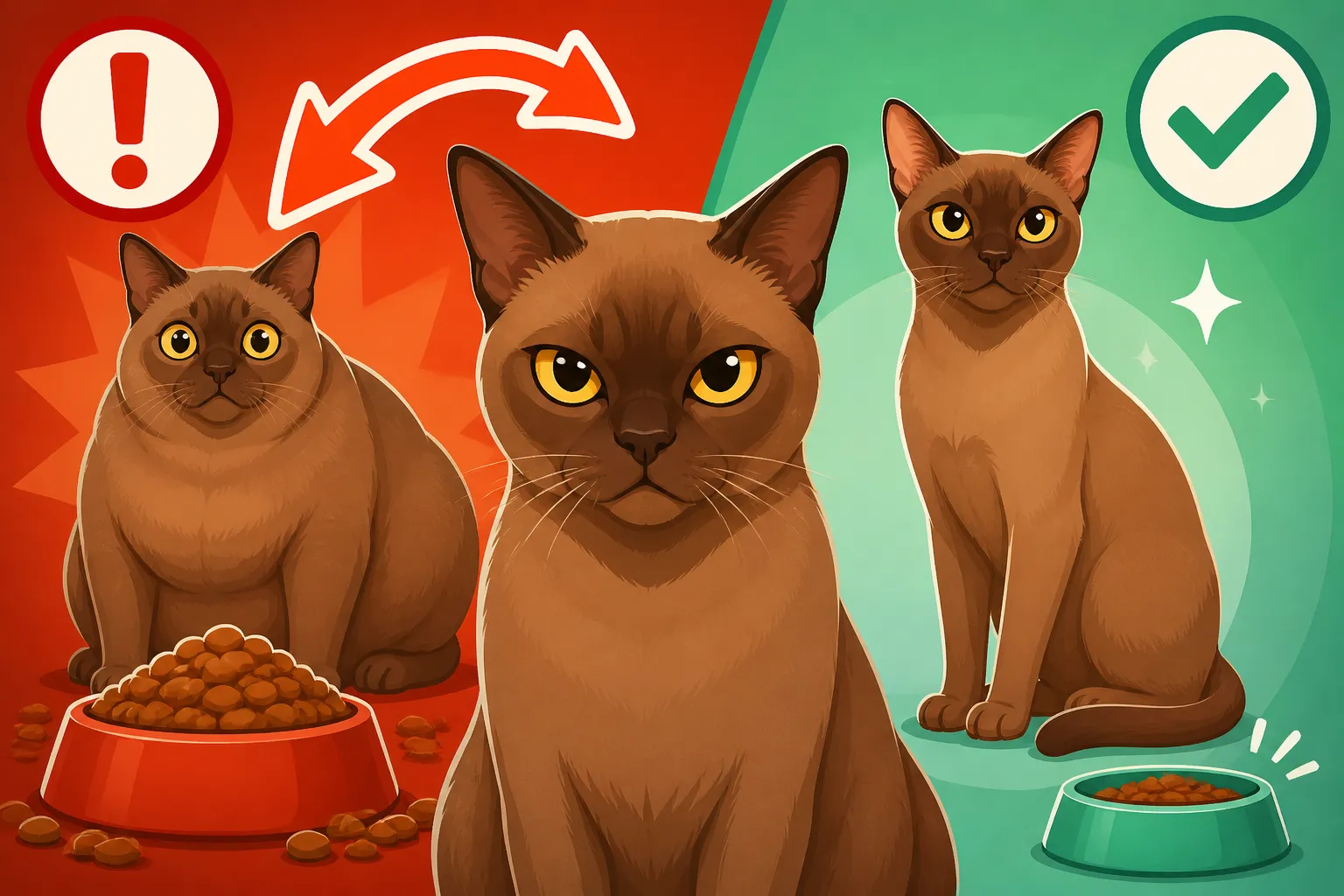
Beyond diabetes, free feeding directly fuels obesity in Burmese cats. Their dense, muscular build can often hide excess weight until it becomes quite pronounced. That "brick wrapped in silk" can easily become padded with a layer of fat that compromises their overall health. Obesity isn't just about aesthetics; it's a significant health concern in itself, leading to a host of secondary problems. Imagine carrying an extra 20 or 30 pounds on your own frame all day, every day; it puts a strain on everything.
An obese Burmese is at higher risk for joint issues, particularly as they age, even though they aren't typically known for hip or elbow problems. Their playful nature might be inhibited, making them less active and creating a vicious cycle of weight gain. Furthermore, obesity complicates anesthesia should they ever need surgery, increases their risk for hepatic lipidosis (fatty liver disease) if they go off food for any reason, and can even impact their ability to groom themselves properly, leading to coat problems. The beauty of their satin coat can be dulled, and they may struggle to reach certain areas, leading to mats or skin issues. Free feeding allows for this silent creep of weight gain to occur without the owner's conscious awareness of exactly how much food is being consumed daily.
Impact on Dental Health and Digestion
While not as immediately life-threatening as diabetes or severe obesity, free feeding can also negatively impact a Burmese's dental health and digestive system. When food is always available, cats tend to graze throughout the day, often consuming small amounts repeatedly. This constant presence of food in the mouth, especially if it's kibble, can contribute to plaque and tartar buildup. Unlike wolves tearing meat, domestic cats, particularly those on dry food, often don't get the necessary abrasive action to clean their teeth naturally.
The Burmese are already prone to gum disease, with receding gums being a common issue even with good care. Why a Burmese's Gums Recede Early highlights this specific vulnerability. Continuous grazing means their teeth are almost constantly exposed to food particles and bacteria, which can accelerate dental problems. Furthermore, constant snacking can disrupt the natural digestive cycle. Cats are designed to eat distinct meals, digest, and then rest before the next meal. Free feeding can lead to an overtaxed digestive system, potential reflux, or simply less efficient nutrient absorption over time. It can also make it harder to spot if your cat's appetite truly changes, as there's no clear baseline of how much they normally eat.
Why Portion Control Is Non-Negotiable for a Burmese
Given the severe health risks associated with free feeding, it becomes clear that portion control isn't just a suggestion for a Burmese; it's an essential act of preventative medical care. It's about providing their bodies with exactly what they need, when they need it, to thrive.
Precision Feeding for Blood Sugar Stability
For a breed so predisposed to diabetes, stable blood sugar levels are paramount. Portion control, delivered through scheduled meals, is the best way to achieve this. Instead of a constant influx of calories that sends blood sugar on a roller coaster, precise, measured meals allow the pancreas to release insulin in a controlled manner. This reduces the strain on insulin-producing cells and helps maintain healthy glucose levels throughout the day. It trains their body to expect food at certain times, leading to a more regulated metabolic response.
Imagine a human diabetic trying to manage their condition by constantly grazing on snacks; it would be nearly impossible. The same principle applies to your Burmese. Each meal becomes an opportunity to provide the right balance of nutrients without overwhelming their system. Why Portion Control Is Medical Care in a Burmese isn't an exaggeration; it truly reflects the scientific basis behind managing their unique metabolism. This deliberate approach to feeding is fundamental to mitigating their inherited risks and promoting long-term health.
Maintaining a Healthy Body Condition Score
Portion control is the most effective tool for managing and maintaining a healthy body condition score (BCS) for your Burmese. Because they are so efficient at utilizing calories, even a small surplus can lead to weight gain. By precisely measuring each meal, you can ensure they are receiving the appropriate number of calories for their age, activity level, and current weight, rather than an arbitrary, unlimited amount. It allows you to be proactive in preventing obesity, rather than reactive once the pounds have already piled on.
Regularly assessing their BCS, feeling for their ribs, and noting their waistline become crucial elements of their care. With portion control, if you notice your Burmese is starting to put on a little extra weight, you can make small, calculated adjustments to their meal sizes, rather than trying to guess how much they're eating when free-fed. This proactive management is key to preventing the cascade of health issues associated with obesity. Tools like kitchen scales are invaluable here, as a "scoop" can vary wildly in weight and calorie content. How to Score a Burmese's Body Condition provides excellent guidance on this.
The Importance of Consistent Meal Schedules
Beyond how much food, when that food is offered plays a vital role in a Burmese's health. Consistent meal schedules (typically two to three meals per day for an adult cat) reinforce a healthy metabolic rhythm. Their bodies learn when to expect nutrients, allowing their digestive system and hormone regulation to work more efficiently. This predictability can also reduce anxiety around food, making them less likely to "panic eat" when food is eventually presented.
A set schedule also offers a golden opportunity for owners to observe their cat's appetite. Is your Burmese clearing their bowl with gusto, or are they leaving some behind? A sudden change in appetite – either a refusal to eat or a ravenous hunger outside of their usual mealtime – can be an early indicator of a health issue, particularly diabetes. If you're free feeding, it's almost impossible to detect these subtle but critical shifts until a problem is well advanced. A meal schedule provides a clear baseline, turning mealtime into a daily health check.
Choosing the Right Diet for a Diabetes-Prone Burmese
Selecting the right food for your Burmese isn't just about picking a brand off the shelf; it's a critical decision that directly impacts their longevity and quality of life, especially considering their diabetes predisposition. The type of food can be as important as the quantity.
Low Carbohydrate, High Protein Diets
For a Burmese, a diet that is low in carbohydrates and high in protein is not merely preferable; it's often medically indicated. Cats, as obligate carnivores, are biologically designed to thrive on a diet rich in animal protein and fat, with very minimal carbohydrates. High carbohydrate diets, common in many dry kibbles, can constantly spike a Burmese's blood sugar, placing immense strain on their pancreas over time and aggravating their genetic predisposition to diabetes.
Focusing on a high-protein, low-carbohydrate diet helps to stabilize blood sugar levels and supports their lean, muscular physique. Protein provides sustained energy and helps maintain muscle mass, which is crucial for their overall metabolic health. When looking at food labels, aim for options where the carbohydrate content is as low as possible, ideally under 10% of metabolizable energy. This might require some careful calculation, but it’s worth the effort. Why Low Carbohydrate Food Matters for a Burmese explains the science behind this dietary cornerstone. Many premium brands offer veterinary-formulated diabetic-friendly diets or simply high-quality, grain-free wet foods that naturally fit this profile.
The Superiority of Wet Food
When it comes to feeding a Burmese, wet food generally trumps dry kibble by a significant margin. There are several compelling reasons for this. Firstly, wet food typically has a much lower carbohydrate content compared to most dry foods, which often rely on grains or starches as binders. This aligns perfectly with the low-carb, high-protein principle essential for Burmese health. Secondly, wet food provides crucial hydration. Cats are notoriously poor drinkers, often not consuming enough water to compensate for a dry diet. This chronic mild dehydration can strain their kidneys and urinary tract. Wet food helps ensure they get a good portion of their daily water intake directly from their meals.
Additionally, the higher moisture content in wet food helps your Burmese feel fuller, which is a huge advantage when dealing with their strong appetite. A meal of wet food will usually have fewer calories per gram than kibble but will occupy more volume in their stomach, leading to greater satiety. This can be a game-changer for weight management and preventing the constant begging that can make portion control so challenging. You can often find a wide selection of suitable wet foods on platforms like Chewy or Amazon.
Avoiding High-Calorie, Dense Kibble
Many commercially available dry kibbles are simply too calorie-dense and carbohydrate-heavy for a Burmese cat. While convenient for owners, they represent a significant risk factor for weight gain and diabetes in this breed. Kibble's low moisture content means a small volume can pack a huge caloric punch, making it easy to overfeed even when trying to measure. Furthermore, the constant "grazing" encouraged by free-feeding dry kibble leads to sustained blood sugar spikes, which, as we've established, is disastrous for a Burmese's pancreas.
Even if you do portion control dry kibble, its inherent nutritional profile often works against the Burmese's metabolic needs. It's often formulated with fillers and grains that are inexpensive but nutritionally suboptimal for an obligate carnivore. If you absolutely must feed some dry food (perhaps for dental health, although wet food doesn't necessarily cause dental issues, and brushing is still key), it should be a very high-quality, low-carb option, and always precisely measured and fed as a meal, not left out. The goal is to minimize its overall contribution to their diet and never use it as the primary food source for a Burmese.
Practical Strategies for Controlled Feeding
Switching from free feeding to a controlled, scheduled meal plan can feel like a big change, but it’s absolutely doable and incredibly beneficial for your Burmese. Here are some practical steps to make the transition smooth and effective.
Accurate Weighing and Measuring Techniques
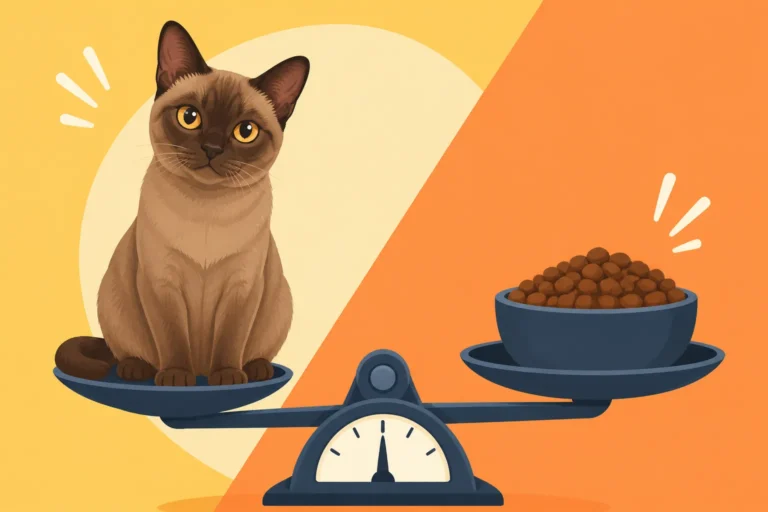
This is where the rubber meets the road: precision. Simply scooping food with a cup is not enough. Dry measuring cups for humans can vary wildly, and the density of cat food can make a "cup" of kibble weigh differently from week to week. For wet food, a level spoon might seem precise, but again, consistency is key. The most accurate way to ensure your Burmese is getting the correct calorie intake is to weigh their food using a digital kitchen scale. This eliminates guesswork and ensures that every meal is exactly what it needs to be.
Invest in a reliable digital kitchen scale and use it for every meal. It might feel a bit excessive at first, but it quickly becomes a habit. When starting a new food or a weight management plan, your vet will give you a target calorie intake. You then calculate the weight of the food that provides those calories. For instance, if your vet recommends 200 calories a day and your chosen wet food has 85 calories per 3 oz can, you'll know exactly how much of that can to offer. This level of precision is invaluable for managing a diabetes-prone breed. How to Weigh a Burmese Accurately at Home offers excellent tips for this crucial step.
Setting a Fixed Feeding Schedule
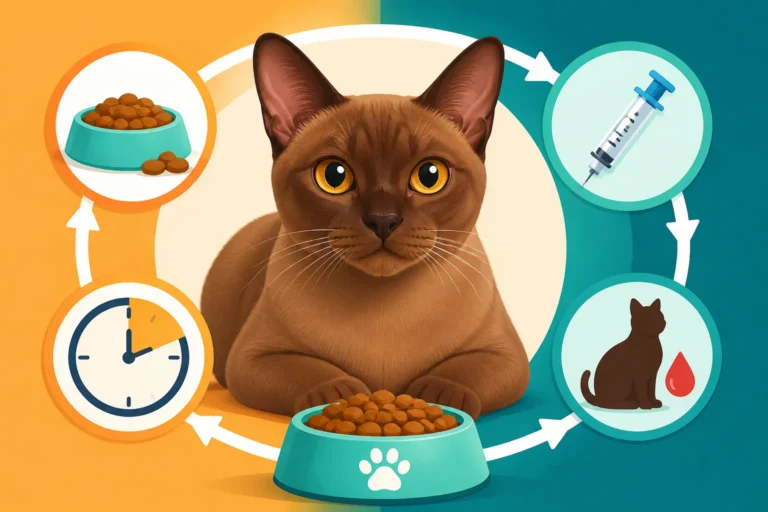
Cats are creatures of habit, and establishing a fixed feeding schedule helps regulate their digestive system and can even reduce food-related anxiety. For adult Burmese, two to three meals a day is generally ideal. For example, a morning meal, an afternoon meal, and an evening meal. The key is consistency. Try to feed them around the same times each day. This signals to their body when to expect nutrients and helps manage their blood sugar levels more effectively.
During the transition, your Burmese might complain. They're used to having food available whenever they please, and they will make their displeasure known. They might yowl, try to steal food, or generally act like they're starving. Be firm, but loving. Offer attention and play at times when they would have previously grazed, but stick to the meal schedule. Their strong bond with you can be leveraged here; make mealtime a positive, interactive experience. This schedule also provides a fantastic opportunity to administer any medications, like insulin, if your cat does become diabetic, as insulin is usually given around meal times.
Managing a Multi-Cat Household with a Burmese
One of the trickiest aspects of controlled feeding, particularly for a Burmese, is when you have other cats in the household who may not have the same dietary needs or metabolic vulnerabilities. You absolutely cannot free-feed the other cats if a Burmese is in the house; your Burmese will undoubtedly eat their food too. This means every cat in the house needs to be on a scheduled, portion-controlled feeding plan.
Here's where microchip feeders or separate feeding spaces become invaluable. Microchip feeders, which open only for the cat whose microchip they recognize, are a fantastic investment. They allow you to feed specific diets or portions to individual cats without worrying about food theft. Alternatively, feed cats in separate rooms, closing doors until everyone has finished their meal. This ensures each cat eats their own portion and nothing more. It might take a little extra effort initially, but it's a small price to pay for the long-term health of your entire feline family. Companies like SureFeed (available on Amazon or Chewy) offer excellent microchip feeders that make this process much easier. How to Keep Two Burmese on Different Diets delves deeper into these challenges.
| Feeding Method | Pros for Burmese Owners | Cons for Burmese Owners |
|---|---|---|
| Free Feeding | Convenient for owner; perceived as less stressful for cat | Leads to obesity & high diabetes risk; masks illness; no portion control; poor hydration |
| Timed Feeding | Better portion control; predictable schedule; promotes better digestion | Can still lead to overeating if portions aren't weighed; cat might beg between meals |
| Portion-Controlled Meals | Optimal for Burmese health; precise calorie intake; stable blood sugar; aids weight management; easy to monitor appetite | Requires owner discipline; initial complaints from cat; more effort for owner |
| Microchip Feeder | Ideal for multi-cat homes; ensures specific diets/portions | Upfront cost; not suitable for all food types (e.g., very wet/soupy) |
Monitoring Your Burmese's Weight and Health
Successfully implementing portion control is a huge step, but ongoing vigilance is just as important. Your Burmese's health is a dynamic thing, and regular monitoring allows you to catch any changes early and adjust their care as needed.
Regular Home Weigh-Ins and Body Condition Scoring
Making weekly or bi-weekly home weigh-ins a routine is one of the most proactive things you can do for your Burmese. Just like their insatiable appetite, their dense musculature can make it difficult to visually assess weight changes. Even a small gain of a few ounces can add up quickly for a cat. Use your digital kitchen scale, or if your cat is too large, use a pet scale or even weigh yourself, then weigh yourself holding your cat, and subtract the difference. Keep a simple log in a notebook or on your phone. Consistency in weighing – same time of day, before meals – will give you the most accurate trend.
Combine weigh-ins with regular body condition scoring (BCS). This involves gently feeling your cat's ribs, spine, and waist. You should be able to feel their ribs easily under a thin layer of muscle and fat, but not see them. They should have a noticeable waist when viewed from above. If their ribs are hard to find, or their waist is disappearing, it's a clear sign they are gaining too much weight. This hands-on approach helps you interpret the numbers from the scale and understand what's happening beneath that luxurious satin coat. Why a Burmese's Weight Should Be Recorded Monthly reinforces the importance of this simple habit.
Recognizing Early Signs of Diabetes
Despite your best efforts with diet and portion control, the genetic predisposition means a Burmese can still develop diabetes. Early detection is absolutely key to successful management and even remission. This is why paying close attention to their habits, especially their water intake and litter box usage, is so important. When you're not free-feeding, you have a much better baseline for noticing changes.
Keep an eye out for these subtle signs: increased thirst (you might notice their water bowl needs refilling more often), increased urination (more frequent or larger clumps in the litter box), an increase in appetite even as they might start losing weight, or any lethargy or change in energy levels. If you notice any of these symptoms, don't delay. A prompt visit to the vet for diagnostic testing is crucial. Early intervention with diet and potentially insulin can make a world of difference in the prognosis for a diabetic Burmese. Which Signs Come First in a Diabetic Burmese provides more details on what to look for.
The Role of Your Veterinarian in Nutritional Guidance
Your veterinarian is your most valuable partner in ensuring your Burmese's long-term health, especially regarding nutrition and weight management. Don't hesitate to discuss your cat's diet and feeding strategy with them at every check-up, starting from kittenhood. They can help you determine the ideal body weight for your individual cat, calculate precise caloric needs, and recommend specific food brands or formulations that align with a low-carb, high-protein approach.
Regular veterinary check-ups, including annual physical exams and blood work, become even more critical for a Burmese as they age. Your vet can perform blood glucose tests and other diagnostic screenings to catch early signs of metabolic issues or diabetes before they become overt. If your Burmese does develop diabetes, your vet will guide you through the process of management, which will heavily rely on strict portion control and diet. Why a Burmese's Annual Visit Includes a Glucose Reading highlights the importance of these routine checks. Think of your vet as the expert co-pilot in your Burmese’s health journey, providing professional guidance every step of the way.
Dispelling Common Free Feeding Myths for Burmese Owners
Many owners fall into the trap of free feeding for understandable reasons, often based on common misconceptions about feline behavior and nutrition. Let's debunk these myths, specifically in the context of our unique Burmese companions.
"My Cat Will Self-Regulate"
This is perhaps the biggest and most dangerous myth when it comes to free feeding any cat, but it's particularly untrue and harmful for a Burmese. The idea that cats naturally eat only what they need is unfortunately outdated and often contradicted by the reality of domestic cat behavior, especially with highly palatable, calorie-dense modern cat foods. While some rare individuals might graze healthily, the vast majority, and certainly almost all Burmese, will overeat if given unlimited access.
Their strong prey drive, coupled with their "bottomless pit" appetite, means they are instinctively driven to consume available resources. In the wild, food scarcity meant eating when possible was a survival strategy. In our homes, this translates to overconsumption. For a Burmese, who already has a genetic predisposition to diabetes and an efficient calorie-conversion system, relying on "self-regulation" is essentially inviting obesity and metabolic disease. It's not a matter of willpower for your cat; it's a biological imperative that we, as responsible owners, need to manage.
"Grazing Is Natural for Cats"
Another common belief is that cats are natural grazers, meaning they prefer to eat many small meals throughout the day and night. While cats in the wild might indeed eat several small prey items over a 24-hour period, there's a crucial distinction: those prey items are typically high in protein and fat, low in carbohydrates, and don't involve a constant, never-ending supply of processed food. Moreover, hunting takes energy, so each meal is earned.
The grazing behavior seen in free-fed domestic cats is often a consequence of the constant availability of food, not necessarily their natural preference when food is limited. When given fixed, appropriately sized meals of high-quality food, cats adapt quickly and thrive on a scheduled approach. The constant grazing that free feeding encourages, especially with high-carb kibble, leads to chronic blood sugar fluctuations and does not mimic the natural, energetically costly process of hunting and consuming whole prey. For a Burmese, whose metabolism struggles with carbohydrate load, this type of grazing is particularly detrimental.
"A Hungry Cat Is an Unhappy Cat"
This myth stems from a place of love and concern – no one wants their pet to suffer or feel deprived. Owners might worry that restricting food to scheduled meals will make their Burmese constantly hungry and therefore unhappy. However, this often confuses momentary food-seeking behavior with actual suffering. As we've established, Burmese cats are incredibly food-motivated. They will beg, yowl, and act dramatically for food, even if they are perfectly well-fed. This is part of their charming, if sometimes frustrating, personality.
Once a Burmese adjusts to a meal schedule, their bodies will learn to expect food at specific times, and their behavior will often normalize. The initial "hanger" might be intense, but it will pass. What does make a cat unhappy, and genuinely suffer, are the chronic health conditions that free feeding promotes: the lethargy and discomfort of obesity, the constant thirst and urination of diabetes, and the potential complications that arise from these preventable diseases. Providing a healthy, controlled diet is an act of love that prevents suffering, even if it means enduring a few dramatic mealtime performances initially. Remember, you're looking out for their long-term well-being, which is the truest form of happiness.
Disclaimer
This article is for general informational purposes only and does not constitute professional advice. Laws, prices and regulations vary by location and change over time. Consult a qualified professional for guidance on your specific situation.