Why a Chamois Beats a Comb on a Burmese
If you've ever tried to groom your beloved Burmese with a standard cat comb or a slicker brush, you might have walked away feeling utterly baffled. Instead of neatly gathering loose fur, these tools often seem to glide right over that distinctive, short coat, or worse, create static and mild frustration for both you and your cat. This guide is here to explain why those conventional grooming tools just don't cut it for a Burmese and introduce you to the unsung hero of Burmese grooming: the humble chamois.
Understanding the Burmese's Unique Coat: A Textile Marvel
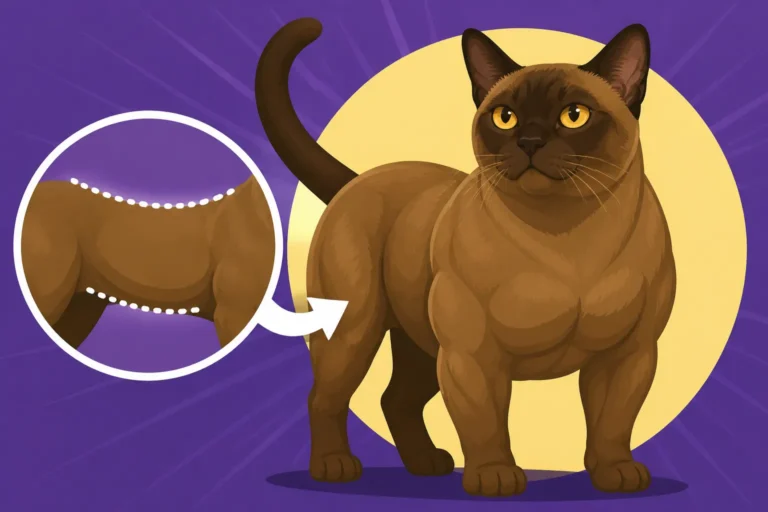
The Burmese cat is renowned for many things – their deep affection, their playful antics, and their surprisingly heavy, muscular build. But perhaps one of their most defining physical characteristics is their coat. It's unlike almost any other cat breed, and understanding its unique qualities is the first step to proper grooming.
The "Satin" Texture and Minimal Undercoat
When people describe a Burmese coat, "satin" is the word that most often comes to mind. This isn't just a poetic descriptor; it accurately reflects the texture and appearance. The individual hairs are incredibly fine, short, and lie remarkably flat against the body, creating an almost painted-on look. If you run your hand over a Burmese, it feels incredibly smooth, cool, and undeniably luxurious. This isn't a fluffy coat; it's sleek and dense, almost like velvet. This unique texture is what gives the breed its signature sheen and makes it stand out in a crowd of felines. We delve more into this in Why a Burmese's Coat Feels Like Satin.
What truly sets the Burmese coat apart from many other breeds is its almost non-existent undercoat. Most cats have a double coat: a soft, downy undercoat for insulation and longer, coarser guard hairs on top. The Burmese, however, essentially skips the undercoat. This lack of fluffy, insulating hairs is why a Burmese often seeks out the warmest spot in the house, like curled up on your lap or under the duvet. It also directly impacts their grooming needs. With no dense undercoat to shed in great clumps, the grooming process becomes much simpler, but also requires a different approach than what you might use for a long-haired Persian or even a standard domestic shorthair.
Why Traditional Grooming Tools Fall Short
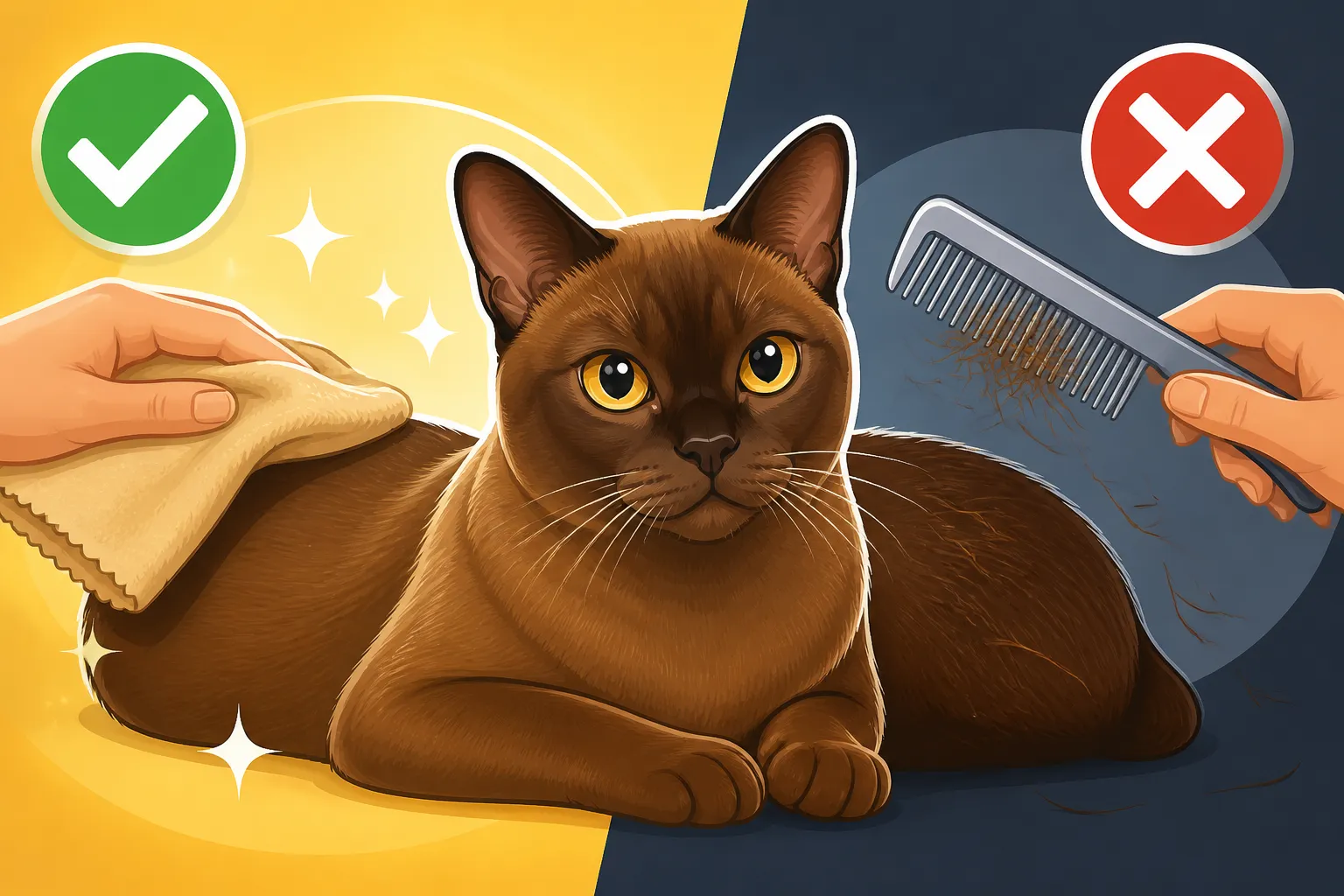
Given the Burmese's distinctive coat, it's easy to see why tools designed for other cat breeds often prove ineffective. Imagine trying to comb silk with a rake – it simply won't work well. Traditional cat combs, whether fine-toothed or wide-toothed, are primarily designed to detangle longer fur and pull out loose undercoat. For a Burmese, there's no long fur to detangle and very little undercoat to pull. A comb will mostly just glide over the surface, generating static electricity, or catch on the top layer of hair without actually collecting anything substantial. You might get a few stray hairs, but certainly not enough to feel like you've accomplished a thorough groom. This is explained further in How Short a Burmese's Coat Actually Is.
Similarly, slicker brushes, with their fine wire bristles, are fantastic for removing loose fur from dense, fluffy coats. But on a Burmese, their effectiveness is severely limited. The short, flat-lying hairs don't get caught effectively by the bristles, and the stiff wires can feel harsh on a Burmese's sensitive skin without doing much good. In fact, using a slicker brush can be an unpleasant experience for your cat, leading them to associate grooming with discomfort. You might notice your Burmese squirming or trying to escape when you try to use one. A deshedding tool, like some popular brands available on Amazon or Chewy, is also largely pointless on a Burmese because they are designed to reach and pull out undercoat, which, as we've established, the Burmese barely has. This is detailed in Why a Deshedding Tool Is Pointless on a Burmese.
The Chamois Advantage: Why It's the Burmese's Best Friend
So, if combs and brushes aren't the answer, what is? The secret lies in a material that might surprise you: a chamois cloth. This simple item is perfectly suited to the unique characteristics of the Burmese coat, offering a grooming experience that is both effective and enjoyable for your feline companion.
What is a Chamois and How It Works on Fine Coats
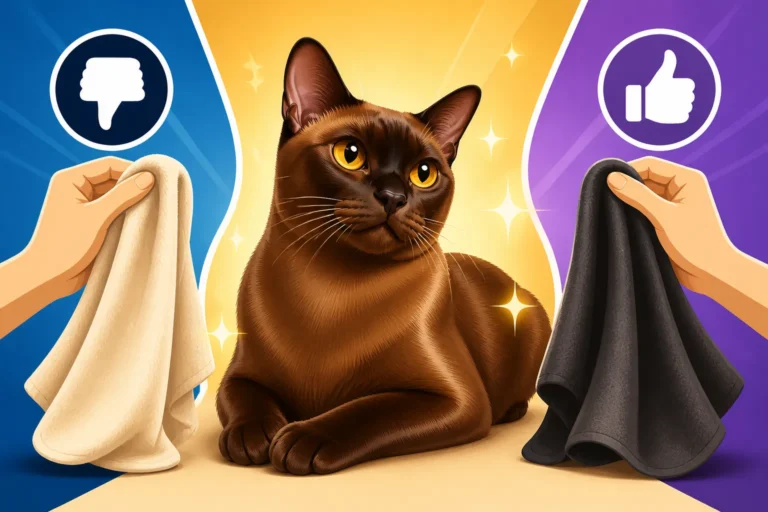
A chamois, traditionally made from sheepskin or a synthetic microfiber material, is incredibly soft, absorbent, and has a very fine, smooth texture. It's often used for polishing cars or cleaning delicate surfaces because it's non-abrasive and leaves no lint or streaks. For a Burmese cat, these same properties make it an ideal grooming tool. When you gently wipe a chamois over their coat, it works by clinging to loose hairs and fine dust particles through static attraction and slight friction, rather than by raking through layers of fur. The smoothness of the chamois complements the natural flatness of the Burmese coat, removing shed hairs and distributing natural oils without disturbing the hair's sleek lie.
Think of it less as "brushing" and more as "polishing." The fine fibers of the chamois gently pick up the individual hairs that have already detached from the follicle but are still clinging to the coat. Because Burmese cats have very little undercoat, the shed is typically minimal and consists of these fine, short hairs that are easily captured by the chamois. This method is incredibly gentle, making it a pleasant experience for your cat, turning grooming into an extension of petting rather than a chore.
Enhancing the Burmese's Natural Shine and Luster
One of the most striking features of a healthy Burmese coat is its incredible shine and luster, often described as a patent leather gleam. The chamois is exceptional at enhancing this natural brilliance. As you wipe the cloth over the coat, it not only removes loose hairs and dust but also gently polishes the individual strands. This action helps to distribute the natural oils produced by your cat's skin and hair follicles evenly across the coat. Even distribution of these oils is key to that healthy, vibrant sheen. Without it, the coat can look dull or slightly greasy in patches.
Regular chamois wiping acts like a daily buffing for their coat. It smooths down any microscopic inconsistencies in the hair shaft, allowing light to reflect off the surface more uniformly. The result is a deeper, richer color and that undeniable satin-like glow that makes Burmese cats so captivating. It's all about bringing out the best in what nature already gave them. You can read more about enhancing this shine in How to Bring Up the Shine on a Burmese's Coat.
Minimizing Shedding and Keeping Your Home Cleaner
Let's be realistic: no cat is truly "non-shedding." Even hairless breeds have dander! However, the Burmese is definitely on the lower end of the shedding spectrum, especially compared to breeds with dense undercoats. Their minimal undercoat means less fluff floating around your home. But those fine, short hairs still come out, and they can certainly accumulate on furniture, clothing, and dark surfaces. A chamois is your best defense against these errant strands.
By regularly wiping your Burmese with a chamois, you are proactively removing the hairs that are ready to shed before they fall out onto your sofa or your favorite black pants. This consistent removal of loose hairs means significantly less fur deposited around your home. It's a small effort that yields big results in maintaining a cleaner living environment. This proactive approach helps manage the natural shedding cycle, ensuring that How Little Hair a Satin Coated Burmese Leaves Behind truly remains minimal in your home. It also means less time spent lint-rolling your clothes and more time enjoying your pristine-looking cat.
How to Properly Use a Chamois for Optimal Results
Adopting a chamois into your Burmese's grooming routine is straightforward, but a few tips can help you get the most out of it and make it a pleasurable experience for your cat.
Preparing Your Burmese for a Grooming Session
The good news is that most Burmese cats absolutely adore attention, and they often view grooming as another form of bonding time. This is especially true if you introduce the chamois gently and consistently from a young age. Why a Burmese Treats Grooming as Attention is a real phenomenon! Choose a quiet time when your cat is relaxed, perhaps when they're already settled on your lap or next to you on the sofa. There's no need for elaborate setups or restraint, which is a huge relief compared to battling a long-haired cat with a brush.
Start by simply petting your Burmese, letting them know you're there for cuddles. Once they're purring happily, slowly introduce the chamois. Let them sniff it, perhaps rub their chin on it. The goal is to make it seem like a natural extension of your loving touch. A soft, clean chamois shouldn't feel threatening or uncomfortable. If your Burmese is new to this, keep the first few sessions very short – just a minute or two – and always end on a positive note, perhaps with a small treat or extra cuddles. Consistency is key to building a positive association.
The Gentle Art of Chamois Wiping
Using a chamois is less about aggressive brushing and more about gentle, consistent wiping. Start at your cat's head, moving down their back, then to their sides and chest. Always stroke in the direction of hair growth. You'll want to apply just enough pressure to make contact with the coat and gather loose hairs, but not so much that you're pulling or irritating their skin.
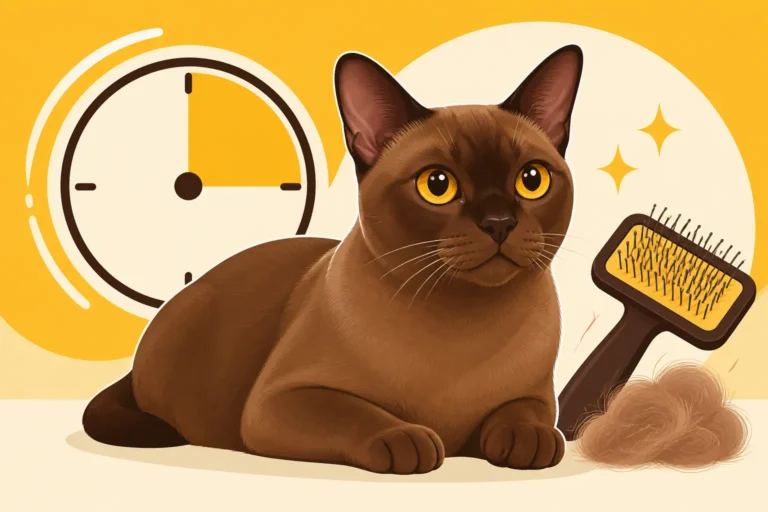
You'll notice that the chamois will pick up a surprisingly large amount of fine, short hair and dust, even if your cat doesn't appear to be shedding much. After a few strokes, fold the chamois to expose a clean section or give it a good shake outdoors to dislodge the collected fur. For particularly glossy results, some owners like to dampen the chamois very slightly (and then wring it out thoroughly) before wiping, as this can enhance the polishing effect and reduce static. However, for most regular grooming, a dry chamois works perfectly well. Remember, this isn't a race; it's a calm, affectionate interaction. How Many Minutes a Month a Burmese's Coat Takes is surprisingly low when you use the right tool!
Frequency and Routine for a Healthy Coat
One of the beauties of the Burmese coat is how low-maintenance it truly is. You won't need to dedicate hours each week to prevent matting or tangles, because with virtually no undercoat, these issues simply don't arise. A thorough chamois wipe once or twice a week is usually sufficient to keep their coat in pristine condition, looking shiny, and minimizing shedding around the house. If you notice a particular period of increased shedding, perhaps seasonally, you might increase the frequency to every other day.
However, many Burmese owners find that their cats enjoy the attention so much that daily short sessions become a cherished ritual. Even a quick minute-long wipe down each day can be a wonderful bonding experience and an effective way to keep ahead of any loose hairs. Establish a routine that works for both you and your Burmese, ideally at a consistent time. This predictability can help your cat relax into the grooming process and even look forward to it.
Beyond the Chamois: Other Low-Maintenance Grooming Needs
While the chamois handles the coat brilliantly, a Burmese still has other basic grooming and hygiene needs that are important for their overall health and well-being. These are generally simple to manage thanks to the breed's cooperative nature.
Occasional Baths and Spot Cleaning
The Burmese is generally a very clean cat that takes great pride in self-grooming. Their short, sleek coat rarely gets tangled or matted, and it doesn't hold onto dirt or debris like longer, fluffier coats do. This means that full baths are typically a rare event, often only necessary if your cat gets into something truly messy or develops a skin condition that requires medicated shampoo. In fact, over-bathing can strip their skin of natural oils, leading to dryness or irritation. You can learn more about this in The Only Times a Burmese Actually Needs a Bath.
For most minor mishaps, spot cleaning with a damp cloth is usually sufficient. If you do need to bathe your Burmese, use a gentle cat-specific shampoo and ensure the water is comfortably warm. Because their coat is so short and lies flat, it dries remarkably quickly, which is a definite bonus. However, always ensure they are completely dry before allowing them into a cool environment, as their lack of undercoat means they can get chilly easily.
Nail Trimming and Ear Care
Regular nail trimming is important for all cats, and the Burmese is no exception. Keeping their claws trimmed prevents them from getting too long, which can cause discomfort, lead to snagged claws, or damage your furniture. Aim to trim their nails every 2-4 weeks. The good news is that most Burmese are quite tolerant of nail trims, especially if you start young and make it a calm, positive experience. Many will even sit on your lap and purr through the process. Trimming a Burmese's Claws While It Sits on You is a technique many owners master.
Ear care for a Burmese is typically minimal. Their ears are medium-sized and not heavily furred, allowing for good air circulation, which helps prevent wax buildup or infections. A quick visual check of their ears weekly is usually enough. If you notice any redness, discharge, foul odor, or excessive wax, it's time for a vet visit. Otherwise, a gentle wipe of the outer ear flap with a soft, damp cloth or a cat-specific ear cleaner (recommended by your vet) is all that's needed. Never insert anything into the ear canal.
Dental Health: An Often Overlooked Aspect for Burmese
Perhaps the most critical, yet often neglected, aspect of Burmese grooming and health is dental care. Burmese cats are known to be prone to gum disease and other dental issues, which can start surprisingly early in life. This isn't just a matter of bad breath; dental disease can lead to pain, tooth loss, and even systemic health problems if bacteria from the mouth enter the bloodstream. It's truly a medical decision, not just a cosmetic one.
Starting a dental hygiene routine early is paramount. Ideally, this means brushing your Burmese's teeth daily or at least several times a week. Introduce a cat-specific toothbrush and enzymatic toothpaste (never human toothpaste!) gently and gradually. Even if your cat only tolerates a few seconds of brushing initially, consistency will build tolerance. Supplementing with dental treats or water additives can help, but they are not a substitute for brushing. Regular veterinary dental check-ups are also crucial to monitor their oral health and address any issues promptly. Prioritizing this from a young age can prevent serious problems down the line, as explored in Brushing a Burmese's Teeth Before It Loses Them.
The Connection Between Grooming and Burmese Well-being
Grooming a Burmese isn't just about keeping them looking good; it's an integral part of their overall health, happiness, and your bond with them. The unique needs of their coat, combined with their affectionate nature, make grooming a powerful tool for connection and preventative care.
Bonding Through Gentle Grooming
Burmese cats are famously affectionate and people-oriented, often described as "Velcro cats" or "dogs in cat suits." They thrive on interaction and physical contact with their humans. For a Burmese, a gentle grooming session with a chamois isn't just about removing loose hair; it's a cherished ritual of touch and attention. They often purr continuously, knead their paws, or even "talk" to you with their characteristic rasping rumble, demonstrating their enjoyment.
This positive association with grooming reinforces your bond, building trust and affection. It's a quiet moment where you and your cat can connect, strengthening the emotional ties between you. Because the chamois is so soft and non-threatening, it helps turn what could be a stressful experience for other breeds into a relaxing, enjoyable shared activity for a Burmese. This is why Why a Burmese Treats Grooming as Attention is so accurate – they truly see it as quality time with you.
Early Detection of Skin Issues or Parasites
Regular grooming sessions, even short ones, provide an invaluable opportunity for you to perform a hands-on health check of your Burmese. As you run the chamois over their sleek, short coat, your hands will naturally become attuned to the feel of their skin and body. This intimate contact allows you to quickly spot any changes or abnormalities that might otherwise go unnoticed.
You might discover a new lump or bump, an area of redness or irritation, scabs, or any signs of parasites like fleas or ticks. Because the Burmese coat is so flat and short, these issues are usually much easier to spot than on a long-haired cat. Early detection of these problems means you can seek veterinary attention sooner, often leading to simpler and more effective treatment. This proactive approach is a cornerstone of responsible pet ownership and can save your cat discomfort and you worry down the line.
Keeping Warm with a Sleek, Healthy Coat
As mentioned earlier, the Burmese cat's minimal undercoat means they don't have the same natural insulation as many other breeds. They genuinely feel the cold more readily and will actively seek out warm places to snuggle, whether that's under a blanket, in a sunbeam, or, most often, right next to you. Why a Burmese Seeks Out the Warmest Spot isn't just a preference; it's a physiological need.
A well-groomed coat, free of excess loose hair and optimally conditioned by the distribution of natural oils, functions more efficiently as a protective layer. While it won't magically create an undercoat, a clean, sleek coat can help maintain body temperature slightly better than a dull, dusty, or poorly conditioned one. The gentle polishing action of the chamois helps ensure the hairs lie perfectly flat, creating a smoother barrier against the elements (or simply cooler room temperatures). So, in a small but significant way, regular chamois grooming contributes to your Burmese's comfort and ability to stay cozy.
Where to Find the Right Chamois and Grooming Supplies
Now that you understand the benefits of a chamois for your Burmese, you might be wondering where to get one and what other essential supplies you'll need. The good news is, chamois cloths are readily available and affordable.
Choosing a Quality Chamois
When selecting a chamois for your Burmese, you have a couple of options: natural or synthetic.
- Natural Chamois: These are typically made from genuine sheepskin and are incredibly soft and absorbent. They tend to be more expensive but are very durable if cared for properly. They need to be washed by hand with mild soap and air-dried to maintain their softness and integrity.
- Synthetic Chamois: Often made from PVA (polyvinyl alcohol) or a similar microfiber blend, these are generally more affordable and often machine washable. They offer similar softness and effectiveness for grooming. Look for a high-quality synthetic chamois that feels soft and pliable, not stiff or plasticky. Brands like The Absorber are popular for automotive use but work just as well for pet grooming.
You can find chamois cloths in automotive supply stores, hardware stores, or easily online through retailers like Amazon and Chewy. Make sure to get one specifically for detailing or delicate surfaces, as these will be softer and finer in texture. A good quality chamois should last you a long time.
Essential Supplementary Grooming Tools
While the chamois is your primary tool for coat care, a few other items will round out your Burmese's grooming kit:
- Nail Clippers: Choose clippers specifically designed for cats. There are scissor-style and guillotine-style options. Find what you're most comfortable with. Brands like Safari or Millers Forge are popular and effective.
- Cat Toothbrush and Toothpaste: As mentioned, cat-specific toothpaste (enzymatic) is crucial, and a small brush that fits comfortably in your cat's mouth. Many pet stores and online retailers like Chewy offer these.
- Soft Cloths or Cotton Pads: Useful for wiping eye corners (Burmese eyes can sometimes weep slightly) or for cleaning the outer ear flaps.
- Pet-Safe Ear Cleaner: Only use a cleaner recommended by your veterinarian.
- Positive Reinforcement: Treats! Having your Burmese's favorite treats on hand for positive reinforcement during grooming sessions will make the experience much more enjoyable and successful for everyone involved. How to Get a Burmese Used to a Glucose Check by using treats can apply to grooming too.
With the right tools and a gentle, consistent approach, grooming your Burmese will become a simple and cherished part of your daily routine, keeping their stunning satin coat shiny and their bond with you stronger than ever.
Disclaimer
This article is for general informational purposes only and does not constitute professional advice. Laws, prices and regulations vary by location and change over time. Consult a qualified professional for guidance on your specific situation.