Why a Burmese Has Almost No Undercoat
If you've ever had the pleasure of stroking a Burmese cat, you know there's something truly special about their coat. It feels like silk, or even warm satin, draped over solid muscle. But what you might not realize is that this luxurious, sleek texture comes from a very specific and quite rare characteristic: the Burmese has almost no undercoat. This guide will dive deep into the fascinating reasons behind this unique trait and explore what it means for owning and caring for one of these magnificent felines.
The Unique Anatomy of the Burmese Coat
When you run your hand over a Burmese, the sensation is unlike almost any other cat breed. There's an immediate warmth and smoothness that's truly distinct. This isn't just about the hair being short; it's about the very structure of their fur, which is designed in a way that minimizes bulk and maximizes that incredible feel. It’s what makes them feel like a “brick wrapped in silk,” as many enthusiasts lovingly describe them.
The "Satin" Texture and Its Origin
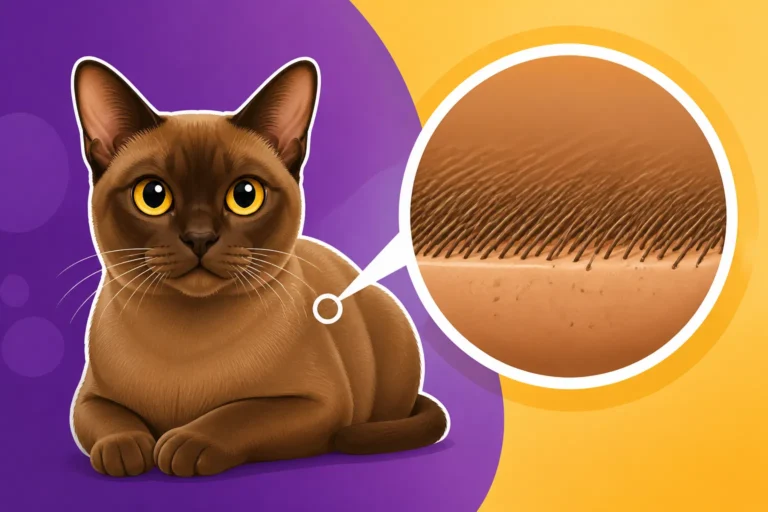
The term "satin coat" is no exaggeration when it comes to the Burmese. Their fur lies incredibly close to the body, flat and dense, creating an almost iridescent sheen that catches the light beautifully. This unique texture originates from a genetic modification that affects the length and density of their hair follicles, particularly the guard hairs and the undercoat. While most cats have a distinct topcoat of longer, coarser guard hairs and a fluffy, insulating undercoat, the Burmese largely foregoes the latter. This lack of an insulating layer is what contributes to the almost universal desire of a Burmese to be touching you, or another warm body, at all times. It's not just affection; it's practical body temperature regulation! You might even notice that the fur feels denser than you'd expect, which adds to its luxurious quality despite its brevity.
How the Lack of Undercoat Defines the Breed's Feel
Think about a regular domestic short-haired cat; they often have a noticeable fluffiness, especially around their hindquarters or belly. That's their undercoat at work, providing insulation. The Burmese, however, lacks this thick, woolly layer. What you feel is primarily the soft, fine, and incredibly dense outer layer of hair. This makes their coat incredibly smooth to the touch, without any of the coarser texture often associated with guard hairs. It’s why you can run your hand from head to tail and experience an uninterrupted glide. This characteristic is a hallmark of the breed, so much so that show standards emphasize the short, fine, and close-lying quality of the coat. It’s an essential part of their identity and why they are so often described as living, breathing hot water bottles – Why a Short Coated Burmese Seeks Body Heat is a topic often discussed by owners.
The Genetic Blueprint for a Single Coat
Delving into the genetics helps us understand why this breed is so uniquely structured. It's not just a random trait; it's coded deep within their DNA, a result of generations of selective breeding that accentuated these desirable characteristics. Breeders carefully maintain this genetic purity to ensure the continuation of the breed's distinctive coat.
Understanding the Genes Behind the Burmese Coat Type
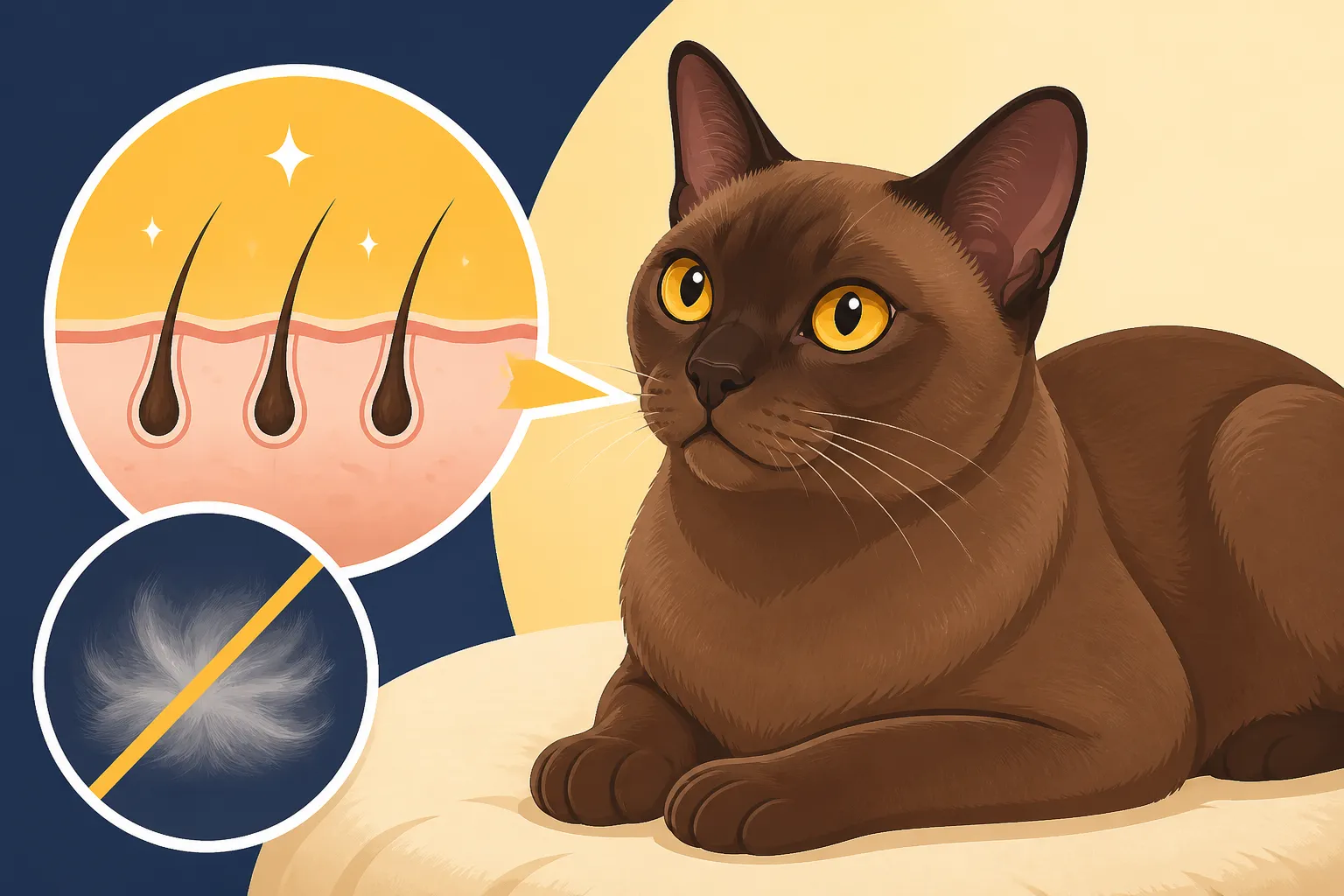
The specific gene responsible for the Burmese coat type is often linked to the "Burmese dilution" gene, or cb allele, which also gives them their distinctive sepia coloring. While primarily known for its effect on color, this gene also has a pleiotropic effect, meaning it influences multiple traits, including hair shaft structure and density. This is what gives the Burmese its singular coat type, often referred to as a "single coat" because it lacks that dense, woolly underlayer. Instead of distinct layers of long guard hairs and short undercoat, the Burmese essentially has one type of hair that is fine, short, and lies flat. This genetic quirk means that unlike many other breeds, you're not going to find yourself pulling out clumps of fluffy undercoat during shedding season. It's a testament to the meticulous work of early breeders who sought to refine and stabilize these traits.
Why This Genetic Trait is a Hallmark of the Breed
The single coat isn't just a physical characteristic; it's a defining feature that sets the Burmese apart. It contributes to their sleek, muscular appearance, often described as "brick-like" in its solid feel, yet elegant due to the coat's smooth drape. This trait is so central that any deviation, such as a fluffy or double-coated appearance, would be considered a fault in the show ring. It's a clear marker of a well-bred Burmese. Moreover, the density and close-lying nature of this single coat means that while there's no fuzzy undercoat, the cat is still well-covered and protected. It creates a compact, dense layer that offers surprisingly good insulation, albeit different from a typical double coat. The absence of a thick undercoat is also one of the key differences when you compare them to other breeds, like the Siamese. How a Burmese's Coat Differs From a Siamese's highlights these distinctions, emphasizing just how unique the Burmese coat truly is.
Practical Implications for Burmese Grooming
When it comes to grooming, the lack of an undercoat is a game-changer. Forget about endless brushing sessions or battling mats and tangles. The Burmese coat is famously low-maintenance, a blessing for busy owners who still want their cat to look pristine. This isn't to say they need no grooming, but the effort required is significantly less than for many other breeds.
Minimal Shedding and Easy Maintenance
One of the greatest benefits of the Burmese having almost no undercoat is the remarkably minimal shedding. While no cat is truly "non-shedding," the amount of hair a Burmese leaves behind is significantly less than that of double-coated breeds. This means fewer cat hairs clinging to your clothes, furniture, and carpets, which is a huge relief for many cat parents. You won't find yourself needing expensive de-shedding tools from places like Amazon or specific grooming appointments just to manage loose fur. Their fine, short hairs are less likely to become airborne or embed themselves deeply into fabrics, making cleanup a breeze. Many owners find that a quick once-over with a soft cloth or a grooming glove is all that's needed to keep their Burmese looking sharp and feeling wonderful. This makes their routine care far simpler than breeds with more complex coats, ensuring they always look their best with minimal fuss. How Little Hair a Satin Coated Burmese Leaves Behind is something owners often rave about.
The Right Tools for a Burmese's Unique Coat
Given their unique coat structure, traditional grooming tools designed for double-coated or long-haired cats are completely unnecessary and can even be detrimental. You won't need slicker brushes or de-shedding rakes. Instead, the ideal tools for a Burmese are surprisingly simple and focused on enhancing their natural shine and removing any loose hairs gently. A soft rubber grooming glove, often referred to as a "mitt," is fantastic for massaging the skin and catching stray hairs while also stimulating blood circulation. Even better, many Burmese absolutely adore the sensation of being gently rubbed down with a chamois cloth – the kind you might use to polish your car! This not only removes loose hairs but also buffs their coat to that distinctive, beautiful satin sheen. This gentle routine transforms grooming into a bonding experience rather than a chore. For specialized nutritional needs or supplements that support skin health, online retailers like Chewy can be a treasure trove, though always consult your vet before introducing new supplements. Which Chamois Brings Up a Burmese's Satin Shine delves into this simple yet effective grooming technique.
Temperature Regulation and Comfort Needs
While the Burmese coat is beautiful and easy to maintain, its sparse undercoat does come with a significant implication: temperature sensitivity. Unlike their fluffier cousins, Burmese cats don't have that extra layer of insulation to keep them warm, making them more susceptible to cold environments.
Why a Burmese Feels the Cold More Acutely
Imagine going outside in winter with only a t-shirt on, while everyone else has a thick sweater. That's a bit like how a Burmese experiences cold compared to a cat with a dense undercoat. Their single, close-lying coat, while dense, simply doesn't provide the same thermal insulation as a thick, fluffy undercoat. This means that Burmese cats are much more prone to feeling chilly, especially in cooler climates or drafty homes. You'll often find them seeking out the warmest spots in the house: curled up in a sunbeam, snuggled under a blanket, or, most commonly, draped across your lap or shoulder, soaking up your body heat. It's not just an act of affection; it's a genuine need for warmth. This increased sensitivity also means they're less likely to be "outdoor cats" in colder regions, as prolonged exposure to low temperatures could genuinely make them uncomfortable or even unwell. Understanding this need for warmth is crucial for providing a comfortable and healthy environment for your Burmese. Why a Burmese Refuses to Go Out in Cold Weather is a common observation among owners.
Creating a Warm and Cozy Environment
Knowing your Burmese feels the cold easily means being proactive about their comfort. Providing ample warm spots around the house is key. This could include soft, plush beds placed near radiators (but not directly on them, of course, to avoid overheating) or in sunny windows where they can bask. Heated cat beds, available from pet supply stores or online through retailers like Amazon, can be a fantastic investment, especially during colder months or for older cats. These beds provide a consistent, gentle warmth that a Burmese will adore. Why a Burmese Needs Somewhere Warm to Sleep is not just a preference, but a health consideration. Blankets and soft throws strategically placed on sofas and chairs will also be appreciated for burrowing. If you live in a colder climate, you might even find your Burmese trying to sneak under the duvet with you at night! Beyond physical warmth, a consistent indoor temperature, free from drafts, will help ensure your Burmese is always cozy and content. Remember, a comfortable cat is a happy cat, and for a Burmese, comfort often means warmth.
Health and Skin Considerations for a Sparse Undercoat
The unique structure of the Burmese coat also brings specific considerations regarding their skin health. While it makes grooming easy, it also means their skin is more exposed and potentially more sensitive to certain environmental factors. Being vigilant about their skin condition is an important part of their overall care.
Increased Sensitivity to Environmental Factors
With less fur to act as a barrier, a Burmese's skin is more directly exposed to its environment. This can make them a bit more sensitive to things like dry air, harsh cleaning chemicals, or even certain fabrics. You might notice their skin appears a little drier in winter, or they might react to a new laundry detergent used on their bedding. Regular, gentle grooming (as mentioned earlier, a soft cloth or chamois is perfect) can help stimulate natural oil production and distribute it evenly, contributing to a healthy skin barrier. It's also worth being mindful of sun exposure. While they love a sunbeam, too much direct, intense sun, especially for lighter-colored Burmese, could potentially lead to sunburn, much like it could for humans. This is a subtle point that many new Burmese owners might overlook, assuming all cats are equally protected by their fur.
Monitoring for Skin Issues Unique to the Burmese
Because their coat is so sleek and lies close to the body, it can actually make it easier to spot potential skin issues early on. Things like redness, flakiness, bumps, or any unusual textures on their skin become visible more quickly than on a long-haired or dense-undercoated cat. Keep an eye out for excessive licking or scratching, which could indicate irritation, allergies, or even parasites. While their minimal shedding is a blessing, it also means that if they start pulling out fur, it's very noticeable and likely points to an underlying issue, rather than just routine shedding. Regular, gentle checks during your daily petting sessions can help you catch anything amiss early. For severe dryness or irritation, discussing a specific skin-supportive diet with your vet could be beneficial. Timely intervention can prevent minor issues from escalating. Why a Burmese's Gums Recede Early is another health consideration, distinct from their coat, but highlights the importance of thorough physical checks.
Comparing the Burmese Coat to Other Feline Breeds
To truly appreciate the uniqueness of the Burmese coat, it helps to compare it to the typical coat structures found in other popular cat breeds. This comparison highlights not only the aesthetic differences but also the practical implications for care, health, and behavior.
Distinguishing from Double-Coated Breeds
Most domestic cats, whether short-haired or long-haired, possess what's known as a double coat. This means they have two distinct layers of fur: a topcoat of longer, coarser guard hairs that provide protection from the elements, and a dense, soft undercoat that acts as insulation against both cold and heat. Think of a Maine Coon with its magnificent ruff or even a common tabby cat with its slightly fluffy feel. These breeds have developed their double coats over centuries to thrive in various climates, providing natural weatherproofing and warmth. The Burmese, with its almost complete lack of an undercoat, stands in stark contrast. Their single, fine coat offers less insulation, which is why they are often found snuggling deep under blankets or right up against their favorite human. This anatomical difference is a significant factor in their care requirements and their well-to-do preference for a warm, indoor lifestyle. Whether a Burmese Has Any Undercoat makes it clear that it's an almost negligible quantity.
| Feature | Burmese Coat | Double-Coated Breed (e.g., Maine Coon, British Shorthair) |
|---|---|---|
| Undercoat | Almost non-existent | Dense, fluffy, insulating |
| Texture | Satin-like, very smooth, fine, close-lying | Varied, can be coarse (guard hairs) or soft (undercoat) |
| Shedding | Minimal, fine hairs | Moderate to heavy, especially seasonally |
| Grooming Needs | Very low; light rubbing, chamois | Regular brushing, de-shedding, prone to mats |
| Insulation | Lower, prone to cold | High, good against temperature extremes |
| Feel | Warm, dense, 'brick wrapped in silk' | Often fluffier, sometimes cooler to the touch |
| Visual Appeal | Sleek, glossy, defined musculature | Robust, full, often majestic |
The Burmese Coat and Allergy Misconceptions
It's a common misconception that cats with short hair or minimal undercoats are "hypoallergenic" or won't trigger allergies in sensitive individuals. Unfortunately, this isn't strictly true for the Burmese. While their low shedding might reduce the spread of dander (which is often what people are allergic to, rather than the hair itself), they still produce the Fel d 1 protein, the primary allergen found in cat saliva and skin secretions. All cats produce this protein, regardless of their coat length or type. So, while a Burmese might be a better choice for someone with mild allergies simply because there's less loose hair carrying dander around, they are by no means a guaranteed solution for severe allergy sufferers. It's important to spend time with a Burmese before committing if allergies are a concern, as individual reactions can vary widely. The comfort of minimal shedding certainly helps with house cleanliness, but it doesn't eliminate the underlying allergen. Why a Satin Coat Does Not Make a Burmese Allergy Safe explains this distinction in detail, providing a realistic perspective for potential owners.
Disclaimer
This article is for general informational purposes only and does not constitute professional advice. Laws, prices and regulations vary by location and change over time. Consult a qualified professional for guidance on your specific situation.