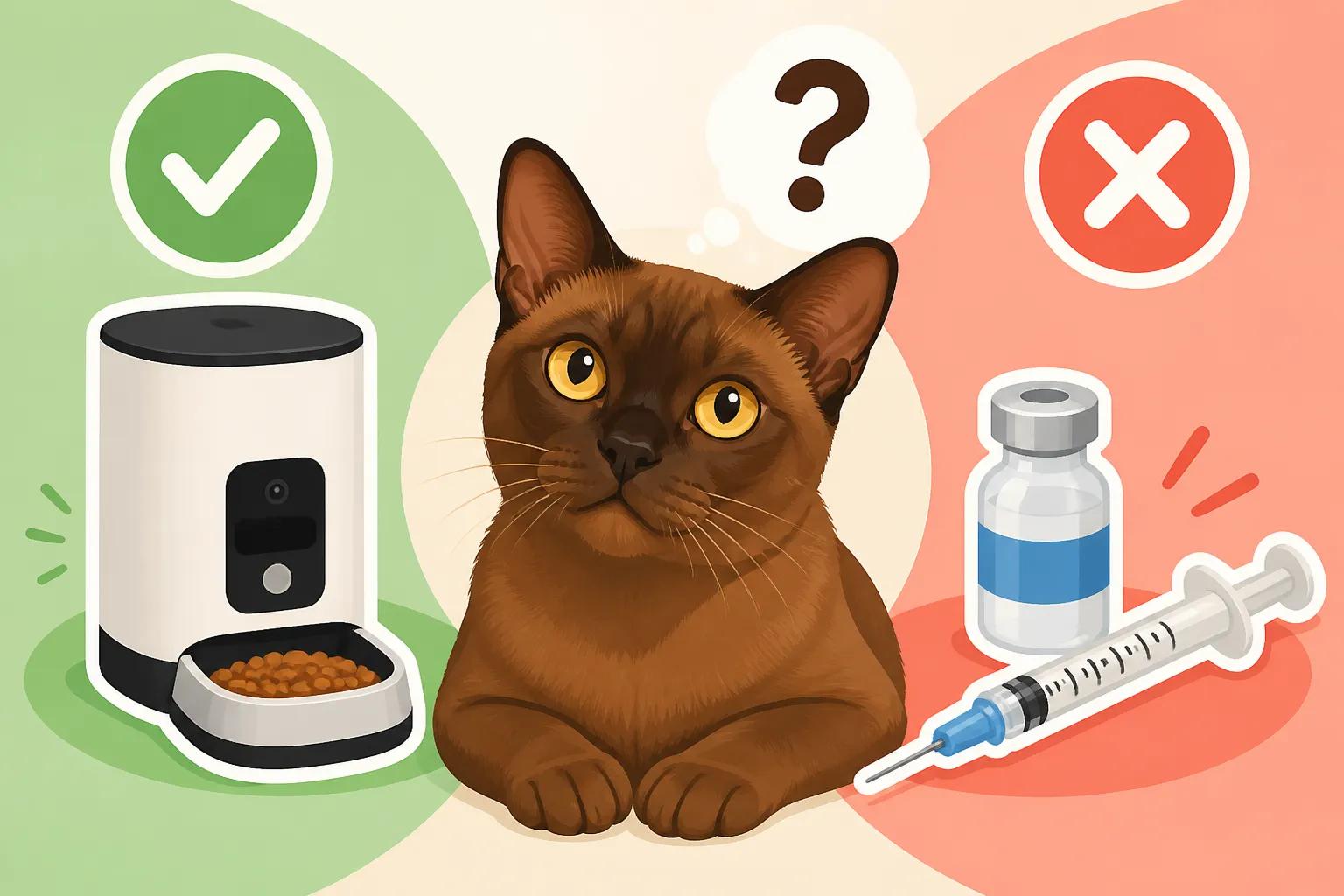
Whether a Timed Feeder Suits a Burmese on Insulin
Managing a Burmese cat with diabetes is a daily commitment that often revolves around meticulously timed meals and insulin injections. One common question that arises for busy pet parents is whether a timed feeder can simplify this crucial routine, and honestly, it's a topic packed with more nuance and potential pitfalls than you might initially think, especially when your cat's very health depends on precision. This guide will explore the practicality, benefits, and significant risks of using timed feeders for a Burmese on insulin, helping you make an informed decision for your beloved feline companion.
The Challenges of Feeding a Diabetic Burmese
The journey of caring for a diabetic Burmese is often paved with good intentions and the very real struggle of maintaining a strict schedule. These intelligent and often vocal cats are known for their strong personalities and equally strong appetites, which can complicate diet management when diabetes enters the picture.
The Critical Link Between Meals and Insulin in Burmese
For a Burmese diagnosed with diabetes, every meal isn't just about nutrition; it's a vital component of their glucose management. Insulin works in tandem with food intake to regulate blood sugar levels. If your Burmese receives an insulin injection and then, for some reason, doesn't eat their full meal, their blood sugar can plummet dangerously low, leading to a condition called hypoglycemia. This is incredibly serious and can result in seizures, coma, or even death if not addressed immediately. Conversely, if they eat too much or at irregular times, their blood sugar can spike, undermining the insulin's effectiveness and making their diabetes harder to control in the long run.
This delicate balance means that the timing and quantity of food are just as important as the insulin dose itself. It's a tightrope walk where predictability is your best friend. Many owners find themselves asking How to Feed a Burmese on Insulin Around Its Injections because this synchronicity is absolutely paramount for stability and health.
The Unwavering Burmese Appetite and Its Impact
If you've ever owned a Burmese, you know they possess an almost legendary appetite. They live for food, and their insistent demands can make adherence to strict portion control a constant battle of wills. This isn't just a quirky trait; it's a genetic predisposition that makes them particularly vulnerable to weight gain and, subsequently, diabetes. Why a Burmese Never Stops Asking for Food is a common refrain among owners.
This intense drive for food means that free-feeding is an absolute no-go for a diabetic Burmese. They will overeat, leading to blood sugar fluctuations and further complicating their condition. Even if not diabetic, Why a Burmese Should Never Be Free Fed applies because of their propensity for weight issues. When a timed feeder is introduced, this inherent greed can also become a problem. If the feeder dispenses food, your Burmese will likely gobble it down instantly, which is fine if they always eat, but if they are off their food for any reason, the feeder can't discern that.
Consistency Is King: Why Routine Is Non-Negotiable
In the world of diabetic pet care, consistency isn't just a suggestion; it's the bedrock of effective treatment. Your Burmese thrives on routine, and when it comes to insulin and meals, their body literally depends on it. Administering insulin at roughly the same time each day, and ensuring meals are offered reliably before or at the same time as the injection, helps their metabolism achieve a predictable rhythm. This steady state allows your vet to fine-tune insulin dosages based on stable blood glucose readings.
Any disruption to this schedule – even seemingly minor ones like a delay in food delivery – can throw their delicate system out of whack. This isn't just about convenience; it's about providing a stable physiological environment for your cat, preventing dangerous highs and lows, and ultimately, ensuring their quality of life. Without this consistent approach, managing their diabetes becomes an uphill battle, often requiring more vet visits and adjustments to medication.
How Timed Feeders Work and Their Potential Benefits for Burmese
Timed feeders have become incredibly popular tools for pet owners, promising convenience and a consistent feeding schedule. For some cats, they can be a blessing, but for a Burmese on insulin, we need to look deeper into whether these benefits truly outweigh the inherent risks.
Understanding Different Types of Timed Feeders
When we talk about timed feeders, we're generally referring to devices that can automatically dispense a pre-set amount of food at specific times of the day. They come in a few main varieties:
- Gravity Feeders: These are the simplest, often just a large hopper that refills a bowl as food is eaten. They are completely unsuitable for diabetic cats because they encourage free-feeding and offer zero portion control.
- Programmable Digital Feeders: These are the most common type for timed feeding. They have a digital timer and a mechanism (often a rotating tray or an auger system) that dispenses a set amount of kibble at programmed intervals. Some have multiple compartments for wet food, although this is less common and usually only provides a few meals before needing a refill. Brands available on platforms like Amazon and Chewy offer a wide range of these.
- Smart Feeders: These are the fancy cousins of digital feeders, often connecting to your home Wi-Fi and controllable via a smartphone app. They offer even more flexibility in programming and can sometimes send notifications when food is dispensed or when the hopper is low. Some even have cameras so you can check on your cat.
While the digital and smart feeders offer the "timed" aspect, it's crucial to remember that they are primarily designed for dry kibble. Wet food options are limited by spoilage and tray design.
How They Could Theoretically Help with Scheduled Meals
In theory, a timed feeder could seem like the perfect solution for ensuring your diabetic Burmese gets their meals precisely when needed, especially if you have an unpredictable work schedule or need to be away from home for a few hours.
- Automated Consistency: A programmed feeder ensures food is released at the exact minute you've set, removing human error or delays. This could, in theory, help maintain the strict meal schedule vital for insulin management. For instance, if you need to be out of the house at 7 AM, and your cat needs food at 7:30 AM before their injection, a feeder could deliver that meal right on time.
- Multiple Small Meals: Some feeders allow for multiple, smaller meals throughout the day, which can be beneficial for managing blood sugar levels more evenly for some diabetic cats. Instead of two large meals, you might split the daily allowance into four smaller ones, provided your vet agrees this is suitable for your cat's specific insulin regimen.
For owners whose primary challenge is simply being physically present at precise feeding times, the automated nature of these devices appears to offer a compelling advantage.
Potential for Portion Control and Weight Management
One of the significant factors contributing to diabetes in Burmese cats is weight. Why Portion Control Is Medical Care in a Burmese isn't just a catchy phrase; it's a critical truth. Timed feeders, especially those that dispense dry kibble, offer precise portion control. You can measure out the exact amount of food your vet has recommended for your Burmese and program the feeder to dispense it.
This aspect of portion control could, theoretically, help prevent overfeeding, which is crucial for managing diabetes and preventing weight gain. Since the Burmese is prone to gaining weight, especially after neutering (Why a Neutered Male Burmese Is Highest Risk), maintaining a healthy weight through strict portion control is a lifelong endeavor. If you're using a feeder to deliver precise amounts of low-carbohydrate kibble, it could help keep your cat within their target weight range, thereby assisting in diabetes management or even remission. However, this is heavily contingent on the feeder performing flawlessly and your cat actually eating the food.
The Specific Risks and Downsides of Timed Feeders for Insulin-Dependent Burmese
While the theoretical benefits of timed feeders might sound appealing, the reality for a Burmese on insulin is far more complex and fraught with significant risks that often outweigh the convenience.
The Danger of Missed Meals and Insulin Overdose
This is, without a doubt, the most critical risk associated with using a timed feeder for a diabetic Burmese. Your cat's insulin dose is directly calculated based on their anticipated food intake. If they receive their insulin but then, for any reason, don't eat the entire meal dispensed by the feeder, their blood glucose levels can drop dramatically and rapidly.
Imagine this scenario: you set the feeder to dispense breakfast at 7 AM. At 7:30 AM, you give your Burmese their insulin shot. You then leave for work, assuming they've eaten. However, unbeknownst to you, perhaps the feeder jammed, or your cat decided they weren't hungry, or a piece of kibble got stuck. When you return home, you find a full bowl of food and your cat displaying signs of severe hypoglycemia – staggering, weakness, even seizures. This is a terrifying and life-threatening emergency. A feeder cannot assess if your cat is feeling unwell, if they've eaten, or if the device itself has malfunctioned. This human observation element is absolutely non-negotiable for an insulin-dependent cat.
Machine Malfunction and Food Dispensing Issues
Timed feeders, no matter how advanced or expensive (even top brands found on Chewy or Amazon), are still machines, and machines can fail. Common issues include:
- Jams: Kibble can get stuck in the dispenser, especially if it's an unusual shape or if the mechanism isn't perfectly calibrated for the specific food.
- Battery Failure: If the feeder relies on batteries, they can run out, leading to missed meals. Even feeders with power cords can have issues with power outages.
- Programming Errors: It's easy to accidentally program the wrong time or portion size, leading to incorrect feeding.
- Wet Food Problems: If you're attempting to use a wet food feeder, spoilage is a huge concern, especially in warmer climates. After a few hours, wet food can become unsafe to eat, and your Burmese might refuse it anyway, leading back to the missed meal problem.
Each of these malfunctions carries the potential for a missed meal, which, as we've established, can be catastrophic for a Burmese on insulin. The reliability of a mechanical device simply cannot compare to the vigilance of a human caregiver when blood glucose management is on the line.
Stress and Anxiety for a Social Burmese
Burmese cats are renowned for their intensely social and people-oriented nature. They are often described as "Velcro cats" because they want to be involved in everything you do and crave constant companionship. For a Burmese, mealtime is often more than just food; it's an interaction, a moment of connection with their human.
Being fed by an impersonal machine, especially if it means less direct interaction with their primary caregiver around meal times, could potentially increase stress or anxiety in an already sensitive breed. A Burmese that is stressed or anxious can experience a variety of negative health impacts, including a reduced appetite, which again, cycles back to the danger of not eating their full meal after an insulin dose. Why a Burmese's Appetite Goes When It Is Unhappy is a clear indicator of how their emotional state directly impacts their physical well-being. Furthermore, a lonely Burmese might resort to destructive behaviors or even overgrooming if their need for attention isn't met.
Alternative Strategies for Managing Meal Times for a Diabetic Burmese
Given the significant risks associated with timed feeders for insulin-dependent Burmese cats, exploring safer, more controlled feeding strategies is paramount. The goal is always to ensure consistent food intake that perfectly complements their insulin regimen.
Human-Supervised Feeding Schedules
The most reliable and recommended method for feeding a diabetic Burmese is direct human supervision. This means that a person is physically present, offers the food, observes the cat eating, and confirms that the entire portion has been consumed.
- Direct Observation: This allows you to immediately see if your Burmese is refusing food, eating slowly, or if there's any issue with the meal itself. If they don't eat, you can then take immediate action, such as offering a different, equally low-carb, palatable wet food, or contacting your vet for advice before administering insulin. This crucial step eliminates the guesswork that automated feeders introduce.
- Flexibility for Illness: Cats, like us, can have off days. If your Burmese is feeling a little nauseous or just not interested in their usual meal, a human caregiver can recognize this. With a timed feeder, the food just sits there, potentially leading to a dangerous situation if insulin has already been given. A human can make real-time adjustments or consult a vet.
- Building Routine: Consistent human-supervised feeding reinforces a strong routine for your cat, not just physically but emotionally. They learn to associate your presence with meal times, which can be comforting for such a social breed. Caring for a Diabetic Burmese at Home emphasizes the importance of these routines.
This method requires commitment, but it offers the highest degree of safety and control over your Burmese's diabetes management.
Enlisting Trusted Caregivers for Consistency
Life happens, and sometimes you simply cannot be home for every single meal. In these situations, relying on a trusted network of caregivers is a much safer alternative to automated feeders.
- Family and Friends: If you have family members or close friends who live nearby and understand your Burmese's needs, they can be invaluable. Training them on the exact feeding schedule, portion sizes, and the critical link between food and insulin is essential. Provide clear, written instructions and emergency contact numbers.
- Professional Pet Sitters: For extended absences, or if you don't have local support, a professional pet sitter is an excellent investment. Look for sitters with experience in administering medication and caring for diabetic pets. They can come to your home multiple times a day, ensuring meals are offered, eaten, and insulin is given correctly. This personalized care is far superior to any machine. You can often find vetted pet sitters through services recommended by your vet or via reputable platforms.
- Vet Technicians: In some cases, if your cat is particularly difficult with injections or if you need highly specialized care while you're away, some veterinary clinics offer boarding or day-care services where their trained technicians can manage your Burmese's diabetes with expert precision. This can be costly, but it offers unparalleled peace of mind.
The key here is that a human, capable of observation and critical thinking, is always in charge of the food and insulin delivery, mitigating the risks of machine failure or unnoticed changes in your cat's eating habits.
Incorporating Interactive Feeding Methods
While the primary goal is strict portion and time control, you can still make meal times engaging for your Burmese without jeopardizing their health. This is particularly important for a breed that thrives on interaction and mental stimulation, and helps slow down their often voracious eating.
- Puzzle Feeders (Manual): Instead of a timed automatic feeder, consider manual puzzle feeders where you load the measured meal. These require your Burmese to use their paws or nose to extract the kibble, slowing down their eating and providing mental enrichment. This can be great for enrichment but still requires you to load it at mealtime and ensure they finish it. Which Puzzle Feeder Slows a Greedy Burmese Down is a related concept for slowing down eating.
- Hand Feeding/Scatter Feeding: For some meals, especially if you're trying to encourage a reluctant eater, hand-feeding a few pieces at a time can build connection and ensure consumption. Similarly, scattering a small portion of their measured meal across a clean floor can make eating more of a "hunt," engaging their natural instincts and slowing down the process. Just ensure every piece is accounted for.
- Dedicated Mealtime Rituals: Make mealtime a special, consistent ritual. Talk to your Burmese, stroke them, and supervise their meal. This engagement strengthens your bond and helps them feel secure in their routine. This consistent interaction can also help prevent them from developing separation anxiety, which can indirectly affect their appetite and overall health.
By focusing on these human-centric and interactive approaches, you ensure both the medical necessity of precise feeding and the emotional well-being of your highly social Burmese are met.
Making the Decision: Is a Timed Feeder Right for Your Burmese?
The decision to use a timed feeder for a Burmese on insulin is not one to be taken lightly. It involves weighing convenience against potentially life-threatening risks. Ultimately, the safety and well-being of your cherished companion must be the top priority.
Assessing Your Household's Routine and Lifestyle
Before even considering a timed feeder, take a really honest look at your daily life and that of everyone else in your household.
- Predictability of Schedule: How consistent are your mealtimes? Do you work long, unpredictable hours? Is there someone else at home who can reliably oversee feedings? If you consistently leave your Burmese alone for long stretches, a timed feeder might seem like a tempting solution, but for an insulin-dependent cat, it introduces unacceptable risks. Why a Burmese Cannot Be Left Alone All Day is a crucial consideration for their overall well-being, not just feeding.
- Human Presence and Observation: Is there truly no one available to supervise meals? If you're out for 8-10 hours a day and your Burmese needs two meals and two insulin shots during that time, a timed feeder isn't a substitute for a human. It's an abdication of direct care that could have severe consequences.
- Emergency Preparedness: If something were to go wrong with the feeder, or if your Burmese didn't eat, how quickly could you or someone else intervene? If you're hours away, that intervention might be too late.
If your lifestyle truly prevents you from being present for every critical meal and insulin shot, then solutions like professional pet sitters or trusted family members are safer, albeit potentially more expensive, options than relying on a machine. What Diabetes Costs a Burmese Owner a Year can be significant, but compromising on care isn't worth it.
Consulting Your Veterinarian for Personalized Advice
This step is absolutely non-negotiable. Every diabetic cat is an individual, and their insulin regimen is carefully tailored to their specific needs, current health status, and response to treatment. Your veterinarian has the most comprehensive understanding of your Burmese's condition.
- Individualized Treatment Plan: Discuss your daily routine and any challenges you face in adhering to the feeding schedule with your vet. They might be able to suggest adjustments to the insulin type, feeding times, or dietary approach that are safer than using a timed feeder.
- Risks and Benefits Discussion: Your vet can walk you through the specific dangers of hypoglycemia for your cat and explain why consistent, observed food intake is paramount. They can also offer insights into whether a timed feeder, even a highly reliable one, would ever be considered acceptable for your cat's unique situation (which, for insulin-dependent cats, is usually a firm no).
- Dietary Recommendations: Your vet will also advise on the best food type (typically low-carbohydrate wet food), portion sizes, and meal frequency. They might even recommend specific brands.
Never make significant changes to your diabetic Burmese's feeding or medication schedule without explicit veterinary approval. Their guidance is your best defense against complications.
Prioritizing Your Burmese's Health and Well-being
When it comes down to it, the well-being of your Burmese must always take precedence over convenience. While timed feeders can be incredibly useful for healthy cats on a standard diet, the stakes are simply too high for a diabetic cat relying on precise insulin and food synchronization.
Consider the potential worst-case scenario: a feeder malfunction, a skipped meal, and a hypoglycemic crisis. The emotional toll and financial burden of such an emergency far outweigh any benefit derived from automating a single meal. Your Burmese relies on you for consistent, attentive care. Their affectionate, loyal nature means they thrive on interaction, and this extends to meal times.
Many Burmese owners find that the extra effort required for manual, supervised feedings not only keeps their cat healthy but also deepens their bond. It’s a small price to pay for a stable, happy, and long-lived companion. How Long a Diabetic Burmese Lives can be quite good with dedicated care, but consistency is key.
Here's a quick overview of the considerations:
| Feature | Timed Feeder (for Diabetic Burmese) | Human-Supervised Feeding |
|---|---|---|
| Meal Timing Precision | High (if functioning correctly) | High (with discipline) |
| Portion Control | High (for dry kibble) | High |
| Observational Oversight | None | High |
| Response to Missed Meal | None | Immediate |
| Adaptability to Illness | None | High |
| Risk of Hypoglycemia | High | Low |
| Machine Malfunction Risk | Present | None |
| Emotional Interaction | Low | High |
| Suitability for Wet Food | Poor (due to spoilage) | Excellent |
Ultimately, for a Burmese cat on insulin, the need for direct observation and immediate intervention far outweighs the theoretical convenience of a timed feeder. It's a critical aspect of their daily care that demands a human touch.
Disclaimer
This article is for general informational purposes only and does not constitute professional advice. Laws, prices and regulations vary by location and change over time. Consult a qualified professional for guidance on your specific situation.