How Little Hair a Satin Coated Burmese Leaves Behind
If you've ever owned a cat, you know the struggle of finding fur in places you never expected – on your clothes, clinging to furniture, or even mysteriously floating through the air. It’s a common complaint for many cat parents, and it can feel like a never-ending battle with the lint roller and vacuum cleaner. If you're tired of living in a cloud of cat hair but still dream of a loving feline companion, then this guide is for you. We're diving deep into the wonderful world of the Burmese cat, particularly focusing on why their glorious coats leave so little hair behind and what that means for your home.
Understanding the Unique Burmese Coat
The Burmese cat truly stands apart in the feline world, and much of that distinctiveness starts with their coat. It's not just beautiful to look at; it's engineered in a way that significantly reduces shedding, making life a little easier for their human companions.
The Satin-Like Texture and Minimal Undercoat
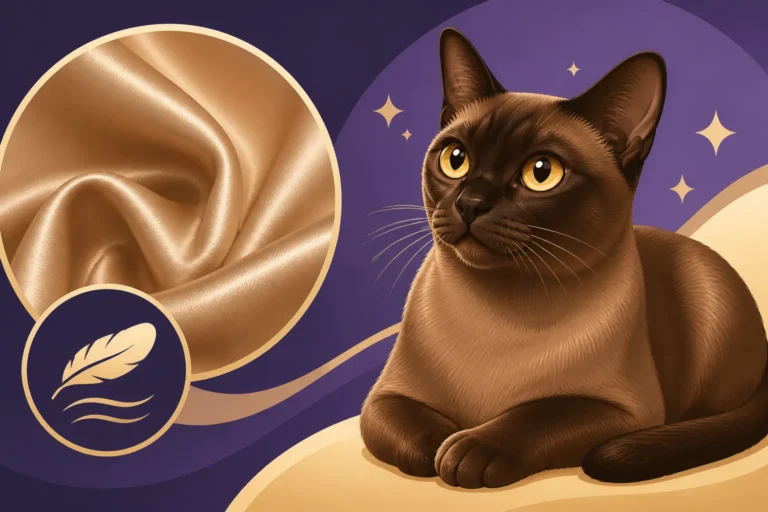
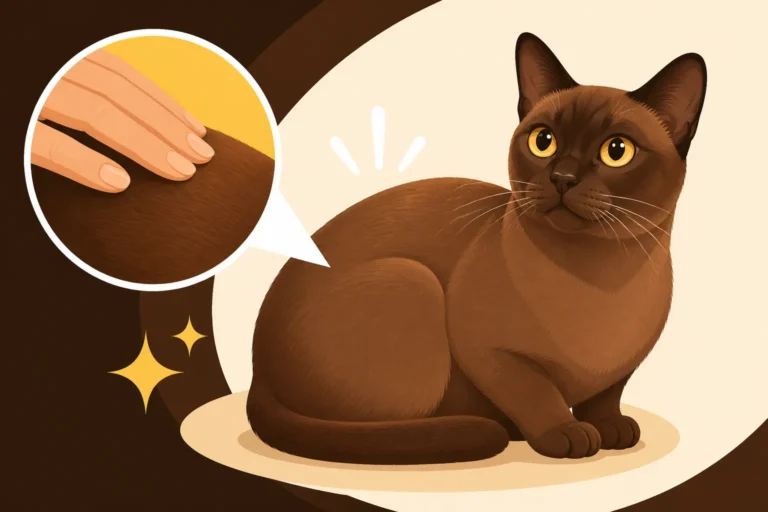
When you first stroke a Burmese, you'll immediately notice the sensation. Their fur isn't just soft; it has a unique, almost liquid-like feel that many describe as satin or silk. This isn't just a delightful tactile experience; it's a key indicator of why they shed so little. The individual hairs are incredibly fine and lie very close to the body, creating that sleek, polished look. There's none of the fluff or wiriness you might find in other breeds.
What really sets the Burmese apart, though, is their minimal undercoat. Many cat breeds, especially those with thicker or longer fur, have a dense, woolly undercoat that acts as insulation. This undercoat is often the primary culprit for heavy shedding, as these fine hairs are constantly being replaced. The Burmese, however, essentially skips this step. They have very little, if any, discernible undercoat. This means there's simply far less hair on their bodies to be shed in the first place, leading to a much cleaner environment for you. It's a fundamental difference in their physiology that directly translates to fewer hair tumbleweeds under your sofa. You can learn more about this unique texture in Why a Burmese's Coat Feels Like Satin and Why a Burmese Has Almost No Undercoat.
The Low-Shedding Reality of a Burmese
So, what does this minimal undercoat and sleek texture mean for the everyday reality of living with a Burmese? It means significantly less hair, plain and simple. While no cat is truly "non-shedding" (they all replace old hairs), the Burmese comes remarkably close to being a dream for those who are sensitive to excessive fur or simply prefer a tidier home. Their coat structure means less hair is detached from their body on a regular basis.
You won't experience the constant, pervasive shedding that comes with breeds notorious for dropping copious amounts of fur. Instead, you'll likely notice only a few stray hairs, usually on your lap after a cuddle session or perhaps on their favorite sleeping spot. Seasonal shedding, which can be intense for many cats as they adapt to temperature changes, is also far less dramatic for a Burmese. Because they lack that heavy undercoat, there isn't a massive "blow out" of fur twice a year. This makes maintaining a clean home much less of a chore and allows you to enjoy their affectionate company without constantly reaching for the lint roller.
What Little Shedding Actually Looks Like in a Burmese Household
Living with a Burmese is a revelation for anyone accustomed to the shedding habits of other cat breeds. It's not that they never shed; it's that the amount is so remarkably manageable it hardly registers as a concern.
Managing the Occasional Loose Hair
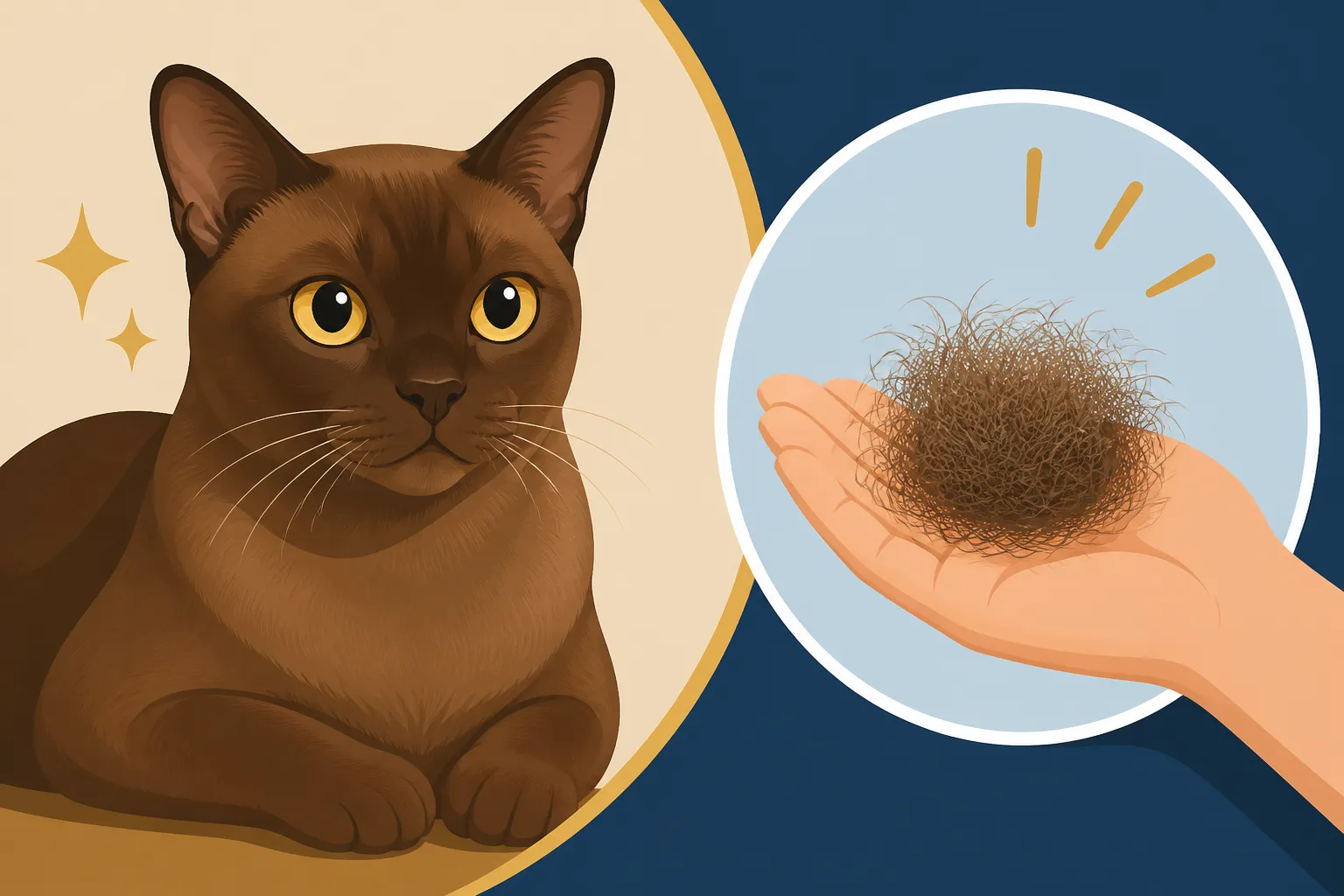
Even with their low-shedding tendencies, you'll still encounter the occasional loose hair from your Burmese. This is a natural part of a cat's life cycle. However, instead of finding substantial clumps or a fine layer of fur coating every surface, you're more likely to spot a few individual strands. Perhaps a couple of dark hairs might cling to your light-colored sweater after your Burmese has been "riding" on your shoulder, or a small tuft might be visible on their favorite blanket where they've been kneading happily.
The beauty of this minimal shedding is how easy it is to manage. A quick wipe with a damp cloth or a pass with a handheld vacuum is usually all it takes to clear any lingering hairs. There's no need for daily, intensive cleaning routines dedicated solely to cat fur. Compare this to a long-haired Persian or a double-coated Maine Coon, where lint rollers are practically an extension of your arm, and you'll understand the relief Burmese owners feel. You won't be constantly finding fur caught in air vents or accumulating in dusty corners. It's a refreshing change for anyone who cherishes a clean living space.
Grooming Practices for Minimal Shedding
Because the Burmese sheds so little, their grooming needs are surprisingly simple. You won't need an arsenal of brushes, combs, and de-shedding tools that other breeds demand. In fact, a dedicated de-shedding tool is pretty much Why a Deshedding Tool Is Pointless on a Burmese. Their short, fine coat requires minimal intervention, turning what can be a burdensome chore for some cat owners into a pleasant bonding experience.
A simple weekly (or even bi-weekly) rub-down is often all that's required to keep their coat gleaming and to pick up any loose hairs before they have a chance to settle elsewhere. Many Burmese owners find a soft chamois cloth works wonders for bringing out that characteristic satin shine and removing any stray hairs. Alternatively, a grooming glove designed for short-haired cats can be effective and feels like a gentle massage to your cat. The key is consistency, not intensity. This light grooming routine not only helps remove what little loose hair there is but also stimulates their skin and helps distribute natural oils, keeping their coat healthy and vibrant. It's a testament to how low-maintenance their beautiful coats truly are. To get that amazing shine, you might want to look at Which Chamois Brings Up a Burmese's Satin Shine.
Beyond Shedding: The Overall Impact on Your Home and Lifestyle
While low shedding is undoubtedly a major draw, the benefits of the Burmese coat extend far beyond just less hair on your furniture. It genuinely impacts your daily life and the cleanliness of your home in positive ways.
Keeping Your Home Cleaner with a Burmese
Let's be real: less cat hair means a significantly cleaner home. This isn't just about aesthetics; it's about reducing allergens, making cleaning quicker, and generally enjoying a more pristine living environment. You'll spend less time vacuuming carpets and upholstery, and your clothes will be notably freer from pet hair. Imagine getting dressed for work without having to perform the "lint roller dance" before heading out the door!
For those who suffer from mild pet allergies, a low-shedding cat like the Burmese can sometimes offer a glimmer of hope. While no cat is truly hypoallergenic (allergies are to dander, saliva, and urine proteins, not just hair), less shedding often means less dander being spread around the house. This can make a noticeable difference for individuals with milder sensitivities, though it's always crucial to spend time with the breed before committing if allergies are a concern. Even if allergies aren't an issue, the sheer reduction in airborne fur is a game-changer. Your air filters will thank you, and you might even find you're dusting less frequently. You'll appreciate how much easier it is to keep surfaces clean and how much less "cat smell" permeates your home, simply because there's less shedding material.
Why a Low-Shedding Cat Doesn't Mean "No Maintenance"
It's tempting to think that a low-shedding cat means a no-maintenance cat, but that's not quite accurate. While the Burmese coat is wonderfully easy to care for, these intelligent and affectionate felines have other needs that require your attention and commitment. Their unique coat characteristics mean you won't be dealing with mats or excessive fur, but you still need to be proactive about their overall health and well-being.
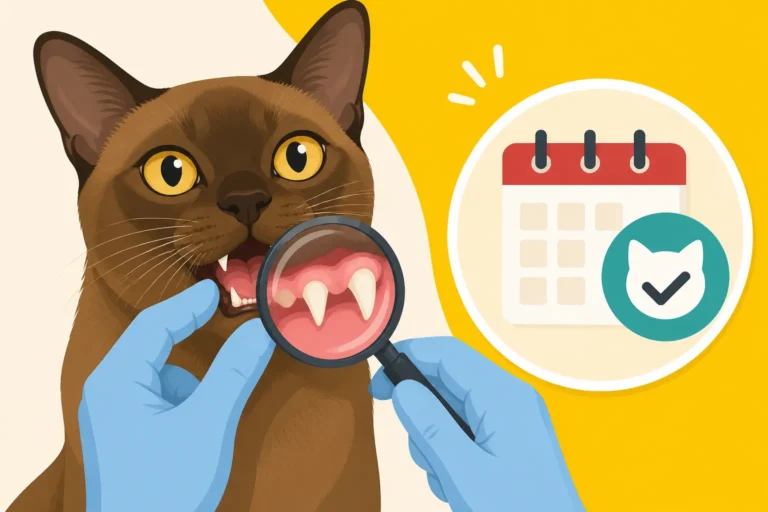
For instance, their claws still need regular trimming to prevent them from becoming too long or splitting. Their ears should be checked periodically for cleanliness, and their teeth are an area where Burmese often need extra attention, as they can be prone to gum disease later in life. Starting a dental routine early, perhaps by introducing a cat toothbrush, is a fantastic idea. Beyond physical care, remember that a Burmese is an incredibly social animal. They thrive on interaction and can become anxious if left alone for too long. They need plenty of playtime, cuddles, and mental stimulation. So, while you might save time on grooming, be prepared to invest that time in showering your Burmese with affection and engagement.
Factors That Might Influence Burmese Shedding
While Burmese cats are generally low-shedding, it's important to understand that no cat is a robot, and individual factors can influence how much hair they do drop. Recognizing these factors allows you to maintain their healthy coat and address any underlying issues.
Health, Diet, and Environmental Considerations
A Burmese cat's coat is often a good indicator of their overall health. If you notice a sudden or significant increase in shedding, or if their usually sleek coat starts to look dull, greasy, or patchy, it's often a red flag that something might be amiss. Poor nutrition is a common culprit; a diet lacking essential fatty acids, vitamins, or high-quality protein can directly impact coat health, leading to more shedding and a less vibrant appearance. High-quality, high-protein wet food can support a healthy coat.
Stress can also manifest in increased shedding. A change in environment, the introduction of a new pet, or even a shift in your household routine can cause a Burmese to feel anxious, potentially leading to more hair loss. Furthermore, underlying health conditions such as parasites, skin infections, hormonal imbalances, or even more serious internal illnesses can all contribute to a dull coat and excessive shedding. If you notice any drastic changes, a trip to the vet is always advisable to rule out medical issues. Environmental factors like extreme temperature changes (though less impactful than for double-coated cats) or very dry air might also play a minor role in coat condition.
The Importance of a Quality Diet for Coat Health
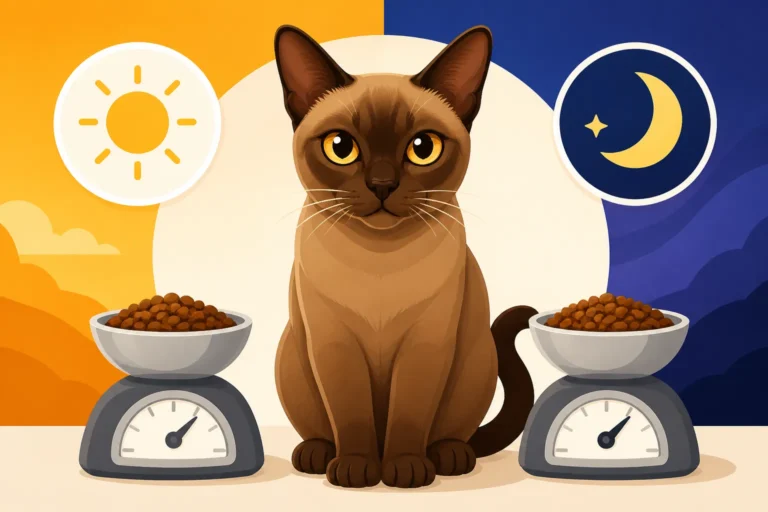
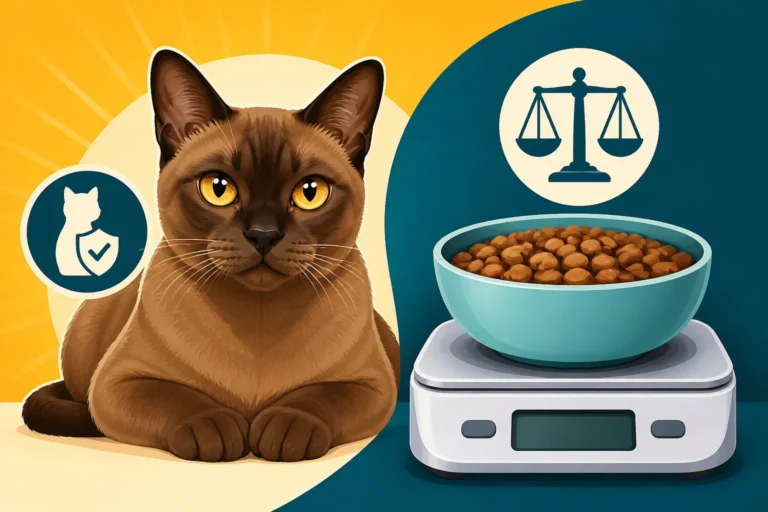
We cannot overstate the impact of a high-quality diet on a Burmese cat's coat and overall health. Given their predisposition to certain health issues, particularly diabetes, feeding a thoughtfully chosen diet is a medical decision, not just a preference. For their coat, this means a diet rich in animal protein and healthy fats, with a low carbohydrate content. These nutrients are the building blocks for healthy skin and a shiny, strong coat.
Look for wet food options that list meat (like chicken, turkey, or fish) as the first ingredient and avoid fillers such as corn, wheat, or soy. While you can find suitable options at major pet retailers, including online platforms like Amazon, always check the nutritional analysis. A diet specifically formulated for felines, mimicking their natural prey, will provide the Omega-3 and Omega-6 fatty acids vital for skin hydration and coat luster, further minimizing shedding. Think of their diet as an internal grooming tool; what goes in absolutely shows on the outside. A well-nourished Burmese will naturally have a healthier, less shedding coat, making your home even tidier and your beloved cat more comfortable. Remember, Feeding a Burmese Is a Medical Decision, Not a Preference – especially for their long-term well-being and appearance.
The Burmese truly offers a fantastic solution for cat lovers who want to share their lives with a feline companion but dread the endless battle against cat hair. Their unique, satin-smooth coat with its minimal undercoat means significantly less shedding than most other breeds. You’ll find yourself reaching for the lint roller far less often, and your home will be noticeably cleaner. However, remember that a low-shedding coat doesn't mean a maintenance-free cat. These affectionate, intelligent felines require your time, attention, and a high-quality diet to thrive. By understanding their unique needs, you can enjoy all the joys of Burmese companionship with the added bonus of a remarkably clean home.
Disclaimer
This article is for general informational purposes only and does not constitute professional advice. Laws, prices and regulations vary by location and change over time. Consult a qualified professional for guidance on your specific situation.