Why a Satin Coat Does Not Make a Burmese Allergy Safe
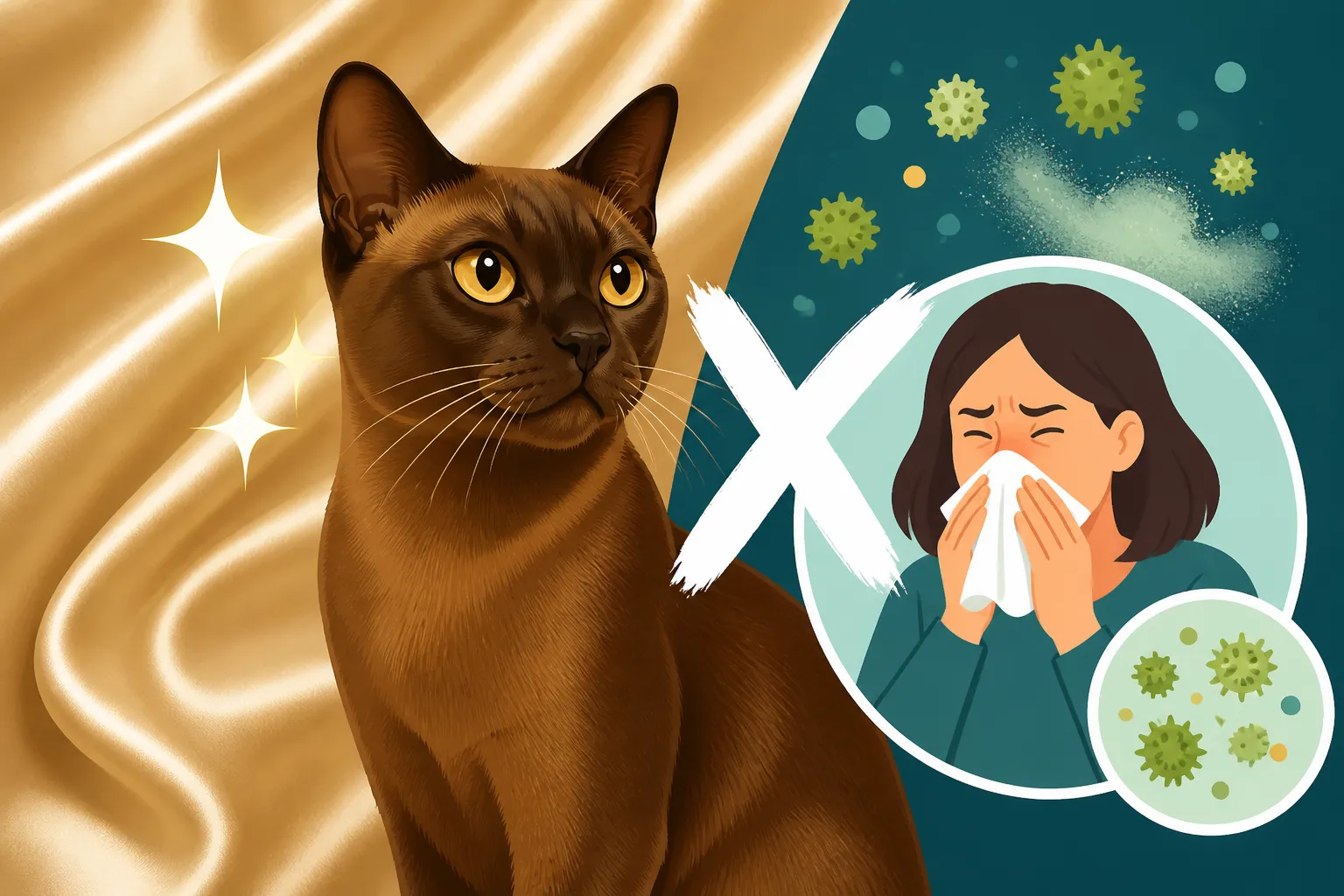
It’s a common and completely understandable misconception to assume that a cat with a short, sleek coat, like our beloved Burmese, would be a safe bet for allergy sufferers. Many people look at that gorgeous, almost painted-on satin coat and think, "Less hair, less dander, less problems!" But oh, if only it were that simple! The truth is, feline allergies are a lot more complex than just loose fur, and this guide is here to shed some light on why your stunning Burmese, despite its minimal shedding, might still trigger those sniffles and itchy eyes, and what you can realistically do about it.
The Real Culprit Behind Cat Allergies: It's Not Just About Hair
When you sneeze or your eyes water around a cat, it's natural to point the finger at their fur. We see hair everywhere, so it seems like the obvious cause, doesn't it? But for the vast majority of people with cat allergies, the hair itself isn't the primary antagonist. This can be a tough pill to swallow, especially when you’ve carefully chosen a short-haired breed like the Burmese hoping for relief. The frustration of still reacting, despite your best efforts, is very real, and it’s often because we’re misunderstanding what’s truly at play.
Dispelling the Hypoallergenic Myth
Let's get right to it: no cat breed is truly 100% hypoallergenic. It's a term that gets thrown around a lot, often leading to disappointment and heartbreak when families bring home a seemingly "allergy-friendly" cat only to find their symptoms persist. The notion that a short coat, like the Burmese’s beautiful satin, somehow renders a cat safe for allergy sufferers is a prime example of this myth. While it’s true that a cat with less hair might theoretically distribute slightly fewer visible hairs around your home, the underlying allergens are still very much present, and that’s the crucial distinction. Think of it this way: a shorter coat doesn't change the cat's biology or how its body produces the proteins that cause allergic reactions.
Where Fel d 1 Really Comes From
The main culprit, the tiny villain behind most cat allergies, is a protein called Fel d 1. And here's the kicker: this protein isn't found in the hair itself. Instead, it's produced primarily in the cat's saliva, sebaceous glands (which are oil glands in the skin), and to a lesser extent, in their urine.
So, how does it end up everywhere if it's not in the hair? It's simple, yet insidious. When your Burmese meticulously grooms its gorgeous coat, it’s spreading saliva packed with Fel d 1 all over its fur. As the saliva dries, the protein becomes airborne, attaching itself to tiny flakes of dead skin, known as dander. This dander is microscopic and incredibly light, allowing it to float through the air for hours, settle on every surface imaginable – furniture, carpets, clothing, even your skin and hair – and then easily be re-aerosolized with the slightest disturbance. Even the most fastidious household can't completely escape it. The very act of your affectionate Burmese rubbing its face against you, a behavior they adore, is a direct transfer of this allergen.
Understanding Fel d 1 and the Burmese Cat
The unique qualities of the Burmese cat make this conversation even more important. Their physical characteristics and behavioral traits, while endearing, also play a role in how allergens interact with their environment and their human companions. It's not about blaming the cat; it's about understanding the science and being realistic.
The Burmese Coat and Allergen Spread
Our Burmese cats are renowned for their incredibly short, fine, and close-lying coats. Many describe it as feeling like satin or even mink, and it truly is one of their most distinguishing features. They have very little, if any, undercoat, which means they don't typically "blow coat" in the same dramatic way some double-coated breeds do. This contributes to the belief that they don't shed much, and to the naked eye, it might seem that way. However, even with How Little a Satin Coated Burmese Sheds visibly, they still produce dander.
Because the Fel d 1 protein is produced in their skin and saliva, every time a Burmese grooms itself, it's essentially coating its beautiful satin fur with the allergen. And because they are such affectionate, "velcro" cats, always wanting to be in your lap, on your shoulder, or Why a Burmese Pushes Its Face Into Your Palm, they are constantly transferring that dander and protein directly to you, your clothes, and your furnishings. The lack of a long, fluffy coat doesn't prevent this transfer; in some ways, their close contact nature means more direct allergen exposure than a more aloof, long-haired cat might provide. It’s a bittersweet irony: the very trait that makes them such loving companions can exacerbate the allergy issue.
No Breed Is Truly Hypoallergenic
Let's reiterate this crucial point: no cat breed, including the Burmese, is genuinely hypoallergenic. Some breeds, like the Siberian or Balinese, are anecdotally reported to produce less Fel d 1, but this varies wildly from cat to cat, even within those breeds. It's never a guarantee.
The idea that short-haired cats are better for allergies often stems from the observation that they might trap less dander and therefore disperse it less aggressively when they shake or move. However, this is a difference in distribution, not in production of the allergen. Your gorgeous Burmese is still producing Fel d 1 in its saliva and skin, just like any other cat. The dander from its skin, even though its coat is so fine and short, still carries that protein. For someone with a cat allergy, it’s about the presence of the protein, not just the visible hair. Some individuals might experience milder symptoms with a short-haired cat because there's less surface area on the fur to hold the dander, but this is highly individual and far from universal. Many find that the intense need for closeness that a Burmese displays, a trait that earns them the title The Burmese Is the Velcro Cat of the Cat Fancy, means they're constantly in direct contact with the allergen, negating any perceived benefit of a short coat.
Managing Allergies While Living with a Burmese
So, you love Burmese cats, perhaps you even have one already, but allergies are a real concern. Don’t despair entirely! While there's no magic wand to make allergies disappear, there are definitely proactive steps you can take to manage your symptoms and create a more comfortable coexistence with your beloved feline companion. It requires dedication and consistency, but for the deep affection a Burmese offers, many owners find it a worthwhile effort.
Creating an Allergy-Friendly Home Environment
Your home environment is your first line of defense. Think of it as creating a series of invisible barriers and clean zones.
- Air Filtration Systems: Investing in a high-quality air purifier with a HEPA filter can make a significant difference. These devices actively pull airborne allergens out of the air. Consider placing one in the rooms where you spend the most time, especially in your bedroom. Brands available on platforms like Amazon or Chewy offer a wide range of options, from small units for individual rooms to larger whole-house systems.
- Regular, Thorough Cleaning: Dander settles on every surface. Regular cleaning is crucial. Use a vacuum cleaner with a HEPA filter to trap allergens in carpets and upholstery. Wipe down hard surfaces, floors, and walls regularly with a damp cloth. You'll be amazed at how much dander accumulates even in a seemingly clean home. For hard-to-reach areas, a microfiber dusting mitt can be very effective.
- Designated "Cat-Free" Zones: This might sound harsh, especially for a clingy Burmese, but having a cat-free sanctuary, particularly your bedroom, can provide much-needed respite for allergy sufferers. If your cat is allowed in other parts of the house, make sure your bedroom door stays closed. Wash your bedding frequently in hot water to remove any lingering dander that might have transferred from your clothes or skin.
- Wash Pet Bedding: Your Burmese loves to snuggle in their bed or on soft blankets. These items become reservoirs for dander and allergens. Wash all pet bedding weekly in hot water.
Direct Pet Care and Grooming
While you can't stop your Burmese from producing Fel d 1, you can reduce the amount of allergen it carries and spreads.
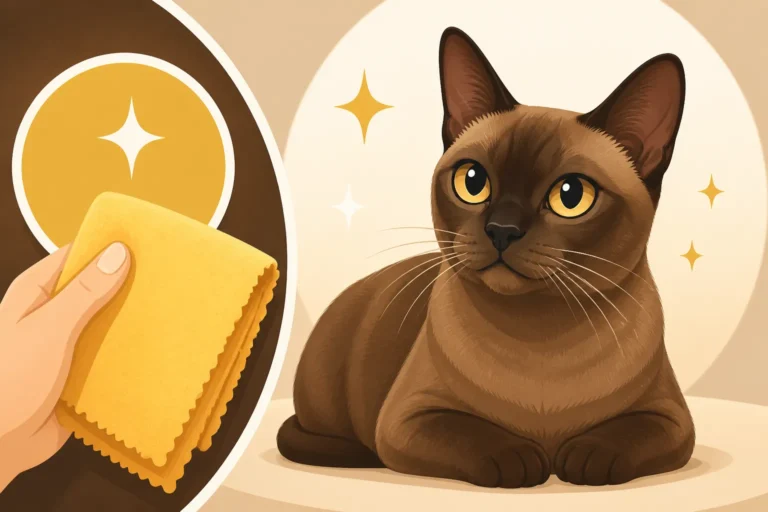
- Regular Wiping/Grooming: While bathing a cat isn't always practical or pleasant for either party, regularly wiping your Burmese's coat can help. A damp cloth, a specialized grooming glove, or even a chamois cloth can pick up loose dander and saliva. Many Burmese enjoy this as it feels like attention and petting. Why a Weekly Chamois Is All a Burmese Needs not only brings out their coat's shine but also helps manage allergens. For a Burmese, grooming isn't a chore; it's a cuddle session, so embrace it!
- Specialized Diets and Supplements: Some cat foods are formulated with ingredients that claim to neutralize Fel d 1 in a cat's saliva. While results can vary, it might be an option worth discussing with your vet. High-quality diets that promote healthy skin and coat can also indirectly help by reducing dry, flaky dander. Look for foods rich in omega fatty acids.
- Brush Outside (if possible): If your Burmese tolerates it and the weather allows, giving their weekly chamois rub or gentle brush outside can help keep airborne dander out of your home. However, remember they are indoor cats and should be supervised to avoid wandering off.
Personal Care and Medical Options
Don't forget about your own body and what your doctor can do to help.
- Hand Washing: Make it a habit to wash your hands thoroughly after petting or handling your Burmese. This simple act can prevent allergens from spreading to your face, eyes, and mouth.
- Change Clothes: If you've had a particularly snuggly session with your cat, changing your clothes can help reduce continued exposure to allergens.
- Medical Interventions: For persistent symptoms, consult an allergist. They can recommend over-the-counter antihistamines, nasal sprays, or prescription medications. Allergy shots (immunotherapy) are also an option that can gradually desensitize you to the allergen over time. These are serious medical decisions, of course, and should always be discussed with a qualified professional.
Realistic Expectations and Coexistence Strategies
Living with a Burmese when you have allergies means striking a balance between your love for your cat and your personal comfort. It’s about setting realistic expectations and understanding that while you can mitigate symptoms, complete elimination of the allergen is highly unlikely.
Assessing Individual Sensitivity
Every person's allergic reaction is unique. What might be a mild sniffle for one person could be a severe asthma attack for another. Before bringing a Burmese home, especially if you know you have cat allergies, it’s incredibly important to spend extended periods of time with a Burmese cat to gauge your reaction. Visit a breeder, a friend's home, or a rescue center that has Burmese cats. Don't just spend five minutes; truly immerse yourself for an hour or more, multiple times if possible. Observe your symptoms closely. Remember that stress or other allergens (like pollen) can worsen reactions, so try to assess in a calm environment. Initial mild reactions can sometimes worsen over time with continuous exposure, so what seems manageable initially might become a bigger problem later.
The Commitment to a Burmese
Burmese cats are not just pets; they are deeply social and incredibly affectionate companions. They thrive on human interaction and demand to be an integral part of your daily life. They are renowned for their "dog-like" personalities, following you from room to room, wanting to be involved in whatever you're doing. This means close physical contact is a given. Why a Burmese Cannot Be Left Alone All Day because their need for companionship is profound. Isolating a Burmese due to allergies goes against their very nature and can lead to behavioral issues and unhappiness for the cat. If you're going to live with a Burmese, you must be prepared for that intense bond and constant proximity, which directly impacts allergen exposure. Their playful nature also means they’ll be interacting with toys and surfaces, spreading dander as they go. Even a senior Burmese will still want to play and engage, as discussed in How Much Play a Burmese Still Demands at Ten.
When to Consider Alternatives
Sometimes, despite all best efforts and genuine love for the breed, allergies can simply be too severe. If you've tried all the mitigation strategies, consulted with medical professionals, and are still experiencing debilitating symptoms, it might be time to consider whether a Burmese (or any cat) is the right pet for your household. The decision to rehome a beloved pet is heartbreaking, which is why upfront honesty about your allergic sensitivities is so crucial. A cat deserves a home where it can be fully integrated and loved without causing chronic discomfort or health issues for its human family. It's a tough conversation, but ensuring a good quality of life for both you and your potential pet is paramount. There are many other wonderful ways to interact with animals, even if living with a cat isn't one of them for you.
| Aspect | Common Myth | Reality |
|---|---|---|
| Cause of Allergies | Cat hair itself | Fel d 1 protein in saliva, skin oils, and dander |
| "Hypoallergenic" | Short-haired cats are allergy-safe | No cat is truly 100% hypoallergenic; all cats produce Fel d 1 |
| Burmese Coat | Satin coat means less shedding, less allergen | Sheds dander (microscopic skin flakes) carrying Fel d 1 |
| Allergen Spread | Visible hair is the main spreader | Microscopic dander becomes airborne; cat's grooming spreads saliva-borne Fel d 1 |
| Management | Just vacuuming more | Environmental controls (HEPA filters), regular cleaning, pet care, personal hygiene, medical interventions |
Disclaimer
This article is for general informational purposes only and does not constitute professional advice. Laws, prices and regulations vary by location and change over time. Consult a qualified professional for guidance on your specific situation.