How Many Grams a Burmese Gets in a Measured Meal
One of the biggest anxieties for any loving cat parent, especially those with a Burmese, is knowing if you're feeding them enough, or, perhaps more critically, not too much. It's a common frustration to look at your sleek, muscular Burmese and wonder if that extra scoop of kibble you just gave them is setting them up for health problems down the road. This guide is here to walk you through exactly how to determine and implement a measured meal plan for your Burmese, focusing on the precise gram amounts to help keep them healthy and happy for years to come.
Understanding Your Burmese's Unique Nutritional Needs
The Burmese is a truly special breed, known for its incredible affection and, unfortunately, a predisposition to certain health challenges, particularly diabetes. This isn't just about avoiding obesity; for a Burmese, feeding isn't merely about sustenance – it's a critical part of their preventative healthcare. They have a lean, muscular build that can sometimes hide a creeping weight gain, making accurate portion control absolutely essential.
Why Burmese Cats Are Prone to Weight Gain and Diabetes
Our beautiful Burmese friends are genetically predisposed to developing type 2 diabetes, and weight gain is a significant accelerator of this condition. Imagine it like this: their bodies are inherently less efficient at processing carbohydrates and maintaining stable blood sugar levels. When they consistently consume more calories than they burn, especially from diets high in carbohydrates, their pancreatic cells can become overworked and eventually fail to produce enough insulin, leading straight to diabetes. This predisposition is so pronounced that Why a Burmese Is Four Times More Likely to Become Diabetic is a topic many breeders and vets are deeply concerned about.
It's not just about what they eat, but also how much. A free-fed Burmese, one with a bowl always full, is at a much higher risk. They are known for their insatiable appetites and will often eat simply because food is available, not because they're truly hungry. This constant grazing leads to calorie overconsumption and puts immense strain on their metabolic system. You might think, "My cat seems active enough," but even an active Burmese can quietly gain weight if their intake isn't strictly managed. For example, a curious Burmese might spend a lot of time exploring but won't burn enough calories to justify an unrestricted diet.
Then there's the delightful trait of their insatiable love for food. Many Burmese will beg relentlessly, making you feel like you're starving them. It's tough to resist those pleading, golden eyes! But giving in to every request can quickly tip the scales. It's a common story: an owner, out of love, offers an extra treat or a bit more food, and slowly, imperceptibly, the cat gains weight. This is why Why a Burmese Needs Fewer Calories Than It Asks For is such an important concept to grasp.
The Role of a Low Carbohydrate Diet
Given their diabetes risk, a low-carbohydrate diet is almost universally recommended for Burmese cats. This means focusing on high-quality wet food that is rich in animal protein and has minimal fillers like grains, potatoes, or peas. Carbohydrates convert to glucose (sugar) in the body, which then triggers insulin release. For a breed already struggling with insulin sensitivity, reducing this carbohydrate load significantly lessens the burden on their pancreas. Think of it as giving their system a much-needed break.
When you're choosing food, pay close attention to the guaranteed analysis on the label, specifically looking for the "dry matter basis" carbohydrate percentage. You want to aim for foods with less than 10% carbohydrates on a dry matter basis. Many commercial kibbles, even those marketed as "healthy," can be surprisingly high in carbs. This is where a little investigative work into food labels, or checking reputable online retailers like Chewy or Amazon for detailed nutritional breakdowns, becomes invaluable. Switching to a species-appropriate, low-carb diet is a cornerstone of preventing and managing diabetes in this breed. Why Low Carbohydrate Food Matters for a Burmese cannot be overstated.
For example, I once worked with a lovely Burmese named Miko whose owners were convinced they were feeding him well with a premium dry kibble. Miko was constantly hungry, vocal, and, unbeknownst to them, slowly gaining weight. When we switched him to a high-protein, low-carb wet food, measured precisely, not only did his hunger cues become more manageable, but his energy levels stabilized, and he started to lose that subtle, risky weight. It proved that sometimes the best intentions with the wrong food can still lead to trouble.
How to Calculate and Weigh Your Burmese's Food Accurately
Knowing why to measure is one thing, but knowing how and what to measure can feel like a whole new level of cat parenthood. It's less complicated than it seems once you get into the routine, but it does require a bit of dedication and the right tools. Forget the scoop that came with the bag – that's often a recipe for overfeeding. Precision is key when it comes to your Burmese.
Determining Your Burmese's Calorie Needs
The starting point for any measured meal plan is understanding how many calories your individual Burmese needs. This isn't a one-size-fits-all number. Factors like their age, activity level, whether they're spayed or neutered, and their current body condition all play a role. A playful youngster will need more calories than a sedentary senior, and a neutered male, who is often at Why a Neutered Male Burmese Is Highest Risk for diabetes, might need a slightly lower intake to prevent weight gain.
A good rule of thumb for a healthy, adult, spayed/neutered indoor cat is generally around 20-25 calories per pound of ideal body weight. So, if your Burmese ideally weighs 10 pounds, they would need approximately 200-250 calories per day. However, this is just a starting point. Your veterinarian is your best resource for determining your cat's ideal weight and exact daily caloric requirements, especially if they need to lose or gain weight. They can help calculate How Many Calories a Neutered Adult Burmese Burns based on a thorough examination. Many food manufacturers also provide feeding guidelines based on weight, but always consider these as suggestions rather than strict rules, as individual cats can vary widely.
For instance, consider two Burmese cats, both 8 pounds. One is a sleek, active climber who chases toys for hours, while the other is a contented lap cat who prefers napping. Their caloric needs, even at the same weight, will differ. The active cat might need closer to 25 calories per pound, while the lap cat might thrive on 20 calories per pound. This personalized approach is what makes precise measurement so important.
The Importance of a Digital Kitchen Scale
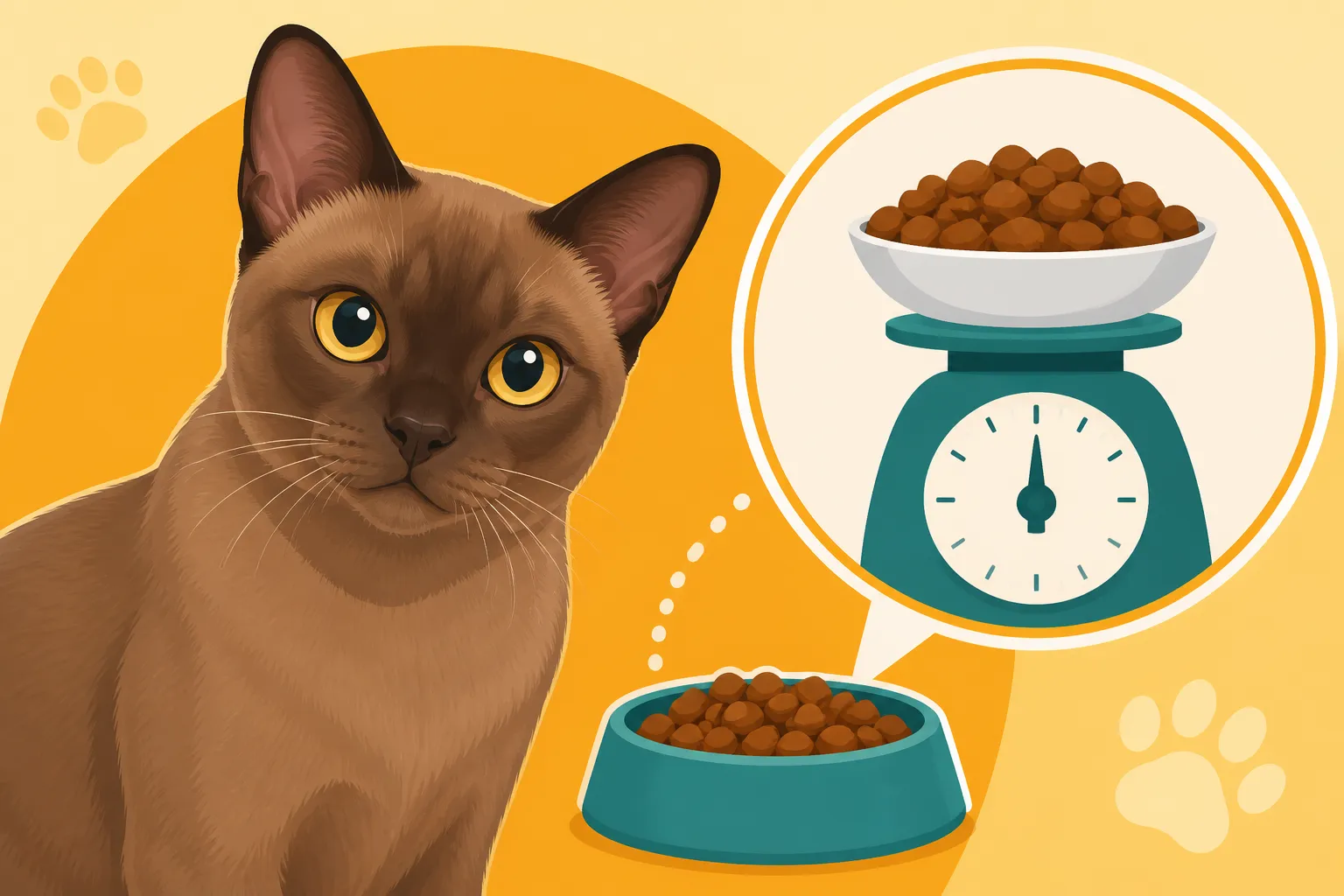
This is where the rubber meets the road. To accurately measure your Burmese's food in grams, you need a digital kitchen scale. Scoops are notoriously inaccurate, leading to inconsistencies that can add up to hundreds of extra calories over time. A small digital scale, easily found on Amazon or at your local kitchen store, will be your best friend in managing your cat's weight and health. Why a Burmese's Food Should Be Weighed on Scales is not just a suggestion, it's a critical practice for their well-being.
To use it, simply place your cat's empty food bowl on the scale and press the "tare" or "zero" button. Then, add the wet food until you reach the desired gram weight. Many food labels provide calorie counts per can or per 100 grams, making it easy to convert your cat's daily caloric needs into a specific gram amount. For example, if a can of food contains 100 calories and your cat needs 200 calories a day, you'd feed two cans. If the can weighs 156 grams, and contains 100 calories, then 1 gram is roughly 0.64 calories. If your cat needs 200 calories, they need about 312 grams of that food per day (200 / 0.64). Dividing this into two meals means approximately 156 grams per meal.
Here's a quick guide to common food weights and conversions:
| Unit of Measurement | Common Equivalents | Why It Matters for Burmese |
|---|---|---|
| Grams (g) | 1 ounce = ~28 grams | Most accurate for portioning, especially wet food. Essential for precise calorie control. |
| Kilocalories (kcal) | Often listed as "calories" on pet food labels | The fundamental unit for determining daily energy needs. |
| Cups/Scoops | Varies widely by food density and scoop size | Highly inaccurate for consistent feeding; avoid for Burmese. |
| Cans (wet food) | Standard sizes (e.g., 3 oz, 5.5 oz) | Provides a baseline, but still needs gram weighing for specific portions. |
Let's say your vet determines your 10-pound Burmese needs 220 calories per day. You choose a high-quality wet food that states it has 85 calories per 3 oz (85g) can.
- First, calculate how many cans you'd need: 220 calories / 85 calories/can = 2.58 cans.
- Then, convert that to grams: 2.58 cans * 85 grams/can = 219.3 grams per day.
- If you feed two meals a day, that's roughly 109-110 grams per meal.
The Dangers of Free Feeding for Burmese
As mentioned, free-feeding is a major no-no for a Burmese. Beyond the diabetes risk, it leads to inconsistent eating patterns, can mask health issues (you won't notice a drop in appetite if food is always there), and simply encourages overeating. Why a Bowl Left Down Turns a Burmese Diabetic isn't an exaggeration; it's a direct consequence of their genetic makeup and love for food.
Instead, commit to scheduled mealtimes, typically two to three times a day. This allows you to monitor their appetite, ensure they're eating their full portion, and manage their weight effectively. It also creates a routine that many Burmese thrive on, as they are creatures of habit and appreciate predictability. If you have multiple cats, this also prevents one Burmese from stealing another's food. For multi-cat households, microchip feeders can be an excellent investment, allowing only the designated cat to access their specific meal portion, ensuring each cat gets exactly what they need without raiding their housemates' bowls.
Adjusting Meal Portions for Your Burmese's Life Stages
A Burmese kitten, a senior, and a very active adult will all have different energy requirements. Just like humans, their needs change throughout their lives, and their meal portions need to reflect that. It’s a dynamic process, not a set-it-and-forget-it plan.
Feeding Burmese Kittens and Young Adults
Burmese kittens are little bundles of energy, growing rapidly and needing more calories per pound of body weight than an adult cat. They're building muscle, developing their immune systems, and exploring the world with boundless enthusiasm. However, even with kittens, controlled portions are advisable to establish good habits early and prevent them from becoming accustomed to overeating. Your breeder will likely have specific recommendations based on their experience with their lines, but generally, kittens will need to be fed three to four times a day, with portions gradually increasing as they grow, then tapering off as they approach adulthood.
A good starting point for kittens is often around 30-35 calories per pound of body weight, but again, this will fluctuate based on growth spurts and individual metabolism. You'll want to monitor their body condition closely – they should be lean and muscular, with easily palpable ribs (but not visible). As they transition into young adulthood, usually around 12-18 months, their growth slows, and their caloric needs will stabilize to adult levels. This is the time to be particularly vigilant, as this is often when the subtle creep of extra pounds can begin if portions aren't adjusted.
For instance, a Burmese kitten at four months old might be consuming 200-250 grams of high-quality wet food spread over three meals a day. By the time they hit a year old, that might drop to 150-180 grams over two meals, even if they're physically larger, because their rapid growth phase is over. It's about adjusting the density of their nutrition to their energy output and growth rate.
Managing Adult Burmese Weight
For adult Burmese cats, the focus shifts to maintenance and prevention. You're aiming for that ideal lean body condition, which means a well-defined waist, ribs that are easily felt without a thick layer of fat over them, and a strong, muscular physique. Since A Burmese Is Still Playing at Fifteen, their activity might remain higher than other breeds even as they age, but their metabolism will naturally slow down. Regular weighing (once a week or every two weeks) is crucial here. How to Weigh a Burmese Accurately at Home is a skill every Burmese owner should master.
If you notice weight gain, don't panic. A small adjustment to their daily gram allowance, say by 10-15 grams, can make a big difference over a few weeks. Conversely, if your Burmese seems too thin, a slight increase might be warranted. Always make changes gradually over several days to avoid digestive upset. Remember that Why a Burmese Is Heavier Than It Looks due to their solid, muscular build, so don't mistake muscle for fat. Feeling their body is just as important as seeing the number on the scale. When you run your hands along their sides, you should be able to feel their ribs without pressing hard, and they should have a discernible waistline when viewed from above.
If your Burmese has developed diabetes, feeding them becomes even more precise, often tied directly to their insulin injections. Your vet will provide a specific diet plan, typically a very low-carb prescription food, and will instruct you on how to time their meals around their insulin doses. Consistency here is paramount.
Considerations for Senior Burmese Cats
As your Burmese reaches their golden years, typically starting around age 7-10, their needs can change again. Some senior cats become less active and may require fewer calories to prevent weight gain. Others may start to lose muscle mass and require a diet with slightly higher, easily digestible protein to maintain their physique. Regular vet check-ups become even more important during these years to monitor for conditions like kidney disease, hyperthyroidism, or dental issues, all of which can impact appetite and nutritional needs.
An older Burmese might also benefit from more frequent, smaller meals if they struggle with digestion or a reduced appetite. Wet food, with its higher moisture content, can also be beneficial for kidney health and ensuring adequate hydration, which is vital as cats age. Sometimes, an older Burmese might become very particular about food texture or temperature. You might find warming their food slightly, or offering different low-carb pate or shredded options, encourages them to eat. While they may still demand your attention like a kitten, What an Old Burmese Still Wants to Play, their physical needs are different.
For example, my friend's 14-year-old Burmese, aptly named "Queen," started to show signs of early kidney decline. Her vet recommended a specific therapeutic diet. We worked together to transition her slowly, mixing in tiny amounts of the new food with her old, gradually increasing it over several weeks. We also found she preferred her meals slightly warmed, which helped maintain her appetite and ensure she was getting her measured gram portions.
No matter the age, consistent, measured meals are a cornerstone of Burmese health. Investing in a digital scale and committing to a low-carb, portion-controlled diet is one of the best ways to ensure your Velcro cat enjoys a long, vibrant life by your side.
Disclaimer
This article is for general informational purposes only and does not constitute professional advice. Laws, prices and regulations vary by location and change over time. Consult a qualified professional for guidance on your specific situation.