Which Protein Level Holds a Burmese’s Muscle On
It's a common worry for us Burmese cat parents: our cats have this incredible, dense, muscular build, often described as a "brick wrapped in silk," and we want to ensure they keep that gorgeous physique throughout their lives. But knowing exactly what to feed them, especially when it comes to protein, can feel like navigating a minefield of conflicting advice. This guide is all about helping you understand the crucial role protein plays in your Burmese's health and how to choose the best diet to keep their magnificent muscle tone strong and healthy.
The Burmese Physique: More Than Just a Pretty Face
Our Burmese cats aren't just beautiful; they're built like little athletes. Their unique body composition demands specific nutritional attention to maintain their iconic shape and overall vitality. It's not just about looking good, it's about supporting their internal health and energetic spirit.
The "Brick Wrapped in Silk" Reality
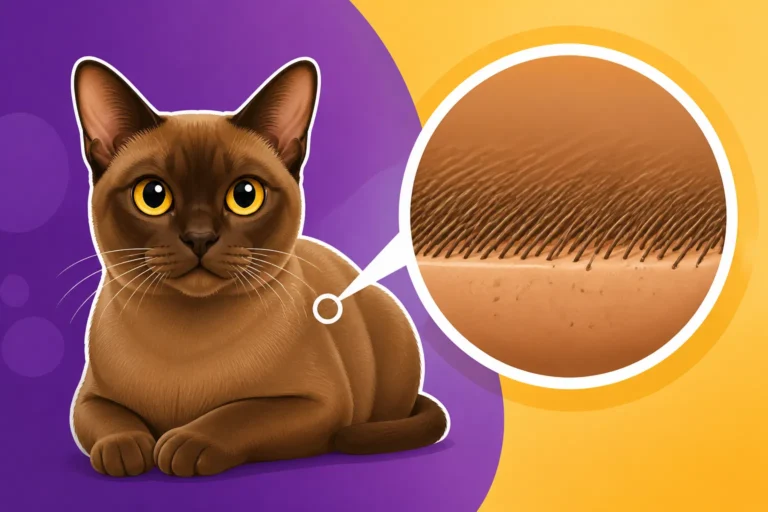
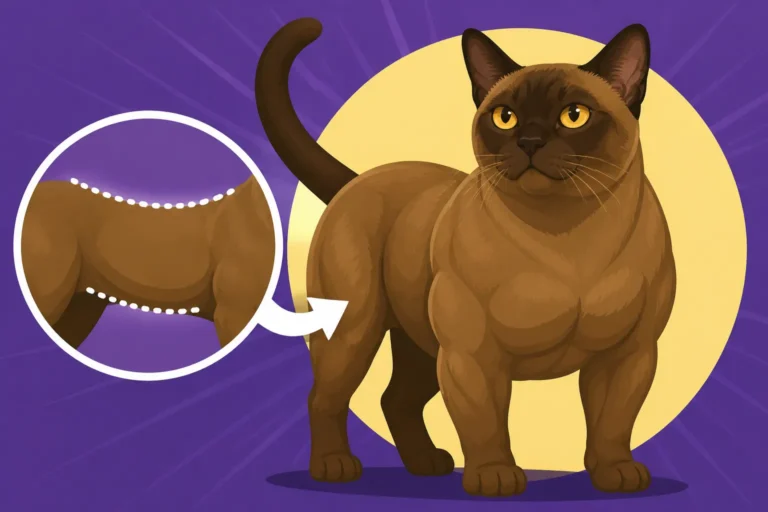
If you’ve ever picked up a Burmese, you know exactly what I mean by "a brick wrapped in silk." They feel surprisingly heavy for their size, with a solid, compact body and very little visible fat. This isn't just a charming quirk; it's a defining characteristic of the breed, a testament to their exceptional muscle density. Unlike many other cat breeds that might feel more delicate or slender, the Burmese is all about compact power. This dense musculature is what gives them that incredibly solid feel, and it's a key part of their active and playful nature. They're always ready to leap, pounce, and ride on your shoulder, and that takes strong muscles! It's why we often say Why a Burmese Is Called a Brick Wrapped in Silk.
This incredible build is supported by a naturally high metabolism, especially when they're young and full of beans. They burn through calories efficiently, fueling their endless curiosity and playful antics. It's a joy to watch them in action, a blur of satin-smooth fur and coiled power. However, as they age, this metabolism might slow a little, making dietary choices even more critical to prevent unwanted weight gain which can mask muscle loss. We want them to feel solid and substantial, not soft around the middle. It's a constant balancing act to ensure their diet supports this incredible physique without tipping the scales.
Why Muscle Mass Is Crucial for Burmese Health
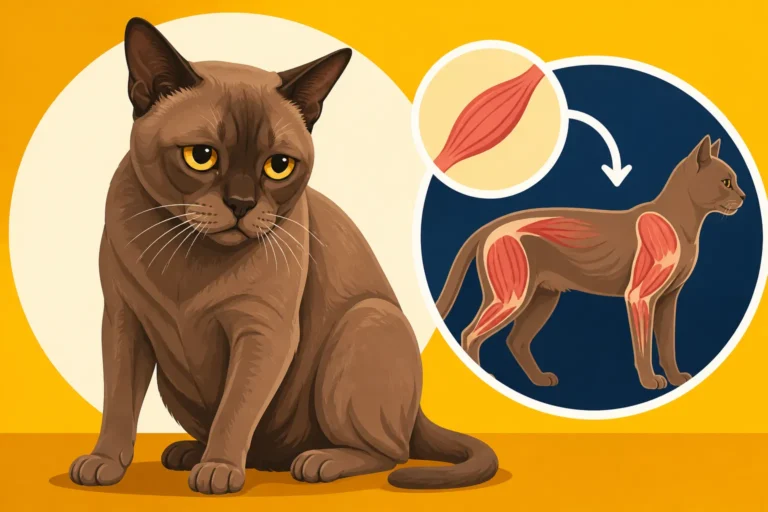
Maintaining good muscle mass in your Burmese is absolutely non-negotiable for their long-term health and quality of life. It’s not simply for show, or about hitting a breed standard; strong muscles are integral to their well-being. Firstly, robust musculature provides essential support for their joints and skeletal system. This is particularly important for an active breed like the Burmese, who love to jump, climb, and dart around the house even into their senior years. Good muscle tone helps prevent injuries and supports mobility as they age, keeping them agile and comfortable.
Beyond physical support, muscle mass plays a critical role in their metabolic health. Muscle tissue is metabolically active, meaning it burns calories even at rest. A higher muscle-to-fat ratio helps to regulate blood sugar levels, which is incredibly important for Burmese cats. This breed is known for its predisposition to diabetes, and maintaining a lean, muscular body is one of the most powerful preventative measures you can take. Why Low Carbohydrate Food Matters for a Burmese ties directly into this, as the right diet can significantly impact their metabolic health. When we talk about how Why a Burmese Is Heavier Than It Looks, we're often referring to this dense muscle, which is a healthy kind of weight. Keeping that muscle on helps mitigate risks and keeps their energy levels stable.
Understanding Protein Needs for Your Burmese
Protein is the cornerstone of a Burmese cat's diet, the very building block of their impressive muscle mass. But not all protein is created equal, and understanding what your Burmese truly needs goes beyond just glancing at a percentage on a food label. We need to dive a little deeper to ensure they're getting the best.
How Much Protein Is Really Enough?
For a Burmese, due to their unique body composition and high activity levels, simply meeting the minimum protein requirements set for "cats" isn't always enough to maintain their optimal muscle health. Generally, adult cats require a diet with at least 26-30% protein on a dry matter basis, but for a muscular breed like the Burmese, you're really aiming for something significantly higher. Think in the range of 40-50% (or even more) for their diet to truly support their lean mass. Growing kittens, pregnant queens, and highly active adults might even benefit from percentages at the higher end of this scale.
It's about feeding for their physiological needs, not just generic guidelines. We're talking about sustaining that dense muscle, supporting their high energy, and bolstering their immune system. If a Burmese is fed a diet that's too low in protein, especially if it's also high in carbohydrates, they risk losing that precious muscle mass and becoming more prone to weight gain and conditions like diabetes. This is why paying close attention to the macronutrient breakdown of their food is so vital. Remember, How Many Calories a Neutered Adult Burmese Burns will vary, but protein remains key.
The Difference Between "Crude Protein" and Usable Protein
When you're scrutinizing cat food labels, you'll inevitably see "crude protein" listed. This figure tells you the total amount of protein in the food, but it doesn't tell you anything about its quality or how digestible it is for your cat. This is a huge distinction, especially for an obligate carnivore like the Burmese. Cats are designed to process animal-based proteins far more efficiently than plant-based ones. A food might boast a high crude protein percentage, but if a significant portion of that comes from plant sources like corn gluten, peas, or potatoes, much of it simply isn't bioavailable or "usable" by your cat's system. They struggle to extract the necessary amino acids.
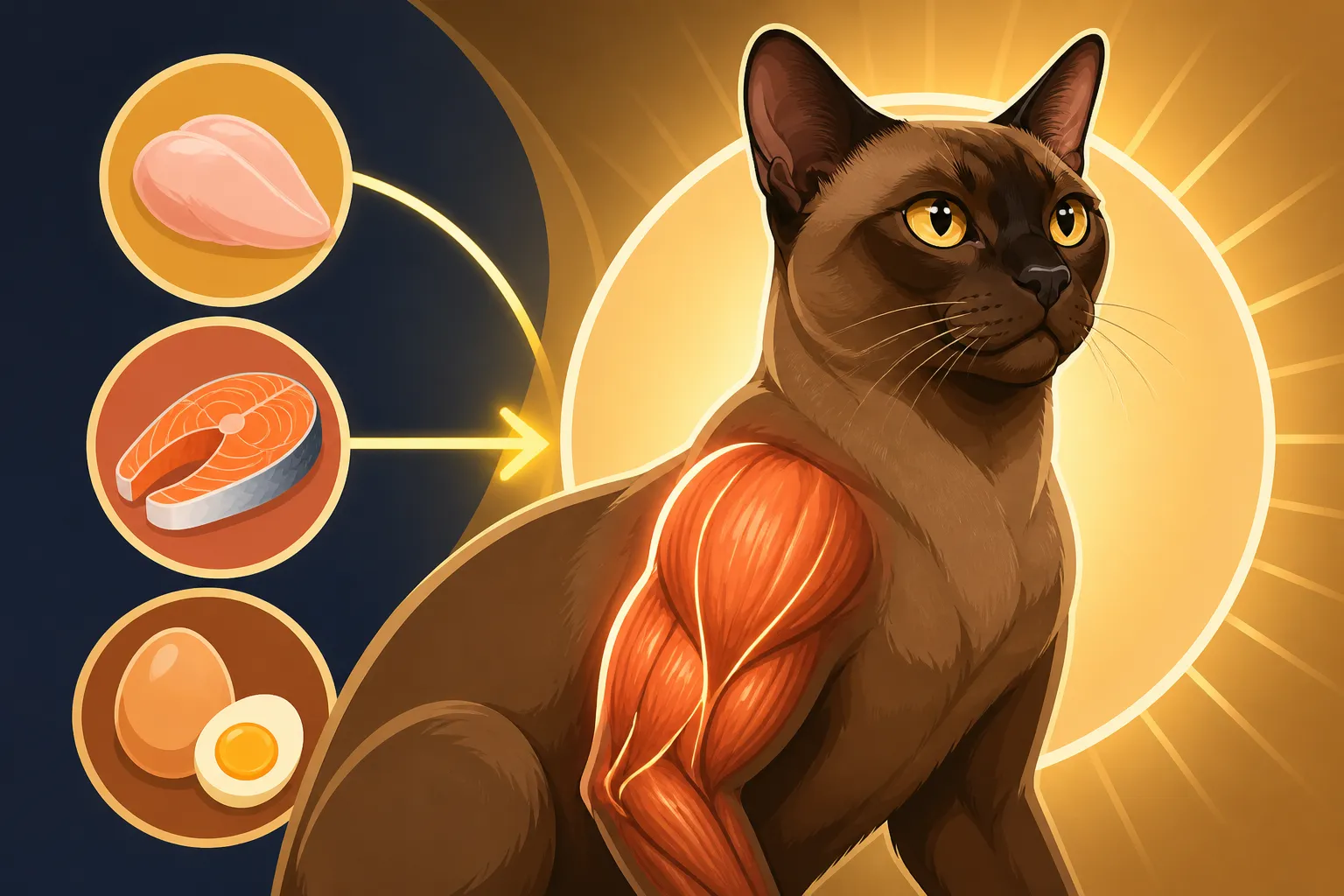
Instead, focus on the first few ingredients on the label. You want to see real, named animal proteins at the top of the list – think chicken, turkey, beef, lamb, or fish. Ingredients like "chicken meal" or "turkey meal" are often good, concentrated sources of animal protein (once the water is removed, they are very nutrient-dense). What you want to avoid are foods that rely heavily on plant proteins as their primary source, as these won't effectively hold your Burmese's muscle on. It's about getting the right kind of protein, not just any protein. This quality of protein directly impacts how well your Burmese maintains their muscular physique and overall vigor.
Here’s a quick glance at common protein sources and their quality:
| Protein Source | Type | Digestibility for Cats | Muscle Maintenance Quality |
|---|---|---|---|
| Chicken, Turkey, Fish | Whole Meat | Excellent | High (complete amino acids) |
| Chicken Meal, Fish Meal | Concentrated | Excellent | High (complete amino acids) |
| Beef, Lamb | Whole Meat | Excellent | High (complete amino acids) |
| Eggs | Whole Food | Excellent | High (gold standard of protein) |
| Pea Protein, Corn Gluten Meal | Plant-Based | Poor to Fair | Low (incomplete amino acids) |
| Soy Protein Isolate | Plant-Based | Poor to Fair | Low (incomplete amino acids) |
Practical Diet Strategies for Muscle Maintenance
Now that we know why protein is so important and what kind of protein to look for, let’s talk about how to implement these strategies into your Burmese’s daily routine. It's about making informed choices that support their unique needs and ensuring they thrive.
Prioritizing High-Quality Animal Protein
The golden rule for feeding a Burmese to maintain their muscle mass is to prioritize high-quality, animal-based protein. This means looking for foods where meat, poultry, or fish are among the first ingredients, and ideally, the primary source of protein. Forget the fancy marketing; flip the bag or can over and read that ingredient list. You'll want to see ingredients like "chicken," "turkey," "salmon," or "beef" listed first. Animal protein sources provide the complete amino acid profile that cats, as obligate carnivores, absolutely need. Plant-based proteins simply cannot replicate this essential nutritional completeness.
This is also why many Burmese owners, and vets, advocate for Why Wet Food Beats Kibble for a Burmese. Wet food typically has a much higher moisture content, but on a dry matter basis, it often contains higher percentages of animal protein and lower carbohydrates compared to most kibbles. The lower carbohydrate content is particularly crucial for Burmese cats, given their genetic predisposition to diabetes. When searching for suitable options, you can find a wide variety of high-quality wet foods on platforms like Chewy or Amazon. Just remember to always check the nutritional analysis and ingredient list, because even within wet foods, quality can vary immensely.
Portion Control and Regular Weigh-Ins
Feeding the right kind of food isn't the whole story; giving the right amount is equally critical for muscle maintenance. Burmese cats are notorious for their love of food, and it can be incredibly tempting to give in to their persistent begging. Remember, Why a Burmese Never Stops Asking for Food! However, overfeeding, even with high-quality protein, can lead to excess weight gain, which puts a strain on their joints and can exacerbate their diabetes risk. This is why Why a Burmese's Portion Is Weighed, Not Scooped is such a vital practice. Investing in a small digital kitchen scale to accurately measure each meal ensures your Burmese gets precisely the calories and nutrients they need without overdoing it.
Regular weigh-ins at home are also a non-negotiable part of responsible Burmese ownership. I recommend weighing your cat weekly or at least bi-weekly. This isn't about being obsessive; it's about being proactive. Subtle changes in weight can be early indicators of diet issues, or even underlying health problems. If you notice a steady increase, it's a sign to re-evaluate their portions and possibly their diet's calorie density. Conversely, sudden weight loss can also be a red flag. Keeping a consistent weight helps ensure that their muscle mass is maintained and that any fluctuations are promptly addressed. This diligent approach helps you manage their health proactively, rather than reactively. Knowing How to Weigh a Burmese Accurately at Home is a fundamental skill.
Monitoring Your Burmese's Muscle Health
Beyond the food bowl, keeping an eye on your Burmese's physical condition and activity levels is key to ensuring their muscular physique remains in top form. Diet provides the fuel, but constant assessment and an active lifestyle complete the picture.
Recognizing Signs of Muscle Loss or Poor Condition
Your Burmese's body condition is a fantastic indicator of their overall health and how well their diet is supporting their muscle mass. While they're generally solid cats, you should still be able to feel their ribs lightly beneath their skin without seeing them prominently. If their ribs are very visible or feel sharp, it could indicate muscle loss. Similarly, pay attention to their spine and hip bones; these areas should be well-covered by muscle, not protruding sharply. You can gently run your hands along their back and sides. A healthy Burmese will feel firm and muscular, like that "brick wrapped in silk."
Another tell-tale sign of muscle loss can be subtle changes in their activity level or agility. Do they hesitate before jumping onto their favorite perch? Are their leaps less powerful than they used to be? Perhaps they're not engaging in play as enthusiastically as before. How Much Play a Burmese Still Demands at Ten is a lot, and they should retain that vigor. While some slowing down is natural with age, a significant decrease in mobility or playfulness could indicate muscle weakness or discomfort. Being attuned to these behavioral and physical cues allows you to catch potential issues early. Learning How to Score a Burmese's Body Condition is an excellent way to objectively track these changes.
The Role of Activity and Play in Muscle Maintenance
You can feed your Burmese the most perfectly balanced, high-protein diet in the world, but without adequate exercise, that muscle simply won't be maintained as effectively. Muscle needs to be used to stay strong and healthy. Burmese cats are naturally playful and highly intelligent, so engaging them in regular, interactive play sessions is not just fun, it's essential for their physical health. Think of it as their daily workout! They adore games of fetch, chasing wand toys, and exploring puzzle feeders. These activities not only burn calories and keep their minds sharp but also work those fantastic muscles.
Making time for play sessions, even short bursts throughout the day, helps build and maintain their lean muscle mass. This is particularly important as they get older. An older Burmese might not be as acrobatic as a kitten, but they still need to move their bodies. Adjust play sessions to their energy levels, but don't stop them altogether. Even a senior Burmese will appreciate a gentle game that gets them moving, jumping a little, and stretching. A Burmese Is Still Playing at Fifteen, and keeping them active keeps their muscles strong and their spirits high. An active Burmese is a healthy Burmese, and that solid musculature is a direct result of both excellent nutrition and consistent engagement.
Disclaimer
This article is for general informational purposes only and does not constitute professional advice. Laws, prices and regulations vary by location and change over time. Consult a qualified professional for guidance on your specific situation.