Why an Old Burmese’s Satin Coat Dulls
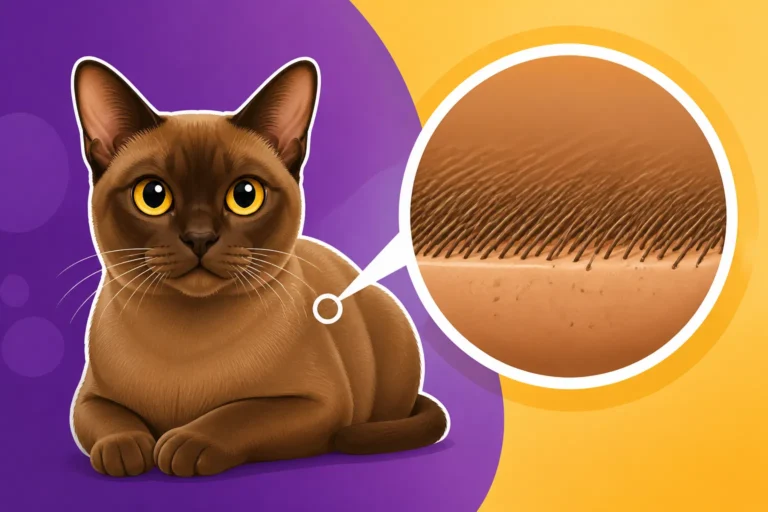
It's truly heartbreaking to notice the once lustrous, sleek satin coat of your beloved Burmese starting to lose its shine, isn't it? You remember that incredible, close-lying sheen that felt like pure silk under your hand, and now it might look a little duller, perhaps a bit coarser, or even a tad greasy or flaky. This change in your older Burmese's coat isn't just a cosmetic issue; it often signals deeper shifts happening within their body, from natural aging processes to potential underlying health concerns. This guide is here to walk you through the common reasons why an old Burmese's satin coat can dull, and what steps you can take to help restore some of that magnificent luster, or at least understand what's happening.
The Inevitable March of Time: How Aging Affects a Burmese's Coat
Just like us, our feline friends experience a slowing down and a shifting of their body's functions as they age. Your Burmese, renowned for its perpetually kittenish nature and stunning coat, isn't immune to these natural processes. The changes you observe in their coat are often a visible manifestation of what's happening internally, a gentle reminder that they're entering their golden years. When a Burmese counts as senior, their body simply isn't as efficient at maintaining that youthful gleam.
Reduced Skin Oil Production
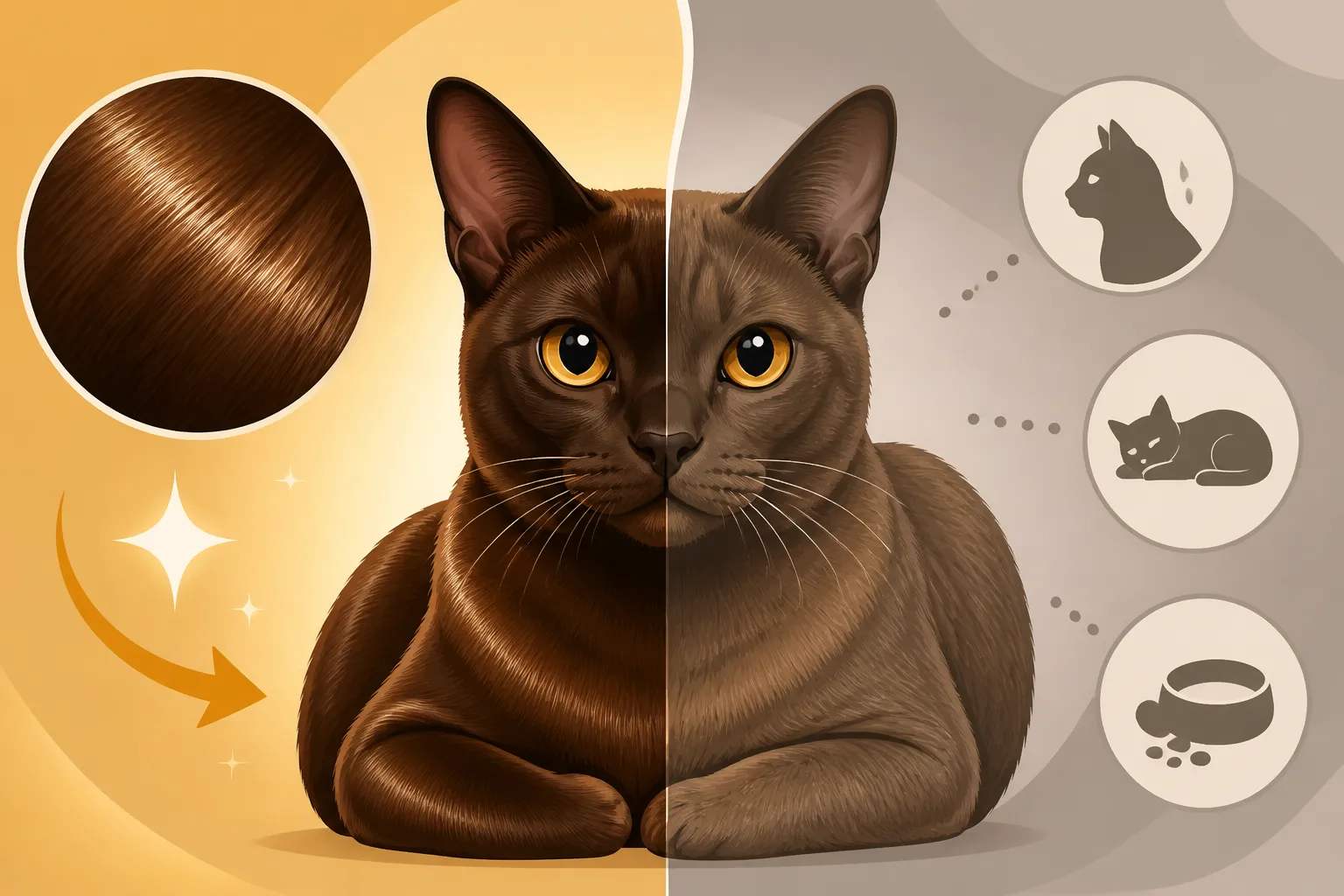
One of the primary reasons for a dulling coat in an older Burmese is a natural decrease in the production of sebum, the natural oils secreted by the skin. These oils are absolutely vital for keeping the hair shafts moisturized and flexible, giving the coat its characteristic healthy sheen. As your Burmese ages, their sebaceous glands become less active, leading to drier skin and, consequently, a duller, sometimes flakier coat. It's not unlike how our own skin and hair change as we get older; things just aren't as plump and dewy as they once were. This dryness can make the individual hairs more brittle and prone to breakage, further contributing to a less vibrant appearance.
It's a subtle change at first, perhaps you just notice a slight lack of that famous 'satin' feel, but over time, it becomes more apparent. Think of it like a beautiful piece of polished wood that, without regular oiling, starts to look dry and loses its luster. The individual hairs might stand out a little more, or the coat might feel less smooth to the touch. This isn't usually something you can fully reverse, but understanding it helps you manage expectations and focus on supportive care.
Diminished Self-Grooming Habits
Burmese cats are generally meticulous groomers, keeping their short, sleek coats in pristine condition. However, as they age, several factors can make self-grooming more challenging and less frequent. Arthritis and other joint pain are incredibly common in older cats, even in breeds as agile as the Burmese. Imagine trying to twist and turn to reach your lower back or tail if your joints were stiff and achy – it’s just not comfortable. This physical discomfort can lead to neglected areas, particularly around the lower back, hindquarters, and tail, where the coat might appear matted, greasy, or simply lack the usual luster. How Arthritis Shows in a Burmese That Still Plays touches on how these aches can sneak up on them.
Dental issues are also a significant problem for older cats. Why a Burmese's Gums Recede Early explains how dental disease can make their mouth incredibly sore, meaning that regular licking and grooming, which involves using their tongue and teeth, becomes painful. If their mouth hurts, they're simply not going to put in the effort. Reduced flexibility, decreased energy levels, or even vision impairment can all play a role. When they groom less effectively, dirt, dead hair, and skin flakes accumulate, further contributing to a dull, unkempt appearance. You might start noticing more loose hairs on your furniture, even though a Burmese is generally a low-shedding cat.
Changes in Blood Circulation and Metabolism
An aging circulatory system can also impact coat health. Healthy, vibrant hair follicles rely on a steady supply of oxygen and nutrients delivered via blood flow. As a Burmese ages, their circulation might not be as robust, meaning the tiny blood vessels supplying the skin and hair follicles might not be as efficient. This can result in less nourishment reaching the hair, leading to weaker, duller hair growth. Think of it as a garden not getting enough water and fertilizer; the plants just won't thrive.
Furthermore, an older Burmese's metabolism can slow down, affecting how their body processes and utilizes nutrients vital for skin and coat health. The synthesis of essential fatty acids and proteins, which are crucial building blocks for a healthy coat, might become less efficient. These metabolic shifts can quietly contribute to a gradual decline in coat quality, even if their diet seems adequate. It's not just about what they eat, but how well their body uses it.
The Critical Role of Nutrition in Senior Coat Health
What goes into your Burmese's body directly impacts what you see on the outside, and this becomes even more pronounced as they age. A dull coat is often one of the first visual cues that their nutritional needs might be shifting, or that their current diet isn't quite hitting the mark for their senior requirements. Why Portion Control Is Medical Care in a Burmese emphasizes the profound link between diet and overall health in this breed.
Inadequate Protein and Fatty Acid Intake
High-quality protein is the backbone of healthy hair. Hair is primarily made of keratin, a protein. If your senior Burmese isn't getting enough high-quality, easily digestible protein, their body will prioritize essential functions over luxurious fur, leading to thinner, weaker, and duller hair shafts. Some commercial cat foods, especially those that aren't specifically formulated for seniors or have lower quality ingredients, might not provide the optimal protein balance for an aging metabolism.
Similarly, essential fatty acids, particularly Omega-3 and Omega-6, are absolutely crucial for skin barrier function and coat luster. These "good fats" keep the skin supple and moisturized, which in turn reflects in a shiny coat. A deficiency can lead to dry, flaky skin and a dull, brittle coat. As cats age, their ability to absorb these vital nutrients can decrease, even if they're present in the food. You might be feeding them the same trusted brand for years, but their body just isn't processing it the same way anymore. Adding a fish oil supplement or choosing a food rich in these fatty acids can make a significant difference. Many reputable brands found on platforms like Chewy offer senior-specific formulas packed with these beneficial ingredients.
Hydration and Water Intake
Dehydration is another silent contributor to a dull coat. Water is essential for every bodily function, including maintaining healthy skin and hair. An older Burmese might drink less, or might have underlying kidney issues (common in senior cats) that affect their hydration status. How Kidney Disease Arrives in an Old Burmese explains how this condition can creep up on them. If your cat isn't adequately hydrated, their skin will become dry, and their coat will reflect that lack of moisture.
Switching to a predominantly wet food diet is one of the easiest and most effective ways to boost your senior Burmese's water intake. Wet food has a much higher moisture content than dry kibble, helping to keep them better hydrated throughout the day. You might also consider offering multiple water bowls, a pet fountain (many cats prefer moving water), or even adding a tiny bit of low-sodium broth to their water to encourage them to drink more. Monitoring their water intake is crucial; if you notice a significant decrease or increase, it's always worth a vet visit.
Underlying Health Conditions
While aging is a natural process, a sudden or severe change in coat quality should always prompt a visit to the vet. A dull coat can often be a red flag for a variety of health issues that are more common in older cats. Your empathetic vet will understand your concern and run the necessary diagnostics.
Thyroid Imbalance (Hyperthyroidism)
Hyperthyroidism is a common endocrine disorder in older cats, occurring when the thyroid gland produces too much thyroid hormone. While some hyperthyroid cats can have a greasy, unkempt coat due to increased metabolism and poor grooming, others might develop a dry, dull coat. Why Hyperthyroidism Catches an Older Burmese gives more insight into this prevalent condition. The excess hormones essentially "speed up" the cat's system, which can impact nutrient absorption and overall skin health, leading to a lackluster appearance. A vet can diagnose this with a simple blood test and effective treatments are available that can significantly improve their quality of life, and often, their coat condition.
Kidney Disease
Chronic Kidney Disease (CKD) is another very common ailment in senior cats. As the kidneys' ability to filter waste products from the blood declines, toxins can build up in the body. This systemic toxicity often manifests in poor overall health, including a dull, dry, and often flaky coat. Cats with kidney disease may also become dehydrated more easily, further exacerbating coat issues. A vet will conduct blood and urine tests to diagnose kidney disease. Dietary management with specific prescription kidney diets, often found on platforms like Chewy or recommended by your vet, can help manage the condition and support overall health, which in turn can improve coat quality.
Diabetes
The Burmese breed has a notoriously high predisposition to diabetes. The Burmese Has the Highest Diabetes Rate of Any Cat Breed and Why a Burmese Is Four Times More Likely to Become Diabetic both highlight this risk. Uncontrolled diabetes can significantly impact skin and coat health. Diabetic cats often have dry skin, poor coat quality, and can be prone to skin infections due to compromised immunity. Fluctuations in blood sugar levels directly affect cell health, including those responsible for hair growth and skin integrity. If your older Burmese's coat is dulling and you notice increased thirst or urination, immediate veterinary attention is warranted to test for diabetes. Effective management, often involving insulin and a low-carbohydrate diet, can bring about a remarkable improvement in their coat, alongside their overall health.
Other Conditions
Less common but still possible, other conditions like certain cancers, internal parasites, or severe dental disease (which affects grooming, as mentioned) can also manifest with a dull coat. Any unexplained change in coat quality, especially when accompanied by other symptoms like weight loss, changes in appetite or thirst, or lethargy, means it's time to see the vet. They can help rule out serious issues and get your beloved companion back on track.
Environmental and Grooming Considerations
While physiological changes and health issues are often the primary culprits for a dull coat in an older Burmese, environmental factors and how we care for their coat can also play a supporting role.
Impact of Indoor Environment
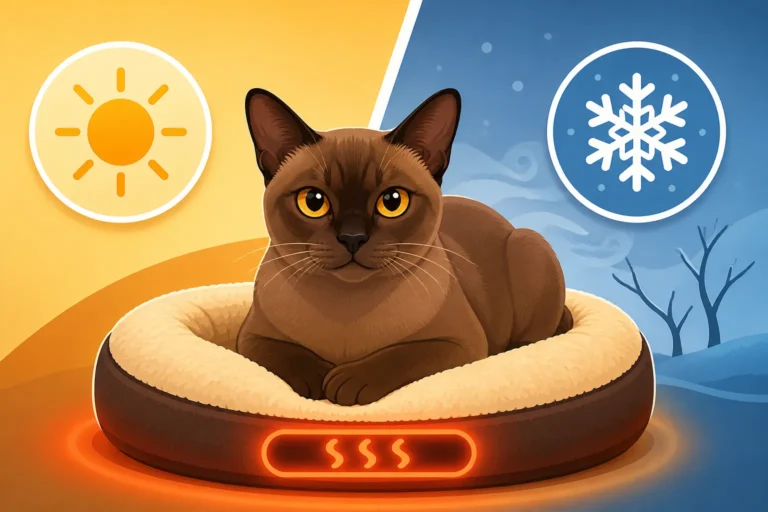
Our homes, especially in colder months, can be quite dry, thanks to heating systems. Low humidity can draw moisture from your cat's skin and coat, just as it does from ours. While a short-coated Burmese feels the cold, a dry indoor environment might not always be immediately apparent as a coat issue. Using a humidifier in the rooms your Burmese spends the most time in can help maintain a more comfortable and skin-friendly environment. Why a Burmese Needs Somewhere Warm to Sleep speaks to their comfort needs, and adequate humidity contributes to that comfort.
Exposure to harsh sunlight, though often enjoyed by cats, can also subtly dry out and lighten a coat over time, though this is usually less about dullness and more about color change. Certain household chemicals or cleaning products, if they come into contact with the cat's fur, could also potentially cause irritation and dryness, though this is less common for a generalized dullness.
Gentle Grooming and Supportive Care
Even though a Burmese's satin coat rarely needs intensive grooming, a little extra help can go a long way for an aging cat who isn't self-grooming as efficiently.
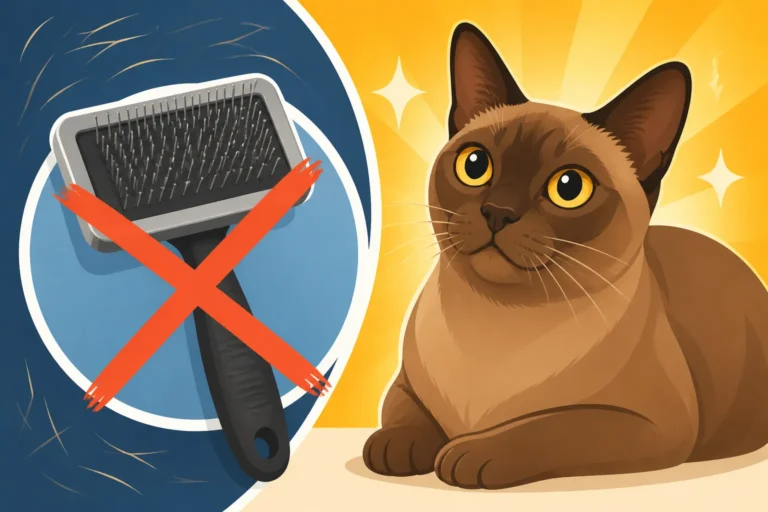
Regular, gentle brushing or wiping with a soft cloth or chamois can stimulate blood circulation to the skin, help distribute natural oils, and remove loose hair and dead skin cells. This is particularly beneficial for areas they might be neglecting. Which Chamois Brings Up a Burmese's Satin Shine suggests using a chamois, which is perfect for their short, close-lying coat. It's not about vigorous scrubbing; it's about making it a soothing, bonding experience. Many older cats appreciate the gentle attention and the help with areas they can no longer reach. Products like a soft silicone grooming glove, readily available on Amazon, can also be a wonderful tool for this.
Consider adding a high-quality essential fatty acid supplement to their diet if recommended by your vet. Look for supplements rich in Omega-3s, specifically EPA and DHA, often derived from fish oil. These can significantly improve skin hydration and coat luster. Some high-quality cat foods also incorporate such beneficial ingredients. Always discuss any supplements with your vet first to ensure they are appropriate for your specific cat's health needs and won't interact with any medications.
Finally, ensure your older Burmese has comfortable, warm places to rest and sleep. Soft bedding can help prevent pressure sores in bony areas and contribute to their overall comfort, which indirectly supports their well-being and appearance.
Here's a quick comparison of common reasons for a dull coat in an older Burmese:
| Factor | Description | Impact on Coat | Potential Solutions |
|---|---|---|---|
| Aging & Decreased Oil Production | Natural reduction in sebum (skin oil) as cats get older. | Drier skin, dull, sometimes flaky coat, more brittle hairs. | Gentle grooming, humidifier, vet-approved fatty acid supplements, hydrating wet food. |
| Reduced Self-Grooming | Arthritis, dental pain, decreased flexibility, or energy make reaching all areas difficult. | Matted, greasy, or dull areas (especially hindquarters/tail), accumulation of loose hair and skin flakes. | Daily gentle brushing/wiping, pain management from vet, dental care, regular vet check-ups. |
| Inadequate Nutrition | Insufficient high-quality protein or essential fatty acids; poor absorption of nutrients. | Dull, thin, weak coat; dry, flaky skin. | Senior-specific diet (high protein, balanced EFAs), wet food, vet-approved supplements (e.g., fish oil from Chewy). |
| Dehydration | Not drinking enough water, or underlying conditions increasing fluid loss. | Dry skin, lack of coat vitality. | Increased wet food, multiple water bowls, water fountain, adding broth, vet investigation for underlying causes. |
| Hyperthyroidism | Overactive thyroid gland (common in seniors). | Greasy, unkempt, or dry/dull coat; sometimes patchy hair loss. | Veterinary diagnosis and treatment (medication, diet), which often resolves coat issues. |
| Kidney Disease | Declining kidney function leading to toxin buildup and dehydration. | Dry, dull, flaky coat; overall poor condition. | Veterinary diagnosis, prescription kidney diet, hydration support, managing other symptoms. |
| Diabetes | Uncontrolled blood sugar levels (high risk in Burmese). | Dry skin, poor coat quality, increased risk of skin infections. | Veterinary diagnosis and management (insulin, low-carb diet), which improves systemic health and coat. |
Observing your senior Burmese's coat changes can be a worrying sign, but it's also an opportunity to deepen your understanding of their needs and provide even more targeted, loving care. By working closely with your veterinarian to address both natural aging processes and any underlying health conditions, and by ensuring optimal nutrition and gentle grooming, you can help your old friend maintain as much of that gorgeous satin shine as possible for years to come.
Disclaimer
This article is for general informational purposes only and does not constitute professional advice. Laws, prices and regulations vary by location and change over time. Consult a qualified professional for guidance on your specific situation.