Why an Old Burmese With Few Teeth Needs Wet Food
It’s a heartbreaking reality that as our beloved Burmese companions gracefully enter their senior years, many of them start to face the challenge of dental problems, often resulting in painful, missing, or extracted teeth. This isn't just a minor inconvenience; it profoundly impacts their ability to eat, enjoy their meals, and get the vital nutrition they need to thrive in their golden years. This guide is here to walk you through why wet food isn't just a preference but a medical necessity for an old Burmese with few teeth, and how to make this transition as smooth and comfortable as possible for your cherished feline.
The Unique Challenges of Dental Health in Senior Burmese Cats
Burmese cats, bless their sweet, devoted hearts, are known for their robust health in many areas, but their dental health often presents a lifelong battle. This breed seems particularly prone to certain oral issues, and as they age, these predispositions can turn into significant problems, making eating a painful chore rather than a pleasure.
A Lifelong Predisposition to Gum Disease
It’s an unfortunate truth that our Burmese friends often seem to be on the express train to gum disease, or periodontal disease, from a relatively young age. This isn't just about bad breath; it's a serious bacterial infection that affects the gums and the structures supporting the teeth. Plaque and tartar build up easily, pushing the gums away from the teeth, creating pockets where more bacteria can flourish. Left untreated, this leads to gingivitis, then periodontitis, which can erode bone and tissue, eventually causing teeth to loosen and fall out. You might notice your vet talking about Why a Burmese's Gums Recede Early or How Gum Disease Progresses in a Burmese. It’s a battle many of us Burmese owners are all too familiar with. This persistent inflammation and infection take a cumulative toll, meaning that by the time they reach their senior years, many Burmese cats have a history of dental procedures, extractions, and ongoing gum sensitivity.
The Inevitable Impact of Aging on Oral Health
Even without a strong genetic predisposition, the simple act of aging brings its own set of challenges to our cats' mouths. Just like us, their teeth and gums aren't as resilient as they once were. Years of chewing, even on appropriate food, can lead to wear and tear. Furthermore, the body's ability to repair itself slows down, making it harder for gums to heal from minor irritations or infections. Older cats are more susceptible to conditions like Feline Odontoclastic Resorptive Lesions (FORLs), where parts of the tooth structure erode away, often under the gum line, causing excruciating pain. These lesions are incredibly common in older cats and are a frequent cause of tooth loss. So, even if your Burmese was lucky enough to avoid severe periodontal disease earlier in life, the sheer passage of time and the accumulation of microscopic damage can mean that by the time they are When a Burmese Counts as Senior, their mouth is a much more delicate place. Many an owner has sadly discovered Why a Burmese Loses Teeth in Its Teens.
Recognizing the Subtle Signs of Dental Pain
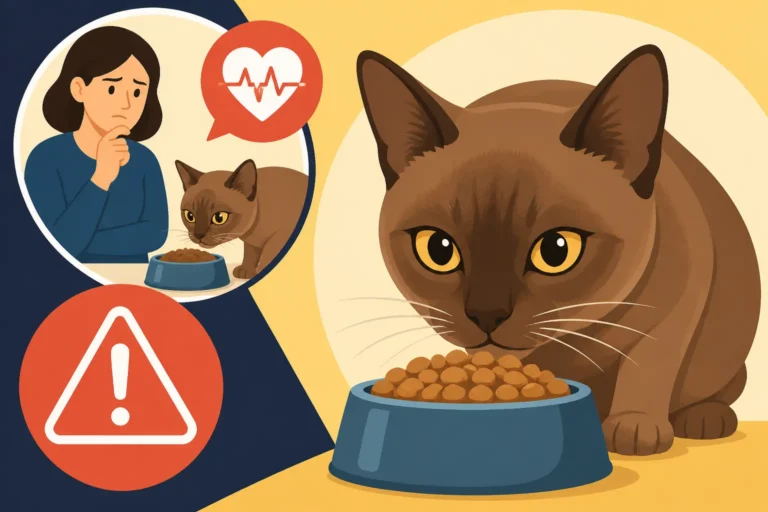
Our Burmese are masters of stoicism, often hiding pain and discomfort with an almost alarming proficiency. They will push their adorable little faces into your hand for affection even while their mouth is throbbing. This means you need to be a super sleuth to pick up on the subtle clues that your senior Burmese might be struggling with dental pain. It’s rarely as obvious as them crying out. Instead, look for slight changes: a preference for softer foods, tilting their head while eating, dropping food from their mouth, slower eating, or even just approaching their food bowl with hesitation. You might notice them pawing at their mouth or becoming a bit more withdrawn around meal times. Sometimes, it’s a change in their grooming habits; a painful mouth can make self-grooming uncomfortable. A cat that previously maintained a pristine satin coat might start to look a little scruffier around the head and neck. These small shifts are often the only window we get into their discomfort, and when you see them, it’s a clear signal that a vet visit is in order to investigate their oral health.
Why Wet Food Becomes a Necessity for Toothless or Near-Toothless Burmese
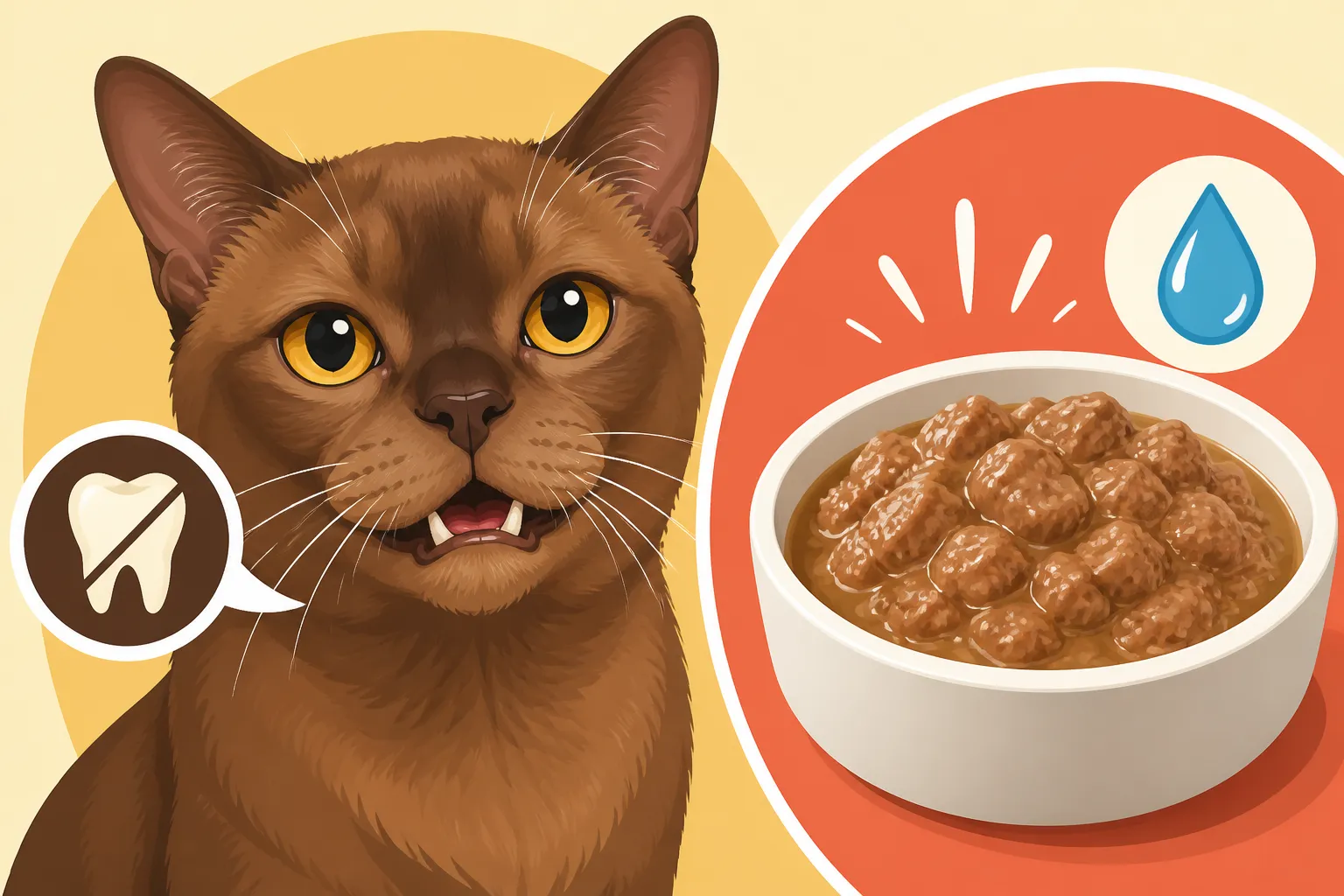
When your senior Burmese has few or no teeth, dry kibble, no matter how small the pieces, becomes an impossible and agonizing ordeal. This is where wet food steps in, not just as a convenient alternative, but as a critical part of their medical care. It directly addresses their physical limitations and offers several health benefits that become even more important in old age.
Ease of Eating and Reduced Pain
Imagine trying to crunch hard biscuits with a sore tooth or, worse, with exposed, sensitive gums where teeth used to be. It's simply not possible without significant pain. Wet food, by its very nature, is soft, pliable, and requires minimal to no chewing. This immediately eliminates the primary source of discomfort for a Burmese with dental issues. They can lap it up, gently gum it, or even swallow smaller pieces whole without putting pressure on delicate oral tissues. This isn't just about making them comfortable; it's about ensuring they actually can eat. When eating becomes painful, cats will often reduce their food intake, leading to weight loss, muscle wasting, and a decline in overall health. Switching to wet food allows them to eat readily, ensuring they receive the calories and nutrients they desperately need, without the agony. It brings back the joy of mealtime, and that's priceless for an older cat.
Hydration and Nutrient Absorption
Beyond the immediate comfort, wet food offers crucial advantages in terms of hydration and nutrient absorption, especially for senior cats. Older cats are often less inclined to drink enough water, and many also experience some degree of kidney function decline as they age. Wet food, with its high moisture content (typically 70-80%), significantly boosts their daily water intake. This extra hydration is vital for supporting kidney health, maintaining proper urinary tract function, and helping to prevent dehydration, which can compound other age-related health issues.
Furthermore, the softer, more digestible nature of wet food can often lead to better nutrient absorption. When a cat is struggling to chew dry food, pieces might be swallowed too large, reducing the efficiency of digestion. Wet food presents nutrients in a more accessible form, which is particularly beneficial for older Burmese who might have slightly less efficient digestive systems. Ensuring good nutrient uptake is critical for maintaining muscle mass, supporting their immune system, and keeping their energy levels up, even if they are starting to feel What an Old Burmese Slows Down From.
Preventing Further Oral Trauma
Think of those tender gums where teeth once were. They are sensitive, and while they do toughen up somewhat over time, they are still vulnerable. Hard kibble can easily scrape, bruise, or irritate these areas, potentially leading to inflammation, minor bleeding, or even secondary infections. By removing dry food from the equation, you eliminate this source of potential trauma. Wet food glides over these sensitive spots, protecting them from physical damage and allowing any lingering irritation or healing extraction sites to recover undisturbed. This proactive step helps prevent a cycle of pain and further oral health complications, ensuring that your Burmese's mouth, even with fewer teeth, remains as comfortable and healthy as possible for their remaining years.
Transitioning Your Senior Burmese to a Wet Food Diet
Switching a cat, especially a senior one, to a new diet can sometimes feel like trying to negotiate with a tiny, furry dictator. Our Burmese can be particular, but with patience and the right approach, you can successfully transition them to a wet food diet, even if they've been kibble addicts their whole lives.
Gradual Introduction for Picky Eaters
The golden rule for any dietary change with a cat is gradual. Abruptly switching their food can lead to refusal, upset stomachs, or even food aversion. Start by offering a very small amount of wet food alongside their usual dry kibble. We're talking a teaspoon or so, placed in a separate small dish or just next to their dry food. Some cats will immediately be curious and try it; others will eye it with suspicion. Don’t force it. The next day, if they show some interest, mix a tiny bit (half a teaspoon) of wet food into their dry food. Over several days or even weeks, slowly increase the proportion of wet food and decrease the dry.
It’s about making the new food seem less intimidating and more like part of their familiar routine. If they're particularly resistant, try warming the wet food slightly in the microwave for a few seconds (make sure it's only lukewarm, never hot!) as the aroma can be more appealing. You can also try crumbling a few of their favorite treats over the wet food to entice them. Remember, patience is key. Your goal is for them to associate the wet food with a positive experience, not a stressful change. Services like Chewy or Amazon offer a wide variety of wet food brands, so you can easily try different ones without too much hassle.
Texture and Palatability Preferences
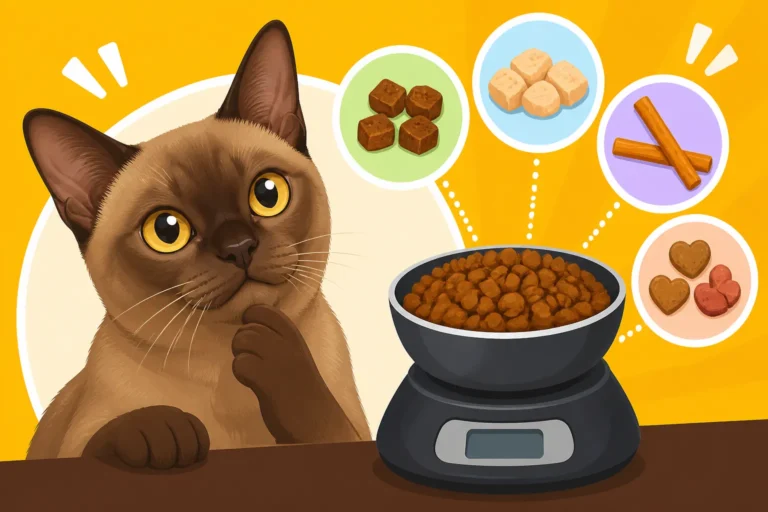
Cats are incredibly particular about texture and flavor, and what one cat loves, another might disdain. This is especially true when transitioning to wet food. Don’t assume one type of wet food will be a hit. Wet foods come in a huge range of textures:
- Pâté: A smooth, uniform consistency, often easiest for cats with very few or no teeth as it requires no chewing at all.
- Shredded or Flaked: Contains distinct pieces of meat or fish in gravy or broth. This might be suitable if your Burmese still has a few gums to gum, but might be difficult if they're very sensitive.
- Chunky: Larger chunks of meat, often in gravy. This might be too challenging for a truly toothless cat.
- Mousses: Very light and airy, sometimes even more palatable than pâté.
You might need to experiment with several different brands and textures to find what your senior Burmese enjoys. Look for high-quality, meat-first ingredients, as cats are obligate carnivores. Brands like Purina Pro Plan Veterinary Diets or Royal Canin often have options specifically formulated for senior cats or those with sensitive stomachs or dental issues, available through your vet or online retailers. Many pet food companies now offer softer, more palatable options that can be a godsend for cats with dental issues. Pay attention to what they show even a slight interest in. What seems like a trivial difference to us can be a deal-breaker for them.
Monitoring Intake and Weight During Transition
During the transition period, meticulous monitoring is crucial. Your primary goal is to ensure your Burmese is eating enough. Weight loss in a senior cat can quickly spiral into serious health problems like hepatic lipidosis (fatty liver disease), which is life-threatening.
- Weigh your cat weekly: Use a small digital kitchen scale (if they fit) or a regular bathroom scale (weigh yourself, then weigh yourself holding your cat, and subtract the difference). Track this consistently. You want to see stability or a very gradual gain if they were underweight. Monthly weight records (Why a Burmese's Weight Should Be Recorded Monthly) become weekly here.
- Measure food intake: Know exactly how much wet food you are offering and how much they are actually consuming. If they aren't eating much, consult your vet immediately.
- Observe energy levels and litter box habits: Are they still active? Is their stool normal? Are they urinating normally? Changes in these areas can indicate a problem.
If your cat is refusing to eat or losing weight rapidly, don't hesitate to contact your veterinarian. They can offer advice, prescribe appetite stimulants if needed, or check for other underlying health issues that might be contributing to their pickiness. Sometimes, a dental procedure might be necessary to remove painful teeth before a successful transition to wet food can even begin.
Managing Overall Nutrition and Well-being for a Senior Burmese with Dental Issues
The journey of caring for a senior Burmese with dental issues extends beyond just changing their food. It encompasses a holistic approach to their nutrition, ongoing veterinary care, and creating an environment that supports their comfort and happiness in their golden years.
Maintaining a Balanced Diet Beyond Just Wet Food
While wet food is paramount for ease of eating, it’s still essential to ensure the diet provides complete and balanced nutrition tailored for a senior cat. Not all wet foods are created equal; some are intended as occasional treats or complementary feeding only. Always check the label for an "AAFCO statement" indicating it's a "complete and balanced" diet for "adult maintenance" or "all life stages."
For senior Burmese, specific nutritional needs often include:
- High-quality protein: To help maintain muscle mass, which often starts to decline in older cats. Why an Old Burmese Loses Its Muscle First is a real concern.
- Moderate fat: Adequate calories for energy without promoting obesity.
- Essential fatty acids: For skin, coat, and cognitive health.
- Antioxidants: To support immune function.
- Controlled phosphorus: Especially if there are early signs of kidney issues.
Your veterinarian can help you select the best wet food for your specific Burmese, taking into account any other health conditions they may have, such as diabetes or kidney disease. They might recommend specific therapeutic diets that are only available through vet clinics.
Regular Vet Check-ups and Pain Management
Even with a wet food diet, ongoing dental issues or other age-related discomforts can arise. Regular veterinary check-ups are non-negotiable for senior cats. For a Burmese with a history of dental problems, yearly (or even bi-yearly) check-ups are crucial to monitor their oral cavity for new lesions, gum inflammation, or any signs of discomfort. Your vet can perform a thorough oral examination and recommend necessary dental cleanings or extractions, which, while requiring anesthesia, are often life-changing for pain relief.
Beyond dental health, senior Burmese can also develop other conditions that impact their comfort and appetite, such as arthritis, which can make getting to the food bowl or even standing to eat painful. How Arthritis Shows in a Burmese That Still Plays can be subtle. Your vet can discuss pain management options, including anti-inflammatory medications or supplements, to improve their overall quality of life. An old Burmese’s appetite should always be watched closely; Why an Old Burmese's Appetite Should Be Watched Closely is a critical warning sign for many underlying conditions.
Creating a Comfortable Eating Environment
Making mealtime a stress-free and enjoyable experience is crucial. Small adjustments to their eating environment can make a big difference:
- Elevated Bowls: Some senior cats, especially those with arthritis in their neck or back, find it more comfortable to eat from an elevated bowl, reducing the need to stoop.
- Quiet Location: Ensure their food and water bowls are in a quiet, easily accessible area where they won't be disturbed by other pets or household activity.
- Multiple Food Stations: If you have other pets, consider feeding your senior Burmese in a separate room or using a microchip-activated feeder to ensure they get their designated food without competition.
- Warmth: Our short-coated Burmese can feel the cold more keenly, and a warm, comfortable environment can improve their overall well-being and appetite. How to Keep an Old Burmese Warm can make a difference.
- Fresh Water: Always have plenty of fresh water available, perhaps in multiple locations, to encourage hydration. Consider a fountain if they prefer running water, which is often the case.
By combining the right wet food diet with vigilant veterinary care and a supportive home environment, you can help your old Burmese cat enjoy their senior years with comfort, dignity, and, most importantly, a full belly.
| Aspect | Dry Food (with few teeth) | Wet Food (with few teeth) |
|---|---|---|
| Ease of Eating | Very difficult, painful, or impossible | Very easy to lap or gum, minimal pain |
| Hydration | Low moisture, requires more separate drinking | High moisture, contributes to daily intake |
| Nutrient Absorption | Potentially reduced due to poor chewing | Generally better due to softer consistency |
| Oral Trauma Risk | High risk of gum irritation/injury | Very low risk, gentle on gums |
| Palatability | Can be difficult to entice if painful | Often more aromatic and appealing |
| Dental Impact | Aggravates existing dental issues | Prevents further irritation, aids healing |
Disclaimer
This article is for general informational purposes only and does not constitute professional advice. Laws, prices and regulations vary by location and change over time. Consult a qualified professional for guidance on your specific situation.