Whether a Burmese Should Be Fed Before or After Insulin
One of the most anxiety-inducing aspects of caring for a Burmese with diabetes is figuring out the precise timing of their meals relative to their insulin injections. It's a valid concern because getting it wrong can have serious consequences, from your cat's blood sugar soaring too high to plummeting dangerously low. This guide aims to clear up the confusion, explain the science behind the recommendations, and provide practical, empathetic advice for establishing a safe and effective routine for your beloved Burmese.
Understanding Burmese Diabetes and Insulin Timing Basics
Caring for a diabetic Burmese is a commitment, and the cornerstone of successful management is understanding how insulin works with food. It's not just about giving a shot; it's about a delicate dance between medication and nutrition that directly impacts your cat's health and well-being. The worry about hitting that perfect window is something every owner faces.
Why Timing is Crucial for Your Diabetic Burmese
Think of your Burmese's body as a finely tuned engine. Food is the fuel that makes the engine run, raising blood sugar levels as it's digested. Insulin, on the other hand, is like the throttle, helping the body use or store that sugar, thus lowering blood sugar levels. When your cat is diabetic, their natural throttle (insulin production) isn't working correctly, so we have to provide it manually. The timing of this manual throttle relative to the fuel intake is absolutely critical. If you give insulin without enough food, the blood sugar can drop too much, too fast. If you give food too long before insulin, or the insulin is delayed, blood sugar can remain too high for too long. This ongoing fluctuation puts stress on their system and can prevent them from reaching or maintaining diabetic remission. It’s a lot to keep track of, especially when you're already concerned about your cat's health, and knowing where to start can feel overwhelming. Many owners find themselves asking: How a Diabetic Burmese Is Diagnosed and trying to understand What Diabetes Looks Like in a Burmese before even getting to this stage.
The General Rule: Food First, Then Insulin
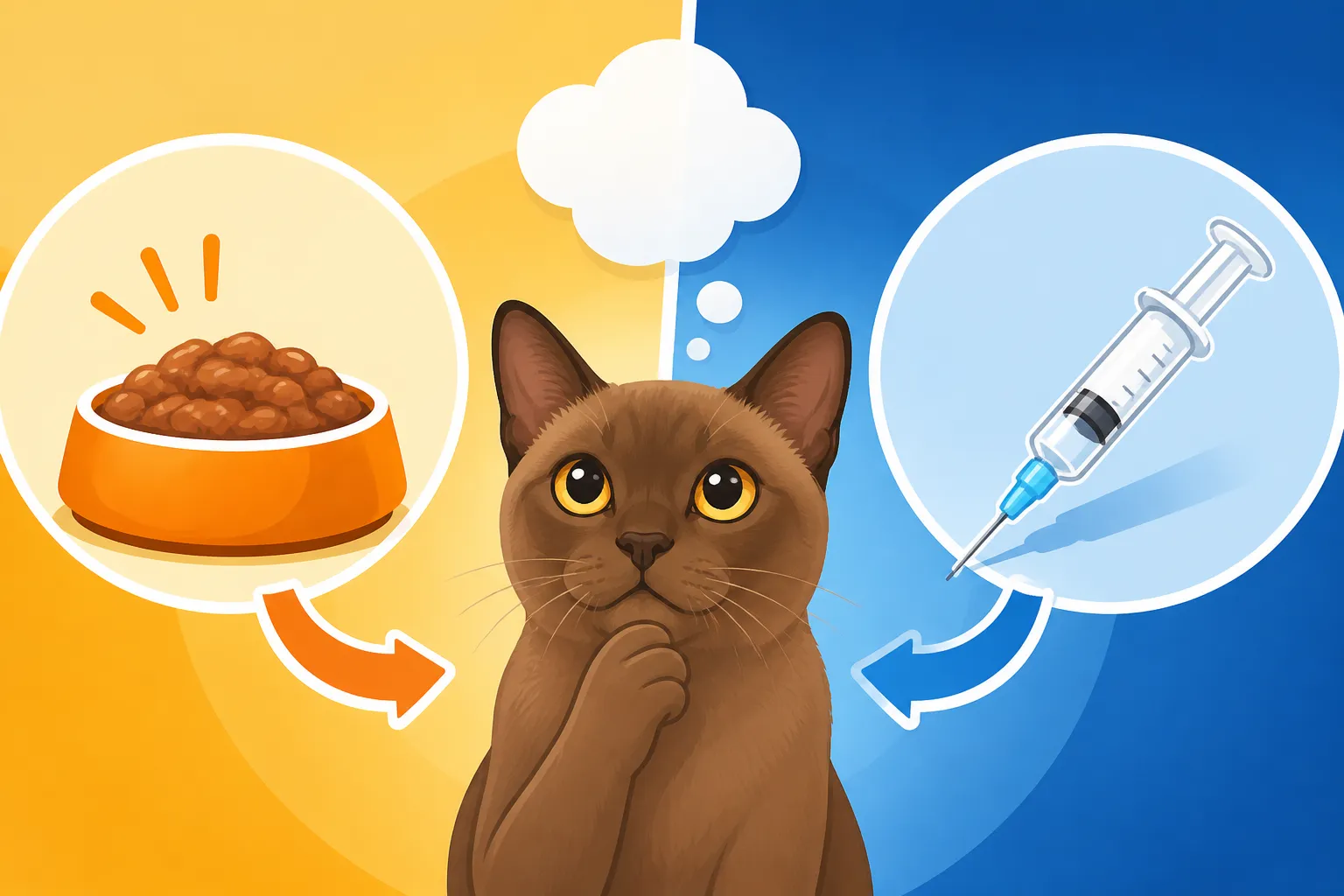
For most diabetic cats, including our wonderful Burmese, the golden rule is to feed them their meal before administering insulin. This isn't just a suggestion; it's a safety measure. The primary reason for this sequence is to ensure that your cat actually consumes a sufficient amount of food to counteract the blood-sugar-lowering effect of the insulin. Imagine the anxiety of giving an insulin shot, only for your normally enthusiastic eater to turn their nose up at their bowl! If that happens, you've introduced a powerful hypoglycemic agent into their system without the corresponding glucose spike from food, putting them at immediate risk of hypoglycemia. By waiting until they’ve started eating, or even finished a portion of their meal, you mitigate this significant risk. It provides a buffer, allowing the carbohydrates and proteins in their food to begin processing and starting that gentle rise in blood sugar, so the insulin has something to work with.
Individualizing the Schedule with Your Vet
While the "food first" rule is widely accepted, it's absolutely vital to understand that every Burmese is an individual, and their specific needs might warrant a slightly different approach. Your veterinarian is your best resource for creating a tailored meal and insulin schedule. Factors like the type of insulin your cat is on (some have a faster or slower action time), their individual metabolic response, their appetite consistency, and even their daily routine all play a role. Some vets might recommend giving the insulin immediately after the first few bites, while others might suggest waiting ten to fifteen minutes after the meal is fully consumed. Never deviate from your vet's specific instructions without consulting them first. They might also provide guidance on How a Burmese Is Monitored on Insulin at Home, which will give you the data needed to fine-tune the schedule over time. This collaborative approach with your vet ensures the safest and most effective management plan for your unique furry friend.
The "Why" Behind Feeding First: Preventing Hypoglycemia
The fear of hypoglycemia is very real for owners of diabetic cats. It's the most immediate and dangerous complication of insulin therapy, and understanding why feeding first helps prevent it can bring a great deal of peace of mind.
The Danger of Low Blood Sugar in Burmese Cats
Hypoglycemia, or dangerously low blood sugar, occurs when there's too much insulin in your Burmese's system relative to the available glucose. Because Burmese are typically active and muscular cats, they can metabolize food efficiently, which means their blood sugar can drop quickly if the balance is off. The symptoms can come on suddenly and range from mild disorientation to life-threatening seizures. You might notice your cat becoming unusually lethargic, weak, disoriented, or even wobbly. In severe cases, they might collapse, start twitching, or have seizures. This is an emergency situation, and knowing What a Hypoglycemic Burmese Looks Like can literally save their life. Giving insulin on an empty stomach dramatically increases this risk, as there's no incoming glucose to buffer the insulin's effect. The insulin will then start pulling glucose from the cat's existing stores, leading to a rapid and dangerous drop.
Ensuring Adequate Food Intake Before Injection
The act of ensuring your Burmese eats adequately before their insulin shot is your first line of defense against hypoglycemia. If your cat is a reliable eater, this might seem straightforward. However, even the most enthusiastic eater can have an off day, perhaps due to stress, a mild upset stomach, or simply being particular about their food. If your Burmese only picks at their meal, or worse, refuses it entirely, you absolutely must not give the full dose of insulin. Discuss with your vet what portion size constitutes "adequate" for your cat and what protocols to follow if they don't eat enough. Warming wet food slightly, adding a tiny bit of tuna juice (unsalted, in moderation), or offering a highly palatable prescription diet can sometimes tempt a reluctant eater. Sometimes a cat's appetite might be affected by deeper issues, so if you notice a consistent refusal to eat, it's wise to consider factors such as Why a Burmese's Appetite Goes When It Is Unhappy or Why an Old Burmese's Appetite Should Be Watched Closely, and seek veterinary advice promptly.
The Impact of Diet on Insulin Efficacy
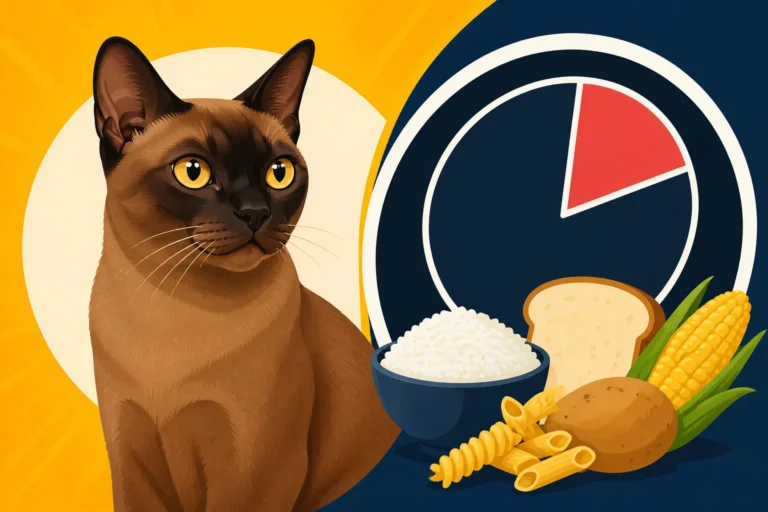
Beyond just when they eat, what your Burmese eats significantly influences how their body responds to insulin. A low-carbohydrate, high-protein wet food diet is often recommended for diabetic cats, as it helps stabilize blood sugar levels, reduces the need for high insulin doses, and can even lead to diabetic remission. This is a topic explored in more detail in articles like Which Diet Puts a Burmese Into Remission and Why Low Carbohydrate Food Matters for a Burmese. When your cat is on a consistent, appropriate diet, their blood glucose response to meals becomes more predictable. This predictability is crucial for your vet to accurately determine the correct insulin dose. If the diet fluctuates—for instance, switching between high-carb dry kibble and low-carb wet food—it becomes much harder to regulate their blood sugar, making insulin timing even more critical and potentially increasing the risk of both hyperglycemia and hypoglycemia. Consistency in both diet and feeding schedule is truly a medical decision for a diabetic Burmese.
Practical Steps for Your Burmese's Meal and Insulin Routine
Once you understand the 'why,' putting it into practice becomes the next step. Establishing a smooth, predictable routine will reduce stress for both you and your Burmese and is key to effective diabetes management.
Establishing a Consistent Schedule
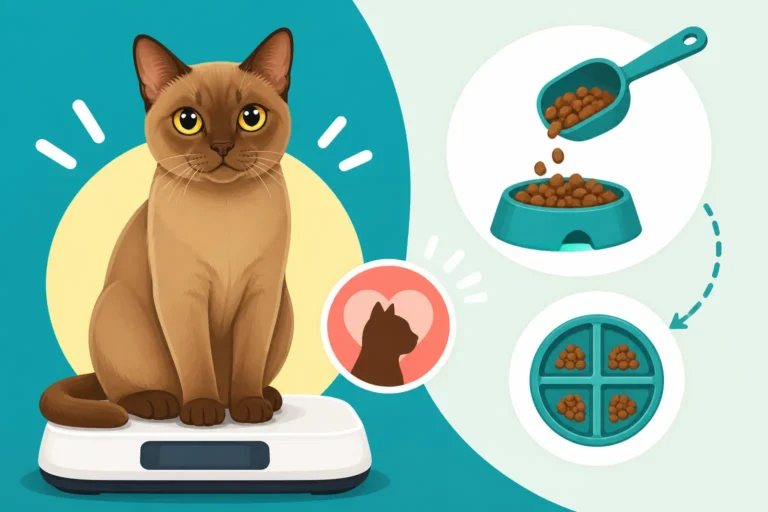
Consistency is king when it comes to managing feline diabetes. Your Burmese thrives on routine, and their metabolic system does too. Aim to feed and inject them at roughly the same times every day, typically twelve hours apart. This helps to stabilize their blood glucose levels throughout the day and night, preventing sharp peaks and valleys that can be detrimental to their long-term health. Think about your daily schedule and choose times that you can reliably commit to, even on weekends or holidays. For example, if you feed at 7 AM and 7 PM, try to stick to that window as closely as possible. Even minor shifts can impact blood sugar readings and the effectiveness of the insulin. This commitment to routine is so important that it's often highlighted in discussions about Why a Burmese's Feeding Times Have to Stay Fixed. It’s not just for convenience; it’s a critical part of their medical care.
The Feeding Window: How Long to Wait After Food
So, you've given your Burmese their food. How long should you wait before giving the insulin? There's no single, universal answer, but a common recommendation from vets is to wait between 5 to 15 minutes after your cat has started eating and has consumed a good portion of their meal. This short waiting period allows their digestive system to begin processing the food and for blood glucose levels to start their natural rise. By the time the insulin is administered and begins to take effect, there's already a healthy level of glucose in their system, reducing the risk of hypoglycemia. If your cat is a slow eater, you might even wait until they've finished their entire portion, especially if they are prone to low blood sugar. Always confirm the specific waiting period with your veterinarian, as it can depend on the type of insulin and your cat's individual response. Observing your cat's eating habits closely during this window is vital for their safety.
Administering Insulin Calmly and Safely
The actual injection doesn't have to be a struggle. Many Burmese cats, known for their affectionate and laid-back nature, adapt remarkably well to daily injections, especially if you create a calm and positive experience around it. Choose a quiet, comfortable spot where your cat feels secure, perhaps on your lap or a favorite blanket. Have everything ready beforehand: the insulin (correctly stored and prepared), the syringe, and maybe a small, special low-carb treat as a reward. Gently scruffing the skin on their neck or shoulder creates a small tent, allowing you to inject subcutaneously (under the skin) without hitting muscle. Speaking in soothing tones and offering praise can make a world of difference. Consistency in technique also helps. You can find more detailed guidance on How to Give a Burmese Its Insulin at Home. For reliable supplies like appropriate insulin syringes and specially formulated low-carb wet food, many owners turn to trusted online retailers like Chewy or Amazon, ensuring they always have what they need for their pet's care.
What If Your Burmese Refuses to Eat?
Despite your best efforts, there will be days when your Burmese just isn't interested in food. This can be incredibly stressful for a diabetic cat owner, as it throws the entire insulin schedule into question.
Immediate Actions to Take
If your Burmese refuses their meal, the absolute most important rule is: DO NOT give insulin. Giving insulin to a cat with no food in its system is a direct route to hypoglycemia, which, as we discussed, can be life-threatening. Instead, try to tempt them with something extra palatable. Offer a different flavor of their low-carb wet food, warm it slightly (check for temperature before offering), or add a tiny amount of a novel treat like boiled chicken breast or a bit of tuna water (again, unsalted and in moderation). Sometimes a change of bowl or location can help. If they eat even a small amount, consult your vet on whether to give a reduced dose of insulin or hold it entirely. Continue to monitor them closely for any signs of illness or impending hypoglycemia. It’s better to skip a dose and have slightly high blood sugar for a day than to risk a dangerous low.
When to Contact Your Veterinarian
One missed meal or an odd feeding day might not be an immediate cause for alarm, but consistent refusal to eat is. You should contact your veterinarian if your Burmese refuses two consecutive meals, or if the refusal is accompanied by other worrying symptoms such as vomiting, diarrhea, lethargy, or hiding. Your vet might want to perform an examination to rule out underlying issues, such as dental pain (which can be common in Burmese, leading to issues like Why a Burmese's Gums Recede Early), kidney problems, or even the beginnings of pancreatitis. They might also provide a "sick day protocol" in advance, which outlines how to adjust insulin doses or when to come in for emergency care if your cat isn't eating. Don't hesitate to call; your vet would much rather you err on the side of caution.
Long-Term Strategies for a Picky Eater
If your Burmese frequently struggles with appetite, it's worth exploring long-term strategies with your vet to ensure consistent food intake. Sometimes, it's a matter of finding the right food. Many high-quality, low-carb wet foods are available through pet supply retailers like Chewy or Amazon. Some owners also find success with fresh pet food services, carefully checking their recipes for appropriate carbohydrate levels that align with a diabetic diet. Introducing a variety of approved low-carb wet foods can sometimes prevent mealtime boredom. Additionally, addressing any underlying health issues that might suppress appetite is crucial. For example, if your senior Burmese is experiencing discomfort from arthritis, as discussed in How Arthritis Shows in a Burmese That Still Plays, managing that pain could significantly improve their willingness to eat. Sometimes, a change in feeding environment, like a quieter spot, or using a specific type of bowl, can make a difference. The goal is to make mealtime as stress-free and appealing as possible, ensuring they consistently get the nutrition they need to stay healthy alongside their insulin therapy.
Feeding and Insulin Timing: Do's and Don'ts
To help consolidate this crucial information, here's a quick reference table of important do's and don'ts when managing your Burmese's diabetes.
| Action | Do | Don't |
|---|---|---|
| Feeding Order | Offer food first, then insulin. | Give insulin before offering food. |
| Insulin Timing | Administer insulin 5-15 minutes after your cat starts eating. | Inject insulin if your cat refuses to eat or eats very little. |
| Consistency | Stick to a strict, consistent feeding and injection schedule daily. | Vary feeding and injection times significantly each day. |
| Appetite Monitoring | Observe your cat's appetite at every meal. | Ignore changes in eating habits; they can indicate a problem. |
| Diet | Feed a veterinarian-approved, low-carbohydrate wet diet. | Switch foods without vet consultation or offer high-carb treats. |
| Veterinary Guidance | Consult your vet for all schedule changes or concerns. | Adjust insulin doses or timing without vet approval. |
| Hypoglycemia Risk | Have a glucose source (e.g., corn syrup) ready for emergencies. | Delay seeking vet care if you suspect hypoglycemia. |
| Stress Reduction | Create a calm, positive routine around feeding and injections. | Make mealtime or injection time a source of conflict or anxiety. |
This table serves as a quick guide, but always remember that detailed discussions with your veterinarian are paramount for your Burmese's unique health needs.
Disclaimer
This article is for general informational purposes only and does not constitute professional advice. Laws, prices and regulations vary by location and change over time. Consult a qualified professional for guidance on your specific situation.