What the cb Allele Does to a Burmese’s Color
It's incredibly frustrating when you're trying to understand your beloved Burmese cat's unique beauty, only to find vague explanations about their coat color. Many people marvel at the Burmese's rich, luxurious fur, but few truly grasp the fascinating genetic secret behind its distinctive shading. This guide will dive deep into the specific gene, known as the cb allele, that dictates the Burmese's gorgeous color, explaining exactly how it works and what it means for your feline friend.
Understanding the Genetic Basis of Burmese Color
The vibrant, rich coat of a Burmese isn't just a random occurrence; it's a carefully orchestrated genetic masterpiece. Unlike many other cat breeds that display a vast array of solid colors, patterns, and dilutions, the Burmese family has a very specific genetic story, primarily centered around a single, powerful allele. This genetic component is responsible for the breed's signature warmth and depth of color, setting it apart from its close relatives, like the Siamese.
The Tyrosinase Gene and Pigment Production
At the heart of all cat coat colors lies the tyrosinase gene, often referred to as the "colorpoint gene" or "C locus." This gene is crucial because it produces an enzyme called tyrosinase, which is absolutely essential for the creation of melanin – the pigment that gives hair its color. Think of melanin as the paint in your cat's fur. Without a properly functioning tyrosinase enzyme, that paint simply can't be made or deposited correctly onto the hair shaft.
In most cats, the tyrosinase enzyme works perfectly fine at all body temperatures, leading to an even distribution of color across the entire coat. That's why you see solid black cats, solid orange cats, or cats with clear tabby stripes where the color is consistent from root to tip, regardless of whether it's on their warm belly or cooler ears. However, in breeds like the Burmese and Siamese, something very unique happens with this enzyme, changing the game entirely.
Introducing the cb Allele: A Temperature-Sensitive Mutation
Here's where the Burmese truly shines and where the cb allele takes center stage. The cb allele is a specific, recessive mutation of that essential tyrosinase gene. What makes it so special? It's temperature-sensitive. This means the enzyme it produces isn't fully functional at normal body temperature. Instead, it only becomes active, and thus produces pigment, in cooler areas of the cat's body.
Imagine trying to paint a wall, but your paint brush only works when it's cold. That's a bit like what happens with the cb allele. This partial functionality results in a reduced amount of pigment being produced, and crucially, it leads to the pigment being more concentrated in the cooler extremities (paws, tail, ears, nose) and less so on the warmer main body. This isn't just about making the cat "brown"; it's about how that brown is distributed. The cb allele is what fundamentally distinguishes the Burmese's rich, warm coat from other breeds and even from its genetic cousin, the Siamese. It’s a fascinating example of how a tiny genetic tweak can create such a significant and beautiful difference in appearance.
How the cb Allele Creates the Signature Burmese Look
The genetic secret of the Burmese is truly captivating, particularly how the cb allele transforms a cat's appearance. It's not just about a pretty color; it's about a scientific marvel that results in the soft, luxurious coats we adore. The interaction between this specific allele and the cat's own body temperature is the key to unlocking the distinctive Burmese aesthetic.
Temperature Sensitivity and Color Pointing
The most defining characteristic of the cb allele is its temperature sensitivity. The enzyme responsible for pigment production, which is affected by this allele, is only partially active at typical body temperatures. This means that pigment is primarily deposited in the cooler parts of the cat's body, such as the tips of the ears, the nose leather, the paws, and the tail. These areas are naturally a few degrees cooler than the core body temperature. The main trunk of the body, being warmer, experiences less enzyme activity and thus produces less pigment, resulting in a lighter, softer shade.
This phenomenon is often called "color pointing," but in the Burmese, it's a more subtle and diffused form compared to the stark contrast seen in a Siamese. A Siamese cat carries the cs allele, which is even more temperature-sensitive, leading to very dark points and an almost white body. The cb allele, however, allows for a more general distribution of color, creating a warm, shaded effect rather than a sharp, distinct contrast. This gentle gradient is what gives the Burmese its unique depth and warmth, a living testament to the power of a single gene. You can really see this play out when you feel the difference in warmth between their body and their little paws!
The Spectrum of Brown: Sable as the Foundation
When we talk about Burmese colors, Sable is where it all begins. Sable, which is essentially a rich, warm brown, is the foundational color for the Burmese breed, and it's the direct result of having two copies of the cb allele (genetically written as cb/cb). This particular genotype allows for the expression of full color, albeit influenced by the temperature-sensitive nature of the cb allele.
The Sable Burmese isn't just "brown"; it's a deep, warm, almost espresso-like brown that gradually lightens to a caramel or honey tone on the belly. The intensity of the Sable can vary, sometimes appearing darker and richer, other times a bit lighter and softer. This variation can be influenced by diet, sunlight exposure, and even age. The rich, satin-like texture of their fur, combined with this specific coloration, makes the Sable Burmese truly stand out. It’s important to remember that all other Burmese colors are essentially dilutions or modifications of this fundamental Sable base, demonstrating just how pivotal the cb allele is to the entire breed's color palette. What the First Burmese Litter Told Thompson dives into how this unique coloration was first observed and understood.
The Four Recognized Burmese Colors and Their Genetics
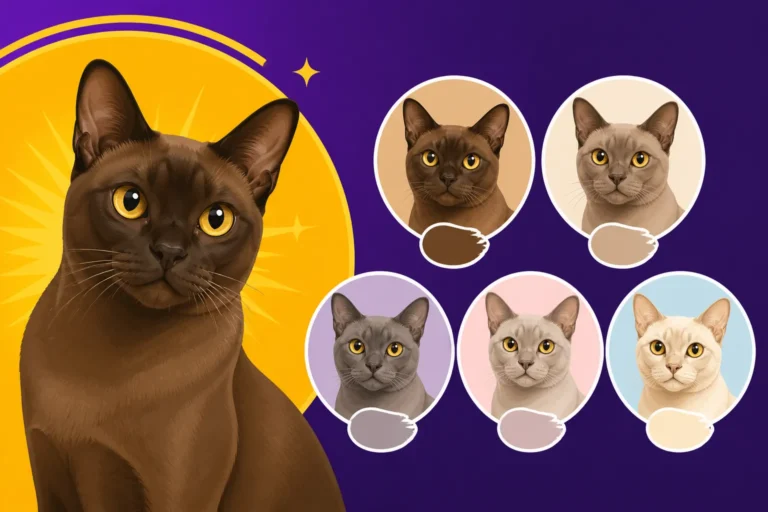
The Burmese breed, despite its rich and varied appearance, actually only has four recognized colors that all stem from the action of the cb allele interacting with other basic color genes. Each color has its own charm and subtle differences, but they all carry that unmistakable Burmese warmth and depth. Understanding these colors is like peeling back layers of a beautiful onion, revealing the genetic components underneath.
Sable (Brown): The Classic cb/cb Expression
As mentioned, Sable is the original and most common color for the Burmese, resulting from two copies of the cb allele. When a cat has the genetic makeup for black pigment (the "B" locus), and also carries two cb alleles, the result is Sable. This color isn't just plain brown; it's an incredibly rich, dark sepia brown that's darker on the points and fades to a warm, lighter shade on the torso and belly. The paw pads and nose leather are typically dark brown or blackish-brown.
Sable kittens are born lighter and gradually darken as they mature and their body temperature stabilizes outside the womb. This color has a beautiful depth that shifts in different lighting, often described as a "velvet" or "satin" sheen. It's the hallmark of the breed and what many people immediately think of when they picture a Burmese. What a Sable Burmese Looks Like offers a fantastic visual deep-dive into this classic shade.
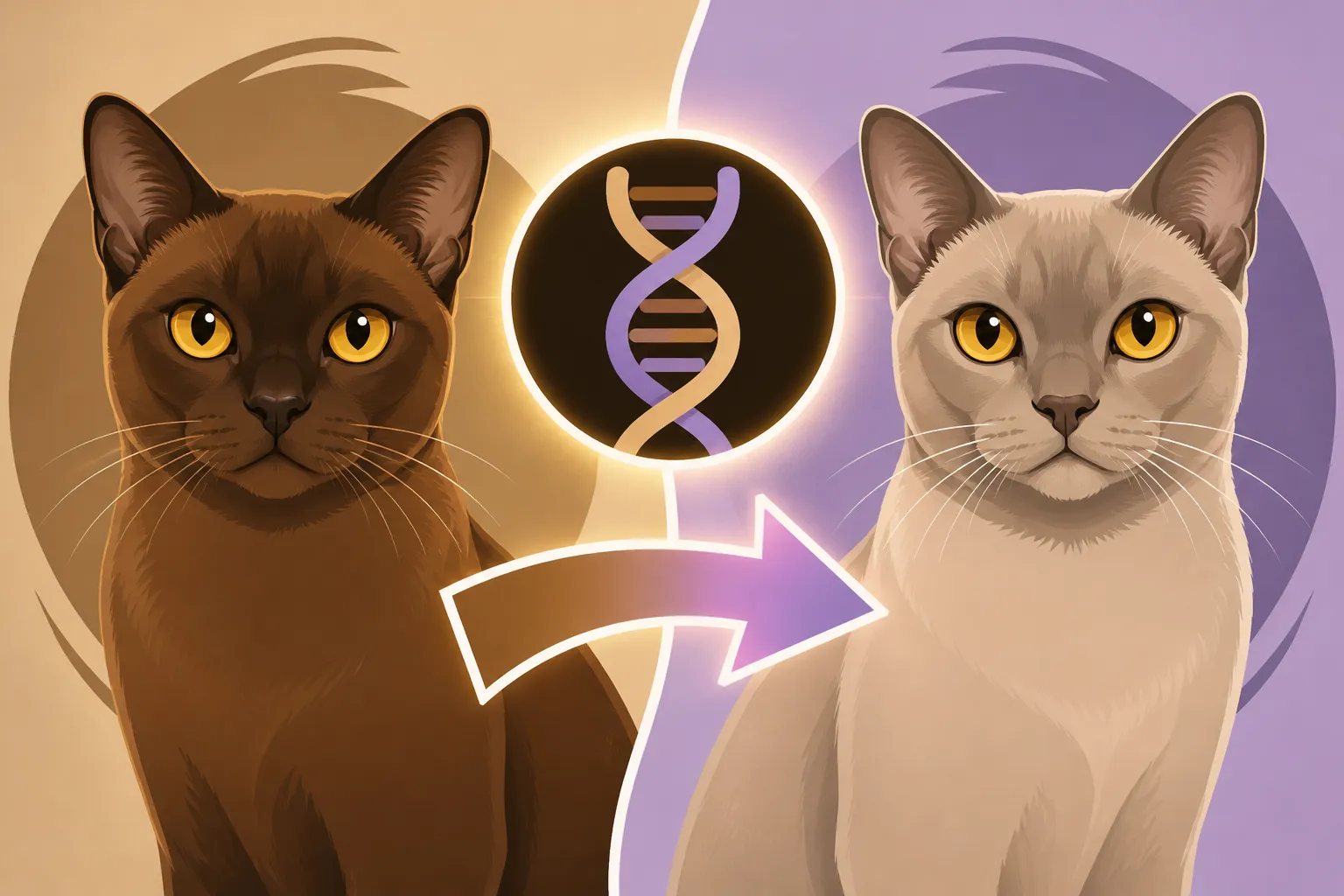
Champagne (Chocolate): Dilution of Sable
Champagne is essentially a diluted version of Sable. Genetically, a Champagne Burmese has two copies of the cb allele, just like a Sable, but it also carries the "b" allele (for brown or chocolate pigment) at the "B" locus instead of the "B" allele (for black pigment). Think of it as the brown pigment being produced, but then lightened by another gene. This results in a warmer, lighter brown, often described as a milky coffee color or a warm honey beige.
The points on a Champagne Burmese are still darker, but they are a light, warm brown, and the body is a softer, creamy beige. Their paw pads are a pinkish-brown, and their nose leather is a warm cinnamon. Champagne cats retain the depth and sheen characteristic of the Burmese coat, but with a decidedly softer overall appearance. It’s a truly elegant color that appeals to those who prefer a less intense shade of brown.
Blue: The Dilution of Black
Blue Burmese cats are stunning, with a cool, silvery-grey tone that is equally captivating. Genetically, a Blue Burmese has the cb/cb alleles, but they also carry two copies of the "d" allele (for dilute pigment) at the "D" locus, and they have the "B" allele (for black pigment) at the "B" locus. So, they start with a black pigment base, which is then "diluted" to blue-grey by the 'd' gene, and finally expressed with the temperature-sensitive cb allele.
This results in a beautiful blue-grey color that is deeper on the points and fades to a lighter dove grey on the body. The paw pads and nose leather are typically slate grey. The blue is not a dull grey; it has a lively, almost iridescent quality, especially in good light. The blue color emphasizes the Burmese's sleek, muscular physique beautifully, giving them a very refined and sophisticated look. It’s a testament to the complex interplay of several genes working together to create such diverse beauty within the breed. Which Colors CFA Accepts in a Burmese details the official recognition of these lovely shades.
Platinum (Lilac): Double Dilution in Action
Platinum, also sometimes referred to as Lilac or Lavender, is the lightest and often considered the most delicate of the Burmese colors. This color is the result of a double dilution effect. Genetically, a Platinum Burmese has two copies of the cb allele, two copies of the "b" allele (for chocolate pigment), and two copies of the "d" allele (for dilute pigment). It's essentially a Champagne Burmese that has been further diluted.
The result is an exquisite pale, frosty grey-pink or silvery beige color. The points are a slightly darker, muted lavender-grey, while the body is a soft, almost ethereal pale pinkish-grey. Their paw pads are a lavender-pink, and their nose leather is a pale, old-rose pink. Platinum Burmese cats have a unique luminescence that is truly breathtaking, with an almost opalescent quality to their short, plush coats. This color, like all Burmese colors, retains the signature depth of hue at the extremities due to the cb allele, but in the most delicate and understated way.
| Burmese Color | Basic Pigment Gene | Dilution Gene | cb Allele Expression | Appearance Notes |
|---|---|---|---|---|
| Sable (Brown) | Black (B) | Non-dilute (D) | cb/cb | Rich, dark sepia brown, darker points, warmer lighter body. |
| Champagne (Chocolate) | Brown (b) | Non-dilute (D) | cb/cb | Warm, milky coffee brown, lighter points, creamy beige body. |
| Blue | Black (B) | Dilute (d) | cb/cb | Slate blue-grey, deeper points, dove grey body. |
| Platinum (Lilac) | Brown (b) | Dilute (d) | cb/cb | Frosty grey-pink or silvery beige, muted lavender points, pale pinkish-grey body. |
Color Development from Kitten to Adult
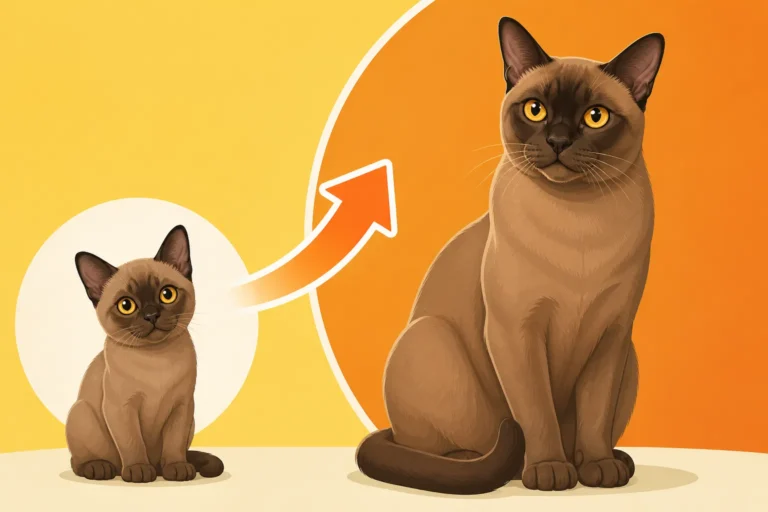
One of the most charming aspects of raising a Burmese kitten is watching their true colors unfold. They don't arrive looking exactly as they will in adulthood, and this transformation is a direct consequence of the cb allele at work. It's a journey of deepening hues and settling shades, all dictated by the fascinating interplay of genetics and environment.
Why Burmese Kittens are Born Paler
If you've ever seen a litter of newborn Burmese kittens, you might have noticed how surprisingly pale they are compared to their adult counterparts. This isn't just an illusion; it's a fundamental aspect of their genetic expression. The reason lies entirely with the temperature-sensitive nature of the cb allele.
Inside the queen's womb, the environment is uniformly warm. This consistent warmth prevents the tyrosinase enzyme (the pigment producer) from functioning effectively across the kitten's entire body. Because the enzyme is largely inactive at this warmer, consistent temperature, very little pigment is produced. Consequently, Burmese kittens are born with a very light, almost ghost-like coloration, often appearing creamy white or a very pale, muted version of their eventual adult color. It's only after they are born and exposed to the cooler ambient air that the enzyme begins to work more efficiently, particularly in the extremities where the body temperature is naturally lower. Why a Burmese Kitten Is Born Paler Than It Ends Up explains this phenomenon in greater detail. This gradual deepening of color is one of the joys of watching them grow, and it’s a direct visual representation of their unique genetics in action.
Environmental Factors Affecting Color Depth
While genetics lay the foundation for a Burmese's color, environmental factors can subtly influence the depth and richness of their coat. It's like having a canvas, where the base colors are set, but light and shadow can alter the final perception. The primary environmental factors that play a role are ambient temperature and exposure to sunlight.
A Burmese cat kept in a cooler environment might develop a slightly darker, more intense coat color overall, as the cb allele's enzyme has more opportunities to activate across a larger surface area of the body. Conversely, a Burmese living in a consistently warmer climate might appear marginally lighter. Sunlight exposure is another interesting factor. While too much direct sun can bleach some coats, it can also paradoxically cause certain parts of a Burmese's coat to darken. This is because sunlight can trigger a subtle chemical reaction in the pigment itself, or it might relate to the cat's body temperature warming slightly in the sun, leading to a differential activation of the enzyme. You might notice your Sable Burmese getting a slightly richer, deeper tone in the cooler months, for example. Even diet and overall health can play a minor role, with a healthy, well-nourished cat often displaying a more vibrant and lustrous coat. These aren't drastic changes, but they are noticeable nuances that add to the individual beauty of each Burmese. How a Burmese's Color Gene Reacts to Temperature delves deeper into this fascinating interaction.
Distinguishing Burmese Colors from Related Breeds
The Burmese is undeniably unique, but its genetic heritage means it shares some common ground with other captivating breeds. Understanding the nuances of the cb allele allows us to clearly differentiate the Burmese's characteristic coloring from its close relatives, preventing any confusion and highlighting what makes each breed special.
Burmese vs. Siamese: The Pointed Difference
This is perhaps the most common comparison, and it’s entirely rooted in the nuances of the tyrosinase gene. Both the Burmese and the Siamese carry a temperature-sensitive allele at the C locus, but they carry different ones. The Burmese has two copies of the cb allele, which results in a rich, warm, relatively diffused color that is darker at the extremities but still quite pigmented across the body. The contrast between the points and the body is noticeable, but not stark.
The Siamese, on the other hand, carries two copies of the cs allele (for Siamese colorpoint). This cs allele is much more temperature-sensitive than cb. This means the enzyme it produces is even less active at body temperature, leading to a dramatic reduction in pigment on the warmer torso, which often appears nearly white or very pale. The pigment is heavily concentrated only in the very coolest extremities (paws, tail, ears, face mask), resulting in the iconic, high-contrast "pointed" pattern. Think of a dark chocolate body with a caramel belly for the Burmese, versus an almost white body with dark chocolate points for the Siamese. The difference is striking, and it's all thanks to which specific temperature-sensitive allele is present. What Happens When Burmese and Siamese Genes Meet explores the genetic outcomes of these different alleles.
Burmese vs. Tonkinese: The Mink Intermediate
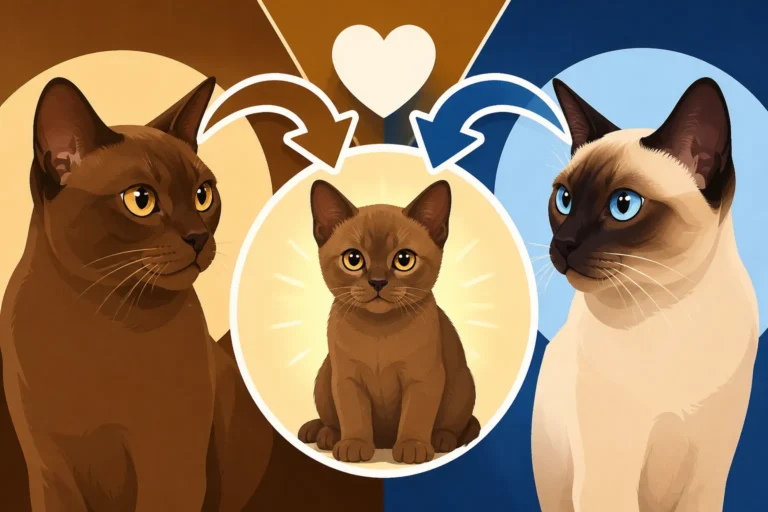
The Tonkinese is often called the "middle ground" between the Burmese and the Siamese, and genetically, that's exactly what it is! A Tonkinese cat is a hybrid, carrying one copy of the cb allele (from the Burmese side) and one copy of the cs allele (from the Siamese side). This combination creates a unique color pattern known as "mink."
The mink pattern is an intermediate expression of colorpointing. It has more contrast than a Burmese but less than a Siamese. The points are distinctly darker than the body, but the body itself is significantly more pigmented than a Siamese. The overall effect is a rich, warm, uniform shading with visible but not extremely stark points. Their eye color is also unique, often appearing aqua or blue-green, a blend of the Burmese's gold/green and the Siamese's blue. So, if you see a cat with a beautifully shaded body that isn't quite solid like a Burmese and not quite starkly pointed like a Siamese, you're likely looking at a Tonkinese – the perfect genetic compromise. It's a living example of how different alleles interact to create a completely new, yet equally stunning, look. How to Tell a Burmese From a Tonkinese provides practical tips for identifying these beautiful breeds.
Breeding Considerations and Genetic Testing for Color
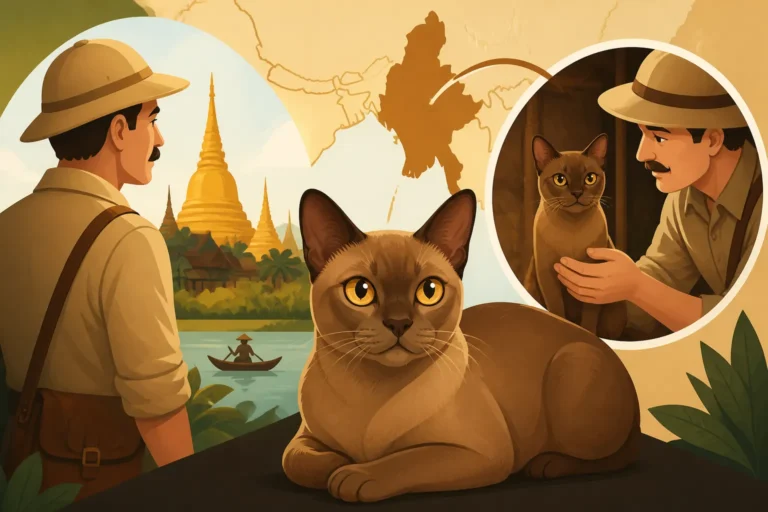
For breeders and anyone deeply interested in the purity and predictability of Burmese colors, understanding the cb allele and its interactions is paramount. It’s not just about aesthetics; it’s about responsible breeding practices that uphold the breed standard and ensure the health and integrity of future generations. The genetic legacy of Wong Mau, the founding Burmese, continues through these careful considerations.
Understanding Carrier Status and Breeding Outcomes
When we talk about the cb allele, it's crucial to remember that it's a recessive gene. This means a cat needs two copies of cb (cb/cb) to display the classic Burmese color pattern. However, a cat can carry one copy of cb and one copy of another allele, such as CS (for full color, like a domestic shorthair) or cs (for Siamese point). These cats are called "carriers."
For example, if you breed a Burmese (cb/cb) with a Siamese (cs/cs), all the kittens will be Tonkinese (cb/cs). If you breed a Burmese (cb/cb) with a cat that carries cb but also has a full color gene (Cb/cb), you could get a mix of Burmese and non-Burmese colored kittens. A full-colored cat (non-pointed) usually carries two copies of the dominant 'C' gene (C/C), or one copy of 'C' and one of 'cb' (C/cb), and they won't show the temperature-sensitive pattern. It's a genetic puzzle, and breeders must understand these combinations to predict litter outcomes accurately. For instance, if you want Sable Burmese kittens, both parents must be at least carriers of the 'B' (black pigment) gene and both must pass on a cb allele. Using a reputable supplier for your cat's needs, like Chewy, can provide a good range of information and support for cat owners. The complexity truly highlights the importance of knowing the genetic background of your breeding pair.
The Importance of DNA Panels in Breeding
Given the intricacies of color genetics and the presence of other health-related genes in the Burmese breed, DNA testing is an indispensable tool for responsible breeders. A comprehensive DNA panel can identify not only the specific alleles for color that a cat carries, but also potential markers for hereditary diseases like hypokalemia or diabetes susceptibility, which are relevant to the Burmese. Which Tests Belong on a Burmese DNA Panel elaborates on the full scope of necessary genetic screening.
For color, a DNA panel can confirm with certainty whether a Burmese carries the cb/cb genotype, or if it might be a carrier for other color alleles that could result in unexpected coat patterns if bred. This eliminates guesswork and ensures that breeders can produce kittens that consistently meet the breed standard for color. It also allows breeders to strategically plan matings to produce specific colors, such as ensuring a litter of only Blue Burmese by breeding parents who both carry the 'd' (dilute) gene, in addition to their cb/cb status. This level of genetic insight is invaluable, preventing unintended colors and maintaining the integrity of the Burmese line, which ultimately benefits the health and predictability of the kittens. It also means you can buy products that cater to your specific breed requirements through retailers like Chewy, knowing your cat's exact genetic profile.
Disclaimer
This article is for general informational purposes only and does not constitute professional advice. Laws, prices and regulations vary by location and change over time. Consult a qualified professional for guidance on your specific situation.