What the WNK4 Mutation Does in a Burmese
Discovering that your beloved Burmese cat might carry a genetic mutation linked to a debilitating condition can be incredibly worrying, often leaving you with more questions than answers about their health and future. This comprehensive guide is here to shed light on the WNK4 mutation, specifically what it means for Burmese cats, how it causes hypokalemia, and crucially, how you can manage this condition to ensure your furry family member lives the happiest, healthiest life possible.
Unraveling the WNK4 Mutation: The Genetic Basis of Hypokalemia in Burmese Cats
It's a tough pill to swallow when you realize that even the most cherished purebred cats can come with predispositions to certain genetic conditions. For the beautiful, affectionate Burmese, one of the most significant concerns is a specific genetic mutation on the WNK4 gene, which is directly responsible for a condition called Feline Hypokalemic Polymyopathy, often simply referred to as hypokalemia. This isn't just a random illness; it's deeply rooted in the breed's genetics, making understanding its origins and mechanisms absolutely essential for any Burmese owner.
The Role of WNK4 Gene in Feline Physiology
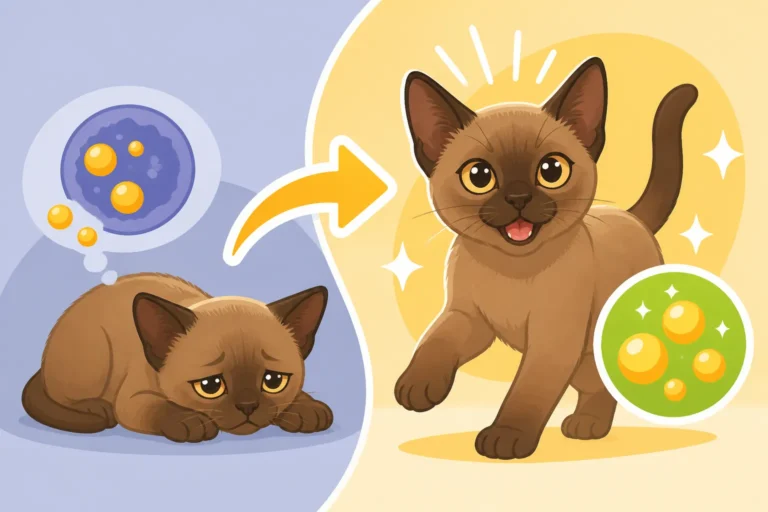
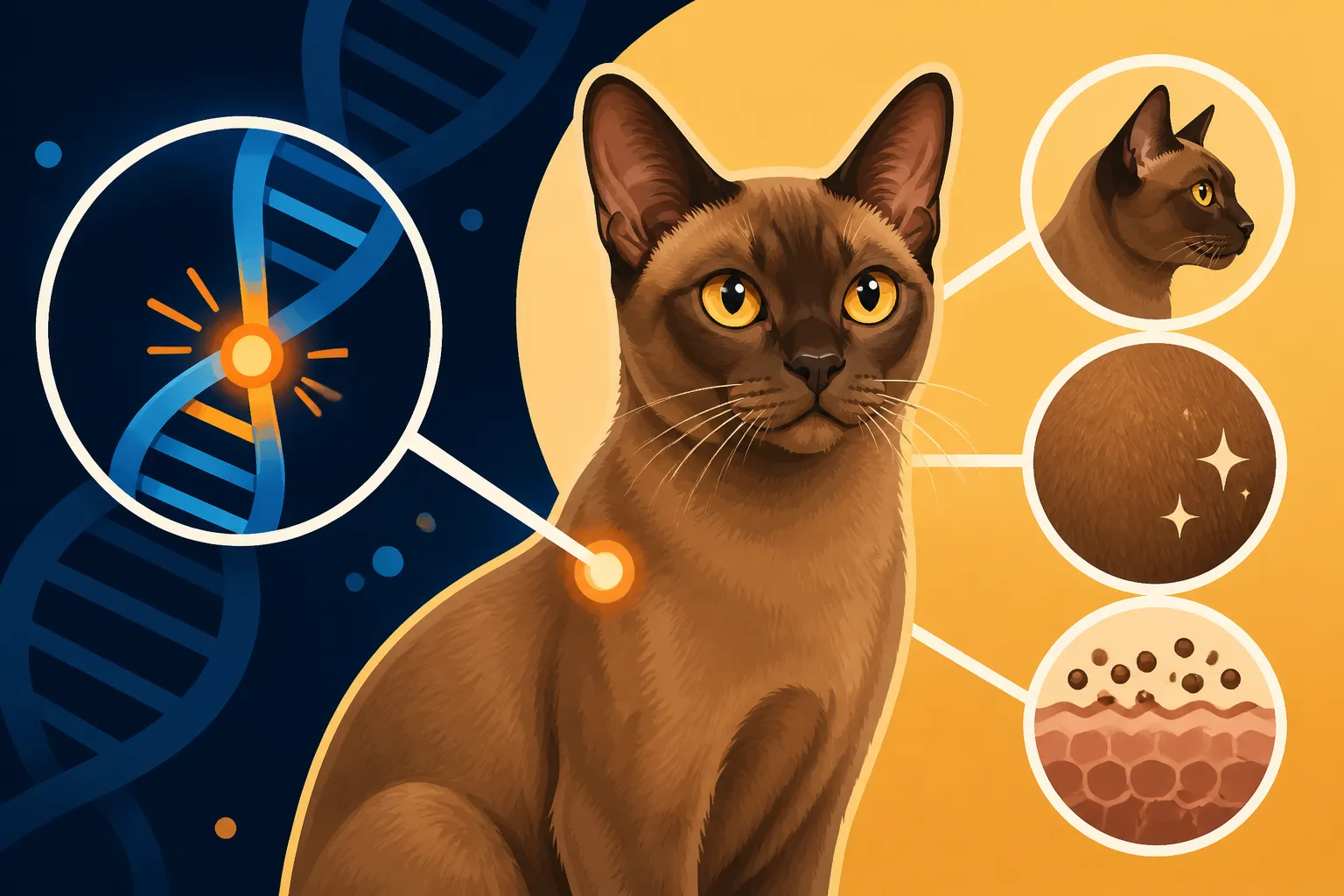
The WNK4 gene plays a critical role in regulating electrolyte balance within the body, particularly potassium and chloride, by influencing kidney function. Think of your cat's kidneys as sophisticated filters and balancers; they maintain the delicate equilibrium of salts and fluids that are vital for every cell to work correctly, especially muscle and nerve cells. When the WNK4 gene carries a mutation, this finely tuned system goes awry. Instead of properly retaining potassium, the kidneys start to excrete too much of it, leading to persistently low levels of potassium in the blood. This chronic potassium deficiency is the hallmark of hypokalemia, and it’s why this mutation is such a significant concern for the breed. Without sufficient potassium, muscles, including those essential for movement and even breathing, simply cannot function effectively.
How the Mutation Leads to Periodic Weakness
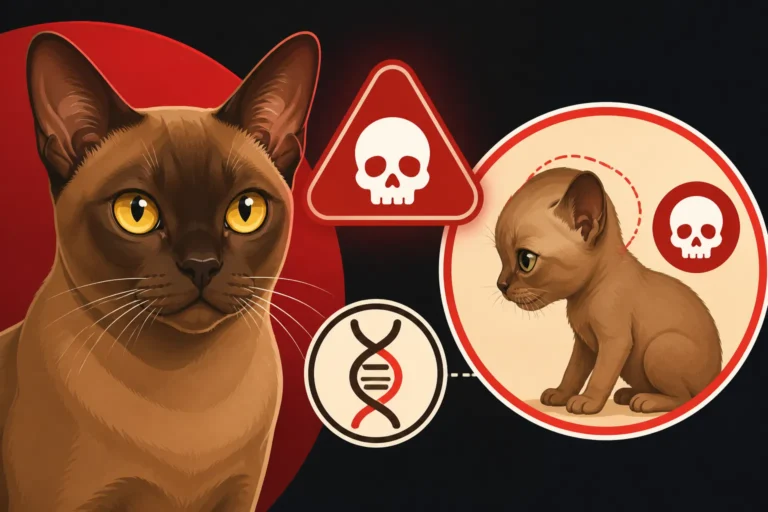
The WNK4 mutation in Burmese cats is an autosomal recessive trait, meaning a cat must inherit two copies of the mutated gene (one from each parent) to be affected by hypokalemia. Cats inheriting only one copy are considered carriers and typically show no symptoms themselves, but they can pass the gene on to their offspring. When a cat has two copies of this faulty gene, their kidneys are inefficient at reabsorbing potassium, leading to those dangerously low blood levels. This manifests as periodic muscle weakness because potassium is crucial for muscle contraction and nerve signal transmission. Affected cats might appear perfectly normal one day, then suddenly experience episodes of severe weakness, collapsing or struggling to move. These episodes are often triggered by stress, excitement, or even certain types of food, making life quite unpredictable for both the cat and its devoted owner. This fluctuating nature of the symptoms can be incredibly frustrating and frightening.
Geographic Prevalence and Lineage Differences
Interestingly, the prevalence of the WNK4 mutation and subsequent hypokalemia varies among different Burmese lineages and geographic locations. Historically, the mutation appears to be more common in the European and Australian Burmese lines than in American Burmese. This doesn't mean American lines are entirely free from it, but the incidence rates can differ significantly. This divergence likely stems from different breeding practices and foundational cats used in the development of the breed in these regions. For example, if a popular stud cat carried the mutation and was widely bred, it could quickly disseminate the gene through a specific regional population. Breeders in areas with higher prevalence often have stricter testing protocols in place, which is a testament to their dedication to improving breed health. When looking for a kitten, knowing the lineage and asking about the specific testing protocols the breeder follows can offer immense peace of mind.
Recognizing the Signs: What Hypokalemia Looks Like in Your Burmese
Living with a Burmese, you quickly learn to appreciate their unique charm and deeply affectionate nature. They are often described as "Velcro cats" for a reason! However, this close bond also means you are often the first to notice when something is off. Hypokalemia, caused by the WNK4 mutation, can present with subtle or dramatic symptoms, and recognizing them early is key to proper management and a better quality of life for your cat.
Early Onset and Kitten Symptoms
One of the most heartbreaking aspects of WNK4-related hypokalemia is that symptoms can begin quite early in a cat's life, sometimes even in kittenhood. It’s not uncommon for kittens to show signs of muscle weakness or stiffness around 2-6 months of age, though it can appear later too. A kitten might seem less energetic than its littermates, struggle with coordinated movements, or have difficulty jumping and climbing. These early signs are often subtle and can easily be dismissed as normal kitten clumsiness or a slight delay in development. However, for a discerning eye, unusual lethargy, an unwillingness to play, or a peculiar gait can be red flags. Owners might notice that the kitten tires quickly after short bursts of play, or seems generally weaker than expected for its age. If you're a new owner and suspect something is amiss, don't hesitate to consult your vet. Early intervention can make a significant difference. You might want to refer to How Hypokalemia First Shows in a Burmese Kitten for more specific details on what to look for.
The Characteristic "Meerkat Neck" and Muscle Weakness
The most distinctive and often startling symptom of a hypokalemic episode is what many owners affectionately, though grimly, call the "meerkat neck." During an episode, the cat's neck muscles become so weak that they struggle to hold their head upright. They might hold their head low, or in severe cases, be unable to lift it at all, causing it to droop forward or to one side. This can make them look like a meerkat standing on its hind legs, trying to crane its neck – hence the name. Beyond the neck, generalized muscle weakness is common. Your Burmese might walk stiffly, seem reluctant to move, or even collapse. They may appear wobbly on their hind legs or struggle to stand after resting. In severe cases, the weakness can affect respiratory muscles, leading to labored breathing, which is a medical emergency. This can be truly terrifying to witness, as your vibrant, active cat suddenly seems profoundly incapacitated. To understand this symptom more deeply, you can read Why a Hypokalemic Burmese Cannot Hold Its Head Up.
Triggers for Hypokalemic Episodes
While the underlying cause is genetic, hypokalemic episodes aren't constant. They often occur in "flares" and can be triggered by various factors. Stress is a major culprit; anything from a vet visit, a change in environment, new people or pets in the home, or even a loud noise can precipitate an episode. Intense physical activity or prolonged play can also exhaust muscles already operating with low potassium reserves, leading to a collapse. Dietary factors play a significant role too. Meals that are particularly high in carbohydrates or certain ingredients can sometimes cause a shift in potassium levels, making episodes more likely. Even dehydration can exacerbate the problem. It’s a constant tightrope walk for owners, trying to identify and avoid these triggers. Keeping a detailed log of your cat’s activities, diet, and any observed symptoms can be invaluable in identifying individual triggers specific to your cat and helping your vet formulate the best management plan. For more on this, check out What Triggers a Burmese Hypokalemic Episode.
Diagnosing and Confirming WNK4-Related Hypokalemia
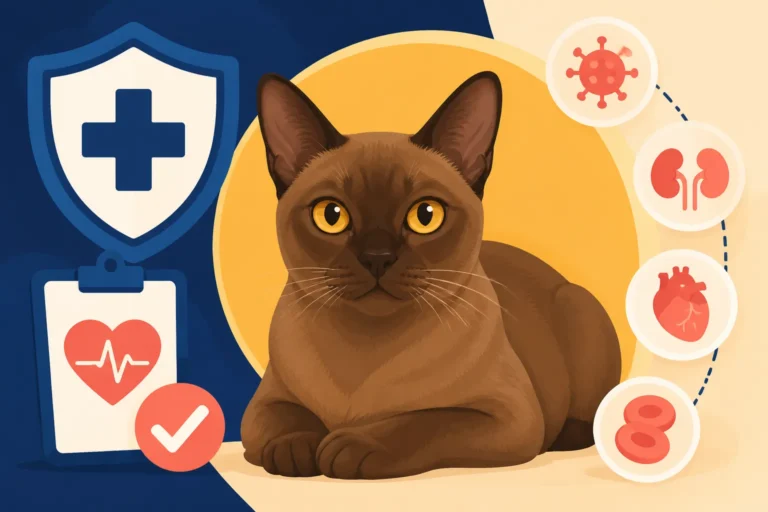
When you notice concerning symptoms in your Burmese, the first step is always a visit to your trusted veterinarian. Diagnosing hypokalemia accurately involves a combination of clinical observation, blood tests, and ultimately, a specific genetic test to confirm the WNK4 mutation. This multi-pronged approach helps rule out other conditions and pinpoints the exact cause of your cat's discomfort.
Initial Veterinary Examination and Blood Tests
Upon arriving at the vet, they'll perform a thorough physical examination, paying close attention to muscle tone, reflexes, and overall demeanor. They'll ask you detailed questions about the onset of symptoms, their frequency, and any potential triggers you've observed. The crucial diagnostic step will be a blood test, specifically looking at electrolyte levels. A blood chemistry panel will measure your cat's potassium levels. If these are consistently low, especially during an episode of weakness, it strongly suggests hypokalemia. However, it’s important to remember that potassium levels can fluctuate. A cat might have normal potassium levels between episodes, making diagnosis a bit tricky if they aren't actively symptomatic during the vet visit. Your vet might recommend repeating tests or monitoring during a suspected flare-up. They will also likely check other blood parameters to rule out other conditions that can cause similar symptoms, such as kidney disease or other metabolic disorders.
The Definitive DNA Test for the WNK4 Mutation
While blood tests can confirm hypokalemia, they don't tell you why your Burmese has it. To definitively diagnose WNK4-related hypokalemia and differentiate it from other causes of low potassium, a specific DNA test is required. This test typically involves a simple cheek swab, which can often be collected by your vet or even by you at home with clear instructions, then sent to a specialized veterinary genetics lab. The test analyzes your cat's DNA for the presence of the WNK4 mutation. The results will indicate whether your cat is clear, a carrier (one copy of the mutation), or affected (two copies of the mutation). This genetic confirmation is invaluable, not only for managing your current cat but also for responsible breeding practices, as carriers can unknowingly pass the gene on. To understand which labs offer this service, you can explore Which Lab Runs the Burmese Hypokalemia Test. Getting this DNA test provides definitive answers and guides the long-term care strategy.
Differentiating Hypokalemia from Other Conditions
The symptoms of hypokalemia, particularly muscle weakness, can sometimes mimic those of other serious health issues in cats. This is why a thorough diagnostic process is so important. For instance, certain neurological conditions can cause weakness or coordination problems. Toxins or severe nutritional deficiencies might also lead to similar presentations. Kidney disease, as mentioned, can also affect electrolyte balance, including potassium, though the mechanism might be different. Even some forms of arthritis, particularly in older cats, could be mistaken for muscle weakness. This highlights the importance of working with a veterinarian experienced in feline medicine, ideally one familiar with breed-specific conditions like those affecting the Burmese. They will be able to interpret all diagnostic findings – from blood tests to physical exams and the DNA results – to arrive at an accurate diagnosis and prevent misdiagnosis, ensuring your cat receives the most appropriate treatment.
Managing Life with a WNK4 Positive Burmese: Treatment and Care
Receiving a diagnosis of WNK4-related hypokalemia can feel overwhelming, but it's important to remember that this is a manageable condition. With proper care, consistent treatment, and a few adjustments to their daily routine, a Burmese with hypokalemia can still live a full and happy life. The key is to be proactive and diligent in their care.
Potassium Supplementation: A Lifelong Necessity
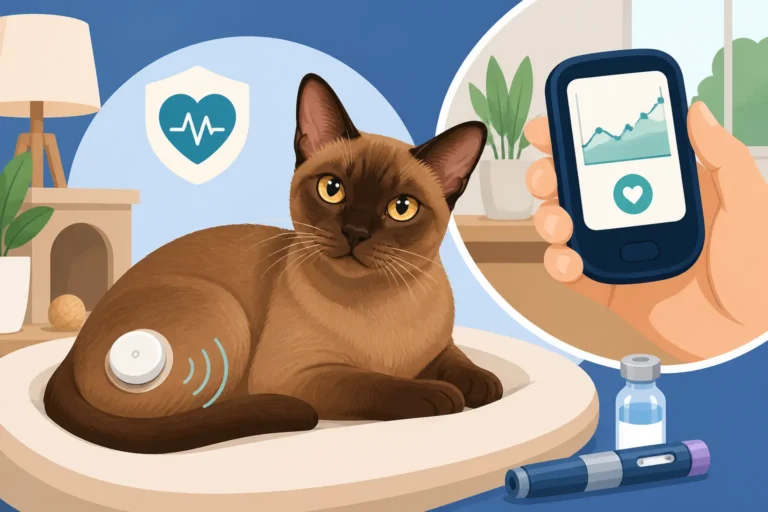
The cornerstone of managing WNK4-related hypokalemia is daily potassium supplementation. Since the kidneys are constantly losing potassium, affected cats need a regular, exogenous source to maintain healthy blood levels. This usually comes in the form of a palatable oral supplement, often a powder or liquid that can be mixed into their food. Your vet will determine the appropriate dosage based on your cat's weight, the severity of their condition, and their individual response. It's not a one-size-fits-all approach; regular blood tests will be needed, especially initially, to fine-tune the dosage and ensure potassium levels are stable. Consistency is absolutely vital – missing doses can lead to a rapid drop in potassium and trigger an episode. While it might seem like a chore at first, incorporating this into your cat's daily routine will quickly become second nature. You can learn more about this by reading What Potassium Supplementation Does for a Burmese.
Emergency Treatment for Acute Episodes
Despite the best daily management, acute hypokalemic episodes can still occur, especially if a strong trigger is encountered or if potassium levels fluctuate unexpectedly. During an acute crisis, where your cat might be severely weak, unable to lift their head, or struggling to breathe, immediate veterinary attention is crucial. In these situations, your vet will administer potassium intravenously (IV) to rapidly raise blood levels and stabilize your cat. They might also provide supportive care, such as warmth and monitoring. This emergency treatment is critical to reverse the severe muscle weakness and prevent complications, particularly those affecting the respiratory muscles. Knowing how to recognize the signs of an impending or full-blown episode, and having an emergency plan in place with your vet, can significantly improve the outcome. For detailed information on this, refer to How a Vet Treats a Burmese Hypokalemic Episode.
Lifestyle Adjustments and Environmental Management
Beyond medication, making thoughtful lifestyle adjustments can significantly improve the quality of life for a Burmese with WNK4-related hypokalemia. This often involves identifying and minimizing triggers. If stress causes episodes, creating a calm, predictable environment is paramount. This might mean providing safe, quiet spaces, sticking to a consistent daily routine, and using feline pheromone diffusers (like Feliway) to reduce anxiety. Dietary management is also critical. Your vet may recommend a diet that is lower in carbohydrates and higher in protein, as certain food compositions can influence potassium metabolism. Avoiding sudden changes in diet and providing consistent meal times can also help. Additionally, ensuring your cat always has access to fresh water is important, as dehydration can worsen the condition. Regular, gentle exercise is good, but overexertion should be avoided. The goal is to provide a stable, supportive environment that minimizes physiological stress and helps maintain stable potassium levels.
Table: Key Differences in WNK4 Status and Management
Here's a quick overview of what different WNK4 test results mean for your Burmese:
| WNK4 Genetic Status | Definition | Symptoms | Management Implications | Breeding Advice |
|---|---|---|---|---|
| Clear | No copies of the WNK4 mutation. | No hypokalemia symptoms related to WNK4. | No specific WNK4-related management needed. | Can be bred to any tested cat. |
| Carrier | One copy of the WNK4 mutation. | Typically asymptomatic. | No specific WNK4-related management needed. | Should only be bred to a clear cat to avoid affected kittens. |
| Affected | Two copies of the WNK4 mutation. | Prone to hypokalemic episodes (muscle weakness). | Requires lifelong potassium supplementation and careful management. | Should never be bred. |
Breeding Responsibly: Navigating the WNK4 Mutation in Burmese Lines
The WNK4 mutation highlights the immense importance of responsible breeding practices. While it's disheartening to know a beloved breed can carry such a gene, scientific advancements allow breeders to test for it, making informed decisions that protect the health of future generations. Understanding the genetics behind this condition is crucial for both current and prospective Burmese owners.
Understanding Autosomal Recessive Inheritance
As mentioned earlier, WNK4-related hypokalemia is inherited in an autosomal recessive pattern. This means a kitten only develops the condition if it receives a mutated gene from both its mother and its father. If a kitten inherits one normal gene and one mutated gene, it will be a "carrier." Carriers typically do not show any symptoms of hypokalemia themselves, but they carry the potential to pass the mutated gene on to their offspring. The implications for breeding are significant: if two carriers are bred together, there's a 25% chance with each kitten born that it will be affected, a 50% chance it will be a carrier, and a 25% chance it will be clear. This is why thorough genetic testing of all breeding animals is so vital. It’s a numbers game that can have devastating consequences if ignored, but it's completely avoidable with proper screening. This is a fundamental concept for anyone involved in breeding; for more, see Why Two Burmese Carriers Must Never Be Bred.
Testing Parents to Prevent Affected Kittens
The most powerful tool breeders have to combat WNK4-related hypokalemia is pre-breeding genetic testing. Before any Burmese cats are paired for mating, both prospective parents should be DNA tested for the WNK4 mutation. This simple cheek swab test will identify if a cat is clear, a carrier, or affected. Reputable breeders will always test their breeding stock and will be transparent about the results. The golden rule in breeding is to never breed two carriers together. By ensuring at least one parent is clear, even if the other is a carrier, all offspring will be either clear or carriers, but none will be affected. This drastically reduces the incidence of hypokalemia in the breed, improving overall health and welfare. Insisting on seeing proof of WNK4 testing for both parents is a non-negotiable step for anyone looking to purchase a Burmese kitten. Understanding How the Burmese Hypokalemia Test Is Read can help you interpret the results when breeders show them to you.
Ethical Breeding Practices for Carriers
The existence of carriers poses an interesting ethical dilemma for breeders. While ideally, a breeder might want to only breed clear cats, sometimes carriers possess other desirable traits – excellent temperament, conformation, or other genetic diversity that would be a loss to the gene pool if they were simply removed. In these cases, ethical breeding allows for carriers to be bred, but only if they are strictly paired with a cat that is known to be clear of the WNK4 mutation. This ensures that no affected kittens will be born. Any kittens produced from such a pairing should then be tested themselves. Carriers among the offspring can then be either spayed/neutered as pets or, if they have exceptional qualities and are part of a careful breeding plan, they too can be bred responsibly to clear mates. This approach allows breeders to slowly reduce the prevalence of the mutated gene over generations while still preserving valuable genetic diversity within the breed. Transparency with potential buyers about a cat's carrier status is also key to ethical practice. If you are ever unsure, asking How to Read a Burmese Hypokalemia Carrier Result can provide clarity.
Long-Term Outlook and Owner Support
Living with a Burmese cat affected by the WNK4 mutation requires dedication and understanding, but it’s far from a death sentence. With advances in veterinary medicine and owner commitment, many Burmese cats with hypokalemia can enjoy long, fulfilling lives. It’s about being prepared, proactive, and building a strong support system.
Prognosis and Quality of Life for Affected Cats
The prognosis for a Burmese cat diagnosed with WNK4-related hypokalemia is generally good, provided the condition is consistently managed. With daily potassium supplementation and careful avoidance of triggers, many affected cats experience very few, if any, severe episodes. They can maintain their active, affectionate personalities and live a normal lifespan. However, it's not without its challenges. There will be ongoing veterinary visits for monitoring, especially in the initial stages of treatment, and the occasional adjustments to medication. Owners need to be vigilant about observing their cat for any signs of weakness or changes in behavior that might signal a drop in potassium. The good news is that for many cats, once a stable routine is established, they learn to live with their condition quite well. To gain more insight into this, consider reading Whether a Hypokalemic Burmese Lives a Normal Life.
Financial Considerations and Insurance
Managing a chronic condition like hypokalemia does come with financial implications. The cost of lifelong potassium supplements can add up, as can the expense of regular blood tests to monitor potassium levels. Acute episodes requiring emergency veterinary care can also be costly, involving IV fluids and hospitalization. It's wise for owners of Burmese cats, especially those with a known predisposition, to factor these potential costs into their budget. Pet insurance can be an invaluable resource, helping to offset these expenses. Many pet insurance providers, such as Healthy Paws, offer comprehensive plans that can cover a significant portion of diagnostic tests, medications, and emergency treatments. It's crucial to enroll your cat in a policy before any symptoms or diagnoses appear, as most insurance companies consider pre-existing conditions ineligible for coverage. Planning ahead can save a considerable amount of stress and financial burden should your Burmese develop hypokalemia.
Building a Support Network
Dealing with a chronic illness in a beloved pet can be emotionally draining. This is why building a strong support network is so important. This network might include your trusted veterinarian and their team, who can provide expert medical advice and compassionate care. Connecting with other Burmese owners, particularly those who have experience with hypokalemia, can offer invaluable practical tips, emotional support, and a sense of community. Online forums, breed-specific social media groups, and local cat clubs can be great places to find these connections. Sharing experiences, asking questions, and knowing you’re not alone in managing this condition can make a world of difference. Your support network can also include family and friends who understand your commitment to your cat's health and can offer practical help if needed, like keeping an eye on your cat if you're away for a short period.
Disclaimer
This article is intended for informational purposes only and does not constitute veterinary advice. Always consult with a qualified veterinarian for any health concerns or before making any decisions about your pet's care or treatment.