How Much Weight Raises a Burmese’s Diabetes Risk
It's heartbreaking to watch your beloved Burmese cat, who normally acts like a furry, purring shadow, start to slow down. Even more so when you notice a little extra softness around their middle, or that their favorite climbing spots are now a bit of a struggle. This creeping weight gain isn't just about aesthetics; for Burmese cats, it’s a direct highway to serious health issues, most notably diabetes. This guide will walk you through precisely how much weight puts your Burmese at risk and what you can do about it, ensuring they stay healthy, active, and by your side for as long as possible.
The Alarming Link Between Weight and Diabetes in Burmese Cats
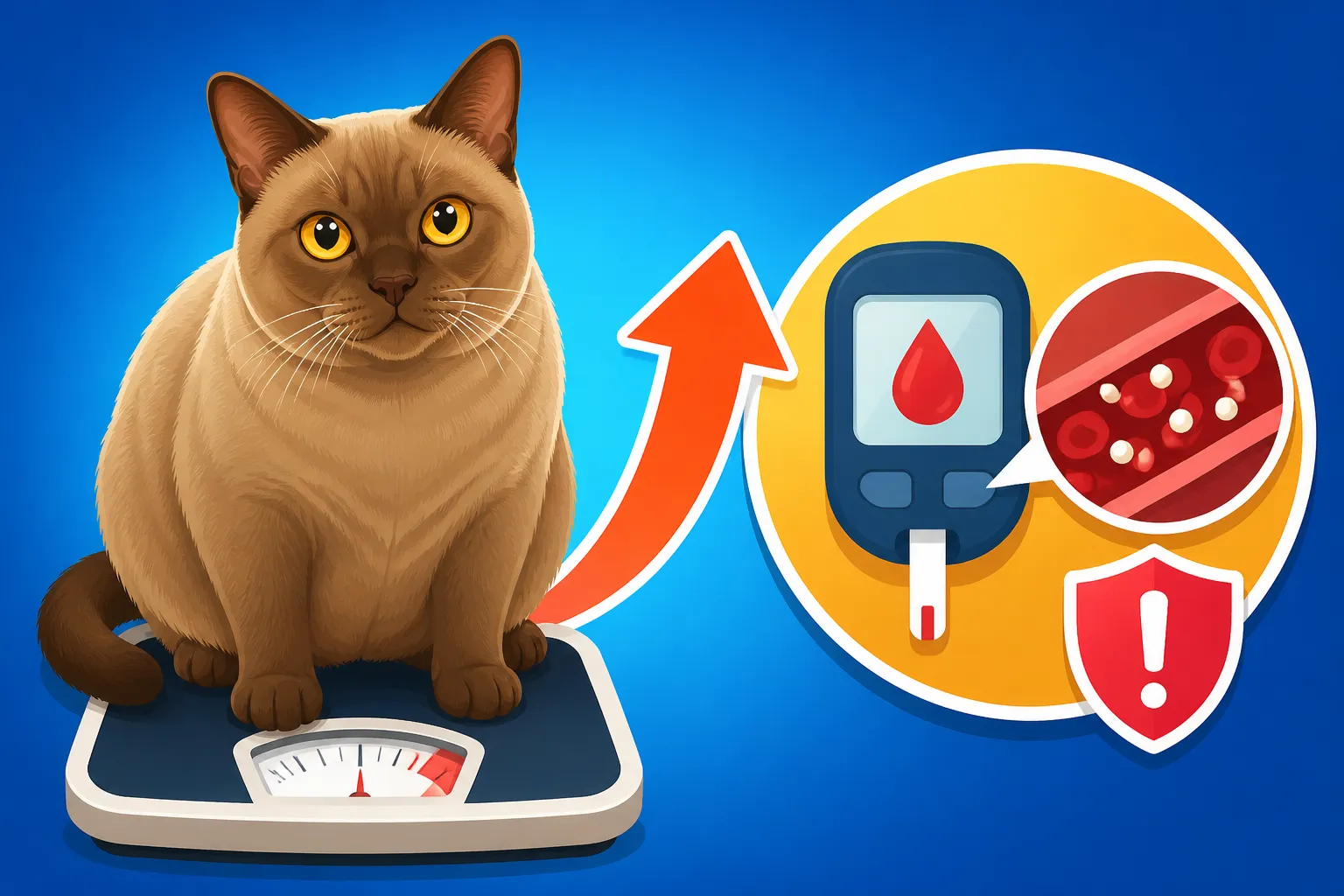
The sad truth for us Burmese owners is that our adored companions have a significantly higher genetic predisposition to developing diabetes mellitus than almost any other cat breed. It's not just a little bit higher; studies have shown that Burmese cats can be four times more likely to become diabetic. And when you combine this inherent genetic vulnerability with even a modest amount of excess weight, you're looking at a dramatically increased risk.
Why Excess Fat Cells Fuel Diabetes
It's not simply the weight itself, but what that fat does to the body. When your Burmese carries extra weight, the fat cells (adipocytes) don't just sit there inertly. They become active metabolic organs, releasing hormones and inflammatory substances that interfere with insulin's ability to do its job. Insulin, as you know, is crucial for moving glucose (sugar) from the bloodstream into the body's cells for energy. When cells become resistant to insulin's signals, glucose builds up in the blood, leading to hyperglycemia, which is the hallmark of diabetes. This process, known as insulin resistance, starts long before clinical signs of diabetes appear. Even a slight increase above their ideal body weight can tip the scales toward insulin resistance in a Burmese, making their already predisposed pancreas work overtime, eventually leading to burnout. This means that Why a Burmese Is Four Times More Likely to Become Diabetic isn't just theory; it's a stark reality for our furry friends.
Quantifying the Risk: How Much is "Too Much"?
Unlike some breeds where a few extra pounds might just mean a cuddlier lap cat, for a Burmese, "too much" weight can be shockingly little. We're not talking about outright obesity to see a significant risk increase. Research suggests that Burmese cats who are even 10-20% over their ideal lean body weight can be at a substantially elevated risk for developing diabetes. To put that into perspective, if your adult female Burmese should ideally weigh around 8-10 pounds, an extra pound or two can push her into that danger zone. For a male Burmese, who might ideally be 10-14 pounds, an additional 1.5 to 3 pounds could be enough. Given that What an Adult Burmese Should Weigh can vary, knowing your individual cat’s lean body condition is paramount.
It's crucial to understand that it's not always about a dramatic, sudden weight gain. Often, it's a gradual creep over months or even a couple of years that puts them at risk. This is why regular, accurate weighing at home is such a critical part of a Burmese owner's routine. Think of it this way: for most other breeds, being a bit plump might mean a higher chance of diabetes, but for a Burmese, it dramatically shortens the odds, pushing them much closer to the threshold where their genetic makeup and environmental factors align to trigger the disease.
Understanding Your Burmese's Ideal Body Condition
Pinpointing your Burmese's ideal weight can be a bit challenging because they are naturally quite muscular and compact, often leading owners to underestimate their healthy weight or mistake muscle for fat. It's not just about the number on the scale; it's about their body composition.
How to Assess Your Burmese's Body Condition at Home
The best way to tell if your Burmese is at a healthy weight isn't just relying on the scale, though that's a vital tool. It's about performing a regular, hands-on body condition score (BCS). This involves feeling their ribs, spine, and waist.
Here’s a quick guide to what you should be looking for:
-
Ideal (BCS 5/9 or 3/5):
- You should be able to easily feel your cat's ribs without pressing hard. They shouldn't be visible, but easily palpable under a thin layer of muscle and fat.
- When viewed from above, your Burmese should have a discernible waist, narrowing slightly behind the ribs.
- From the side, their abdomen should tuck up slightly, not hang low.
- Their spine and hip bones should be felt with slight pressure but shouldn't be prominent or bony.
-
Overweight (BCS 6-7/9 or 4/5):
- It becomes harder to feel the ribs; you have to press firmly to feel them.
- The waist is less apparent or completely absent when viewed from above.
- There might be a slight rounding over the back and a visible fat pad at the base of the tail.
- The abdomen might appear more rounded and possibly sag a little.
-
Obese (BCS 8-9/9 or 5/5):
- You cannot easily feel the ribs, even with firm pressure.
- No waist is evident, and the back is noticeably broadened.
- There are obvious fat deposits over the lower back, hips, and at the base of the tail.
- A distended abdomen with a prominent fat pad often hangs down.
For a more detailed visual, many veterinarians use a 9-point or 5-point body condition scoring system. Knowing How to Score a Burmese's Body Condition accurately is a skill every Burmese owner should develop. Regularly checking this helps you catch weight creep early. Remember, because they are so muscular, a Burmese can sometimes feel heavier than they look, which makes this hands-on approach even more important.
The Special Case of the Neutered Male Burmese
It’s worth noting that neutered male Burmese cats often face the highest risk for diabetes. Hormonal changes after neutering can lead to a slower metabolism and an increased appetite, making weight gain more likely. If you have a male Burmese, particularly one who has been neutered, you need to be extra vigilant about their diet and exercise. This critical distinction is why Why a Neutered Male Burmese Is Highest Risk is such an important topic for owners to understand, demanding heightened awareness of their weight and overall health from day one.
Actionable Steps to Keep Your Burmese at a Healthy Weight
Proactive weight management is, without exaggeration, a form of preventative medicine for your Burmese. It's the most powerful lever you have to reduce their diabetes risk and ensure a long, healthy life.
Mastering Portion Control and Diet
This is perhaps the single most impactful change you can make. Free-feeding, where food is left out all day, is a recipe for disaster for a diabetes-prone breed like the Burmese. Their natural inclination to eat frequently, combined with their genetic predisposition, makes it incredibly risky.
- Strictly Portion Your Meals: Every single meal should be weighed out on a digital kitchen scale. Eyeballing with a scoop just isn't accurate enough. Your vet can help you determine the exact calorie needs for your Burmese's ideal weight, usually between 20-35 calories per pound of ideal body weight, adjusted for activity level. For instance, an active 10-pound Burmese might need around 250-350 calories per day, but this needs to be precise. Why Portion Control Is Medical Care in a Burmese isn't hyperbole; it's a medical fact.
- Focus on Low Carbohydrate, High Protein Wet Food: Cats are obligate carnivores, meaning their bodies are designed to process protein and fat, not carbohydrates. High-carb diets, often found in dry kibble, can cause spikes in blood sugar and further contribute to insulin resistance. Transitioning your Burmese to a predominantly wet food diet that is low in carbohydrates (typically less than 10% of metabolizable energy) and high in protein is ideal. Brands like Weruva, Tiki Cat, or Fancy Feast Pate (the classic varieties, not gravy) are often good choices, but always check the carbohydrate content. This dietary shift is a cornerstone of managing their risk, and it's also the kind of diet Which Diet Puts a Burmese Into Remission if they do unfortunately develop diabetes.
- Regular Feeding Schedule: Feed your Burmese two to three measured meals a day, at consistent times. This helps regulate their metabolism and makes it easier to monitor their appetite. It also means you'll notice quickly if they're refusing food, which can be a sign of illness.
Encouraging Physical Activity and Enrichment
While diet is critical, exercise also plays a significant role in maintaining a healthy weight and improving insulin sensitivity. Burmese cats are naturally playful and intelligent, even into old age, so harnessing this energy for structured play is usually quite easy.
- Daily Interactive Play Sessions: Aim for at least two to three interactive play sessions daily, each lasting 10-15 minutes. Use wand toys, laser pointers (with a treat at the end to "catch" the dot), or puzzle feeders to engage their hunting instincts. A Burmese loves to chase, pounce, and retrieve, making them excellent candidates for games that involve movement. This consistent activity not only burns calories but also builds muscle mass and reduces boredom, which can sometimes lead to stress eating. Even at an advanced age, What an Old Burmese Still Wants to Play demonstrates their enduring need for activity.
- Environmental Enrichment: Provide opportunities for climbing, exploring, and scratching. Cat trees, shelves, and window perches encourage vertical movement. Rotate toys regularly to keep them interested. Puzzle feeders that dispense a portion of their measured food can also extend mealtime, slow down eating, and provide mental stimulation.
- Consider a Playmate: Burmese cats thrive on companionship and often do best in pairs or in multi-cat households. A playful feline friend can provide endless exercise and mental stimulation, reducing the likelihood of boredom-induced lethargy and helping both cats stay active. Why Burmese Breeders Sell Them in Pairs is not just about emotional well-being but also about fostering a more active environment.
Regular Veterinary Check-ups and Monitoring
Even with the best home care, regular vet visits are non-negotiable for a Burmese. Your veterinarian is your partner in preventing diabetes.
- Annual Wellness Exams: These visits should include a thorough physical examination, a discussion of your cat's weight, diet, and activity levels. Your vet can perform blood work, including a glucose check, especially as your Burmese approaches their middle years. Catching subtle changes early is crucial.
- Regular Weight Checks: Beyond the body condition score, regularly weighing your cat at home (once a week or every two weeks) provides quantifiable data. How to Weigh a Burmese Accurately at Home is simple with a baby scale or by weighing yourself, then yourself holding your cat, and subtracting the difference. Keeping a log of their weight can help you spot trends before they become problematic.
- Discussing Genetic Predisposition: Always be open with your vet about your Burmese's breed-specific risks. This ensures they are looking for specific indicators during exams and blood tests. While pet insurance plans like those from Healthy Paws can be incredibly beneficial for covering unexpected illnesses and accidents, managing chronic conditions like diabetes often requires diligent care and can sometimes lead to exclusions if not diagnosed and managed early. Understanding your cat's specific risks helps you plan for their future health.
The Long-Term Impact of Unmanaged Weight Gain
Ignoring the weight gain in your Burmese isn't just about a potential diabetes diagnosis; it opens the door to a host of other health problems that can significantly impact their quality of life and lifespan.
Beyond Diabetes: Other Health Complications
When a Burmese cat carries excess weight, their entire system is under strain. Diabetes might be the most publicized risk for this breed, but it’s far from the only one.
- Joint Problems and Arthritis: Just like in humans, extra weight puts immense pressure on a cat's joints. Even though Burmese cats are known for their athleticism and grace, an overweight Burmese can develop arthritis at a younger age or experience exacerbations of existing joint conditions. This can lead to reduced mobility, pain, and a reluctance to jump, play, or even groom themselves properly. Imagine your typically agile Burmese struggling to reach their favorite high perch or finding it painful to leap onto your lap; it significantly diminishes their joy and interaction. Over time, managing this chronic pain can become a complex and costly endeavor.
- Cardiac and Respiratory Issues: The heart and lungs also bear the brunt of excess weight. Fat deposits around vital organs can impede their function. Overweight cats are more prone to heart disease and respiratory problems, such as asthma or difficulty breathing, especially during exertion or in warm environments. This can manifest as increased panting, less stamina during play, or even episodes of shortness of breath, which can be terrifying for an owner to witness. Maintaining a lean body is essential for supporting a strong cardiovascular system in a breed known for its robust health.
- Urinary Tract Disease: Believe it or not, overweight cats are also at a higher risk for developing lower urinary tract diseases, including bladder stones or urinary tract infections. This might be due to a combination of factors, including reduced water intake, infrequent urination (perhaps due to difficulty getting into the litter box comfortably), or altered metabolism. These conditions are not only painful for your cat but can also lead to emergency vet visits and recurrent issues.
Quality of Life and Lifespan Implications
Ultimately, unmanaged weight gain severely compromises your Burmese's quality of life and can dramatically shorten their lifespan. A healthy weight directly contributes to longevity.
- Reduced Activity and Engagement: An overweight Burmese is often a less active Burmese. They may sleep more, play less, and show less enthusiasm for interaction. This isn't just about physical limitations; it can affect their mental well-being too. A breed as intelligent and people-oriented as the Burmese thrives on engagement and activity. When they become sluggish, they miss out on the very interactions that make them such beloved companions. This decline in activity forms a vicious cycle, as reduced movement leads to further weight gain.
- Increased Risk of Anesthetic Complications: Should your Burmese require surgery for any reason (dental work, injury repair, or even routine procedures like further neutering if they were intact), being overweight significantly increases anesthetic risk. Anesthetic drugs are processed differently in larger fat stores, and monitoring an overweight cat's breathing and heart rate can be more challenging, adding another layer of worry and potential danger during critical medical procedures. This is why vets always prefer patients to be at an ideal weight before any planned surgery.
- The Emotional Toll on Owners: Beyond the physical impacts, dealing with a chronically ill or mobility-impaired cat takes an emotional toll on owners. The constant worry, the expense of ongoing medical treatments, and the heartbreak of watching your vibrant cat struggle can be immense. Proactive weight management is an investment in your cat’s health and your peace of mind, allowing you to enjoy many more years with your healthy, happy, and active Burmese. How Long a Diabetic Burmese Lives can be managed, but prevention is always the best cure.
Remember, every little bit of weight control helps. Regularly review How Much Weight Raises a Burmese's Diabetes Risk with your vet and stay proactive.
Body Condition Score (BCS) for Burmese Cats
While a 9-point scale is common, here's a simplified 5-point scale tailored for practical use by Burmese owners, keeping in mind their muscular build.
| Score | Description | What You Should Feel/See | Risk Factors |
|---|---|---|---|
| 1 | Emaciated | Ribs, spine, hip bones very prominent, no fat. | Severe malnutrition, serious illness. |
| 2 | Underweight | Ribs easily visible, minimal fat. | Underfeeding, illness, high metabolism. |
| 3 | Ideal | Ribs easily felt, thin fat cover. Clear waist. Tucked abdomen. | Healthy, active, low disease risk. Target. |
| 4 | Overweight | Ribs hard to feel, moderate fat cover. Poorly defined waist. Slight abdominal sag. | Increased risk of diabetes, arthritis. |
| 5 | Obese | Ribs difficult/impossible to feel, heavy fat cover. No waist. Obvious abdominal distension. | High risk of diabetes, heart disease, mobility issues, shortened lifespan. |
Note: This table is a general guide. Always consult your veterinarian for an accurate assessment and personalized recommendations for your individual Burmese cat.
Disclaimer
The information provided in this article is for general informational purposes only and does not constitute veterinary advice. Always consult with a qualified veterinarian for any health concerns or before making any decisions related to your pet's health or treatment.