At What Age a Hypokalemic Burmese First Collapses
It's absolutely heartbreaking to see your beloved Burmese suddenly collapse, seemingly out of nowhere. One moment they might be playing, the next they're weak, struggling to lift their head, and you're left scrambling for answers and fearing the worst. This guide will walk you through the typical age a hypokalemic Burmese first collapses, what to look for, and how to manage this challenging condition to give your cherished companion the best possible quality of life.
Understanding Hypokalemia in Burmese Cats
Hypokalemia, or low potassium, is a truly frightening condition for Burmese cat owners. It's not just a general malaise; it's a specific, genetically inherited disorder that manifests in a sudden, debilitating weakness, often leaving your cat unable to move properly. Knowing what's happening internally can help you understand the urgency of veterinary care and the long-term management required.
What Exactly is Hypokalemia?
At its core, hypokalemia in Burmese cats is a disruption of the body's potassium balance. Potassium is an essential electrolyte that plays a crucial role in nerve and muscle function, including the muscles that allow your cat to walk, stand, and even lift its head. When potassium levels in the blood drop too low, these muscles simply can't function correctly, leading to the profound weakness and paralysis we associate with an episode. It’s caused by a specific genetic mutation, known as the WNK4 mutation, which affects how the kidneys handle potassium. Instead of retaining enough of it, the kidneys excrete too much, draining the body of this vital electrolyte. This isn't something that happens because your cat isn't eating enough potassium; it's an internal, genetic issue with processing it. It's a bit like having a leaky bucket – no matter how much water you pour in, it just keeps draining away. This constant leakage means their bodies struggle to maintain the delicate balance needed for normal function.
The Genetic Link: Why Burmese Cats Are Prone
The reason Burmese cats are particularly susceptible to hypokalemia lies deep within their genetics. This condition is inherited as an autosomal recessive trait. What that means for us pet parents is that a kitten needs to inherit a copy of the faulty gene from both its mother and its father to develop the disease. If a cat inherits only one copy, they are considered a "carrier" – they won't show symptoms themselves, but they can pass the gene on to their offspring. This is why responsible breeding practices are so critical, and why understanding "What the WNK4 Mutation Does in a Burmese" is vital for anyone considering getting a Burmese. Breeders should always test their breeding cats for the WNK4 mutation to prevent knowingly producing affected kittens. Without this testing, owners might unknowingly acquire a kitten with a ticking time bomb in its genes, making the sudden onset of symptoms all the more shocking. It's a stark reminder that even with the most loving care, some health challenges are pre-programmed.
How Hypokalemia First Shows in a Burmese Kitten
Before that alarming collapse, hypokalemia often gives subtle, yet concerning, hints. These early signs can be easily missed or attributed to typical kitten clumsiness, but for an owner armed with knowledge, they become red flags. You might notice your kitten seems a bit weaker than its littermates, maybe a touch slower to get up or less enthusiastic about vigorous play. There could be a slight stiffness in their gait, or they might seem to stumble more frequently. Some owners describe their kittens appearing unusually tired after a short burst of activity. Crucially, pay close attention to how they hold their head. One of the hallmark early signs, which often precedes a full collapse, is a reluctance or inability to properly lift their head. This can progress to the classic "meerkat neck" posture where they hold their head at an odd angle or struggle to keep it upright. "How Hypokalemia First Shows in a Burmese Kitten" details these early indicators, emphasizing the importance of vigilance. Any of these symptoms, especially if they appear to worsen or recur, warrant an immediate consultation with your vet. Catching these subtle cues early can make a significant difference in managing the condition before a full-blown crisis occurs.
The Typical Age of Onset for Hypokalemic Episodes
This is often the most pressing question for owners: when will it happen? While every cat is an individual, hypokalemia in Burmese cats tends to follow a general pattern regarding the age of its initial manifestation. Understanding this can help you be prepared and watchful during the most vulnerable periods.
The Vulnerable Kitten and Juvenile Stages
Most typically, the first signs of a hypokalemic episode, often including the initial collapse, tend to appear when a Burmese kitten is between three and six months of age. This is a critical developmental period where kittens are growing rapidly, exploring their world with boundless energy, and their physiological systems are maturing. It's precisely during this time that the inherited potassium regulation defect becomes most evident, as their growing bodies simply can't keep up with the demand and the constant loss of potassium.
However, it's important to remember this is a general guideline, not a hard-and-fast rule. Some kittens may show mild, intermittent weakness as early as two months, while others might not experience their first noticeable episode until they are closer to a year old, or even slightly older. It's rare for a truly affected cat to reach adulthood without having shown any signs, but the severity and frequency of episodes can vary wildly. The first collapse is usually a stark, alarming event, leaving your kitten suddenly unable to walk, or even to lift its head properly, leading to the characteristic "Meerkat Neck That Tells You a Burmese Has Hypokalemia". Imagine your playful kitten, full of zest, suddenly unable to stand, its little body weak and trembling. It's a terrifying sight for any pet parent, and unfortunately, it often happens during these formative months when they are most active.
Why Stress and Exertion Can Trigger Episodes
While the underlying cause of hypokalemia is genetic, certain external factors can act as triggers, making an episode more likely or more severe. Stress is a significant culprit. This could be anything from a change in environment, a trip to the vet, or even the addition of a new pet to the household. Any situation that causes emotional or physiological stress can potentially exacerbate the potassium imbalance. Intense physical exertion also plays a role. Think of a vigorous play session, a long bout of zoomies, or even just sustained, active play with another cat. During such activities, muscles work harder, increasing the demand for electrolytes. If your Burmese already has compromised potassium regulation, this increased demand, coupled with their inherent difficulty in retaining potassium, can quickly deplete their reserves and trigger an episode of weakness or collapse. It's like trying to run a marathon on an empty tank – their bodies just can't sustain it. Even seemingly minor events like a sudden loud noise or a change in feeding routine can be enough to tip the delicate balance. Understanding these triggers is key to "What Triggers a Burmese Hypokalemic Episode" and can help you create a more stable, low-stress environment for your sensitive cat.
Does a Burmese Kitten Grow Out of Hypokalemia?
This is perhaps the most hopeful question for owners of a newly diagnosed kitten, and thankfully, the answer often holds a silver lining. Many Burmese kittens do show a significant improvement, and some even appear to grow out of the severe symptoms of hypokalemia as they mature into adulthood. While the underlying genetic mutation remains, the expression of the disease tends to lessen with age.
Typically, the frequency and severity of the episodes are highest during those vulnerable kitten and juvenile months (3-12 months). As a Burmese cat reaches its first birthday and beyond, many owners report that the episodes become less frequent, less severe, or even cease altogether. This is often attributed to the maturation of their renal system, which may become more efficient at conserving potassium, or simply because their growth rate slows, reducing the overall demand for potassium. It's a huge relief for families who have been diligently managing a kitten's condition. However, it’s crucial to understand that "growing out of it" doesn't mean the genetic predisposition disappears. They still carry the gene and could potentially pass it on if bred (which is why affected cats should never be bred). Regular monitoring, continued appropriate diet, and sometimes even low-dose potassium supplementation might still be necessary as a precautionary measure, even if clinical signs are no longer evident. Discussing "Why a Burmese Kitten Grows Out of Hypokalemia" with your vet can help set expectations for your individual cat's prognosis.
Recognizing and Responding to a Hypokalemic Collapse
When your cat collapses, panic is a natural reaction. But knowing exactly what to look for and how to react calmly and quickly can make all the difference for your beloved Burmese.
What a Collapse Looks Like in a Burmese
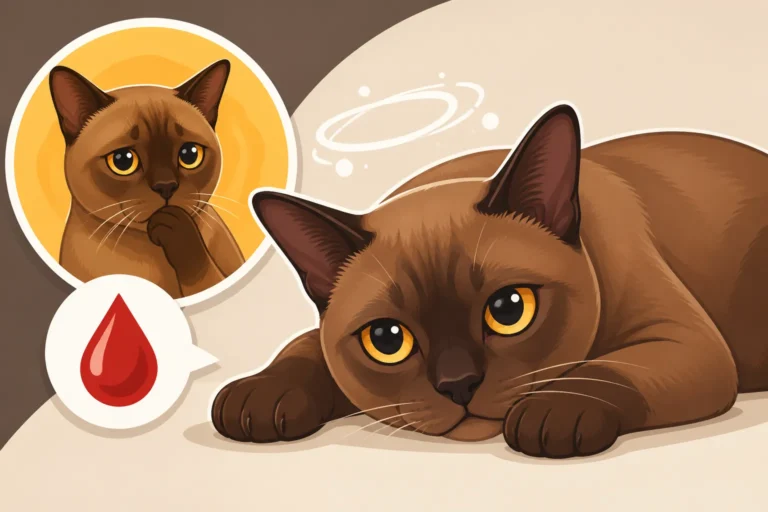
A hypokalemic collapse in a Burmese cat is distinct and often alarming. It's not just a general weakness; it's typically characterized by a sudden inability to use their muscles effectively. The most striking symptom is often the inability to lift their head, resulting in the classic "meerkat neck" posture where the head droops forward, or they struggle to keep it upright, extending their neck stiffly. They might try to stand or walk, but their hind legs often give out, causing them to drag themselves or collapse entirely. Their gait might become stiff and uncoordinated before the full collapse, or they might struggle to even get up after lying down. The muscles in their back and limbs can feel unusually firm or even painful to the touch. It's important to differentiate this from a general lethargy or simply being tired. A hypokalemic collapse is a sudden, noticeable loss of motor function. They may also appear disoriented, have tremors, or even vocalize in distress. Witnessing "Why a Hypokalemic Burmese Cannot Hold Its Head Up" is often the moment owners realize something is seriously wrong. They might still be mentally alert and try to interact, but their body just won't cooperate.
Emergency Steps During an Episode
If you suspect your Burmese is having a hypokalemic episode, time is of the essence. Your immediate priority is to get them to a veterinarian.
- Stay Calm: It's easier said than done, but panicking won't help your cat. Speak to them in a soothing voice.
- Ensure Safety: Gently move your cat to a safe, quiet, and warm spot where they can't injure themselves. If they're struggling to move, use a blanket or towel to carefully scoop them up and place them in their carrier for transport.
- Contact Your Vet Immediately: Call your veterinarian or the nearest emergency animal hospital as you are preparing to leave. Describe their symptoms clearly: sudden weakness, inability to lift their head, dragging hind legs. This allows the clinic to prepare for your arrival and begin treatment protocols immediately. Don't wait to see if they improve.
- Avoid Oral Potassium Supplements (Unless Directed): While the condition is due to low potassium, giving oral supplements without veterinary guidance can be dangerous. Too much potassium too quickly can be just as harmful as too little.
- Monitor Breathing: Ensure your cat is breathing freely. If they seem to be struggling, mention this immediately to your vet.
Rapid transport to a veterinary clinic for proper diagnosis and treatment is critical for a positive outcome.
The Importance of Rapid Veterinary Intervention
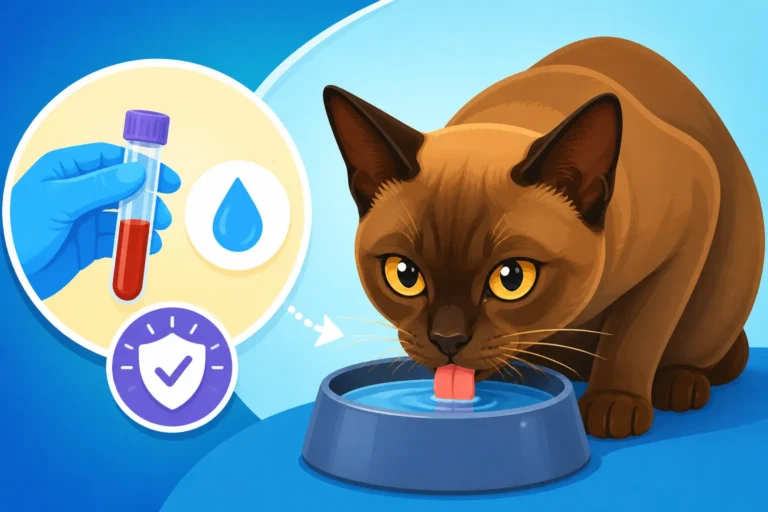
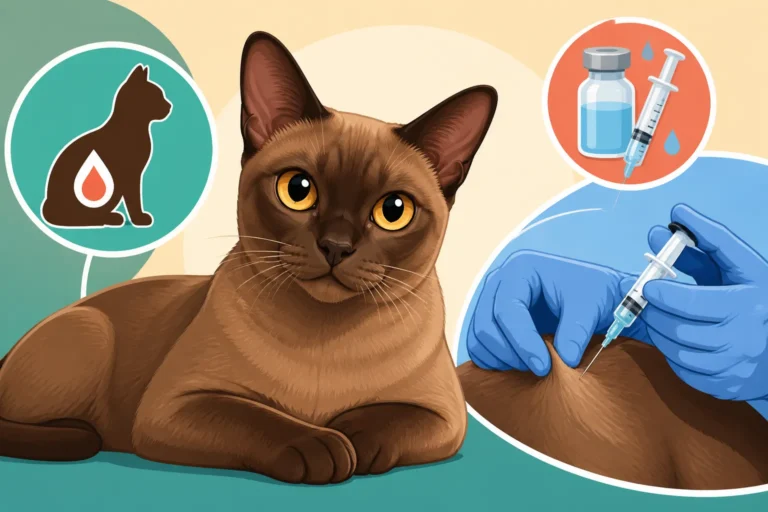
Upon arrival at the vet, rapid intervention is crucial. The veterinarian will typically perform a blood test to measure your cat's potassium levels. This diagnostic step quickly confirms hypokalemia. Once diagnosed, the primary treatment involves administering potassium, usually intravenously (IV) during the acute phase. This allows for a precise and controlled increase in potassium levels, helping to stabilize your cat quickly. The IV fluids also help with hydration and general supportive care. As their potassium levels rise, you'll often see a dramatic improvement in their ability to move and lift their head, which is incredibly reassuring for concerned owners.
Following the initial stabilization, your vet will likely prescribe oral potassium supplements for ongoing management at home. It’s not just about treating the immediate crisis; it's about establishing a long-term plan to prevent future episodes. Your vet will also advise on dietary changes, as some foods might exacerbate potassium loss. "How a Vet Treats a Burmese Hypokalemic Episode" explains this process in detail. Without quick veterinary attention, severe hypokalemia can lead to serious complications, including respiratory distress or even heart issues, making swift action paramount.
Living with a Hypokalemic Burmese: Long-Term Management
Once your Burmese has had a hypokalemic episode, it becomes clear that this is a condition requiring ongoing, dedicated management. It's a commitment, but one that allows your beloved cat to live a full and happy life.
Ongoing Care and Potassium Supplementation
Living with a hypokalemic Burmese means committing to a routine of careful observation and, most likely, daily potassium supplementation. Your veterinarian will prescribe a specific form of potassium, often potassium gluconate, which comes as a powder or a gel that you can mix into their food. Consistency is absolutely key here – missing doses can lead to a relapse. This isn't a "sometimes" medication; it's a "every single day, without fail" medication.
You'll also need to be vigilant about monitoring for any subtle signs of weakness or changes in behavior, as these could indicate that their potassium levels are dipping again. Keeping a detailed log of their energy levels, appetite, and any observed stiffness or head droop can be incredibly helpful for your vet. Regular follow-up vet visits and blood tests will be necessary to ensure their potassium levels remain within a healthy range, especially when first starting treatment or if the dosage is adjusted. It’s a bit of a balancing act, making sure they get enough potassium without accidentally giving too much. Your vet will guide you through this process, which ensures "What Potassium Supplementation Does for a Burmese" is truly effective.
Monitoring and Preventing Future Episodes
Preventing future hypokalemic episodes is a multi-faceted approach that goes beyond just giving supplements. It involves proactive management of their environment and lifestyle. Firstly, regular veterinary check-ups are essential. These appointments aren't just for refills; they're for blood tests to check potassium levels, assess kidney function, and ensure there are no other underlying issues contributing to the problem. Your vet might recommend bloodwork every few months initially, then perhaps once or twice a year once the condition is stable.
Secondly, managing stress is paramount, as we discussed earlier. Try to maintain a stable, predictable routine for your cat. Minimize sudden changes in their environment, and provide plenty of safe, quiet spaces where they can retreat if they feel overwhelmed. Gentle, consistent play is fine, but avoid overly strenuous or prolonged exercise that might deplete their reserves. Consider the specific dietary recommendations from your vet, as some diets can be more beneficial for potassium management. Remember, even with diligent care, some cats might still have occasional minor episodes, so always have your vet's emergency contact information readily available. This proactive care significantly contributes to "Whether a Hypokalemic Burmese Lives a Normal Life".
Financial Considerations and Insurance
Managing a chronic condition like hypokalemia does come with financial implications, and it's essential for owners to be prepared. The initial emergency vet visit for a collapse can be costly, often involving blood tests, IV fluids, hospitalization, and possibly diagnostic imaging to rule out other issues. Beyond the emergency, there are ongoing costs for potassium supplements, which can range from $20-$50 per month, depending on the dosage and product. Then, factor in the regular follow-up veterinary appointments and blood tests for potassium monitoring, which can add up to several hundred dollars a year.
For owners considering or already having a Burmese, pet insurance can be a real lifesaver. Companies like Healthy Paws offer comprehensive plans that can help offset the significant costs of ongoing care. While most policies have waiting periods and may not cover pre-existing conditions, if you get insurance before any symptoms appear or before diagnosis, it can provide invaluable peace of mind. It’s worth looking into policies and understanding their terms carefully. The long-term costs of a chronic condition mean that the total expense for "How Much a Burmese Costs Over Sixteen Years" will be significantly higher for a hypokalemic cat. Even if hypokalemia might be a pre-existing condition, other unexpected health issues can arise, making insurance a wise investment. Discussing your options with providers like Healthy Paws and understanding "Whether a Burmese Can Be Insured" is a crucial part of responsible pet ownership.
Hypokalemia at a Glance: Age, Triggers, and Care
Here's a quick reference table summarizing key aspects of hypokalemia in Burmese cats:
| Aspect | Details |
|---|---|
| Typical Onset Age | Primarily 3 to 6 months of age, can extend up to 1 year. |
| Early Signs | Mild weakness, stiff gait, reluctance to jump, unusual tiredness, difficulty lifting head. |
| Collapse Symptoms | Sudden inability to walk or stand, 'meerkat neck' (head drooping or unable to lift), hind leg weakness, tremors, disorientation. |
| Common Triggers | Stress (environmental changes, vet visits), intense physical exertion/play, growth spurts, concurrent illness. |
| Emergency Action | Immediate vet visit, describe symptoms, ensure safe transport. Avoid self-medicating potassium. |
| Vet Treatment | IV potassium (acute phase), blood tests, oral potassium gluconate (long-term), dietary advice, hydration. |
| Long-Term Prognosis | Many kittens improve or 'grow out' of severe episodes by adulthood, but lifelong monitoring and potential supplementation may be needed. |
| Genetic Basis | Autosomal recessive trait (WNK4 mutation). Carriers exist, proper breeding practices are crucial. |
Disclaimer
The information provided in this article is for educational and informational purposes only, and does not constitute veterinary advice. Always consult with a qualified veterinarian for any health concerns or before making any decisions related to your pet's care.