Why a Burmese Loses Teeth in Its Teens
It’s a tough truth that as our beloved Burmese cats gracefully enter their senior years, often into their mid-teens, we start seeing signs of age. One of the most heartbreaking and often painful realities is the progression of dental disease, leading to them losing teeth. This guide is dedicated to exploring why this happens to our sweet, muscular companions and what we, as their devoted caregivers, can do to understand, prevent, and manage this common but distressing issue.
The Inevitable March of Time and Oral Health in Senior Burmese
Just like us, our cats experience wear and tear as they age, and their oral health is certainly no exception. Burmese cats are known for their longevity, often gracing our lives for sixteen to eighteen years, which means their teeth and gums have been hard at work for a very long time. While it might seem like a simple part of aging, the changes in a senior Burmese’s mouth are complex and can significantly impact their comfort and overall health.
Age-Related Wear and Tear on Teeth
Think about how many meals your Burmese has enjoyed, how many toys they’ve enthusiastically chewed, and how many times they’ve playfully nipped at your fingers or a sibling. All of this daily activity, over fifteen or more years, naturally takes a toll on their dental structures. The enamel, which is the protective outer layer of the tooth, can gradually thin and weaken. This makes teeth more susceptible to damage and decay.
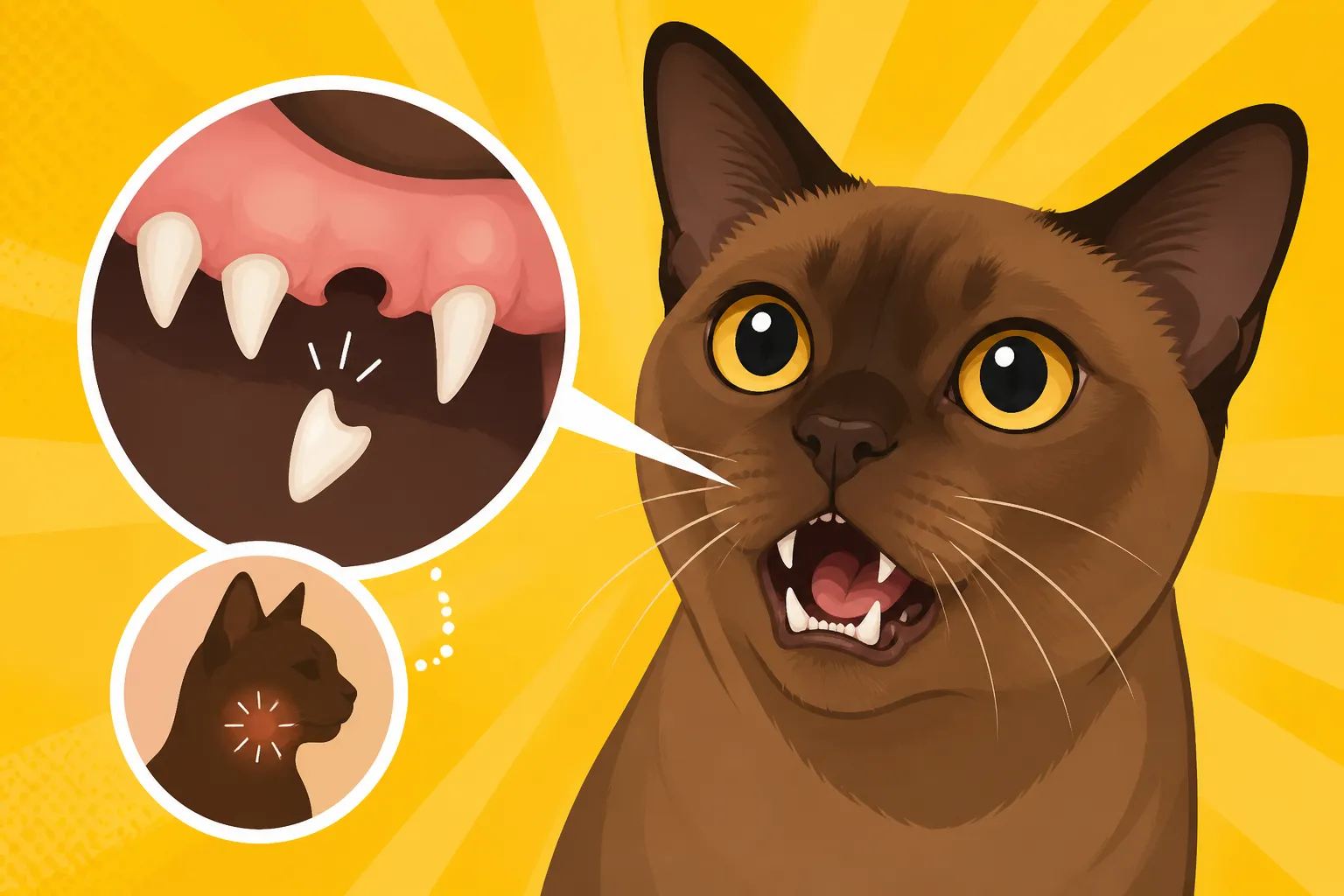
Beyond the physical abrasion, the ligaments that hold teeth firmly in their sockets can also lose their elasticity and strength over time. This natural loosening effect can make teeth more prone to falling out, even in the absence of severe infection. It's not always a dramatic event; sometimes you might just find a tooth on the floor, or notice a gap where one used to be during a cuddle session. This gradual degradation is a quiet process, often hidden until a larger problem arises.
Reduced Immune Response and Gum Resilience
As our Burmese friends age, their immune systems naturally become a little less robust. This means they're not as efficient at fending off the constant barrage of bacteria that reside in the mouth. These bacteria are always present, forming plaque, which then hardens into tartar or calculus. A youthful, vigorous immune system can often keep these bacterial populations in check, but an older system might struggle.
This diminished immune response directly impacts the health and resilience of the gums. Healthy gums are pink, firm, and tightly hug the teeth, acting as a barrier against bacteria. In an older Burmese, the gums might become more fragile, prone to inflammation (gingivitis), and less effective at regenerating healthy tissue. This creates a vicious cycle where inflammation becomes chronic, further weakening the gum tissue and making it easier for bacteria to penetrate beneath the gumline, leading to deeper, more destructive forms of periodontal disease. It's like the protective fortress around their teeth starts to crumble, leaving them vulnerable.
The Silent Culprits: Periodontal Disease and Resorptive Lesions
While general aging plays a role, the primary reasons a Burmese cat loses teeth in its teens are specific oral diseases, particularly periodontal disease and Feline Odontoclastic Resorptive Lesions (FORLs). These conditions are incredibly common in older cats and, unfortunately, often go unnoticed until they're quite advanced and painful.
Periodontal Disease Progression
Periodontal disease is by far the most common oral health issue in cats, and Burmese cats are certainly not immune. It begins innocently enough with plaque, a sticky film of bacteria, food particles, and saliva that forms on the tooth surfaces. If plaque isn't removed, it mineralizes into hard calculus (tartar), which acts as a rough surface for more plaque to accumulate. This is where the real trouble starts.
The calculus irritates the gums, leading to gingivitis – inflammation of the gums. You might notice redness, swelling, or even a little bleeding along the gumline. If left unchecked, gingivitis progresses to periodontitis, which is much more serious. At this stage, the infection spreads below the gumline, attacking the supporting structures of the tooth: the periodontal ligament and the bone of the jaw itself. Bacteria, toxins, and inflammation destroy these tissues, creating "pockets" around the teeth where more bacteria can flourish. This bone loss and ligament destruction ultimately lead to loose teeth, infection, and eventually, tooth loss. Many Burmese owners will notice that their cat's gums seem to be receding, which is a key sign that these deeper issues are at play, as discussed in Why a Burmese's Gums Recede Early. Understanding How Gum Disease Progresses in a Burmese is crucial for early intervention.
Feline Odontoclastic Resorptive Lesions
This mouthful of a name, often shortened to FORLs, is a particularly nasty and common dental problem in cats, affecting well over half of all cats over the age of five. Unlike periodontal disease, which attacks the supporting structures around the tooth, FORLs involve the progressive destruction of the tooth structure itself. Imagine tiny, erosive holes forming on the tooth, usually starting at the gumline, and slowly eating away at the dentin and even the root. These lesions are incredibly painful because they expose the sensitive inner pulp of the tooth, where nerves and blood vessels reside.
What makes FORLs so insidious is that they are often hidden. They can occur on any tooth and frequently start below the gumline, making them invisible during a routine awake examination. Your Burmese might be silently suffering, even if their visible teeth look relatively clean. The only definitive way to diagnose FORLs is through dental X-rays performed under anesthesia. Once a tooth is affected by a FORL, it cannot be saved and must be extracted to alleviate the excruciating pain. Many times, what seems like just a loose tooth due to age is actually a tooth being destroyed by one of these lesions, necessitating veterinary care and often, financial support from an insurance provider like Healthy Paws.
Contributing Factors and Proactive Prevention
While age and genetics play a role in dental health, there are many factors within our control that can significantly impact whether a Burmese cat experiences painful tooth loss in its later years. It’s all about being proactive and consistent, starting long before their teens.
The Impact of Diet and Lifestyle
What your Burmese eats can have a profound effect on their dental health. While dry kibble is often touted as being "good for teeth" because of its abrasive action, the truth is a bit more nuanced. Many commercial dry foods are high in carbohydrates, which can contribute to plaque formation. More importantly, the mild abrasive action of kibble often only cleans the very tips of the teeth, leaving the critical gumline area untouched where periodontal disease begins. This is why for a breed like the Burmese, where health issues like diabetes are a concern, Feeding a Burmese Is a Medical Decision, Not a Preference becomes paramount, and a low-carbohydrate, wet-food-centric diet is often recommended for overall health, which coincidentally also reduces food particles clinging to teeth.
Free-feeding, where food is left out all day, also exacerbates dental issues. Constant grazing means that bacteria in the mouth always have a fresh supply of carbohydrates to feed on, leading to more plaque and acid production. This is precisely Why a Burmese Should Never Be Free Fed, not just for weight management but for oral hygiene. A routine of two measured meals a day allows the mouth to "rest" between meals, reducing bacterial growth. Toys that encourage chewing can help to some extent by mechanically cleaning teeth, but they are never a substitute for direct dental care.
The Importance of Consistent Oral Care
This is where owners truly make a difference. The gold standard for preventing dental disease is regular, professional dental cleanings under anesthesia, combined with at-home care. A professional dental cleaning allows the vet to thoroughly scale plaque and tartar from above and below the gumline, polish the teeth, and perform crucial dental X-rays to check for problems like FORLs and bone loss that aren't visible to the naked eye. The frequency of these cleanings will vary, but many Burmese, especially those predisposed to dental issues, may benefit from them every one to three years. For more guidance on this, consider How Often a Burmese Needs a Dental is a valuable resource.
But it’s not just about what happens at the vet. Daily brushing at home is incredibly effective. Starting when your Burmese is a kitten, as early as twelve weeks, can make a huge difference, as outlined in Brushing a Burmese's Teeth From Twelve Weeks. Even if your adult Burmese isn't keen on a full brush, simply getting a soft, cat-specific toothbrush or a finger brush into their mouth with pet toothpaste (never human toothpaste!) for even a few seconds on key teeth can significantly reduce plaque buildup. Think of it as cumulative care – every little bit helps. The earlier you start and the more consistent you are, the better chance your Burmese has of keeping its teeth healthy well into its teens.
Genetic Predispositions and Breed-Specific Traits
While specific genes for general periodontal disease in Burmese cats are not as clearly defined as for, say, their diabetes risk, breed certainly plays a role in susceptibility. Some breeds are known to have tighter-fitting teeth or slightly different jaw structures that can predispose them to dental issues. The Burmese's relatively short, broad muzzle means their teeth are often packed more closely together, creating more nooks and crannies for plaque and tartar to accumulate.
Furthermore, individual genetic factors can influence the strength of their tooth enamel, the resilience of their gums, and even their immune response to oral bacteria. While we can't change our cat's genetics, being aware of their breed's general predispositions means we can be extra vigilant with preventative care. It also highlights the importance of choosing a reputable breeder who focuses on the overall health and longevity of their lines, and is transparent about any observed health trends, including dental health.
Recognizing the Signs and Seeking Intervention
It’s often said that cats are masters at hiding pain, and this is especially true when it comes to dental issues. A Burmese, with its incredibly affectionate and resilient nature, may purr and cuddle its way through significant oral discomfort, making it even harder for us to spot a problem. But by knowing what to look for, we can be their best advocates.
Subtle Clues of Oral Pain
Dental pain can manifest in a myriad of subtle ways that might not immediately scream "mouth problem." One of the most common signs is a change in eating habits. Your Burmese might suddenly start dropping food, especially hard kibble, or become more hesitant to eat. They might chew on one side of their mouth, approach the food bowl, then walk away, or prefer only soft, wet food. If you notice your Burmese dropping food, it's a critical sign that warrants immediate veterinary attention, as detailed in Why a Burmese That Drops Food Needs Its Mouth Checked.
Beyond eating, look for behavioral changes. Increased drooling, bad breath (often described as truly foul or putrid, not just "cat breath"), pawing at the mouth, rubbing their face against furniture, or a reluctance to have their head touched can all be indicators. Sometimes, their grooming habits might change – they might groom less if it’s painful to hold their head or mouth in certain positions, or conversely, groom excessively around their face. Weight loss, although often subtle at first, can also occur if eating becomes too painful. Remember, our affectionate Burmese are masters of hiding discomfort, so any deviation from their normal playful, interactive selves, as discussed in Why a Burmese Hides Illness Behind Its Affection, should be taken seriously.
The Vet's Role and Treatment Options
If you suspect your Burmese is suffering from dental issues, a trip to the veterinarian is essential. The vet will perform an initial oral exam, but it’s important to understand that a thorough examination, including probing the gumline and taking X-rays, requires anesthesia. This is because cats won't tolerate a probe being inserted into painful gum pockets or having their mouth held open for detailed X-rays while awake.
Under anesthesia, the vet can get a complete picture of your cat's oral health. They'll scale and polish the teeth, just like a human dental cleaning, and critically, take full-mouth dental X-rays. These X-rays are paramount for identifying issues hidden below the gumline, such as bone loss due to periodontal disease or the insidious Feline Odontoclastic Resorptive Lesions. If significant periodontal disease or FORLs are found, extractions may be necessary. While pulling teeth might sound drastic, it's often the kindest thing to do for painful, diseased teeth. Cats adapt incredibly well to living without some or even many of their teeth, experiencing immense relief once the source of chronic pain is removed. Before any anesthetic procedure, your vet will likely recommend Whether a Burmese Needs Pre Anesthetic Bloodwork to ensure they are healthy enough for the procedure. When faced with the prospect of multiple dental procedures, the cost can be a real concern for owners. This is where pet insurance, like a comprehensive plan from Healthy Paws, can be an absolute lifesaver, helping to cover a significant portion of these necessary, but often expensive, treatments.
Post-Extraction Care and Long-Term Management
After dental surgery involving extractions, your Burmese will need some careful post-operative care. This usually involves pain medication and antibiotics. A soft-food diet will be essential for a week or two to allow the extraction sites to heal without irritation. Most cats recover remarkably quickly from extractions, often showing a renewed vigor and appetite once the chronic pain is gone. It's truly amazing to see the transformation in a cat that has been silently enduring dental agony for months or even years.
Long-term management will focus on preventing further issues. This means maintaining a consistent routine of professional dental check-ups, even if fewer teeth remain. Regular at-home care, even if it's just a quick wipe of the remaining teeth, is still beneficial. Dietary choices, leaning towards softer foods and low-carbohydrate options, will continue to be important. For an older Burmese, especially one with receding gums, these dietary adjustments can make a world of difference in their comfort and quality of life, as highlighted in What an Old Burmese Needs Once Its Gums Recede. Regular vet visits will also help monitor for other age-related issues, ensuring your beloved cat continues to thrive.
Here's a quick look at common dental issues and how to spot them:
| Symptom / Observation | Possible Issue | What to Do |
|---|---|---|
| Bad breath (halitosis) | Periodontal disease, infection | Vet check-up, professional dental cleaning |
| Red, swollen, or bleeding gums | Gingivitis, early periodontal disease | Vet check-up, increase at-home brushing if tolerated |
| Dropping food, chewing on one side | Pain, loose tooth, FORL, severe gum disease | Urgent vet visit, likely dental X-rays under anesthesia |
| Visible tartar buildup | Plaque mineralization, risk of gum disease | Professional dental cleaning |
| Pawing at mouth, rubbing face | Pain, foreign object, advanced dental disease | Vet check-up |
| Weight loss, decreased appetite | Severe dental pain, other underlying illness | Urgent vet visit |
| Finding a tooth | Advanced periodontal disease, FORL | Vet visit to assess remaining teeth |
| Receding gums | Periodontal disease, bone loss | Vet check-up, discussion on intervention |
This proactive approach not only saves your Burmese from unnecessary pain but can also save you significant veterinary costs in the long run. Many pet insurance plans, like those from Healthy Paws, emphasize wellness and preventative care, making it easier to afford these essential procedures.
Navigating Dental Care Throughout a Burmese's Lifespan
Understanding that dental health is a lifelong journey for your Burmese, not just a concern for their senior years, is key to their well-being. From kittenhood to their golden years, consistent attention to their oral hygiene can prevent many painful problems and save their teeth.
Starting Early: Foundation for Lifetime Oral Health
The foundation for good dental health in a Burmese cat is laid during kittenhood. While it might seem premature to worry about dental disease in a tiny fluffball, this is the ideal time to introduce them to oral care routines. Gently touching their mouth, lifting their lips, and even briefly rubbing their gums with your finger can desensitize them to mouth handling. This makes it far easier to introduce a toothbrush and cat-specific toothpaste later on. This early habituation is a major contributor to how many dental cleanings a Burmese needs in a lifetime.
Moreover, good nutrition from the start, focusing on high-quality, species-appropriate food, supports overall health, including strong teeth and gums. Regular vet checks during kittenhood and their first year also provide opportunities for your vet to assess their developing mouth, check for any abnormalities, and guide you on the best preventative strategies. It's an investment in their future comfort and health.
Mid-Life Maintenance: Keeping Ahead of the Curve
As your Burmese enters its adult years (roughly between 1 and 7), it’s crucial to maintain that proactive approach. This period is often where the silent progression of periodontal disease begins in earnest. Without regular intervention, plaque and tartar can accumulate steadily, setting the stage for significant problems in their teens.
Annual vet check-ups should always include a thorough oral exam. Discuss with your vet whether a professional dental cleaning is warranted based on their oral health status. Some cats may need one every few years, others less frequently, depending on genetics, diet, and at-home care. This is also the time to reinforce daily tooth brushing if you haven't already. Remember, consistency is more important than perfection. Even if you can only manage a minute or two a few times a week, you're making a huge positive impact. These preventative measures, while an upfront investment in time and money, are often far less costly and stressful than treating advanced dental disease later on. A robust pet insurance policy, such as one from Healthy Paws, can also provide peace of mind during these years, knowing that both routine care and unexpected dental issues can be managed without financial strain.
Senior Years: Adapting to Changing Needs
When your Burmese cat reaches its senior years – typically around 10-12 years old and beyond – dental care often shifts from pure prevention to management and comfort. While continued preventative cleanings might still be appropriate for some, others may have existing dental disease or other health conditions that make frequent anesthesia riskier. At this stage, your vet will work with you to balance oral health needs with overall health. For more on general senior care, check out Caring for a Burmese Past Twelve.
The focus might pivot to managing pain, addressing infections, and making dietary adjustments. Softer foods become even more important, especially if multiple teeth have been lost or extracted, or if the remaining teeth are sensitive. Regular pain assessment and medication might be necessary to keep them comfortable. It’s also vital to monitor their eating habits closely and ensure they're still getting adequate nutrition. Keep a close eye on their weight; Why a Burmese's Weight Should Be Recorded Monthly is good advice for all ages, but especially for seniors where weight loss can indicate underlying issues, including dental pain. The goal is always to ensure their remaining years are as comfortable and happy as possible, free from the chronic agony that untreated dental disease can cause.
Disclaimer
This article is intended for informational purposes only and does not constitute medical advice. Always consult with a qualified veterinarian for any health concerns or before making any decisions about your Burmese cat's health and treatment plan. Individual circumstances can vary, and professional guidance is essential.