Why a Burmese That Drops Food Needs Its Mouth Checked
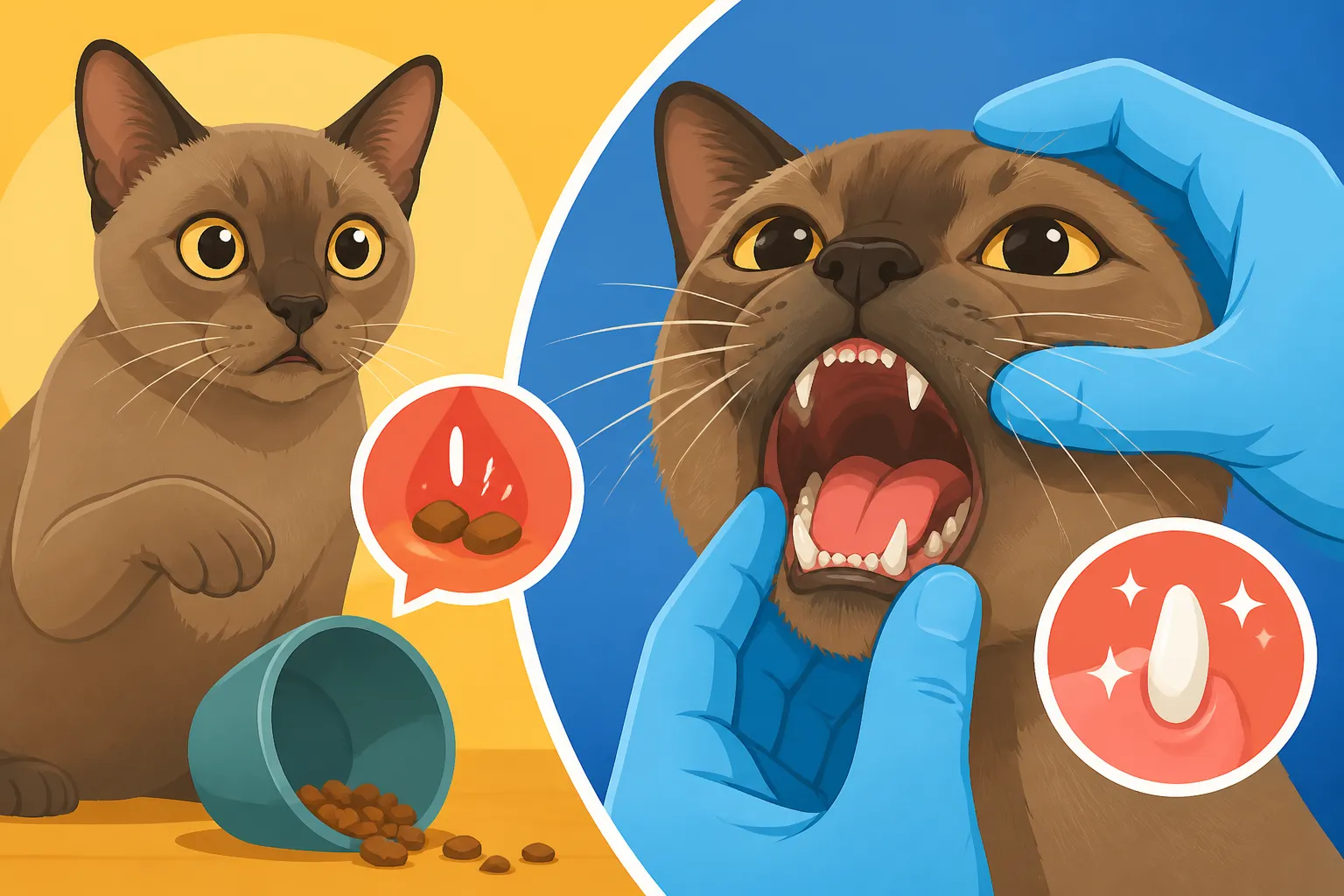
It can be incredibly disheartening, and frankly, a little alarming, when your usually voracious Burmese cat suddenly starts dropping food. One minute they're eagerly approaching their bowl, and the next, bits of their meal are scattering across the floor, or they're chewing gingerly before letting a mouthful fall out. This isn't just a quirky habit; it’s a clear signal that something isn't right in their mouth or even their overall health. This guide will delve deep into why your beloved Burmese might be exhibiting this behavior and, more importantly, what crucial steps you need to take to get them comfortable and healthy again.
Understanding Why Your Burmese Might Be Dropping Food
When a Burmese, known for their enthusiastic appetites and playful nature, begins dropping food, it's a departure from their usual behavior. They are typically efficient eaters, and any change in this routine should immediately catch your attention. This isn't a sign of pickiness; it's a sign of discomfort or difficulty.
The Instinctive Eating Habits of Burmese Cats
Burmese cats, with their robust, muscular build and incredibly social personalities, are generally not finicky eaters. They often approach mealtime with gusto, eagerly consuming their food. Their mouths are designed for efficient tearing and chewing, especially when it comes to wet food or smaller kibble. They have strong jaws and sharp teeth, perfect for processing their meals quickly. When you see a Burmese dropping food, it goes against these natural instincts. It suggests that the act of prehending (picking up), chewing, or swallowing food has become painful or challenging. Imagine trying to eat your favorite meal with a toothache or a sore jaw; you’d likely drop bits too. For our feline friends, it’s no different. They want to eat, but something physically prevents them from doing so comfortably. This isn't them being lazy or rude; it’s a genuine struggle.
Common Misconceptions About Dropping Food
It’s easy to dismiss a dropped piece of food as just a bit of clumsiness, especially with a lively cat like a Burmese. Perhaps you think they're playing, or that they just didn't like that particular bite. However, with a Burmese, this behavior almost always points to a problem. Unlike some breeds that might bat at their food or be notoriously picky, a Burmese is usually all-in for mealtime. If they're dropping food, it’s not because they’re being messy; it's because there's an issue with their mouth that makes eating difficult or painful.
Another common misconception is that if they’re still eating some food, it can’t be that bad. This is a dangerous assumption with cats, particularly Burmese. They are incredibly stoic animals and masters at hiding pain or illness, a trait that makes Why a Burmese Hides Illness Behind Its Affection so important to understand. They might still eat a little out of sheer hunger, but the effort and discomfort are significant. Dropping food is often one of the first visible signs of an underlying oral or systemic issue that has likely been brewing for a while.
Potential Dental Issues Causing Food Dropping
The most frequent culprit behind a Burmese dropping food is almost always a dental issue. Their mouths, like ours, are complex ecosystems, and a problem in one area can quickly affect the entire process of eating.
Gingivitis and Periodontal Disease
Just like humans, cats can suffer from gum disease. Gingivitis is the early stage, characterized by inflamed gums, often red and swollen, and they might even bleed. If you gently lift your Burmese's lip and see bright red lines along the gum line, especially where it meets the tooth, that's gingivitis. It’s painful and can make chewing very uncomfortable. As it progresses, it turns into periodontal disease, where the inflammation spreads beneath the gum line, affecting the bone and ligaments supporting the teeth. This is extremely painful and can lead to tooth loss.
When your Burmese tries to chew, especially on harder food, the pressure on these inflamed gums or compromised tooth structures causes acute pain. They might pick up the food, start to chew, and then drop it because the pain is too intense. You might notice them favoring one side of their mouth or making unusual chewing motions. Ignoring this can lead to severe infection, chronic pain, and eventually, the loss of teeth. Burmese are particularly prone to gum disease, making this a critical area for owners to monitor. Regular vet check-ups, which include a thorough dental examination, are crucial for catching these issues early.
Tooth Resorption in Burmese Cats
Tooth resorption is a terribly common and often agonizing condition that affects many cats, including our beloved Burmese. It’s characterized by the progressive destruction of one or more teeth, starting from the inside out or from the root surface. The body's own cells mistakenly begin to break down the tooth structure. This can be incredibly painful, especially as the lesion progresses and exposes the sensitive dentin or even the pulp chamber of the tooth.
Imagine having a cavity that's constantly throbbing, or a deep crack in your tooth. That's likely what a cat with tooth resorption experiences. When they bite down, particularly on something hard, it puts immense pressure on these damaged areas, causing sharp, excruciating pain. This pain is a primary reason a Burmese might drop food or refuse to eat certain textures. How Tooth Resorption Shows Up in a Burmese can sometimes be subtle, making it hard for owners to spot without a veterinarian's keen eye and often, dental X-rays. Because the lesions are often beneath the gum line, a visual inspection alone might not reveal the full extent of the damage. If your Burmese is dropping food, tooth resorption should be high on the list of possibilities for your vet to investigate.
Fractured or Loose Teeth
Accidents happen, even in the safety of your home. A fall, biting down on something too hard, or even vigorous play can lead to a fractured or chipped tooth. Depending on the severity of the fracture, it can expose the sensitive inner pulp of the tooth, leading to intense pain and infection. Similarly, advanced periodontal disease can loosen teeth in their sockets. A loose tooth, even if not infected, makes chewing very difficult and uncomfortable.
When a Burmese tries to chew with a fractured or loose tooth, the movement can cause a jolt of pain, leading them to quickly drop the food. You might also notice them tilting their head while eating, trying to use the "good" side of their mouth. Sometimes, a fractured tooth can be obvious if you can get a good look inside their mouth, but often, it's a subtle crack that only a vet can properly diagnose, especially with dental radiography. Keep an eye out for any unusual head tilts or changes in how your cat approaches their food, as these can be silent indicators of a painful tooth.
Other Medical Conditions to Consider
While dental issues are the most common cause, dropping food can also be a symptom of broader medical conditions. It’s vital not to overlook these possibilities, as they can sometimes be more serious.
Oral Growths or Lesions
Beyond just teeth and gums, the soft tissues in a cat's mouth can also develop problems. Growths, masses, or even ulcers can make eating incredibly difficult and painful. These could range from benign polyps to more concerning malignant tumors. Any lump or lesion in the mouth can interfere with the mechanical action of chewing and swallowing, leading to food being dropped. Even a small, innocuous-looking growth can cause significant discomfort if it's in an area crucial for eating.
If your vet examines your Burmese's mouth and finds no obvious dental issues, they will then meticulously check the tongue, palate, cheeks, and under the tongue for any abnormalities. Biopsies are often necessary to determine the nature of any growth. Early detection is key for many of these conditions, especially if they are cancerous. It's another reason why a prompt veterinary visit is so important when food dropping starts.
Neurological Issues Affecting Chewing
Though less common, neurological problems can sometimes manifest as difficulty eating or dropping food. Conditions affecting the nerves that control the jaw, tongue, or swallowing muscles can impair a cat's ability to properly prehend, chew, and swallow food. This could be due to nerve damage, a brain tumor, or other neurological disorders. In such cases, the cat might appear uncoordinated with its mouth, or simply unable to manipulate the food effectively.
While a cat with a neurological issue might not be experiencing pain, the inability to eat properly is distressing for them. They might try repeatedly, only for the food to fall out, leading to frustration and potential weight loss. If dental and oral soft tissue problems are ruled out, your veterinarian might consider neurological examinations, including observing your cat's gait, reflexes, and overall coordination. This would involve a much more in-depth diagnostic process, possibly including advanced imaging like an MRI.
Other Systemic Illnesses Presenting with Oral Symptoms
Sometimes, food dropping can be a secondary symptom of a systemic illness that affects a cat's overall health and appetite. For example, conditions like chronic kidney disease or diabetes can lead to oral issues or a general feeling of malaise that impacts eating. Cats with kidney disease can develop uremic stomatitis, where toxins build up in the blood and cause painful ulcers in the mouth. Similarly, certain cancers or even severe infections elsewhere in the body can cause a cat to feel too unwell to eat properly, leading to a weak or uncoordinated attempt at eating, and subsequently, dropping food.
It’s crucial for your vet to perform a full physical examination and potentially blood tests to rule out these underlying systemic diseases. For example, Which Blood Panel a Burmese Should Have Yearly is vital for monitoring general health and catching early signs of kidney or liver issues. A comprehensive approach ensures that the root cause of the food dropping is identified, rather than just treating the symptom. This holistic view is particularly important for a breed like the Burmese, who can be prone to certain health conditions.
What to Expect at the Vet and How to Prepare
When you notice your Burmese dropping food, a trip to the veterinarian is non-negotiable. Don't delay, as early intervention can make a significant difference in outcomes and prevent unnecessary suffering.
The Importance of a Thorough Oral Exam
When you bring your Burmese in, your vet will start with a thorough physical examination, paying close attention to the head and neck. However, a truly comprehensive oral exam in a cat, especially one experiencing pain, often requires sedation or even general anesthesia. Why? Because cats are incredibly good at hiding pain, and they won't willingly let a vet poke and prod a sore tooth or inflamed gum. Trying to force a conscious cat to open its mouth wide enough for a proper inspection is stressful for everyone and won't yield accurate results.
Under sedation or anesthesia, the vet can perform a detailed visual inspection of every tooth surface, the gums, the tongue, the roof of the mouth, and the throat. They will use a dental probe to check for gum pockets, tooth mobility, and any signs of lesions or growths. Critically, dental X-rays are almost always necessary. How Many Dentals a Burmese Needs in a Lifetime often involves these X-rays, as many dental problems, like tooth resorption, lie hidden beneath the gum line and are invisible to the naked eye. Without X-rays, a significant amount of dental disease can be missed. So, while the idea of anesthesia can be daunting, it’s a necessary step for an accurate diagnosis and effective treatment.
Diagnostic Steps and Treatment Options
Once your Burmese is under anesthesia and a thorough oral exam (with X-rays) has been performed, your vet will have a clearer picture of the problem.
- For Gingivitis/Periodontal Disease: The primary treatment is a professional dental cleaning, scaling, and polishing, similar to what you'd get at your dentist. This removes plaque and tartar buildup both above and below the gum line. For more advanced periodontal disease, extractions of severely affected teeth might be necessary to eliminate pain and infection. Your vet might also prescribe antibiotics if there's a significant infection.
- For Tooth Resorption: Unfortunately, there's no cure for tooth resorption. The affected tooth or teeth must be extracted to alleviate the pain. Sometimes, if the resorption is very superficial and confined to the crown, a special dental filling might be considered, but extraction is the most common and effective solution for pain relief.
- For Fractured/Loose Teeth: If a tooth is fractured and the pulp is exposed, a root canal might be an option if the fracture is clean and caught early, but often extraction is the more practical and cost-effective solution for pet owners. Loose teeth due to advanced periodontal disease will typically need to be extracted.
- For Oral Growths: If a growth is found, a biopsy will be taken to determine if it's benign or malignant. Treatment will depend on the diagnosis, ranging from surgical removal to more complex treatments like radiation or chemotherapy for cancerous masses.
- For Systemic/Neurological Issues: If the oral exam is clear, your vet will pursue blood tests, urine tests, or potentially advanced imaging (like an MRI) to diagnose systemic illnesses or neurological conditions. Treatment will then be tailored to the specific underlying disease.
Many owners worry about how their cat will manage without several teeth. Rest assured, cats do incredibly well after extractions. Removing painful teeth vastly improves their quality of life, allowing them to eat comfortably again. They don't chew like humans; they primarily tear and swallow. Often, once the source of pain is gone, their appetite and demeanor improve dramatically.
When considering the cost of these procedures, it's wise to plan ahead. Pet insurance, like that offered by Healthy Paws, can be an absolute lifesaver for unexpected dental issues or underlying illnesses, helping to cover a significant portion of the veterinary bills.
Long-Term Management and Prevention
Addressing the immediate problem is just the first step. Long-term management and prevention are crucial to keep your Burmese's mouth healthy and prevent future issues.
- Diet: Feeding a high-quality, low-carbohydrate wet food is often recommended for overall feline health and can reduce plaque buildup compared to dry kibble, which some believe contributes to dental problems. Why Low Carbohydrate Food Matters for a Burmese extends beyond just dental health; it's critical for managing their predisposition to conditions like diabetes.
- Home Dental Care: Regular home care, like brushing your Burmese's teeth, is the gold standard for preventing dental disease. Starting this as a kitten is ideal, but even adult cats can be trained with patience and positive reinforcement. Whether a Burmese Can Be Brushed at Home is a frequently asked question, and the answer is a resounding "yes!" Special dental wipes, oral rinses, or dental treats can also help, but none replace brushing.
- Regular Vet Check-ups: Annual veterinary visits are essential, not just for vaccinations but for a thorough physical and oral exam. Your vet can spot early signs of dental disease or other issues before they become severe. For a Burmese, considering their predispositions, these regular check-ups are paramount.
- Professional Dental Cleanings: Depending on your Burmese's individual needs and the progression of any past dental issues, your vet might recommend professional cleanings every 1-3 years. This proactive approach can prevent the painful, food-dropping scenarios from recurring.
Proactive care truly is the best medicine when it comes to a Burmese's oral health. By staying on top of it, you can ensure they continue to enjoy their meals and maintain their vibrant, affectionate personalities for years to come.
Proactive Care for Your Burmese's Oral Health
Knowing that your Burmese is particularly susceptible to dental issues, being proactive is key. It’s not just about reacting when a problem arises, but setting up a routine that minimizes their risk of pain and discomfort.
Daily Dental Hygiene at Home
Implementing a daily dental hygiene routine at home is hands down the most effective way to prevent serious dental disease in your Burmese. We know, it sounds daunting – brushing a cat’s teeth! But it’s more achievable than you might think, especially with a cooperative breed like the Burmese. Start slow, introduce the toothbrush or finger brush gradually, and always make it a positive experience with treats and praise. Focus on the outer surfaces of the teeth, as this is where plaque tends to accumulate most. There are cat-specific toothbrushes and enzymatic toothpastes available that are safe for them to swallow.
Beyond brushing, there are other tools that can help. Dental treats, water additives, and oral gels can supplement brushing, but they should never replace it. Always look for products that have the Veterinary Oral Health Council (VOHC) seal of acceptance, which indicates they meet certain standards for reducing plaque and/or tartar. Remember that How Often a Burmese Needs a Dental professionally can be reduced by consistent home care. Even if you can’t manage daily brushing, aiming for a few times a week is far better than nothing at all. This commitment to home care can save your Burmese from a lot of pain and potentially costly dental procedures down the line.
The Role of Diet in Preventing Dental Disease
What your Burmese eats plays a significant role in their oral health, and indeed, their overall well-being. As discussed, Burmese cats are prone to diabetes, making Why Portion Control Is Medical Care in a Burmese and a low-carbohydrate diet essential. High-quality wet food is generally recommended over dry kibble for several reasons. Wet food typically has a higher moisture content, which is better for kidney health, and often has a lower carbohydrate load, which is crucial for managing diabetes risk.
While some believe crunchy kibble helps clean teeth, this is largely a myth. Most kibble shatters before it can effectively scrape plaque off the teeth. In fact, many kibbles are high in carbohydrates, which can contribute to plaque formation. A diet focused on high-protein, low-carbohydrate wet food not only supports their metabolic health but can also be gentler on their gums and teeth, especially if they already have sensitivities. Discuss food choices with your vet to ensure you're providing the best diet to support both their dental and systemic health.
Regular Vet Check-ups and Professional Cleanings
Even with the best home care, regular veterinary check-ups are indispensable. Your vet can spot issues you might miss and perform professional cleanings that address plaque and tartar below the gum line – areas you simply can't reach with a toothbrush. For a Burmese, given their specific health predispositions, annual visits are a minimum. During these visits, your vet will conduct a thorough oral examination and discuss any changes you've noticed in your cat's eating habits.
A professional dental cleaning under anesthesia allows for a meticulous cleaning and scaling, polishing, and crucial dental X-rays. It’s an opportunity to identify and address issues like tooth resorption or early periodontal disease before they become severely painful and necessitate more complex interventions. Your vet will advise you on the appropriate frequency of these professional cleanings based on your Burmese's individual dental health, age, and any previous history of oral problems. Investing in regular preventative care, possibly with the help of a pet insurance plan like those offered by Healthy Paws, is investing in your Burmese's comfort, longevity, and overall quality of life. Don't wait until your cat is dropping food; be proactive.
Disclaimer
This guide is intended for informational purposes only and does not constitute medical advice. Always consult with a qualified veterinarian for any health concerns or before making any decisions about your pet's health or treatment.