How Patellar Luxation Shows in a Burmese
It’s incredibly disheartening when your beloved Burmese, a breed known for its boundless energy and playful antics, starts showing even the slightest hint of discomfort, especially when it affects their mobility. That signature “brick wrapped in silk” athleticism is one of their most endearing qualities, and seeing them struggle to jump or play as freely can be a real worry. This guide is here to shed light on patellar luxation, a joint condition that can affect our feline friends, and specifically how it might manifest in your active Burmese, helping you understand the signs and navigate potential solutions.
Understanding Patellar Luxation in Cats
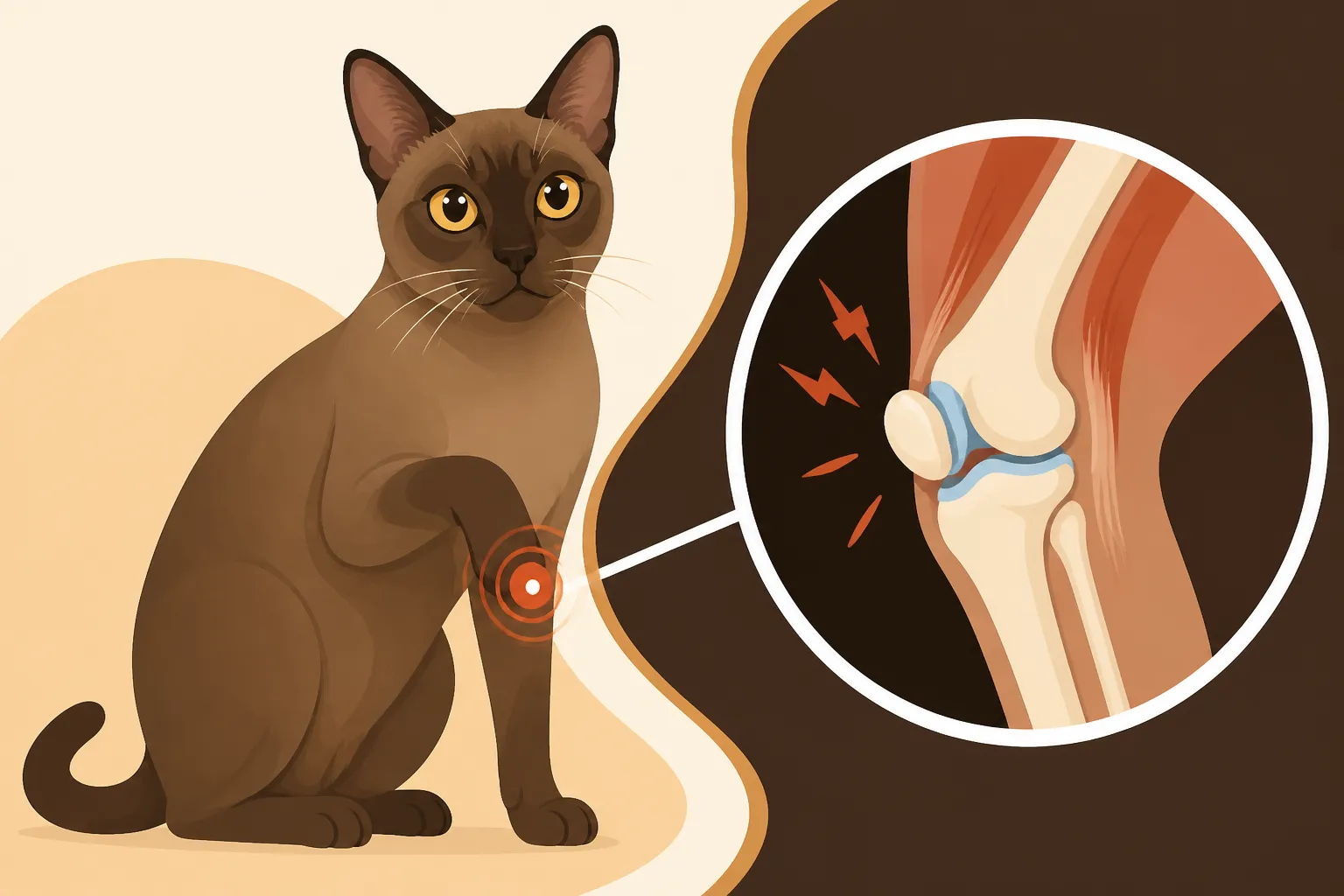
Patellar luxation, often simply called a "slipped kneecap," might sound complex, but it essentially means that your cat's kneecap (patella) moves out of its normal groove (the trochlear groove) at the end of the thigh bone (femur). When you think about how much our Burmese cats love to jump, climb, and race around, a problem with their kneecap can severely impact their quality of life. It’s a condition that can be present from birth, due to genetics, or develop over time due to injury or wear and tear.
The patella itself is a small, sesamoid bone nestled within the quadriceps tendon. It acts like a pulley, helping to extend the knee joint. For a normal knee, the patella glides smoothly up and down in the trochlear groove. When it luxates, it typically slips either to the inside (medial luxation) or, less commonly, to the outside (lateral luxation) of the knee. The severity of luxation can vary greatly, from a kneecap that only occasionally pops out to one that is permanently displaced. This is why some cats might only show intermittent signs, while others suffer from constant lameness. The genetic component is particularly important for breeds like the Burmese; if a cat's parents had poor knee conformation, their offspring are more likely to inherit the predisposition.
Veterinarians often grade patellar luxation on a scale from I to IV:
- Grade I: The patella can be manually luxated but pops back into place on its own. Your cat might show almost no signs, or perhaps just a very occasional skip in their step.
- Grade II: The patella luxates more easily and stays out for longer periods, often popping back in with manipulation or when the leg is extended. You might notice a more frequent skip, or your cat might hold their leg up for a few steps.
- Grade III: The patella is luxated most of the time but can be manually returned to its normal position, though it often reluxates immediately. This grade usually comes with more consistent lameness and discomfort.
- Grade IV: The patella is permanently luxated and cannot be manually repositioned. This is the most severe grade, often resulting in significant lameness, pain, and a severely compromised gait.
For a breed like the Burmese, renowned for its agile and acrobatic nature, even a mild luxation can be more noticeable than in a less active cat. Their compact, muscular build and strong bone structure are typically a hallmark of health, but like any breed, they can have predispositions. We know from studies that some breeds are simply more susceptible to patellar luxation due to the shape and alignment of their bones. This can be a tough pill to swallow when you've chosen a Burmese for their vitality, but understanding the risk is the first step in protecting them.
Recognizing the Signs of Patellar Luxation in Your Burmese
One of the challenging aspects of feline health is that cats are masters at hiding pain and illness. Your affectionate Burmese might try to tough it out or just subtly alter their behavior, making it tricky to pinpoint exactly what's wrong. This is particularly true with conditions like patellar luxation, where the signs can be intermittent at first. Understanding Why a Burmese Hides Illness Behind Its Affection is crucial for any owner.
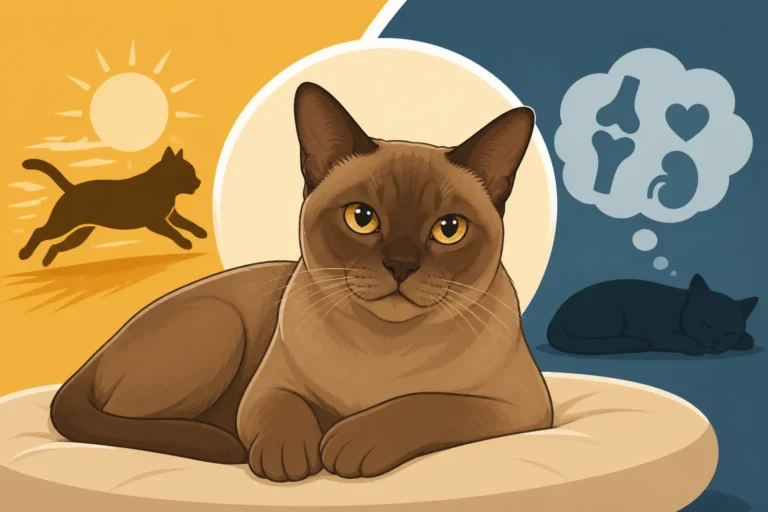
In the early stages, you might notice very subtle changes. Perhaps your Burmese skips a step or two, briefly holding up a hind leg before putting weight back on it, almost as if they're shaking something off their paw. This is often called a "bunny hop" gait, where they try to keep the affected leg from bearing weight, leading to both hind legs moving simultaneously. You might observe a reluctance to perform their usual impressive leaps onto high surfaces like cat trees, counters, or your shoulder. Instead of effortlessly scaling these heights, they might hesitate, look for lower intermediate steps, or abandon the attempt altogether.
As the condition progresses or becomes more severe, the symptoms become more apparent:
- Persistent Lameness: Instead of just a momentary skip, your Burmese might have a noticeable limp that doesn't resolve, especially after periods of rest or strenuous play.
- Audible Clicking or Popping: You might hear a distinct click or pop when your cat walks or moves their knee, which is the sound of the patella moving in and out of its groove.
- Pain Response: While Burmese are stoic, direct palpation of the knee might elicit a pain reaction – they might flinch, pull away, or even vocalize with their characteristic rasping rumble.
- Swelling: In some cases, inflammation around the knee joint can cause noticeable swelling.
- Reluctance to Play: Given that A Burmese Is Still Playing at Fifteen, a sudden decrease in their desire to engage in their favorite games, chase toys, or wrestle with housemates should always raise a red flag. If your usually boisterous cat is spending more time resting or avoiding interactions, it's a strong indicator of discomfort.
It’s important to remember that these signs can also be indicative of other orthopedic issues, such as arthritis, sprains, or even nerve problems. This is why a proper veterinary diagnosis is absolutely essential. For instance, How Arthritis Shows in a Burmese That Still Plays can present with similar lameness, highlighting the need for a vet to differentiate the cause. Don't try to self-diagnose; instead, schedule an appointment with your vet as soon as you notice any persistent changes in your Burmese’s gait or activity levels.
Diagnosis and Management for a Burmese with Patellar Luxation
When you bring your Burmese to the vet with concerns about their mobility, they'll start with a thorough physical examination. This typically involves observing your cat’s gait, watching how they move, sit, and stand. Then, the vet will gently palpate the knee joint, trying to manually push the patella out of its groove. This manipulation helps them assess the degree of luxation and whether it returns to place on its own. They might flex and extend the leg, listening for any clicks or feeling for instability.
If patellar luxation is suspected, X-rays are usually the next step. While X-rays don't directly show the kneecap slipping, they provide crucial information about the overall alignment of the limb, the depth of the trochlear groove, and any signs of arthritis or other skeletal abnormalities that might be contributing to the problem. These images help confirm the diagnosis and determine the best course of action. It’s a good idea to ensure your Burmese has had a comprehensive baseline check, ideally covered by What a Burmese Kitten's First Exam Should Cover early on.
Management Options:
The treatment plan for patellar luxation depends heavily on its severity (grade) and how much it's impacting your Burmese's quality of life.
-
Conservative Management: For Grade I and many Grade II cases, especially if your cat isn't in significant pain, conservative management is often recommended.
- Weight Control: This is paramount. Extra weight puts undue stress on all joints, especially compromised ones. Keeping your Burmese at a healthy, lean weight can significantly reduce symptoms and slow progression. Remember that Why Weight Is the Only Lever a Burmese Owner Has for their overall health. Regular weighing is key, and Why a Burmese's Weight Should Be Recorded Monthly helps monitor this.
- Pain Management: Your vet might prescribe anti-inflammatory medications (NSAIDs) to reduce pain and swelling, especially during flare-ups. Never give over-the-counter human pain medications, as many are toxic to cats.
- Joint Supplements: Glucosamine and chondroitin supplements can support joint cartilage health and may help reduce inflammation. Brands like Cosequin or Dasuquin are commonly recommended by vets.
- Controlled Exercise: While you want your Burmese to stay active, high-impact activities might need to be moderated. Gentle, controlled play sessions and preventing excessive jumping can help.
-
Surgical Intervention: For Grade III and IV luxations, or for Grade II cases where conservative management isn't providing sufficient relief, surgery is often the best option to restore proper knee function and prevent long-term complications like severe arthritis.
- Types of Surgery: Surgical techniques aim to realign the patella within its groove. This can involve deepening the trochlear groove (trochleoplasty), moving the attachment point of the patellar ligament (tibial crest transposition), or correcting the alignment of the thigh bone or shin bone.
- Recovery: Post-operative care involves strict rest, pain medication, and often physical therapy. Recovery can take several weeks to months, and it's a significant commitment. However, a successful surgery can dramatically improve your Burmese's quality of life and mobility.
The costs associated with diagnosis and treatment, especially surgery, can be considerable. This is where pet insurance can be a lifesaver. Companies like Healthy Paws offer comprehensive plans that can cover a significant portion of veterinary bills for conditions like patellar luxation. While specific policy details vary, having a good insurance plan can allow you to make medical decisions based on what’s best for your Burmese, rather than solely on your wallet. Looking into Whether a Burmese Policy Is Worth It Once Diabetes Is Excluded can give you insights into broader coverage considerations.
Living with a Burmese with Patellar Luxation and Prevention
Adjusting your home environment can make a big difference for a Burmese dealing with patellar luxation. Consider providing ramps or steps to help them access their favorite perching spots, like windowsills or your bed, reducing the strain of jumping. Ensure their sleeping areas have soft, supportive bedding to cushion their joints. Maintaining a consistent temperature indoors can also be beneficial, as cold can sometimes exacerbate joint discomfort.
When it comes to exercise, the goal is to maintain muscle strength without overstressing the joint. Short, frequent play sessions with toys that encourage horizontal movement rather than high jumps can be ideal. Think wand toys that you drag along the floor, or puzzle feeders that engage their minds without requiring excessive acrobatics. Even though What an Old Burmese Still Wants to Play indicates their lifelong playful nature, you might need to adapt their games. Swimming, if your Burmese tolerates it, is a fantastic low-impact exercise that builds muscle without joint impact.
Prevention and Responsible Breeding:
For potential Burmese owners, choosing a kitten from a responsible breeder is key to prevention. Reputable breeders will screen their breeding cats for genetic conditions, including orthopedic issues. They should be able to provide documentation that their cats have been screened and cleared for patellar luxation and other inherited conditions. In fact, What a Burmese Breeder Must Test Before Any Mating is a critical question to ask. Avoiding breeding cats with known luxation in their lines is paramount to reducing the incidence in future generations.
Nutritional support is also crucial. A high-quality diet rich in protein supports muscle mass, which helps stabilize joints. Additionally, discuss with your vet whether prophylactic joint supplements might be beneficial, especially if your Burmese is from a line with a history of orthopedic issues or is particularly active. While no supplement is a magic bullet, they can contribute to overall joint health over your Burmese's long lifespan. Understanding the full scope of care for this breed, including potential health challenges, helps appreciate What a Burmese Costs Over Sixteen Years.
Here's a quick comparison of common signs and management approaches for patellar luxation:
| Aspect | Early/Mild Luxation (Grade I-II) | Advanced/Severe Luxation (Grade III-IV) |
|---|---|---|
| Signs | Intermittent skip/limp, "bunny hopping," slight reluctance to jump, occasional pain | Consistent lameness, limping, audible click, severe reluctance to move, chronic pain |
| Vet Diagnosis | Palpation may show easy luxation, X-rays might be normal or show subtle changes | Patella easily or permanently luxated, X-rays show clear anatomical abnormalities or arthritis |
| Conservative Mgmt. | Often effective: weight control, pain meds, joint supplements, controlled exercise | Limited effectiveness, may provide temporary relief; often not a long-term solution |
| Surgical Mgmt. | Considered if conservative fails or progression occurs | Strongly recommended to improve function and reduce pain |
| Home Care | Ramps, soft bedding, moderate play, regular vet checks | Ramps, strict post-op care, physical therapy, long-term pain management |
| Cost Implications | Manageable with diet, supplements, periodic vet visits; often covered by pet insurance like Healthy Paws | Significant; surgery, specialist consultations, extensive post-op care; pet insurance highly beneficial |
Living with a Burmese with patellar luxation requires dedication and vigilance, but with appropriate veterinary care, home modifications, and a loving, supportive environment, your feline companion can still enjoy a happy and comfortable life. The key is early detection and proactive management, working closely with your veterinarian every step of the way.
Disclaimer
This article is intended for informational purposes only and does not constitute medical advice. Always consult with a qualified veterinarian for any health concerns or before making any decisions about your pet's care.