Which Blood Panel a Burmese Should Have Yearly
It’s a heart-wrenching reality for many Burmese cat owners: our beloved companions are masters at hiding illness. One moment they're purring on your lap, demanding attention, and the next, they could be silently battling a serious health issue that's gone unnoticed. That's why being proactive about their health isn't just a good idea; it's absolutely essential. This guide will walk you through exactly which annual blood panel tests your Burmese should have, why each one matters, and how these routine checks can literally save their life by catching common breed-specific conditions before they become critical.
The Unseen Benefits of Regular Blood Panels for Your Burmese
Our Burmese cats, with their famously affectionate and people-oriented personalities, often seem perpetually happy and healthy. But beneath that "brick wrapped in silk" exterior lies a creature hardwired to conceal any weakness, a survival instinct that can be incredibly frustrating for devoted owners. This natural inclination to hide pain or discomfort means that by the time you notice overt symptoms, an underlying condition might already be quite advanced. This is precisely why annual blood panels are not just a recommendation but a cornerstone of preventative care for the Burmese breed.
The Burmese Master of Disguise
Anyone who has loved a Burmese knows they are incredibly resilient, often continuing to play and cuddle even when they're not feeling their best. It's truly uncanny how well they can mask discomfort. Think about it: a cat in the wild showing weakness becomes an easy target. While our pampered house cats don't face predators, that instinct remains. You might notice a subtle change in appetite, a slight decrease in energy, or a tiny bit more water drinking, but these can be so minor you easily attribute them to other factors. This makes routine diagnostics like blood work invaluable. It acts as an internal radar, scanning for problems long before your cat's stoic nature would ever allow them to show outward signs. For a breed known for its robust personality, this hidden vulnerability means we, as their guardians, have to be extra vigilant. It reminds us that Why a Burmese Hides Illness Behind Its Affection is a fundamental aspect of their care.
Building a Health Record for Proactive Care
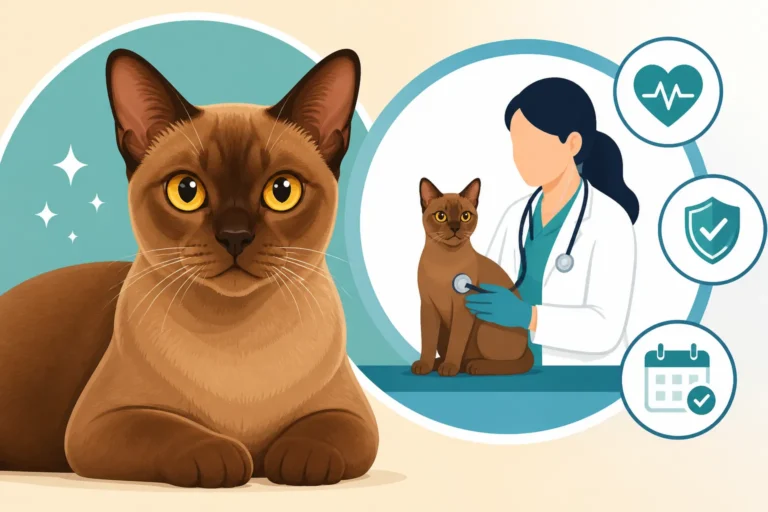
Imagine trying to navigate a journey without a map. That's what managing your Burmese's health without regular blood panels can feel like. Each annual blood panel provides a snapshot of your cat's internal workings at that specific moment. Over time, these snapshots build into a comprehensive baseline, a detailed map of what "normal" looks like for your individual cat. When you have this historical data, your veterinarian can spot even the most subtle trends or deviations that might signal an emerging problem. Perhaps their kidney values, while still technically "normal," have been slowly creeping up over three years. Without those previous panels, that slow climb would go unnoticed until a value finally spiked into the abnormal range, at which point the disease might be more advanced and harder to manage. This proactive approach isn't just about detecting disease; it's about understanding your cat's unique physiological rhythm and intervening at the earliest possible stage, often before any clinical signs even appear.
Decoding the Essential Components of a Burmese Blood Panel
When your Burmese heads to the vet for their annual check-up, the blood panel typically consists of several crucial tests. Each one offers different pieces of the puzzle, giving your veterinarian a holistic view of your cat's health. Understanding what these tests measure and why they matter for a Burmese can empower you to be a more informed and effective advocate for your furry friend.
Complete Blood Count CBC: More Than Just Red and White
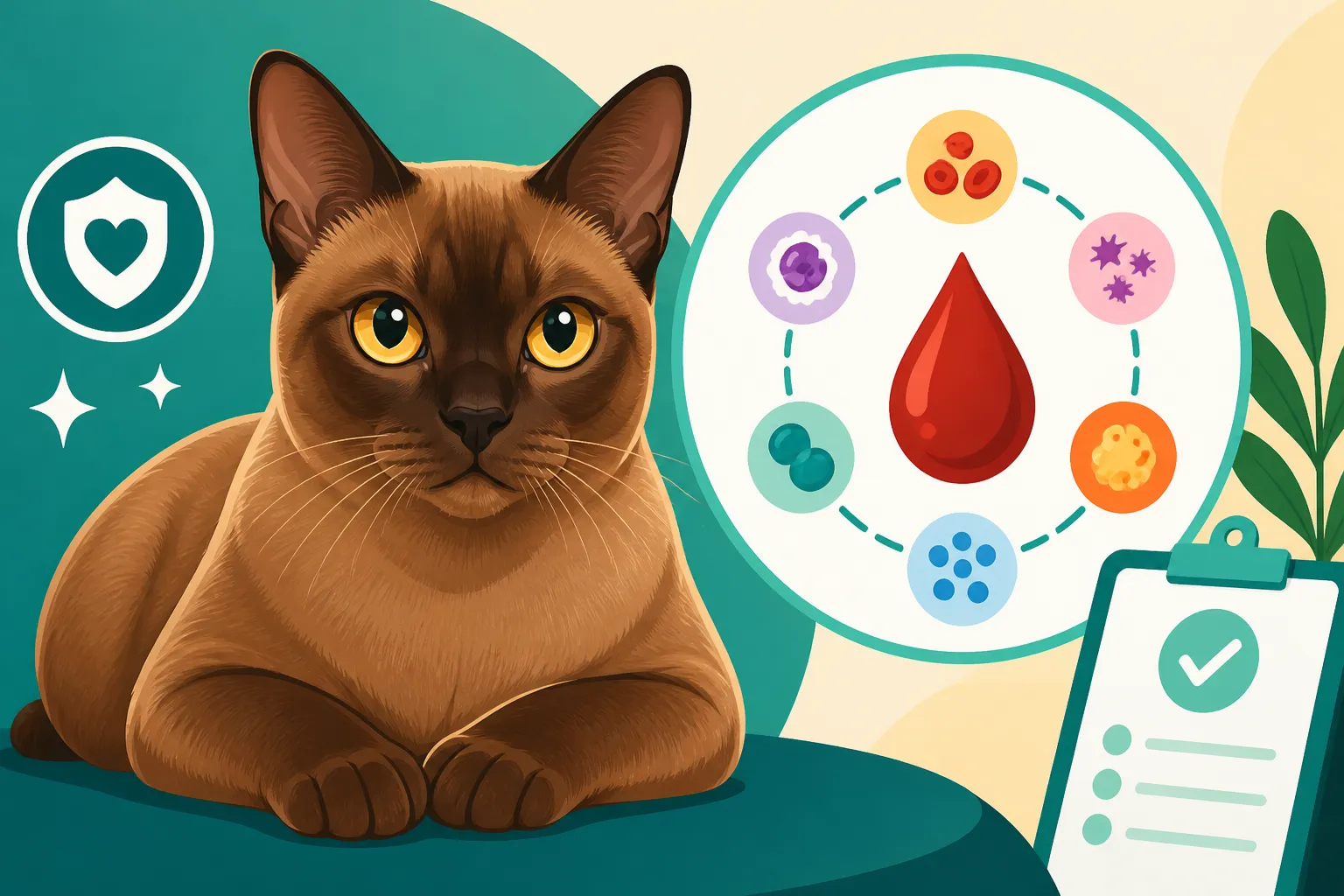
The Complete Blood Count, or CBC, is like a general health report for your Burmese's blood cells. It provides essential information about the different types of cells circulating in their bloodstream:
- Red Blood Cells (RBCs): These carry oxygen throughout the body. Abnormalities here can indicate anemia (too few RBCs), which could be caused by chronic disease, parasites, or even internal bleeding. Conversely, too many RBCs (polycythemia) can also signal underlying issues like dehydration or certain bone marrow disorders.
- White Blood Cells (WBCs): These are the immune system's soldiers. The CBC breaks down the different types of WBCs, such as neutrophils, lymphocytes, monocytes, eosinophils, and basophils. Elevated levels often point to infection, inflammation, or stress, while decreased levels can indicate a weakened immune system, viral infections, or certain drug reactions. For a cat, especially one as prone to hiding illness as a Burmese, abnormal WBC counts can be the first clue that something is amiss, even if they're otherwise acting normal.
- Platelets: These tiny cells are vital for blood clotting. Low platelet counts (thrombocytopenia) can lead to excessive bleeding, while high counts (thrombocytosis) might suggest inflammation or other disorders. Given that cats can be prone to various forms of inflammation, monitoring platelets is another critical piece of the puzzle.
A thorough CBC gives your vet crucial insights into your Burmese's hydration status, the presence of infection or inflammation, and their body's ability to clot blood, all of which are fundamental indicators of overall health.
Comprehensive Metabolic Panel: A Window into Organ Health
Often called a chemistry panel, this set of tests delves into the chemical components of your Burmese's blood, offering a detailed look at how their organs are functioning and checking for metabolic imbalances. This is where we start to see some of the breed's specific vulnerabilities.
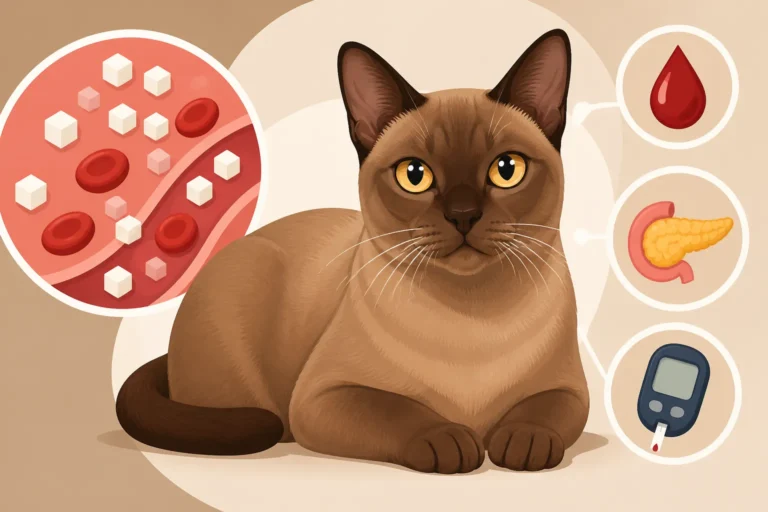
- Glucose: This is perhaps one of the most critical measurements for a Burmese. Elevated glucose levels are the hallmark of diabetes mellitus, a condition that the Burmese breed is disproportionately prone to developing. The Burmese Has the Highest Diabetes Rate of Any Cat Breed, making vigilant glucose monitoring a must. Early detection through annual blood panels means you can intervene with dietary changes or medication, potentially delaying or even preventing full-blown diabetes.
- Kidney Values (BUN, Creatinine, SDMA): These indicators measure how well your Burmese's kidneys are filtering waste products from their blood. Elevated levels can signal kidney disease, a common ailment in aging cats. Early kidney disease often shows no outward symptoms, making these blood markers vital for catching it when management can be most effective.
- Liver Enzymes (ALT, ALP, GGT, Bilirubin): These enzymes, when elevated, can indicate liver damage, inflammation, or other hepatic issues. The liver is a powerhouse organ involved in countless bodily functions, so monitoring its health is essential.
- Electrolytes (Potassium, Sodium, Chloride): These minerals are crucial for nerve and muscle function, hydration, and maintaining the body's acid-base balance. Imbalances can be indicative of kidney disease, dehydration, or other systemic issues. For Burmese cats, potassium levels are particularly important due to the breed's genetic predisposition to hypokalemia (low potassium). We'll dive deeper into this soon.
- Protein Levels (Total Protein, Albumin, Globulin): These values reflect nutritional status, liver function, kidney function, and the presence of inflammation or infection.
The comprehensive metabolic panel gives your veterinarian a snapshot of how your Burmese's internal organs are performing, allowing for early detection and intervention for a multitude of conditions.
Thyroid Hormone Screening T4: Crucial for Aging Burmese
While not always included in a basic chemistry panel for young cats, a T4 (thyroxine) screening becomes increasingly important as your Burmese reaches their senior years. This test measures the level of thyroid hormone in their blood.
- Hyperthyroidism: In older cats, an overactive thyroid gland (hyperthyroidism) is a very common condition. It can lead to weight loss despite a ravenous appetite, increased thirst and urination, hyperactivity, and even heart problems. Because these symptoms can mimic other age-related issues, or be so gradual that they're hard to pinpoint, an annual T4 check for senior Burmese cats is crucial. Why Hyperthyroidism Catches an Older Burmese emphasizes how sneaky this disease can be. Catching hyperthyroidism early through blood work allows for prompt treatment, which can significantly improve your cat's quality of life and lifespan. The recommended age for starting annual T4 screening is typically around 7-9 years old, when a Burmese officially begins to count as When a Burmese Counts as Senior.
By routinely checking these parameters, you and your vet are building a robust defense system for your Burmese, ready to identify and tackle potential health challenges head-on.
Addressing Breed-Specific Risks Through Annual Bloodwork
The Burmese cat, while generally healthy, does have a genetic predisposition to certain conditions. This makes targeted monitoring via their annual blood panel even more important. Understanding these risks empowers you to have informed discussions with your vet.
Unmasking Diabetes Early
It's a stark reality: the Burmese breed has a significantly elevated risk of developing diabetes mellitus. We're talking about a breed that is Why a Burmese Is Four Times More Likely to Become Diabetic compared to the general cat population. This isn't just a slight increase; it's a profound genetic predisposition linked to their unique metabolism. Annual blood panels, specifically the glucose measurement within the chemistry panel, are your absolute best tool for catching this insidious disease in its earliest stages.
- What we look for: Your vet will be paying close attention to your Burmese's blood glucose levels. While a single elevated reading can sometimes be due to stress (which can temporarily spike a cat's glucose), consistently high readings or a trend of increasing glucose over time are red flags.
- Fructosamine test: If initial glucose levels are concerning, your vet might recommend a fructosamine test. This test provides an average blood glucose level over the previous 1-3 weeks, offering a more accurate picture than a single "stress glucose" reading. It helps How a Vet Confirms Diabetes in a Burmese and is often the definitive diagnostic tool.
- Early intervention: Catching diabetes early means you can implement crucial changes, often involving a prescription low-carbohydrate diet, which can sometimes even lead to diabetic remission. This proactive approach can spare your cat from the more severe symptoms and complications of untreated diabetes. Therefore, Why a Burmese's Glucose Should Be Checked From Seven years old, if not earlier, is incredibly important. Without routine bloodwork, early signs like increased thirst or urination – What Diabetes Looks Like in a Burmese – might be dismissed until the disease is harder to manage.
This diligent monitoring is an essential part of responsible Burmese ownership. Consider discussing a comprehensive pet insurance plan like those offered by Healthy Paws early in your cat's life, as managing chronic conditions like diabetes can become costly.
Monitoring Kidney and Liver Health
As our beloved Burmese age, kidney and liver issues can become more prevalent. While not exclusively breed-specific, their tendency to live long, full lives (often The Sixteen to Eighteen Years a Well Bred Burmese Gets) means they have more years for these organs to experience wear and tear.
- Kidney Disease: The kidney values (BUN, creatinine, and especially SDMA) on the metabolic panel are vital. The SDMA test is particularly valuable because it can detect kidney disease much earlier than BUN and creatinine, often when the kidneys have lost as little as 25% of their function, compared to 60-75% for traditional markers. How Kidney Disease Arrives in an Old Burmese often happens subtly. Catching kidney disease early allows for dietary modifications, hydration support, and other interventions that can slow the progression of the disease and improve your cat's quality of life for years.
- Liver Disease: Liver enzymes (ALT, ALP, GGT) provide crucial information. Elevated levels can indicate hepatitis, fatty liver disease, or other conditions affecting this vital organ. Given the Burmese's sometimes finicky appetite and their predisposition to stress, monitoring liver health is important, especially if your cat has ever had periods of not eating well, which can quickly impact liver function in felines.
Regular checks of these organ functions are paramount to extending your Burmese's healthy years and managing age-related changes effectively.
Checking Electrolytes for Hypokalemia
Here's another specific concern that makes annual blood panels critical for the Burmese: hypokalemia, a condition characterized by abnormally low potassium levels in the blood. This isn't just any electrolyte imbalance; it's a genetically linked disorder in Burmese cats.
- The WNK4 Mutation: This condition is often associated with the What the WNK4 Mutation Does in a Burmese. While a DNA test can identify carriers or affected cats for breeding purposes (Hypokalemia Is the Burmese Disease With a DNA Test is a must for breeders), even "clear" cats or those with unknown parentage should have their electrolytes monitored.
- Symptoms and Detection: Hypokalemia can cause episodes of muscle weakness, lethargy, and a characteristic "meerkat neck" posture where the cat struggles to hold its head up. While these symptoms are usually acute and noticeable during an episode, consistent monitoring of potassium levels on a routine blood panel can sometimes provide clues or help establish a baseline for your vet, especially if your cat has had mild, undiagnosed muscle weakness. It's often during these routine checks that subtle, ongoing imbalances might be flagged, prompting further investigation.
- Management: If low potassium is detected, your vet can recommend potassium supplementation, which can dramatically improve your cat's well-being and prevent severe episodes. Being aware of this breed-specific risk allows your vet to pay extra attention to potassium levels during routine blood work, providing peace of mind or an early warning.
For any breeder, understanding What a Burmese Breeder Must Test Before Any Mating includes these genetic predispositions. For owners, regular blood panels help manage the health of the Burmese you bring into your home.
Practical Steps for Your Burmese's Yearly Health Check-Up
Navigating the annual vet visit can sometimes feel overwhelming, especially when blood draws are involved. However, with a little preparation and understanding, you can make the experience smoother for both you and your cherished Burmese.
Preparing for the Vet Visit
A smooth vet visit starts at home. For a blood draw, there are a few things you can do to help ensure accurate results and a less stressful experience for your cat.
- Fasting (Usually): Your veterinarian will typically advise a fasting period before blood work, usually 8-12 hours without food. This is crucial for accurate glucose readings and for preventing lipids (fats) from interfering with other chemistry panel results. While your Burmese might complain loudly about this temporary food deprivation – they are famously food-motivated after all! – it’s for their own good. Ensure they still have access to fresh water during this fasting period, as hydration is important. Always confirm specific fasting instructions with your vet's office beforehand, as protocols can vary.
- Hydration: Keeping your Burmese well-hydrated is always a good idea, but it can be particularly helpful before a blood draw. Well-hydrated veins are often easier to locate, making the blood collection process quicker and less stressful. Encouraging water intake with a clean water bowl, a pet fountain, or even adding a little water to their wet food the day before (if not fasting) can be beneficial.
- Carrier Comfort: Make the carrier a positive place. Leave it out in your home, open, with a comfy blanket or a favorite toy inside. Your Burmese might even decide to nap in it, associating it with safety rather than just stressful vet trips. This simple step can significantly reduce pre-visit anxiety.
- Calm Demeanor: Your cat picks up on your emotions. If you're stressed and anxious, they will be too. Try to remain calm and reassuring throughout the process, from getting them into the carrier to the actual vet visit. Gentle petting and soft talking can make a big difference for your affectionate Burmese.
Remember, the goal is to make the experience as low-stress as possible, knowing that the information gathered from the blood panel is vital for their long-term health.
Interpreting the Results with Your Veterinarian
Once the blood samples are analyzed, your vet will review the results with you. This is your opportunity to understand what everything means and ask any questions you have.
- Establishing a Baseline: It's really helpful if you've been consistent with yearly blood panels from an early age. Each set of results contributes to a personalized health record, establishing what's "normal" for your Burmese. Slight variations can be significant for an individual cat, even if they fall within the broad "normal" range for the general feline population. This baseline is particularly valuable for conditions that develop gradually, like kidney disease or subtle changes in glucose levels that might eventually point to How Many Burmese Become Diabetic in a Lifetime.
- Detailed Discussion: Don't hesitate to ask your vet to explain anything you don't understand. They can walk you through the various components, point out any results that are outside the normal range, and discuss what those findings might indicate. They should also compare current results with previous ones to highlight any trends.
- Actionable Next Steps: If any abnormalities are found, your vet will outline the recommended next steps. This might involve further diagnostic tests (like urine analysis, imaging, or more specialized blood tests), dietary changes, medication, or a follow-up blood panel in a few months. Remember, a single abnormal reading isn't always cause for panic, but it always warrants investigation. It's about putting all the pieces together to get the clearest picture of your Burmese's health. For example, if kidney values show an upward trend, your vet might discuss options to delay How Kidney Disease Arrives in an Old Burmese.
- Consider Insurance: Having pet insurance, such as a plan from Healthy Paws, can provide significant peace of mind. If your Burmese does receive an unexpected diagnosis based on blood panel results, knowing you have financial support can help you make the best medical decisions without added stress.
Being an active participant in understanding your Burmese's blood panel results is key to ensuring they receive the best possible care throughout their lives.
| Test Category | Specific Tests | What It Measures | Why It Matters for Burmese |
|---|---|---|---|
| Complete Blood Count | Red Blood Cells (RBCs), White Blood Cells (WBCs), Platelets | Oxygen-carrying capacity, immune response, blood clotting ability | Detects anemia, infection, inflammation, stress; crucial for overall health monitoring. |
| Metabolic Panel | Glucose | Blood sugar level | High risk for diabetes; critical for early detection and management of The Burmese Has the Highest Diabetes Rate of Any Cat Breed. |
| BUN, Creatinine, SDMA | Kidney function | Early detection of kidney disease allows for intervention; How Kidney Disease Arrives in an Old Burmese. | |
| ALT, ALP, GGT, Bilirubin | Liver function | Indicates liver damage, inflammation, or disease. | |
| Potassium, Sodium, Chloride | Electrolyte balance | Crucial for detecting hypokalemia, a breed-specific genetic condition (What the WNK4 Mutation Does in a Burmese). | |
| Total Protein, Albumin, Globulin | Nutritional status, hydration, inflammation, organ function | General health indicator, can point to kidney, liver, or inflammatory issues. | |
| Thyroid Panel | T4 (Thyroxine) | Thyroid hormone levels | Detects hyperthyroidism, common in older cats, which can cause significant health problems if untreated. |
Disclaimer
The information provided in this article is intended for general knowledge and informational purposes only, and does not constitute medical advice. Always consult with a qualified veterinarian for any health concerns or before making any decisions related to your Burmese cat's care and treatment. Every cat is an individual, and medical advice should be tailored to their specific needs and health history.