What a Burmese Bred to the American Standard Sells For
It can be incredibly confusing trying to figure out how much you should expect to pay for a Burmese kitten, especially with all the talk about "American" versus "European" types and the various factors that influence their cost. This guide will specifically break down what goes into the cost of a Burmese kitten bred to the American standard, helping you understand the value and the many considerations that truly shape the price tag you see.
Understanding the American Burmese Standard
When we talk about a Burmese bred to the American Standard, we're referring to a distinct physical type and temperament that has been carefully cultivated over decades. It's not just a casual distinction; it's about adhering to a very specific set of ideals set forth by cat fancy associations. This standard shapes everything from the cat's physical appearance to its expected personality traits, all of which contribute to its perceived value and, ultimately, its price.
What Defines the American Burmese Look
The American Burmese is known for its distinctive cobby body, which means it's compact, well-muscled, and surprisingly heavy for its size. Imagine a "brick wrapped in silk," and you're getting close to the ideal. They have a round head with full cheeks, widely set, expressive gold or amber eyes, and a short, satin-like coat that lies close to the body. This particular look, with its sweeter expression and more rounded features, is quite different from its European cousin, which tends to have a more slender build and a wedge-shaped head. Breeders who consistently produce kittens that perfectly embody these traits invest heavily in their breeding lines, from selective pairing to meticulous care, all of which naturally influences the cost. The pursuit of this specific aesthetic is a driving factor behind their breeding programs.
The American Standard's Temperament Expectations
Beyond their striking looks, American Burmese are renowned for their incredible personalities. The standard also includes temperament, emphasizing their affectionate, dog-like, and highly social nature. They are often called "Velcro cats" because they thrive on human companionship and will follow you from room to room, often perching on a shoulder or snuggling under the covers. A well-bred American Burmese kitten should be outgoing, playful, and confident, having been extensively socialized by the breeder. This early socialization and genetic predisposition for a loving nature are highly sought after. Breeders work hard to ensure their kittens develop these desirable traits, which involves not just genetics but also a nurturing environment from birth, contributing to the perceived value and, therefore, the price. Understanding The Burmese Is the Velcro Cat of the Cat Fancy gives you a deeper insight into this cherished trait.
Factors Influencing the Price of an American Burmese Kitten
The price of a Burmese kitten isn't just pulled out of thin air. It's a complex reflection of many factors, from the specific characteristics of the kitten itself to the reputation and practices of the breeder. It's never as simple as a flat rate, and understanding these nuances can help you appreciate why certain kittens command higher prices.
Color and Rarity
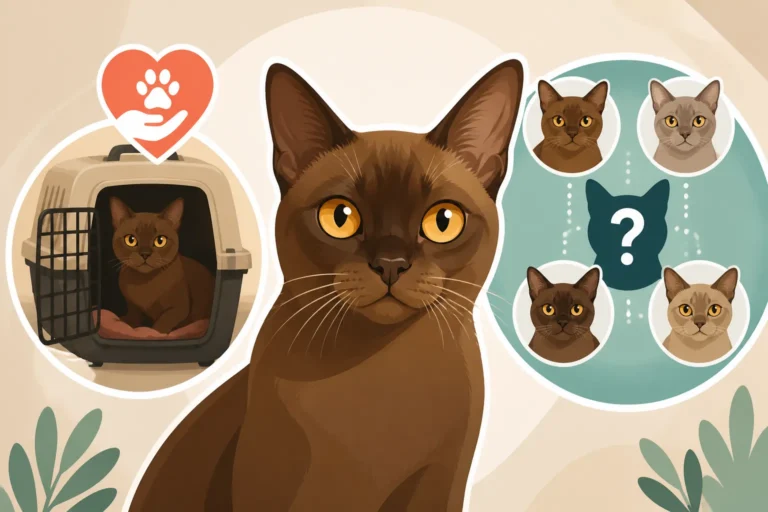
While all American Burmese come in stunning, rich colors, some colors are more common, and others are considered rarer, which can influence the price. The four traditional colors recognized by the American standard are sable (a rich, warm brown), champagne (a warm beige), blue (a medium grey with a fawn undertone), and platinum (a pale, delicate dove grey). Sable is often the most common color and might be on the lower end of the price spectrum within a litter, simply because it appears more frequently. Platinum and blue, being dilutions of sable and champagne respectively, require specific genetic combinations and are often considered more unique, sometimes fetching a slightly higher price. A breeder's success in consistently producing these rarer colors, while maintaining excellent health and type, reflects significant skill and investment in their lines. It's fascinating to see how a kitten's color can be registered and why it sometimes affects cost, as discussed in How a Burmese's Color Is Registered.
Show Potential vs. Pet Quality
One of the biggest differentiators in kitten pricing is whether a kitten is sold as "pet quality" or with "show/breeding potential." A pet quality kitten is a perfectly healthy, beautiful Burmese cat with all the wonderful personality traits you could ever want. However, it might have a minor deviation from the very strict breed standard that would prevent it from excelling in the show ring or contributing ideally to a breeding program. This could be something as subtle as an eye shape not being perfectly round or a slight difference in coat texture. These kittens are typically sold at a more accessible price point.
On the other hand, a kitten with show or breeding potential is one that the breeder believes perfectly embodies the American standard and has the genetic soundness to contribute to the future of the breed. These kittens command a considerably higher price due to their genetic lineage, conformity to the standard, and the significant responsibilities and costs associated with showing and breeding. Most reputable breeders will only sell a kitten with breeding rights to another established, ethical breeder. For those simply seeking a cherished companion, a pet quality kitten is an excellent choice and will bring just as much joy and affection into your home. You might want to consider What a Pet Quality American Burmese Sells For for more details on this specific category.
Here’s a quick overview of how these factors often break down:
| Factor | Pet Quality Kitten | Show/Breeding Potential Kitten |
|---|---|---|
| Physical Conformance | Minor deviations from breed standard | Excellent conformity to breed standard |
| Temperament | Affectionate, social, ideal companion | Affectionate, social, ideal companion, confident |
| Health | Excellent, health tested parents | Excellent, health tested parents and lineage |
| Registration | Registered, non-breeding papers | Registered, full breeding rights |
| Spay/Neuter | Required by contract, often done before rehoming | Not required, if sold with breeding rights |
| Price | Lower end of breeder price range | Significantly higher end of breeder price range |
Why Proven Pedigrees and Health Testing Matter
When you're investing in a Burmese, you're not just buying a cat; you're buying into a legacy of careful breeding and health stewardship. The value you pay reflects the breeder's dedication to maintaining the breed's health and integrity, which ultimately ensures you bring home a healthy, long-lived companion.
The Importance of DNA Panels
A responsible American Burmese breeder will perform extensive health testing on their breeding cats. This isn't just a "nice-to-have"; it's a non-negotiable part of ethical breeding. The Burmese breed, like many others, can be predisposed to certain genetic conditions, such as Hypokalemia (Burmese Head Defect is another, though rarer concern). A full DNA panel screens for these genetic markers, ensuring that parents are clear of carrying two copies of a recessive gene that could cause serious health issues in their kittens. For instance, testing for Hypokalemia is crucial. If both parents are carriers, their kittens have a 25% chance of being affected. Knowing Which Tests Belong on a Burmese DNA Panel can empower you to ask the right questions. The cost of these genetic tests, which are often run by specialized labs, is considerable for a breeder, but it's an investment in the health of every kitten produced. When you see a higher price tag, part of that reflects the breeder's commitment to these critical screenings. This allows them to confidently declare What a Burmese Breeder Must Test Before Any Mating.
The Breeder's Investment in Health
Beyond genetic testing, a reputable American Burmese breeder makes substantial investments in the overall health and well-being of their queens, studs, and kittens. This includes regular veterinary care, high-quality nutrition (often specialized low-carbohydrate foods, especially considering the breed's diabetes risk), and a clean, stimulating environment. Kittens receive their initial vaccinations, deworming, and a thorough veterinary check-up before they go to their new homes. Often, they are also microchipped and spayed or neutered as part of the purchase price, removing that cost and concern for the new owner.
Think about the sheer time and effort involved: raising a healthy, well-adjusted litter takes round-the-clock care, from assisting with birth to managing their nutrition, socialization, and vet visits over many weeks. This kind of dedicated care, which ensures a healthy start in life, is implicitly factored into the kitten's price. When you choose a kitten from such a breeder, you're not just buying a pet; you're investing in a healthy foundation, and often, a lifetime of support and advice from the person who brought your cherished companion into the world.
The Hidden Costs Beyond the Purchase Price
While the initial purchase price of an American Burmese kitten is significant, it's really just the beginning of your financial commitment. A responsible owner understands that there are many ongoing costs involved in providing a loving, healthy home for their furry family member. Being prepared for these "hidden" costs ensures a smooth transition and a happy life for your new companion.
Initial Setup and Ongoing Care
Bringing a new kitten home means more than just a food bowl. You'll need essentials like a high-quality carrier, litter boxes (and plenty of appropriate litter), scratching posts, interactive toys, and grooming tools. For a Burmese, who loves to cuddle and feels the cold, a cozy heated bed or plenty of warm blankets is a great idea. Then there's the ongoing cost of food. Given that the Burmese has the highest diabetes rate of any cat breed, choosing a high-quality, low-carbohydrate wet food is often a medical decision, not a preference. Brands like Chewy often carry a wide selection of suitable options. This can sometimes be more expensive than generic kibble, but it's a vital preventative measure that contributes to their long-term health. Regularly tracking What Low Carbohydrate Food Costs a Burmese Owner can help with budgeting.
Beyond food, there's the routine veterinary care. Vaccinations, annual check-ups, and parasite prevention are all standard. And for a breed prone to gum disease, budgeting for professional dental cleanings throughout their life is a realistic expectation. These cumulative costs, while often overlooked in the excitement of a new kitten, add up quickly.
Insurance and Unexpected Health Concerns
Even with the best breeding and care, health issues can arise, especially as a Burmese ages. This is where pet insurance can be a real lifesaver. While it's an additional monthly cost, having a policy from providers like Healthy Paws can mitigate the financial blow of unexpected illnesses or injuries. Consider that How Many Burmese Become Diabetic in a Lifetime, for example, means that this is a very real possibility.
A Burmese, despite being generally robust, can develop conditions like diabetes or require treatment for Hypokalemic episodes. The costs associated with diagnosing and managing chronic conditions can be substantial, involving regular vet visits, medications (like insulin, which can be a recurring expense), and special diets. While a good breeder provides health guarantees, these typically cover genetic conditions for a limited time, not every illness that might occur over a cat's 16-to-18-year lifespan. Therefore, budgeting for potential health expenses, either through insurance or a dedicated savings fund, is a prudent decision for any Burmese owner. It's wise to consider Whether a Burmese Policy Is Worth It Once Diabetes Is Excluded before committing.
Where to Find an American Standard Burmese Breeder
Finding the right breeder is paramount when seeking an American Standard Burmese kitten. This isn't a purchase you want to rush into or make lightly. A reputable breeder is not just a source of kittens but a partner in your journey as a Burmese owner.
Reputable Breeder Research
Begin your search by looking for breeders who are actively involved with cat fancy associations like the Cat Fanciers' Association (CFA) or The International Cat Association (TICA). Membership in these organizations often indicates a commitment to breed standards and ethical practices. Visit their websites, look at their breeding philosophies, and check for testimonials or references. Don't be shy about asking questions regarding their breeding practices, health screening protocols, and how they socialize their kittens. A good breeder will welcome your questions and be eager to share details about their cats' pedigrees, health test results, and daily care routines. They will also likely ask you just as many questions to ensure their kittens are going to loving, appropriate homes. You might find that Why a Burmese Cattery Should Have Cats in Every Room is a good sign of proper socialization.
It's also beneficial to attend local cat shows. This is a fantastic opportunity to see American Burmese cats in person, talk to breeders, and get a feel for the different lines and personalities. Many breeders don't extensively advertise online, and shows can be a primary way they connect with prospective owners. Remember that patience is key; reputable breeders often have waiting lists, which is a sign of their popularity and ethical practices.
Understanding Contracts and Guarantees
Once you find a breeder you feel confident in, carefully review their sales contract and health guarantee. A clear, comprehensive contract should outline the terms of the sale, including the kitten's health status, vaccination schedule, and microchipping information. It will typically include a clause for spaying or neutering pet quality kittens, often requiring proof from your vet or sometimes performing the procedure themselves before the kitten goes home.
The health guarantee is particularly important. It should specify what genetic conditions are covered, for how long, and what the breeder's responsibilities are should a problem arise. For Burmese, look for specific mentions of conditions like Hypokalemia, given the breed's predisposition. Don't hesitate to ask for copies of the parents' health certificates and DNA test results for review. A transparent breeder will provide these willingly. Understanding How to Check a Burmese's Hypokalemia Certificate can be incredibly helpful. This documentation is not just formality; it's your assurance that the breeder has done their due diligence and stands behind the health of their kittens.
Disclaimer
This article is for general informational purposes only and does not constitute professional advice. Laws, prices and regulations vary by location and change over time. Consult a qualified professional for guidance on your specific situation.