How Much the Blue Dilution Adds to a Burmese
It’s a common moment for prospective Burmese cat owners: you fall in love with their stunning, vibrant personalities and then you start looking into colors. While the classic sable is undeniably gorgeous, a certain soft, smoky elegance often draws people to the blue Burmese. But then you notice something – the price tag for a blue kitten often seems a little higher than its sable or champagne siblings. This can be frustrating, especially when you’re already budgeting for a purebred. This guide will delve into the fascinating genetic reasons behind the blue dilution, explore the market dynamics that influence its pricing, and help you understand why this particular hue commands a premium.
Understanding the Burmese Color Palette
The Burmese breed is renowned for its short, satin-like coat that comes in a limited, but exquisite, range of colors. Unlike many other breeds with a vast array of patterns and shades, the Burmese palette is quite specific, primarily revolving around four main colors derived from a single foundational gene. When you’re looking at these lovely cats, it’s easy to simply appreciate the visual beauty without understanding the underlying genetics that dictate these hues.
The Genetic Basis of Burmese Colors
At the heart of the Burmese's coloring is a specific genetic allele known as "cb." This allele, or gene variant, is responsible for the unique Burmese coloration, which is a form of partial albinism. It modifies the expression of black pigment, turning it into the rich, warm brown known as sable. This is why a traditional Burmese looks like a brown cat. This particular genetic mechanism means that all recognized Burmese colors are, in essence, variations of how this base pigment expresses itself. The way the cb allele interacts with other color genes is what gives us the beautiful variety, even if it's a smaller palette compared to other breeds. For a deeper dive, you might want to read about The cb Allele Is What Makes a Burmese Brown.
The foundational color in the Burmese breed is sable. Genetically, sable is a modified black. The cb gene dilutes black pigment to a deep, warm brown. This isn’t just any brown; it’s a specific, lustrous shade that contributes significantly to the Burmese's distinctive appearance. When a breeder talks about the original Burmese color, they are referring to sable. It’s the color that most people picture when they think of a classic Burmese, a rich, almost mahogany brown that shines in the light.
Beyond sable, we find champagne, blue, and platinum. Champagne is essentially a dilute form of sable, where the red pigment also comes into play, resulting in a warmer, lighter tan or honey tone. These colors aren't just random; they are meticulously understood by ethical breeders through genetic testing and careful pairing. Each color has its own unique charm, but understanding their genetic blueprint helps us appreciate why some are more common and others, like blue, might have a different price point attached to them. For more on the specifics, explore What the cb Allele Does to a Burmese's Color.
The Distinctive Appeal of the Blue Burmese
Among the four main Burmese colors, blue often stands out with its cool, sophisticated elegance. It's not just a shade; it's a dilution that transforms the base black pigment into a stunning slate grey with a subtle warmth, making it incredibly appealing to many enthusiasts. This distinctive hue sets it apart and is a key factor in its market perception and, consequently, its price.
The Genetics Behind the Blue Dilution
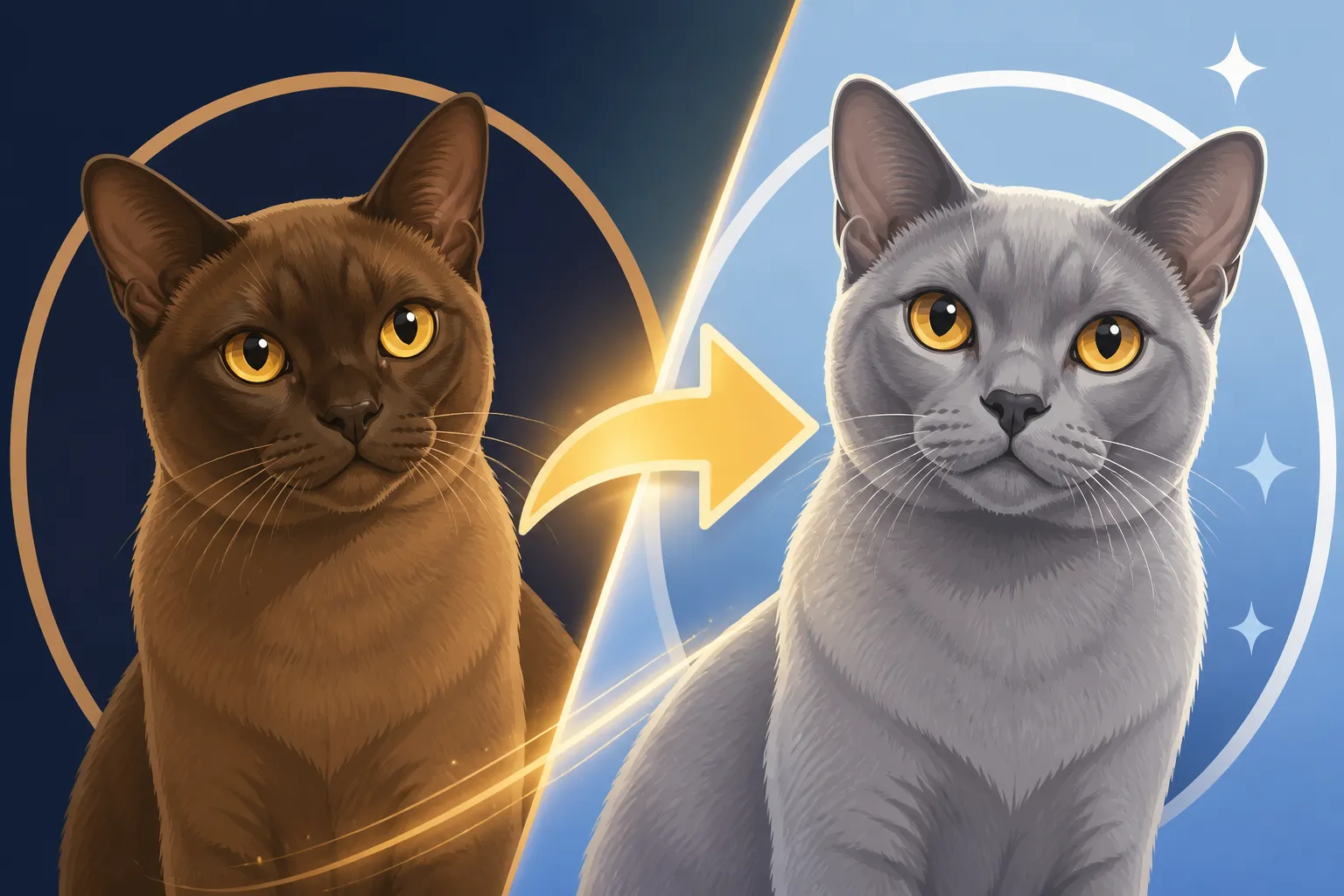
The blue color in a Burmese cat is a result of the dilution gene, often denoted as "d". This gene acts on black pigment, essentially "diluting" it to a lighter shade. In the case of the Burmese, which already has the special 'cb' gene modifying black to sable, the dilution gene takes that underlying black pigment and turns it into a soft, dove-grey or slate-blue color. It’s a recessive gene, meaning a kitten must inherit two copies (one from each parent) to express the blue color. If a cat only inherits one copy, it's a carrier and will appear sable or champagne but can produce blue kittens if bred with another carrier or a blue cat.
This genetic mechanism explains why blue kittens might not appear in every litter. A breeder needs to carefully plan matings to ensure the dilution gene is present in both parents. When a blue kitten is born, it typically starts off quite pale, often a very light grey or almost white, before its true blue color deepens and develops over the first few weeks and months of its life. This gradual darkening is a fascinating process to observe. Many prospective owners are surprised by this, expecting a fully formed blue from day one. You can learn more about this color development in Why a Burmese Kitten Is Born Paler Than It Ends Up.
While blue is a dilution of black (which manifests as sable in a Burmese), platinum is the dilution of champagne. This means platinum is a double dilute, a "diluted dilute," resulting in an even paler, cooler, silvery tone. The genetic interaction creating platinum involves both the cb gene and two copies of the dilution gene acting on the underlying champagne base. Both blue and platinum are less common than sable or champagne, simply due to the recessive nature of the dilution gene and the specific pairings required to produce them. The rarity of these dilutions contributes to their unique appeal and often, their higher market value.
Aesthetic Appeal and Market Demand
The allure of the blue Burmese is undeniable. Its cool, smoky grey coat is incredibly striking and often described as having a refined, elegant quality. In a world saturated with common cat colors, the distinctive blue offers something a little different, appealing to those who appreciate its unique aesthetic. This visual distinction creates a higher demand among potential owners who are specifically seeking out this particular shade.
Because the blue color is less common genetically, and highly desired, it naturally creates a premium in the market. Breeders often find that their blue kittens are reserved quickly, sometimes even before they are born. This high demand, coupled with the often smaller number of blue kittens in a litter compared to sables, directly influences pricing. It’s a classic supply and demand scenario: more people want blue Burmese than are readily available, pushing the price upward.
This isn't to say that other Burmese colors are any less beautiful or desirable. Sable, champagne, and platinum each have their own dedicated admirers. However, the blue cat, in general, has a long-standing appeal across many breeds, and the Burmese is no exception. Its sophisticated appearance ensures that breeders can often ask for a slightly higher price point, reflecting both the genetic effort in producing them and the strong desire from buyers for this particular color.
Factors Influencing the Price of a Blue Burmese
When you look at the price tag for a blue Burmese kitten, it's not just about the color itself. There are several interconnected factors that contribute to how much more you might pay for this particular hue compared to others in the same litter. Understanding these elements can help you appreciate the value and investment involved.
Breeding Costs and Genetic Effort
Producing blue Burmese kittens requires specific genetic knowledge and careful breeding practices. As the blue dilution gene is recessive, both parent cats must carry at least one copy of the dilution gene to have a chance of producing blue offspring. This might mean a breeder invests in genetic testing to identify carriers, or they might specifically seek out blue breeding cats, which themselves command a higher initial purchase price. These added costs are naturally factored into the price of their kittens.
Furthermore, litters producing blue kittens may not have a majority of blue cats. A mating between two sable carriers of blue will statistically only produce 25% blue kittens, 50% sable carriers, and 25% sable non-carriers. This means a breeder might only get one or two blue kittens from a litter, while the rest are more common colors. This inherent unpredictability and the lower statistical yield of blue kittens also contribute to their increased price. It's a matter of scarcity driven by genetics. You can explore this more with Why Platinum and Blue Burmese Litters Are Smaller.
Responsible breeders also conduct comprehensive health screening for all their breeding cats, regardless of color. This includes DNA panels for common Burmese conditions like hypokalemia, as well as regular vet check-ups. While these costs apply to all kittens, the added genetic planning for specific colors contributes to the overall investment a breeder makes. This commitment to health and genetic integrity ensures you're getting a well-bred cat, not just a cat of a particular color. For general breeding health considerations, you may be interested in What a Burmese Breeder Must Test Before Any Mating.
Regional Demand and Breeder Reputation
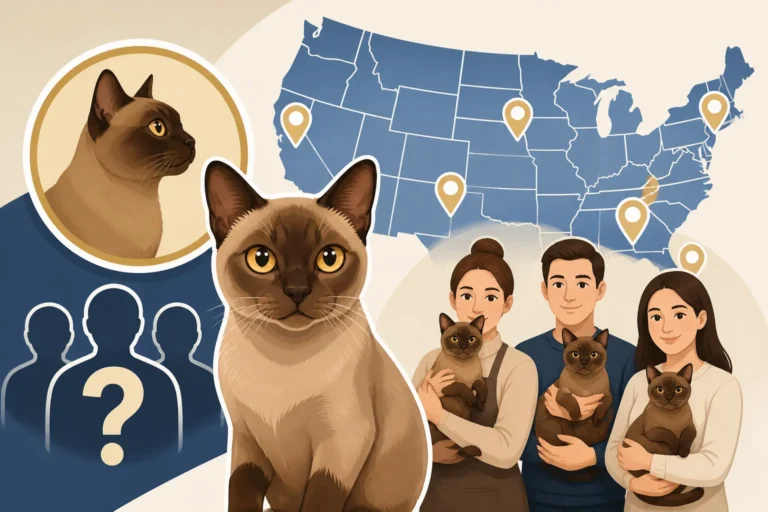
The demand for blue Burmese cats can vary depending on geographical location. In some areas, the blue color might be exceptionally popular, leading to higher prices due to local market forces. Conversely, in regions where sables or champagnes are more traditionally favored, the price difference might be less pronounced. It's important to research the local market dynamics in your area when considering a blue Burmese.
A breeder's reputation also plays a significant role. Highly regarded breeders, known for their ethical practices, excellent health records, and commitment to the breed standard, often have waiting lists for all their kittens, and blue kittens on those lists will typically command a higher price. Their prices reflect years of dedication, investment in their lines, and the assurance of quality that comes with their name. A reputable breeder will also be transparent about pricing and the reasons behind it.
It's not uncommon for well-known breeders to have specific pricing structures for different colors based on demand and the perceived "rarity" within their lines. This is a business decision, but it's often justified by the consistent quality, health guarantees, and ongoing support they offer to new owners. Always prioritize finding a reputable breeder over simply seeking the lowest price, regardless of the color you desire.
The True Cost Beyond the Purchase Price
While the initial price tag for a blue Burmese kitten might be higher, it's crucial to remember that this is just one part of the financial commitment of cat ownership. The ongoing care costs for a Burmese, regardless of its color, remain the same and should be factored into your budget. Focusing solely on the purchase price can lead to overlooking the long-term investment.
Initial Purchase and Ongoing Expenses
The upfront cost for a blue Burmese kitten will indeed reflect the blue dilution premium. This often means paying a few hundred dollars more than you would for a sable or champagne kitten from the same breeder and litter. For specific examples, you can check articles like How Much a Blue Burmese Kitten Costs. This initial investment secures a cat of a desirable color from a responsible breeder, which is foundational to a healthy and happy pet.
However, once you bring your blue Burmese home, the ongoing expenses are largely identical to any other Burmese cat. These include high-quality, low-carbohydrate food (critical for Burmese due to their predisposition to diabetes, a point we'll explore further), regular veterinary check-ups, vaccinations, parasite prevention, and enrichment items like toys and scratching posts. Don't forget unexpected vet visits or potential health issues that can arise as they age.
It's also worth considering pet insurance. While pet insurance doesn't typically differentiate prices based on coat color, having a policy in place can be a lifesaver for unexpected medical costs. Companies like Healthy Paws offer various plans that can help mitigate the financial impact of illnesses or accidents throughout your cat's life, allowing you to focus on their care rather than worrying about the bill. A healthy, well-cared-for Burmese can live a long and fulfilling life, but that requires consistent financial commitment beyond the initial purchase.
Long-Term Health and Care Considerations
The blue dilution gene itself does not typically carry any associated health risks in Burmese cats. A blue Burmese is just as likely to be healthy as a sable one, provided they come from responsible breeding lines. However, all Burmese cats, regardless of color, share common breed-specific health predispositions that owners need to be aware of and budget for.
The most significant health concern for Burmese cats is their elevated risk of diabetes. This breed has a genetic predisposition to developing feline diabetes, making diet and weight management paramount from a young age. This means a lifelong commitment to high-quality, low-carbohydrate wet food, and carefully portion-controlled meals. While the color blue doesn't increase this risk, it's a critical care consideration for any Burmese owner. You can learn more about this in Why Portion Control Is Medical Care in a Burmese.
Other common Burmese health considerations include dental disease, which can be expensive to treat, and in some lines, conditions like hypokalemia or flat-chested kitten syndrome. This is why choosing a kitten from a breeder who performs comprehensive DNA testing for their breeding cats is so important. A full DNA panel for a Burmese is an investment by the breeder that benefits you. For more on what tests a breeder should conduct, see Which Tests Belong on a Burmese DNA Panel. These long-term health considerations underscore the point that the initial purchase price, even with a color premium, is only the beginning of your financial journey with a Burmese.
What to Ask a Breeder About Blue Burmese Pricing
When you're captivated by the idea of bringing a blue Burmese into your home, it's natural to have questions about pricing. A reputable breeder will always be transparent and willing to discuss their pricing structure and the value they offer. It’s essential to approach these conversations armed with the right questions to ensure you’re making an informed decision.
Transparency in Pricing and Genetic Health
Never hesitate to ask a breeder why their blue kittens are priced as they are. A good breeder will be able to explain the factors, such as the genetic effort involved in producing a specific color, the general demand for that color, and the overall investment they make in their breeding program. They should articulate how their prices reflect the comprehensive health screenings, quality care for their breeding cats and kittens, and ongoing support they provide to new owners. Be wary of any breeder who is evasive or seems unwilling to discuss their pricing rationale.
Beyond the color, always inquire about the health testing performed on the parent cats. This is arguably more important than the kitten's color. Ask to see certificates for DNA tests, such as those for hypokalemia, and inquire about the diabetes history in their lines. A breeder who proudly shares these results is demonstrating their commitment to the health and well-being of their cats, which should be reflected in their pricing. Remember, a cheap kitten could become a very expensive adult if health issues weren't addressed by responsible breeding.
| Burmese Color | Genetic Basis (Simplified) | Relative Rarity | Price Tendency (Qualitative) |
|---|---|---|---|
| Sable | Full pigment, original | Common | Standard |
| Champagne | Dilution of red/brown | Moderate | Standard to Moderate Premium |
| Blue | Dilution of black | Less Common | Higher Premium |
| Platinum | Double dilution | Rare | Highest Premium |
The Importance of a Comprehensive Contract
A detailed sales contract is a cornerstone of responsible breeding, and it should cover more than just the color and price of your kitten. Your contract should clearly outline health guarantees, including any specific provisions related to breed-specific conditions like diabetes or hypokalemia. It should specify what happens if a genetic condition emerges within a certain timeframe and the responsibilities of both the buyer and the breeder.
Furthermore, the contract should outline the kitten's registration status, microchip information, and neutering/spaying requirements. For blue Burmese specifically, ensure the contract confirms the kitten's color and genetic heritage if that's a key factor for you. A thorough contract protects both parties and ensures that you are fully aware of the terms of your purchase. Always read it carefully and ask for clarification on any points you don't understand before signing.
A breeder who offers a comprehensive contract and is willing to discuss its terms in detail is demonstrating professionalism and a commitment to their cats' welfare and their buyers' satisfaction. This kind of transparency and thoroughness is invaluable and is part of the overall value proposition when purchasing a well-bred Burmese, regardless of its beautiful blue coat.
Disclaimer
This article is for general informational purposes only and does not constitute professional advice. Laws, prices and regulations vary by location and change over time. Consult a qualified professional for guidance on your specific situation.