What to Ask About a Burmese Line’s Diabetes History
Bringing a Burmese kitten home is an absolute joy – their affectionate nature and playful spirit can fill your life with warmth and laughter. But, as any responsible future owner knows, it's not just about falling in love with those big, soulful eyes. It's also about understanding the unique health predispositions of the breed, especially their alarming vulnerability to diabetes. This guide will walk you through the crucial questions you need to ask a Burmese breeder about their lines' diabetes history to ensure you're making the most informed choice for a long and healthy life with your new companion.
The Alarming Reality of Burmese Diabetes Risk
It's a stark truth that Burmese cats, particularly those from certain geographical lines, carry a significantly higher risk of developing diabetes compared to other breeds. This isn't just a slight increase; it's a predisposition that shapes much of their recommended care and highlights the absolute necessity of diligent inquiry when choosing a kitten. Many prospective owners are completely unaware of this genetic vulnerability, only to be caught off guard years later when their beloved pet begins showing symptoms.
Why the Burmese Breed is Uniquely Prone
The scientific community has spent considerable time studying the Burmese breed due to its unique metabolic characteristics. Research has consistently shown that the Burmese has a higher diabetes rate of any cat breed, with some studies indicating they are up to four times more likely to become diabetic. This isn't purely environmental; there's a strong genetic component at play. It's often linked to what some researchers call a "thrifty gene" — a genetic trait that might have been advantageous in times of scarcity, allowing them to efficiently store fat. However, in today's world of readily available, often carbohydrate-heavy cat food, this gene can lead to insulin resistance and, eventually, full-blown diabetes.
This genetic inclination means that even a Burmese kept at a healthy weight might still be at a higher risk than a slightly overweight cat of another breed. It's a frustrating reality for dedicated owners who do everything right, yet still face this challenge. Understanding this underlying susceptibility is the first step in being a proactive owner and in knowing why certain questions are non-negotiable when speaking with a breeder. The challenge isn't just in managing the disease, but in preventing it from ever taking hold, and that starts with understanding the lineage. You can learn more about Why a Burmese Is Four Times More Likely to Become Diabetic and How Much Higher the Burmese Diabetes Rate Really Is by exploring further.
Understanding the Inherited Component
While diabetes in cats isn't always a simple case of dominant or recessive genes like some other conditions, the predisposition in Burmese cats is definitely inherited. This means that a cat’s genetics play a crucial role in its likelihood of developing the condition, particularly Type 2 diabetes, which is common in felines. It's not a guarantee that if a parent had diabetes, the kitten will, but it dramatically increases the risk. Think of it like a deck of cards – some cats are dealt a hand with more risk factors from birth. Environmental factors, especially diet and weight, then act as the trigger, either helping these risk factors manifest or keeping them dormant.
A responsible breeder understands this complex interplay. They know that even if a cat is "clear" of certain genetic markers, a strong family history of diabetes should still give pause. They should be transparent about which cats in their breeding lines have developed diabetes and at what age, as this information is vital for assessing the risk of the kittens they produce. Ignoring family history is like ignoring a ticking time bomb, especially when we know Why the Burmese Diabetes Risk Is Inherited. This inherited tendency is why conversations about a kitten's lineage go far beyond superficial traits and delve deep into critical health concerns.
Essential Questions to Ask Your Breeder About Lineage Health
When you’re talking to a Burmese breeder, your primary goal, beyond understanding their personality and care philosophy, is to extract as much concrete information as possible about the health history of their breeding lines. This is where your detective hat comes on, and no question should feel too intrusive when the health and longevity of your future pet are at stake.
Inquiring About Parental and Grandparental Diabetes History
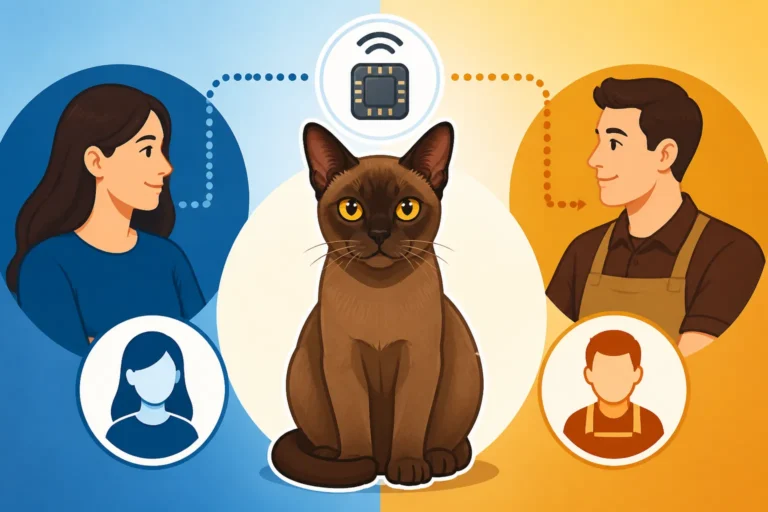
One of the most fundamental questions you must ask is about the diabetes status of the kitten's parents and, ideally, their grandparents. Has either parent, or any cat in the immediate ancestral line, developed diabetes? If so, at what age did it manifest, and how was it managed? A transparent breeder will have this information readily available and should be willing to discuss it openly. They should be able to provide records or at least anecdotal evidence of health statuses.
Be wary of breeders who are vague, dismissive, or claim that "none of their cats have ever had any problems." While it's possible, given the breed's predisposition, it's also a red flag. A truly responsible breeder is engaged with their breed's health challenges and will be honest about any issues that have arisen in their lines. They understand that transparency builds trust and helps educate future owners. Think of it as them showing you their medical history, something essential when considering What a Burmese Breeder Must Test Before Any Mating. They should also ideally be testing for other common Burmese conditions, providing a full picture of their commitment to healthy lines.
Discussing Previous Litters and Their Health Outcomes
Beyond the immediate parents, inquire about the health outcomes of previous litters produced by the same breeding pair, or by other cats in the breeder's cattery. Have any kittens from these prior litters developed diabetes? If so, what was the incidence rate, and what measures did the breeder take after learning of these cases? Did they adjust their breeding program or advise the owners on specific preventative care? This line of questioning helps you understand the true genetic picture of the cattery and the breeder's long-term commitment to improving breed health.
A good breeder will view these inquiries as a sign of a responsible prospective owner, not an interrogation. They will have been in touch with previous kitten buyers and will likely have a database or mental tally of any significant health concerns that have arisen. They should be able to tell you about the successes and challenges, perhaps even putting you in touch with owners of siblings from previous litters. This historical data is invaluable, giving you insight into the potential future health of your prospective kitten.
The Importance of a Health Guarantee and Contract Details
Every reputable breeder should provide a comprehensive health guarantee as part of their sales contract. For a Burmese, this guarantee should explicitly address inherited conditions, including diabetes. What does the guarantee cover if your kitten develops diabetes within a certain timeframe? Is there a clause about specific dietary requirements or weight management that you, as the owner, must adhere to for the guarantee to remain valid? Understanding these terms upfront is critical.
Sometimes, guarantees might offer a replacement kitten or a partial refund, but the true value lies in how the breeder supports you through a difficult diagnosis. Does the guarantee extend to veterinary costs, or simply to the cost of the kitten? While it might seem like a morbid conversation to have before you even pick up your kitten, it's a necessary one. This also gives you a chance to see if Whether a Burmese Guarantee Covers Diabetes is explicitly mentioned, as it should be, given the breed’s susceptibility. A strong, clear contract reflects a breeder's confidence in their breeding program and their commitment to their kittens' long-term well-being.
Beyond the Pedigree: Diet, Weight, and Management Practices
While genetics lay the groundwork, lifestyle choices – particularly diet and weight management – are critical levers in preventing diabetes in a predisposed breed like the Burmese. A breeder's practices in these areas speak volumes about their understanding and commitment to their cats' long-term health.
Understanding the Breeder's Feeding Protocol for Kittens and Adults
One of the most impactful questions you can ask concerns the breeder's feeding philosophy. What do they feed their adult cats and kittens? Do they free-feed dry kibble, or do they offer portion-controlled wet meals? For a Burmese, a low-carbohydrate, high-protein wet food diet is paramount. Dry kibble, even "premium" brands, often contains a high percentage of carbohydrates, which can be detrimental to a Burmese's metabolic health, significantly increasing their diabetes risk.
A responsible breeder will educate you on the importance of Feeding a Burmese Is a Medical Decision, Not a Preference and elaborate on Why Carbohydrate Load Matters More in a Burmese. They should be advocating for a diet rich in meat protein and low in plant-based fillers. Ask them about specific brands they recommend and why. If they endorse free-feeding kibble, it's a significant red flag, as this practice is widely linked to obesity and diabetes in genetically predisposed cats. Many owners find that low-carb wet food or carefully balanced, portion-controlled fresh meals align with these dietary needs.
Inquiring About Weight Management and Body Condition Scoring
Given that obesity is a major trigger for diabetes in Burmese cats, understanding how the breeder manages the weight of their adult cats is crucial. Do they regularly weigh their cats? Are they familiar with body condition scoring (BCS) and can they demonstrate how to assess it? A breeder who maintains lean, muscular cats and can explain their methods is showing a proactive approach to diabetes prevention.
They should emphasize that Why Portion Control Is Medical Care in a Burmese is not an exaggeration. Ask them what they teach new owners about maintaining a healthy weight in their kittens, including how to measure food accurately and recognize signs of creeping weight gain. They should advise against free-feeding and explain why a Burmese needs careful portion control from day one. You should be prepared to learn how to monitor your cat’s weight accurately at home; perhaps even invest in a kitchen scale to ensure precise measurements. Understanding How to Weigh a Burmese Accurately at Home is a skill the breeder should equip you with.
What to Look For and What Red Flags Mean
Observing a breeder's practices and listening carefully to their responses can tell you a great deal about their integrity and the health of their breeding program. It's not just about getting the right answers, but about how those answers are delivered and what unspoken cues you pick up.
Recognizing Signs of Responsible Breeding Practices
A responsible Burmese breeder will be an open book. They'll be knowledgeable, passionate about the breed, and actively involved in breed health initiatives. They should readily share information about their cats' pedigrees, genetic testing results (for conditions like hypokalemia, GM2 gangliosidosis, and head defect, not just diabetes markers), and vet records. They will ask you as many questions as you ask them, ensuring their kittens go to suitable homes. This mutual vetting process is a hallmark of a good breeder.
They will welcome you to their home (or arrange a suitable visit environment) to see the kittens and their parents, and observe their living conditions. Their cats should appear healthy, well-socialized, and live as part of the family, not sequestered away in cages. They will talk to you about the importance of regular vet check-ups and stress What a Burmese Breeder Must Test Before Any Mating to ensure genetic health. They will prioritize health and temperament above all else.
Identifying Potential Red Flags
Conversely, several red flags should immediately make you cautious. Evasiveness when asked about health history, particularly diabetes, is a major concern. If a breeder quickly dismisses scientific findings about Burmese diabetes risk or claims their lines are "immune," proceed with extreme caution. An unwillingness to provide references from previous buyers, or a lack of a clear, written health guarantee are also serious issues.
Another significant red flag is price. If a Burmese kitten's price seems unusually low compared to the breed standard in your region, it often indicates corners have been cut. This can mean skipping essential health screenings, feeding low-quality food, or not providing adequate veterinary care, which ultimately impacts the kitten's long-term health. Remember, Why a Cheap Burmese Skipped the Hypokalemia Swab can be directly applied to diabetes screening, where a lack of transparency or a lower price often means a lack of crucial health investment. Be wary of breeders who seem more interested in making a quick sale than ensuring a good match and a healthy future for their kittens.
The Value of Vetting Your Breeder Thoroughly
The process of vetting a breeder isn't just about asking questions; it's about building a relationship and trusting your instincts. Take the time to speak with multiple breeders, even if you have a favorite. Compare their responses, their facilities, and their overall demeanor. Ask for references from their veterinarian and past kitten buyers – and actually call them. These conversations can provide invaluable third-party insights into a breeder's reputation and the health of their cats.
Visiting the cattery, if possible, allows you to observe the environment, the cats' temperaments, and their general health. Are they clean, well-fed, and interactive? Do the adults look lean and muscular, not overweight? Pay attention to the subtle cues. A breeder who is truly invested in the welfare of their animals will be transparent, patient, and eager to educate you. Your thoroughness now will pay dividends in the health and happiness of your Burmese for years to come.
Preparing for the Future: Proactive Care for Your Burmese
Even after selecting a kitten from a thoroughly vetted breeder with a clean bill of health, your commitment to preventing diabetes in your Burmese doesn't end. In fact, it's just beginning. Proactive care is the cornerstone of a long, healthy life for this special breed.
Diet and Exercise: Your Lifelong Commitment
The absolute best defense against diabetes in a Burmese is a meticulously controlled diet and consistent exercise. This means a lifelong commitment to feeding a high-protein, low-carbohydrate wet food, precisely portioned. Dry kibble should be avoided entirely if possible, or limited to extremely low-carb, species-appropriate options. Regularly review cat food labels to ensure carbohydrate content remains low. Many owners find success with specialist low-carb wet foods or fresh food services that simplify portion control and nutritional balance.
Beyond diet, ensuring your Burmese gets plenty of physical activity is vital. Their playful nature, often persisting well into old age, makes this enjoyable. Regular interactive play sessions with wand toys, laser pointers, or even teaching them to retrieve toys can help maintain a healthy weight and muscle mass. Remember that Why Weight Is the Only Lever a Burmese Owner Has when it comes to diabetes prevention – managing their weight is your most powerful tool. Combine smart feeding with engaging play, and you're building a strong foundation for their health.
Regular Vet Checks and Early Detection
Routine veterinary care is indispensable for a diabetes-prone breed. Schedule annual check-ups, and specifically request that your vet pays close attention to glucose levels, especially as your Burmese enters its middle years (around age seven). Early detection of any metabolic changes can make a world of difference in preventing the full onset of diabetes or managing it effectively.
Be observant at home for any subtle changes in your cat's behavior, appetite, or litter box habits. An increase in thirst or urination can be an early warning sign that Why a Burmese Drinking More Needs Testing That Week. Don't hesitate to contact your vet if you notice anything unusual. Your vet will also advise you on Why a Burmese's Glucose Should Be Checked From Seven and what kind of blood panels they recommend for monitoring overall health in an aging Burmese. Vigilance on your part, combined with expert veterinary care, is a powerful combination for ensuring your Burmese thrives.
Insurance Considerations for a Diabetes-Prone Breed
Given the Burmese's predisposition to diabetes, investing in comprehensive pet insurance is a wise decision. However, it's critical to secure a policy before any symptoms or diagnoses appear. Most pet insurance providers, including popular options like Healthy Paws, consider diabetes a pre-existing condition if diagnosed before or during the waiting period, and will likely exclude it from coverage if you sign up after symptoms manifest.
Carefully review different policies and their terms regarding chronic conditions and inherited predispositions. While some may not cover pre-existing conditions, a robust policy can significantly offset the ongoing costs of managing diabetes, should your cat develop it. The financial burden of insulin, special diets, and regular vet visits for a diabetic cat can be substantial, so planning ahead with a good insurance plan can provide immense peace of mind. It’s worth checking Whether a Burmese Policy Is Worth It Once Diabetes Is Excluded, but generally, having a policy in place for other potential issues is still beneficial, even if diabetes itself becomes an exclusion.
| Key Questions to Ask a Burmese Breeder | What to Look For in the Answer | Red Flags to Watch For |
|---|---|---|
| Diabetes history of parents/grandparents? | Openness, specific examples, age of onset, management. | Vagueness, "no problems ever," defensiveness. |
| Health outcomes of previous litters? | Knowledge of past kitten health, follow-up with buyers. | Disinterest, inability to recall, no contact with past buyers. |
| What's covered in the health guarantee? | Explicit mention of inherited conditions like diabetes, clear terms. | General clauses, exclusions for "pre-existing conditions" without clarification. |
| Feeding protocol (type, quantity, frequency)? | High-protein, low-carb wet food, portion control, no free-feeding. | Free-feeding dry kibble, generic "premium" brand recommendations. |
| How do you manage adult cat weight? | Regular weighing, body condition scoring knowledge, lean cats. | Overweight adult cats, no knowledge of BCS, dismissing weight as an issue. |
| What other genetic tests are done? | Documentation for Hypokalemia, GM2, Head Defect, etc. | Only basic tests, or no documentation readily available. |
| Do you have vet references or past buyer testimonials? | Eagerness to provide contacts, positive reviews. | Refusal, claims of privacy, negative online reviews. |
Disclaimer
This article is for general informational purposes only and does not constitute professional advice. Laws, prices and regulations vary by location and change over time. Consult a qualified professional for guidance on your specific situation.