What Importing a Burmese From Britain Involves
Thinking about bringing a new furry family member across the Atlantic can feel overwhelming, especially when you're dreaming of a specific type of cat like the European Burmese. Many people find themselves drawn to the distinct characteristics of the British lines, but the process of actually getting one home can seem like a daunting labyrinth of regulations and costs. This guide is here to untangle that journey for you, offering a clear, empathetic roadmap to importing a beautiful Burmese from Britain.
Why You Might Consider a British Burmese
For many enthusiasts, the decision to import a Burmese from Britain isn't just about getting a cat; it's about acquiring a specific, cherished type within the breed. The Burmese, despite its shared ancestry, has diverged significantly in its development across different continents, leading to what we now commonly refer to as the American Burmese and the European Burmese. If your heart is set on the latter, often the most direct path is to seek out a reputable breeder in its heartland.
The Allure of the European Burmese Look and Temperament
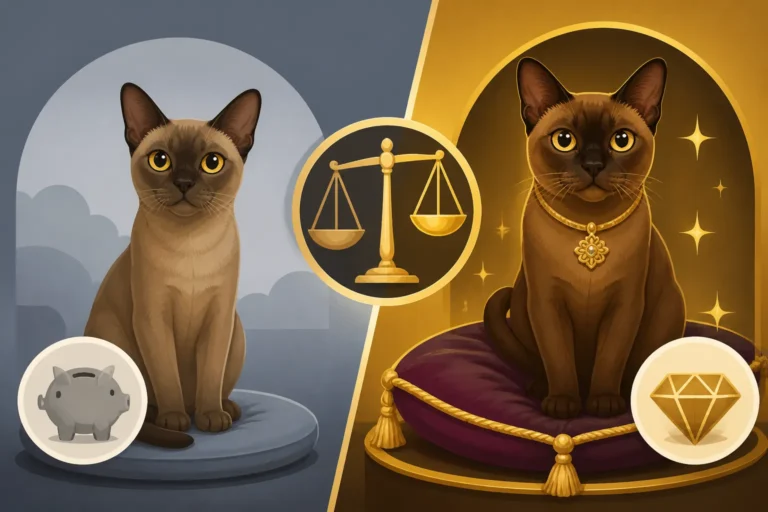
The European Burmese, often bred to a slightly different standard than its American cousin, presents a unique aesthetic that many find incredibly appealing. While both types share that famously sleek, satin coat and captivating personality, the European Burmese tends to have a more elegant, moderate body type. You'll often see them with a less rounded head and muzzle, and a slightly longer, more athletic build. Their eyes, while still expressive, might possess a subtly different shape and set that truly distinguishes them.
Beyond the physical, some owners feel there are subtle nuances in temperament, though both types are renowned for their affectionate, "dog-like" devotion. European lines are still incredibly social, intelligent, and playful, yet some enthusiasts describe them as perhaps a touch more vocal or even a shade more independent, though they remain utterly dedicated to their human companions. When you're spending years with a beloved pet, these subtle distinctions in both appearance and personality can be a powerful draw. Understanding these differences, you might want to delve deeper into What an American Burmese's Head Should Look Like versus What a European Burmese's Head Should Look Like to truly appreciate the distinctions.
The Quest for Specific Bloodlines
Sometimes, it’s not just the general type that calls to you, but a desire for specific bloodlines. Breeders in Britain have been meticulously developing their lines for decades, cultivating certain traits, colors, or temperaments that might be less common or simply unavailable in your local area. This might involve a particular shade of blue, a specific conformation that adheres closely to the breed's historical European standard, or lines known for exceptional longevity and health.
Importing allows you to access this broader genetic pool. It enables you to work with breeders who have focused on different aspects of the breed's development, potentially offering a kitten that is a better match for your specific desires, whether that's for showing, breeding, or simply as a cherished companion. This pursuit of specific genetics also extends to health; you might find a breeder whose lines have a particularly strong record of being clear of certain genetic conditions, offering peace of mind. It’s a dedicated path, but for many, it's worth it to find that truly special feline family member.
The Practical Steps for Importing a Burmese from the UK
Once you've decided that a British Burmese is definitely for you, the practicalities kick in. This isn't a simple transaction like buying from a local breeder; it involves a significant amount of research, coordination, and patience. The key is to break down the process into manageable steps, starting with finding the right source and then navigating the necessary red tape for international travel.
Finding a Reputable Breeder Across the Pond
This is arguably the most critical step. A good breeder, whether local or overseas, will be your best resource and partner through this journey. Begin by looking at breed club websites in the UK, such as the Burmese Cat Club or the European Burmese Cat Club, for lists of registered breeders. Don't be shy about reaching out to several, explaining your interest in importing.
When you connect with breeders, ask a lot of questions. Inquire about their breeding philosophy, the health testing they conduct on their breeding cats, and their experiences with international placements. For instance, you should always ask Which Tests Belong on a Burmese DNA Panel and insist on seeing the results for both parents. A reputable breeder will be transparent about their cats' health history, including any prevalence of conditions like Hypokalemia or diabetes in their lines. They should be willing to share pedigrees and discuss the temperament of their kittens. Ask for references from other international buyers if possible. Video calls are invaluable for seeing the cattery environment and interacting with the kittens and their parents. It's a significant investment, so take your time and choose a breeder you trust implicitly. A breeder who truly cares will also want to know a lot about you and the home you can provide, just as a good breeder locally would.
Navigating the Paperwork and Travel Regulations
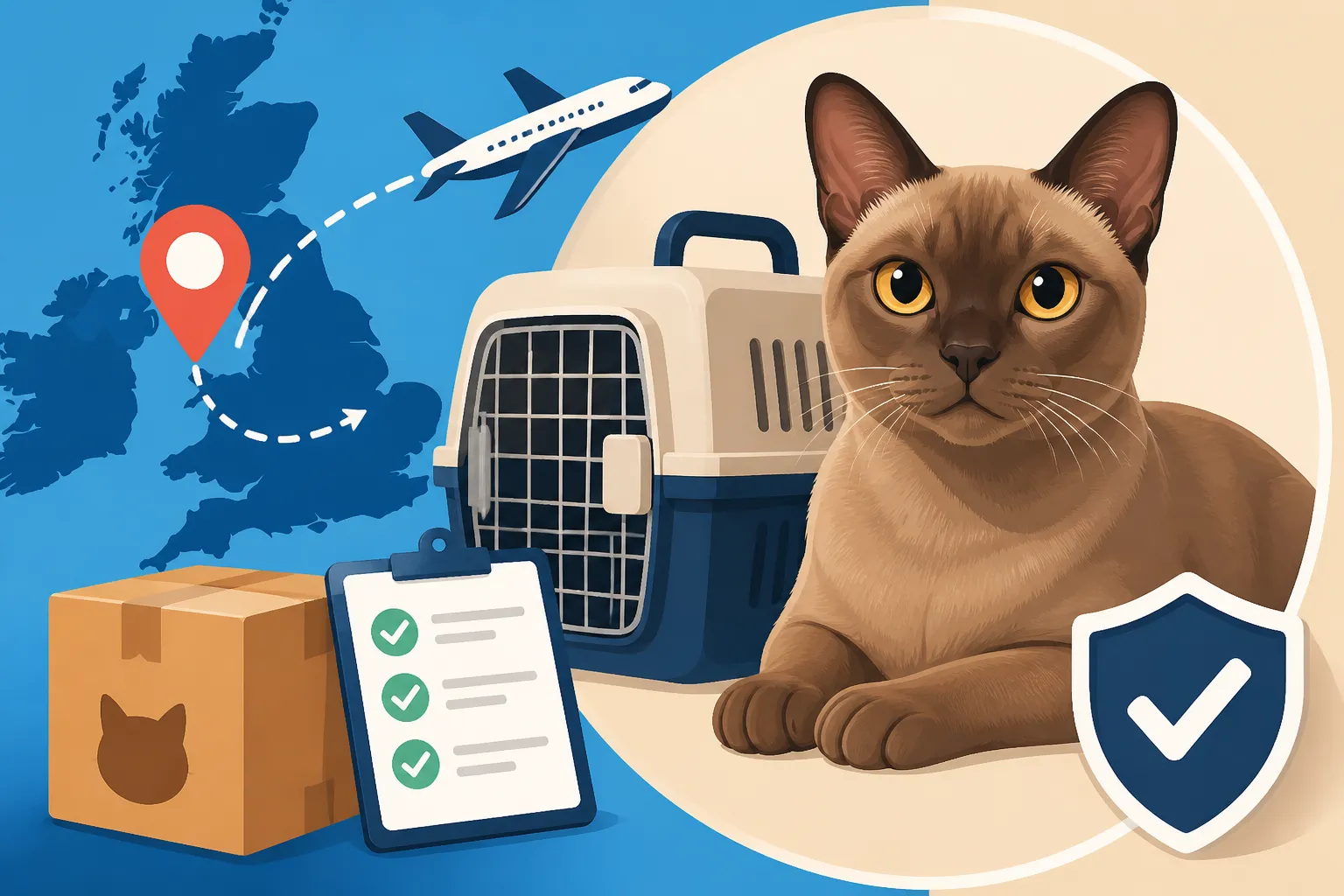
The administrative side of importing a pet can feel like a full-time job. The United States Department of Agriculture (USDA) sets the import requirements for pets, and these can change, so always check their Animal and Plant Health Inspection Service (APHIS) website for the most current regulations. Generally, a kitten must be at least 16 weeks old to enter the U.S. when traveling from a country with a high risk of rabies, though the UK is often considered rabies-free or low-risk, which can simplify some aspects. However, standard requirements usually include:
- Microchipping: Your kitten must be microchipped with an ISO-compliant chip before any rabies vaccination.
- Rabies Vaccination: Even if the UK is considered low-risk, a rabies vaccination is typically required. It must be administered after the microchip and when the kitten is at least 12 weeks old. There's often a waiting period (e.g., 21-30 days) after the vaccination before the kitten can travel.
- Health Certificate: An official veterinary health certificate, often called an "export health certificate," is required. This must be issued by a government-approved veterinarian in the UK within a specific timeframe (e.g., 10 days) prior to travel. This certificate attests that the cat is healthy, free from infectious diseases, and fit to travel.
- Airline-Specific Requirements: Each airline has its own rules regarding pet travel, including crate dimensions, ventilation, and even breed restrictions (though Burmese cats are generally not restricted). You'll need to book the cat's travel well in advance, usually as cargo or, if small enough and the airline allows, in the cabin with an accompanying passenger. Be aware that during extreme weather conditions, airlines might have embargoes on pet travel. Ensure the crate is airline-approved, comfortable, and clearly labeled. Many people find that Why Two Burmese Kittens Travel Better Than One applies not just to settling in, but also to making the journey less stressful for the pair.
This table provides a generalized overview of key requirements. Always confirm with the USDA APHIS and your chosen airline for the most up-to-date and specific details.
| Requirement | Details | Timing |
|---|---|---|
| Microchip | ISO 11784/11785 compliant | Before rabies vaccination |
| Rabies Vaccine | Administered by licensed vet, at ≥12 weeks old | At least 21 days before travel |
| Age | Minimum 16 weeks old at time of entry (due to vaccine timelines) | At time of travel |
| Health Certificate | Issued by government-approved vet in country of origin | Within 10 days of travel (confirm exact window) |
| Airline Carrier | IATA compliant, sufficient size for cat to stand/turn around | Throughout travel |
| Customs Form | May be required upon arrival | Upon arrival in USA |
Understanding the Full Financial Commitment
Importing a cat is a significant financial undertaking. It's much more than just the purchase price of the kitten; there are numerous fees, travel costs, and ongoing expenses that can quickly add up. Being fully prepared for these costs is crucial to ensure a smooth process and a healthy start for your new family member.
Beyond the Purchase Price: Travel and Veterinary Costs
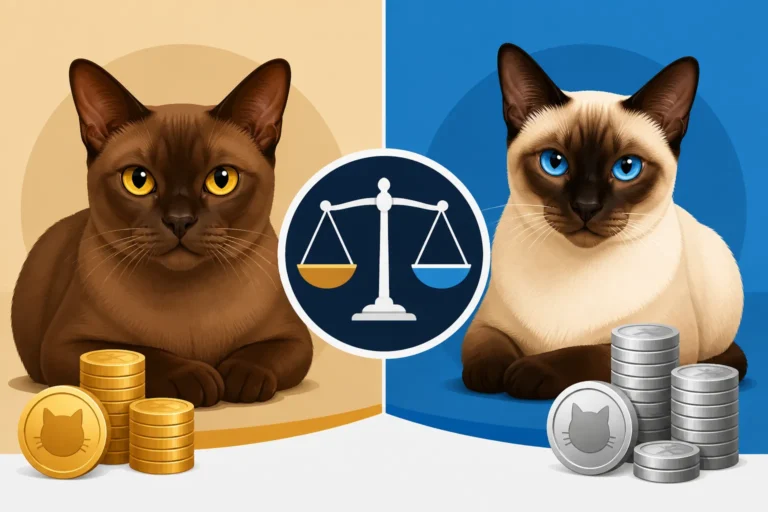
The price of a European Burmese kitten itself can be higher than an American Burmese, sometimes Why a European Burmese Costs Twice an American One due to specific breeding programs, smaller gene pools, and the general market for European lines. But that's just the beginning.
- Kitten Price: Expect to pay a premium for a well-bred European Burmese from a reputable British cattery.
- Flights: This will likely be the largest single expense after the kitten's purchase. Costs vary wildly depending on whether the cat travels as accompanied baggage, in-cabin (if small enough and allowed), or as cargo. Cargo fees for pets can be substantial, often running into hundreds or even thousands of dollars, considering the specialized handling, climate-controlled compartments, and necessary bookings.
- Veterinary Export Fees: Your British breeder will incur costs for the final health checks, microchipping, rabies vaccination, and the official export health certificate. They usually pass these costs on to you.
- USDA Endorsement: The UK government veterinary services (APHA) will need to endorse the health certificate, which comes with its own fee.
- Customs and Broker Fees: While pets typically don't incur customs duties for personal import, you might choose to use a pet relocation service or customs broker to manage the complex paperwork on the US side, which will add to the cost.
Long-Term Care and Insurance Considerations
Once your Burmese arrives, your financial commitment continues. A new kitten always means initial vet visits, vaccinations, and neutering/spaying. For any Burmese, particularly one with a potentially diverse genetic background, a thorough post-arrival vet check is essential. This check should include a general health assessment, parasitic screenings, and a discussion about any breed-specific health concerns.
Feeding a Burmese, especially if you're mindful of their diabetes risk, can also be a significant line item in your budget. Why a Burmese's Food Bill Is a Health Decision is something all owners need to understand. Many owners opt for high-quality, low-carbohydrate wet foods. Specialized diets and tailored, fresh food options are beneficial but often come at a higher price point.
Finally, consider pet insurance. Given the breed's predispositions, such as the high rate of diabetes, it's a wise investment. Companies like Healthy Paws offer various plans, but be sure to read the fine print regarding pre-existing conditions and breed-specific exclusions. Enrolling a kitten early, before any health issues might arise, is always recommended. Whether a Burmese Policy Is Worth It Once Diabetes Is Excluded is a question many owners grapple with, emphasizing the importance of securing coverage proactively. The lifetime cost of a Burmese is considerable, and budgeting for potential health needs is a key part of responsible ownership.
Disclaimer
This article is for general informational purposes only and does not constitute professional advice. Laws, prices and regulations vary by location and change over time. Consult a qualified professional for guidance on your specific situation.