Whether a Burmese Deposit Covers Both of a Pair
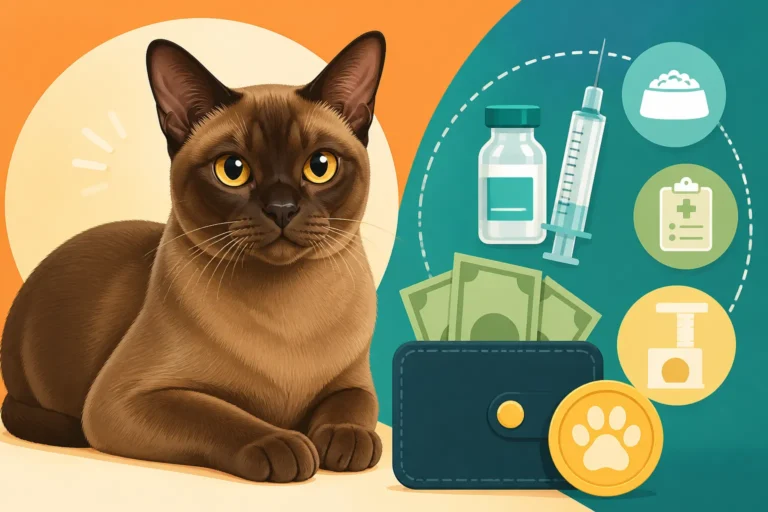
It's an exciting time when you're preparing to welcome a Burmese kitten into your home, and often, that excitement quickly doubles when you realize just how social and people-oriented these magnificent felines are. The thought of getting two is a natural leap for many, but then the practical questions hit: what about the deposit? It's a common misconception that a single deposit might somehow cover a pair of kittens, especially when breeders often suggest bringing home two. This guide will meticulously unravel the ins and outs of Burmese kitten deposits, particularly when you're considering a dynamic duo, and ensure you understand the financial commitments involved.
Understanding Burmese Kitten Deposits
Bringing a new kitten home is a big step, and the deposit system can sometimes feel a bit opaque if you haven't navigated it before. For Burmese cats, known for their affectionate nature and need for companionship, the idea of reserving two at once is often on a prospective owner's mind.
What a Deposit Fundamentally Is
At its heart, a deposit is a financial commitment. Think of it as putting a down payment on a car or a house; it tells the seller you're serious. For a reputable Burmese breeder, a deposit isn't just about securing your pick of the litter; it's a mutual agreement. It reserves a specific kitten, or a spot on a waiting list for a future litter, and signifies your intent to complete the purchase. This small upfront sum helps the breeder manage their future litters and ensures they are dedicating their precious time and resources to genuinely interested families. It's rarely a 'holding fee' that can be transferred willy-nilly to other litters or applied to multiple animals without clear prior discussion.
The Breeder's Perspective on Deposits
From a Burmese breeder's point of view, deposits are crucial. Raising a litter of Burmese kittens is a significant investment of time, money, and emotional energy. They've poured their hearts into ensuring the health, socialization, and proper early care of these little ones, including all necessary vaccinations and vet checks. A deposit assures them that you, the prospective owner, are equally committed. It also helps to filter out casual inquiries from serious buyers. If someone places a deposit and then backs out last minute, the breeder might have turned away other suitable homes, potentially delaying a kitten's placement and increasing their ongoing care costs. This is why most deposits are non-refundable – they compensate the breeder for that lost opportunity and the effort involved in finding a new home for that specific kitten.
Why a Deposit is More Than Just a Booking Fee
A deposit on a Burmese kitten goes beyond merely "booking" a cat. It's often intertwined with the breeder's health guarantees and contract terms. For instance, many contracts state that the deposit locks in the health screening status of the parents, or that the kitten will have received specific veterinary care, like its first set of shots and deworming, by the time it goes home. You can learn more about this in What a Burmese Kitten Has Had Done by Thirteen Weeks. It’s an agreement that the breeder will hold that specific kitten for you, nurturing it until it's ready to leave its mother and siblings, usually around 12-14 weeks of age. This period is vital for a Burmese kitten's social development, preparing it for a smooth transition to its forever home.
The Dynamics of Buying a Burmese Pair
When you fall in love with the Burmese breed, it's easy to envision not one, but two of these affectionate felines gracing your home. The wisdom of getting a pair is often echoed by experienced owners and breeders alike.
Why Many Breeders Recommend Pairs
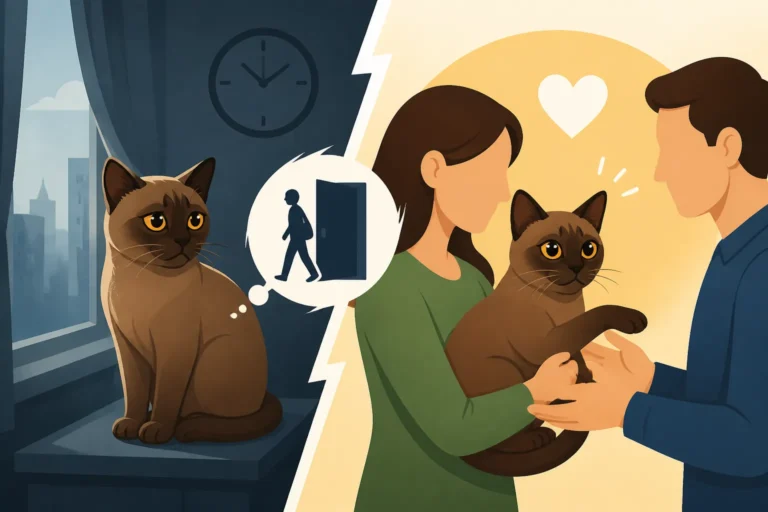
Burmese cats are famous for being the "Velcro cats" of the feline world. They crave companionship and human interaction, but perhaps even more so, they thrive on the company of another cat. It's not uncommon for breeders to actively encourage buyers to consider a pair. They understand that a single Burmese, left alone for extended periods, can develop separation anxiety or behavioral issues. Imagine the constant purring and playful antics of two Burmese chasing each other, snuggling up, and generally keeping each other mentally and physically stimulated. This significantly reduces the likelihood of destructive behaviors like spraying or Why an Anxious Burmese Pulls Its Own Fur Out that can stem from loneliness. From the breeder's perspective, placing two kittens together ensures a happier, healthier future for the cats and a more fulfilling experience for the owners. You can delve deeper into this advice in Why Burmese Breeders Sell Them in Pairs and Why a Burmese Breeder Recommends Buying a Pair.
The Myth of a Single Deposit for Two
This is where the rubber meets the road financially. While the idea of a single deposit covering two kittens might seem logical if a breeder recommends getting a pair, it's almost universally not the case. Each kitten is an individual animal, requiring its own investment of care, food, veterinary services, and paperwork from the breeder. Therefore, each kitten typically requires its own deposit. If you're planning on bringing home two Burmese, be prepared to pay two separate deposits. This is a standard practice that reflects the breeder's costs and commitment to each individual kitten's well-being and eventual placement. It’s important to clarify this upfront to avoid any misunderstandings.
Scenarios Where a "Pair Deposit" Might Occur
While rare, there could be very specific scenarios where a breeder might offer a modified deposit structure for a pair. This would almost certainly involve a special arrangement and not a standard policy.
- Sibling Discount: Some breeders might offer a slight reduction in the total price for two kittens purchased together, as a gesture of goodwill for keeping siblings together. However, this is usually applied to the final price, not the deposit amount. You'd still likely pay two individual deposits.
- Special Needs Kittens: If a breeder has a kitten with minor, manageable special needs that would benefit greatly from being placed with a sibling, they might be more flexible. This is highly situational and not something to expect.
- Breeder's Discretion: Ultimately, the terms are at the individual breeder's discretion. A long-standing relationship, or a specific circumstance, might lead to a unique arrangement, but this is the exception, not the rule. Always assume separate deposits unless explicitly stated otherwise in a written agreement.
A typical deposit amount can vary widely depending on the type of Burmese (American vs. European), the color, and the breeder's location. For general pricing information, you might refer to articles like How Much a Pet European Burmese Costs From a Breeder.
Decoding Your Burmese Purchase Agreement
A comprehensive purchase agreement isn't just a formality; it's your blueprint for a smooth transition with your new Burmese family members. When you're considering a pair, it becomes doubly important to scrutinize the details.
Essential Questions to Ask About Deposits
Before you hand over any money, clarity is your best friend. Don't be shy about asking direct questions. A reputable breeder will appreciate your thoroughness.
- Is the deposit for one kitten or two? As discussed, assume one unless told otherwise. Get this in writing.
- Is the deposit refundable? Under what circumstances? Most are non-refundable, but it's good to understand the policy if, for instance, a serious health issue arises with the kitten before you take it home.
- What does the deposit secure? Is it for a specific kitten, or a spot on a general waiting list for a future litter? If it's for a specific kitten, ensure the agreement identifies that kitten (e.g., by microchip number, color, and sex).
- What is the total purchase price, and how much of that does the deposit cover? This helps you budget the remaining balance.
- When is the final payment due? Typically, this is upon pickup, but some breeders might have specific terms.
What a Reputable Contract Should Specify
A robust contract protects both you and the breeder. For Burmese cats, given their specific health predispositions, certain clauses are particularly vital.
- Kitten Identification: Each kitten should be individually identified, perhaps by a microchip number, birth date, color, and sex.
- Deposit and Payment Schedule: Clear terms for deposits, final payments, and any potential payment plans.
- Health Guarantee: This is paramount for Burmese. It should detail what conditions are covered (e.g., congenital defects, genetic diseases like hypokalemia or diabetes). Many breeders will guarantee against inheritable diseases. Some might offer a limited-time guarantee against common illnesses post-purchase. You might inquire about what Whether a Burmese Guarantee Covers Hypokalemia specifies.
- Spay/Neuter Agreement: Most pet-quality kittens are sold with a contract requiring spaying or neutering by a certain age.
- Return Policy: What happens if, for unforeseen reasons, you cannot keep the kitten(s)? Reputable breeders usually require the cat to be returned to them rather than rehomed independently.
- Breeder's Responsibilities: What the breeder commits to providing (e.g., vaccinations, deworming, health records, registration papers).
- Your Responsibilities: What you commit to as the owner (e.g., providing proper veterinary care, appropriate nutrition, safe indoor environment).
Red Flags in Deposit Agreements
Be wary of any breeder whose deposit practices or contract terms seem off. This is a significant investment in a living, breathing creature, and you deserve transparency.
- Vague Terms: If the deposit agreement is overly simplistic, hand-written, or lacks specific details about the kitten or the terms of the sale, proceed with caution.
- Cash-Only Deposits Without Receipts: Always get a written receipt for any payment made, whether cash or electronic.
- No Contract: A reputable breeder will always have a written contract. No contract is a massive red flag.
- Pressure to Pay Quickly: While popular litters can move fast, a breeder pressuring you to put down a deposit without giving you time to review the contract or ask questions is concerning.
- Deposits for "Any Kitten": If the deposit doesn't specify which kitten or a clear spot on a defined waiting list, it's too vague.
- Lack of Health Information: If the breeder isn't transparent about the parent cats' health screenings, or if the contract is silent on health guarantees, that's a serious concern, especially for a breed like the Burmese with known genetic predispositions.
Financial Considerations Beyond the Deposit
While the deposit secures your future kitten(s), it's just the tip of the iceberg when it comes to the lifelong financial commitment of owning a Burmese, especially a pair. Understanding these broader costs is essential for responsible pet ownership.
The True Cost of Bringing Home Two Burmese
Beyond the purchase price, there's a significant initial outlay when you bring home one, let alone two, Burmese kittens. You'll need to double up on many items.
- Initial Setup Costs: This includes essentials like cat carriers (two, or one very large one if they are small enough to share initially, but eventually two for vet visits), food and water bowls, scratching posts (plural!), a cat tree (or two!), toys galore, litter boxes (ideally three for two cats, following the n+1 rule), and a supply of high-quality litter. Investing in durable, engaging toys is crucial, as a Burmese will stay playful well into old age.
- First Vet Visits and Vaccinations: Even if the breeder has given initial vaccinations, your new kittens will need follow-up shots, deworming, and a thorough check-up with your own vet. Factor in microchipping if the breeder hasn't done it yet.
- Spay/Neuter Surgeries: Unless you're purchasing breeding rights (which are significantly more expensive and subject to strict contracts), your kittens will need to be spayed or neutered. This is a significant one-time cost that varies by clinic and location. Remember, Why Neutering Raises a Burmese's Diabetes Risk and Its Bill is something to be aware of and factor into your long-term health budget.
Budgeting for a Lifetime of Care
Owning a Burmese is a long-term commitment, often spanning The Sixteen to Eighteen Years a Well Bred Burmese Gets. Two Burmese means doubling many recurring expenses.
- Food: Burmese cats thrive on high-protein, low-carbohydrate wet food to help manage their predisposition to diabetes. This type of food can be more expensive than kibble. Fresh, human-grade food can be tailored to your cats' needs, and ordering in bulk can make keeping a steady supply easier. Always prioritize quality over cost here; Why a Burmese's Food Bill Is a Health Decision.
- Litter: Two cats, two litter boxes (or more!), means you'll go through a lot more litter.
- Routine Vet Care: Annual check-ups, booster vaccinations, and regular dental cleanings are all part of responsible ownership. Burmese are prone to gum disease, so budgeting for regular dentals is crucial.
- Emergencies and Unexpected Illnesses: This is where things can get truly expensive. A sudden illness, an injury, or the eventual onset of chronic conditions like diabetes or kidney disease can lead to significant veterinary bills.
Here's a simplified look at how costs might scale:
| Item | Cost for One Burmese (Approx. Annually) | Cost for Two Burmese (Approx. Annually) | Notes |
|---|---|---|---|
| High-Quality Wet Food | Moderate to High | High to Very High | Crucial for health, especially for diabetes risk |
| Litter & Supplies | Low to Moderate | Moderate to High | N+1 litter box rule applies |
| Routine Vet Care | Moderate | Moderate to High | Annual exams, vaccinations, parasite control |
| Dental Cleanings | Moderate (as needed) | Moderate to High (as needed) | Burmese prone to gum disease |
| Toys & Enrichment | Low | Low to Moderate | Important for mental stimulation, especially for pairs |
| Insurance Premium | Moderate | Moderate to High | Highly recommended, especially for this breed |
| Emergency Fund (Savings) | High (recommended) | High (recommended) | Essential buffer for unforeseen medical issues |
Protecting Your Investment: Insurance and Quality Food
Given the Burmese's predisposition to certain health issues, notably diabetes and hypokalemia, robust preventative care and financial planning are paramount.
- Pet Insurance: This isn't just a nice-to-have; for a Burmese, it can be a lifesaver. Companies like Healthy Paws offer comprehensive plans that can cover accidents, illnesses, and even hereditary conditions (if enrolled before symptoms appear). Considering Whether a Burmese Policy Is Worth It Once Diabetes Is Excluded is important, as some policies might exclude pre-existing conditions. Getting insurance early, when your kittens are young and healthy, is the smartest move. It can significantly offset the cost of chronic conditions like diabetes later in life, which can run into hundreds of dollars a month for insulin and monitoring.
- High-Quality, Low-Carbohydrate Food: As mentioned, this is a medical decision for a Burmese. Feeding appropriate nutrition from day one can drastically reduce the risk of developing diabetes. Look for wet foods with a carbohydrate content below 10%. Brands available through Chewy often provide detailed nutritional breakdowns, allowing you to make informed choices. This might seem like a higher upfront cost, but it can save you thousands in veterinary bills down the line. Which Wet Food Suits a Diabetes Prone Burmese will provide more specific guidance.
Ultimately, bringing home a pair of Burmese cats is a joyous experience that enriches your life in countless ways. By understanding the deposit process and planning for the long-term financial commitment, you set yourself up for many happy, healthy years with your affectionate companions.
Disclaimer
This article is for general informational purposes only and does not constitute professional advice. Laws, prices and regulations vary by location and change over time. Consult a qualified professional for guidance on your specific situation.