What a Burmese Kitten Has Had Done by Thirteen Weeks
Bringing a new Burmese kitten home is incredibly exciting, but it can also come with a whole lot of questions and a little bit of anxiety about ensuring your new furry family member has had the best possible start. Many new owners worry if they're getting a kitten that's truly healthy and well-prepared for life, or if they're missing crucial information about their early care. This comprehensive guide is here to alleviate those concerns by meticulously outlining exactly what a Burmese kitten should have completed in terms of health, socialization, and foundational care by the time they reach thirteen weeks of age.
The Foundation of Health: Vaccinations and Parasite Control
By the time your adorable Burmese kitten is ready to leave its breeder and snuggle into your home at around 12-13 weeks, it should have already received a significant head start on its health journey. This isn't just about poking them with a needle; it's about building a robust immune system and ensuring they're free from common parasites that can severely impact a young cat's well-being. A responsible breeder understands that this early care is non-negotiable for the long-term health of their kittens.
Essential Vaccine Schedule for Burmese Kittens
Vaccinations are absolutely paramount, acting as tiny shields against some very nasty diseases. For a Burmese kitten, the core vaccine is typically a combination that protects against Feline Viral Rhinotracheitis (FHV-1), Feline Calicivirus (FCV), and Feline Panleukopenia (FPV). This is often abbreviated as FVRCP, or sometimes called the feline distemper vaccine.
A standard vaccination protocol for kittens generally starts their first dose around 6-8 weeks of age. This is followed by booster shots every 3-4 weeks until they are around 16 weeks old. So, by thirteen weeks, your Burmese kitten should have already received at least two, and often three, of these crucial FVRCP doses. The exact timing can vary slightly based on the veterinarian's protocol and the kitten's individual health, but having received the foundational shots is key. These vaccines protect against highly contagious and potentially fatal diseases, making them a cornerstone of early kitten care.
Beyond the core FVRCP, there's also the Feline Leukemia Virus (FeLV) vaccine to consider. While not always considered a "core" vaccine for strictly indoor cats who will never encounter other felines, many breeders opt to give it, especially if the kitten comes from a multi-cat household or if you, as the new owner, plan for future outdoor access or interactions with other cats whose FeLV status isn't known. It's an important discussion to have with your breeder and your own vet, but if given, the FeLV vaccine also typically follows a two-dose schedule, with the first around 9 weeks and the second around 12 weeks.
Finally, the rabies vaccine. This one is often mandated by law in many areas and is typically administered as a single dose around 12-16 weeks of age. So, at thirteen weeks, your kitten might have just received its first rabies shot, or it might be scheduled for the very near future. It’s important to remember that these vaccines don't just protect your individual kitten; they contribute to herd immunity, safeguarding the entire feline community.
Comprehensive Deworming and Flea Prevention
Kittens are incredibly vulnerable to internal and external parasites, which can quickly drain their tiny bodies of nutrients and cause serious health problems. It's a common misconception that only outdoor cats get worms; kittens can be born with roundworms acquired from their mother or pick them up from the environment very easily.
A reputable Burmese breeder will have initiated a rigorous deworming schedule well before thirteen weeks. This usually involves multiple rounds of broad-spectrum dewormers, starting as early as two or three weeks of age and repeated every 2-3 weeks. By the time your kitten is 13 weeks old, it should have had several doses of dewormer, targeting common culprits like roundworms and hookworms. You should expect documentation of these treatments. This isn't just about comfort; a heavy worm burden can lead to stunted growth, a dull coat, diarrhea, and even anemia in severe cases.
Similarly, initial flea prevention is crucial. Fleas can cause intense itching, skin infections, and even transmit tapeworms to kittens. Good breeders will ensure their kittens, and the cattery environment, are free of fleas. Your kitten should have received an initial dose of a kitten-safe flea preventative. While this might not be an ongoing treatment at this young age, it ensures they're starting their new life without an itchy problem. Maintaining a clean living space and a consistent parasite prevention plan is vital to keep your Burmese healthy and comfortable from day one. You can find a wide range of suitable parasite preventatives on platforms like Chewy, ensuring you continue the good work started by the breeder.
Critical Health Screenings and Breeder Responsibilities
When you welcome a Burmese into your family, you're not just getting a cat; you're getting a specific breed with its own unique health considerations. A responsible breeder goes above and beyond basic care, actively working to minimize the risk of inherited diseases through careful breeding practices and genetic testing. By thirteen weeks, a solid foundation should have been laid in this area, primarily through the screening of the kitten's parents.
Genetic Health Testing: What a Burmese Kitten's Parents Should Clear
The Burmese breed, both American and European types, is known to carry a few specific genetic conditions that good breeders conscientiously screen for. While kittens themselves aren't usually tested for carrier status at 13 weeks (that often happens later if they are destined for breeding), their parents absolutely must be cleared.
Two of the most significant conditions are:
- Hypokalemia (Burmese Hypokalemic Periodic Paralysis, BPK): This is a recessive condition that can cause muscle weakness and sometimes collapse in affected cats. It's often triggered by stress or strenuous exercise. Reputable breeders will DNA test their breeding cats for the WNK4 mutation responsible for BPK. You should expect to see documentation showing both parents are either 'clear' or, if one is a 'carrier', that they were only bred to a 'clear' cat, ensuring no affected kittens are produced. What a Burmese Breeder Must Test Before Any Mating covers this in detail.
- GM2 Gangliosidosis: Another devastating recessive neurological disorder found in Burmese cats, this condition leads to progressive neurological deterioration and a significantly shortened lifespan. Again, parents must be screened to prevent affected kittens.
- Flat Chested Kitten Syndrome (FCKS): While less understood genetically, a good breeder will monitor litters closely for this condition from birth. While some kittens can recover, it can be severe. Why a Burmese Kitten's Chest Should Be Checked at Birth explains its importance.
By 13 weeks, your kitten's parents should have undergone these DNA tests, and the breeder should be transparent, providing you with copies of the results for both the sire and dam. This transparency is a hallmark of an ethical breeder. It’s also wise to understand Which Tests Belong on a Burmese DNA Panel so you know what to look for on those certificates. This proactive approach by the breeder is your best assurance that your kitten has the lowest possible risk of inheriting these specific health challenges.
Initial Veterinary Examinations and Health Records
Throughout their first thirteen weeks, your Burmese kitten should have had multiple thorough veterinary examinations. These aren't just quick glances; they are comprehensive health checks performed by a licensed veterinarian. Typically, a kitten visits the vet at each vaccination appointment.
During these exams, the vet will:
- Listen to the heart and lungs to check for murmurs, irregular rhythms, or respiratory issues.
- Examine the eyes for clarity, discharge, or any signs of congenital defects.
- Check the ears for mites, infections, or excessive wax.
- Inspect the mouth, gums, and developing teeth.
- Palpate the abdomen to check for internal organ abnormalities or discomfort.
- Check for hernias (umbilical or inguinal).
- Assess overall body condition, gait, and alertness.
- Record their weight and track their growth curve.
By 13 weeks, your kitten should have a clean bill of health from these repeated checks. You should receive a complete health record from the breeder, detailing every vet visit, vaccination date, deworming product used, and any other medical notes.
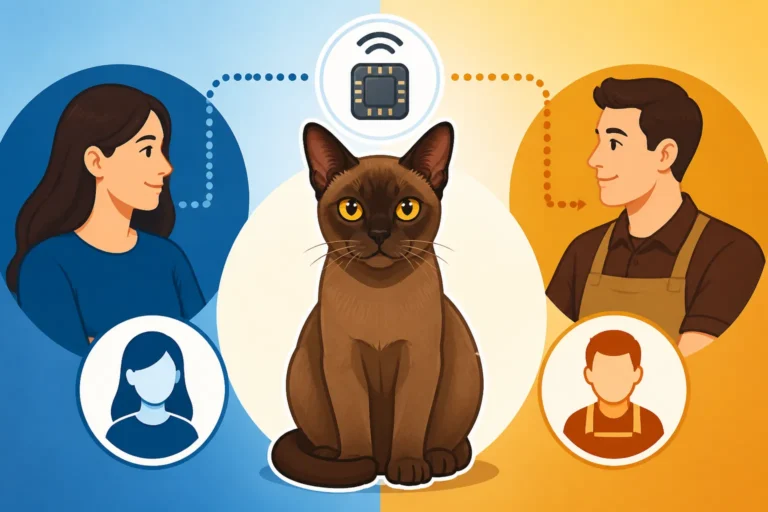
Microchipping is another crucial step often completed around this age, typically coinciding with one of the later vaccination appointments, usually around 12 weeks or slightly after. When a Burmese Is Chipped in the Breeder's Schedule outlines the timing. The microchip provides permanent identification, significantly increasing the chances of being reunited if your cat ever gets lost. Ensure the breeder provides you with the microchip registration details so you can transfer ownership into your name.
Finally, a responsible breeder will have already started thinking about your kitten's future dietary needs. Burmese cats are genetically predisposed to diabetes, making diet a critical medical decision, not just a preference. The breeder should discuss their current diet (usually a high-protein, low-carbohydrate wet food) and strongly advise against free-feeding or high-carb kibble. This early guidance on Why Portion Control Is Medical Care in a Burmese is invaluable for preventing future health issues.
Early Socialization and Behavioral Foundations
Burmese cats are renowned for their incredibly sociable, dog-like personalities. This isn't just luck; it's the result of inherent breed traits combined with diligent early socialization by a dedicated breeder. By thirteen weeks, your kitten should be a confident, friendly, and outgoing little creature, ready to bond deeply with its new family.
The Importance of Early Handling and Exposure
A Burmese kitten needs intensive human interaction from a very young age to truly blossom into the affectionate "velcro cat" they are famous for. The Burmese Is the Velcro Cat of the Cat Fancy is a title they've earned through their unwavering devotion! A good breeder understands this and makes sure their kittens are constantly handled, cuddled, and played with by various family members from the moment they are old enough to safely interact.
By 13 weeks, your kitten should be:
- Comfortable with being held: They shouldn't struggle or resist when picked up, but rather melt into your arms, purring contentedly.
- Used to different voices and touches: Exposure to men, women, and older children (if applicable in the breeder's home) helps them generalize their trust in humans.
- Acclimated to household noises: The sounds of a vacuum cleaner, television, doors opening and closing, and general busy household activity should not faze them. This prevents them from becoming skittish or fearful later in life.
- Familiar with gentle examination: The breeder should have routinely checked their ears, paws, and mouth, making future vet visits and home care (like nail trims or teeth brushing) much easier.
This constant, positive interaction builds their confidence and ensures they see humans as a source of comfort, play, and security. Without this crucial early exposure, a Burmese can still be affectionate, but they might be less outgoing or more prone to anxiety.
Litter Training and Basic Manners
By thirteen weeks, a well-raised Burmese kitten should be a pro at using the litter box. They learn this from their mother and from observing their littermates, but a breeder provides multiple, easily accessible litter boxes that are kept impeccably clean. This early success reinforces good habits.
Beyond the litter box, early manners are also being subtly taught. Kittens learn boundaries during play with their siblings, but a breeder also guides them to understand what is acceptable play with humans. By 13 weeks, a kitten should understand:
- Not to bite or scratch aggressively: While play biting is normal kitten behavior, a good breeder will redirect it with toys and teach bite inhibition. Your hands should be for petting, not for wrestling.
- Using a scratching post: Kittens should be introduced to appropriate scratching surfaces early on. The breeder will likely have various types (sisal, cardboard, carpeted) to see what the kittens prefer, encouraging them to use these instead of furniture.
- Accepting nail trims: With regular, gentle handling from a young age, a Burmese kitten should be relatively accepting of having its claws trimmed. This makes future grooming much less stressful for both you and your cat.
- Getting used to tooth brushing: Given the Burmese's predisposition to dental issues, some breeders even start introducing kittens to a toothbrush and cat-friendly toothpaste at this young age. Getting a Toothbrush Into a Burmese Kitten's Routine is a fantastic habit to carry on.
This early behavioral foundation ensures that your Burmese kitten arrives in your home not just healthy, but also polite and ready to integrate seamlessly into your family life.
Nutritional Start and Environmental Preparation
The first few months of a kitten's life are critical for growth and development, and proper nutrition plays an enormous role. Furthermore, a responsible breeder ensures that the kitten's transition to your home is as smooth and stress-free as possible, providing you with the knowledge and tools to continue their excellent care.
Establishing Healthy Eating Habits
By 13 weeks, your Burmese kitten should be fully weaned from its mother's milk and eating solid food reliably. The breeder will have carefully selected a high-quality kitten food, and it's essential that you continue this diet, at least initially, to avoid digestive upset.
Here's what should be in place regarding their diet:
- High-Quality, Species-Appropriate Food: This means a diet rich in animal protein and low in carbohydrates. Many breeders prefer wet food over dry kibble for Burmese cats due to its lower carbohydrate content and higher moisture, which is crucial for kidney health. Why Low Carbohydrate Food Matters for a Burmese cannot be stressed enough for this breed.
- Controlled Portions and Regular Meal Times: Free-feeding is a big no-no for Burmese, especially given their genetic predisposition to diabetes and their tendency to be quite food-motivated. By 13 weeks, your kitten should be accustomed to eating measured meals at specific times throughout the day (usually 2-3 times). This helps regulate their metabolism and prevents overeating.
- Hydration: While wet food contributes to hydration, your kitten should also be used to drinking fresh water from a bowl or fountain.
The breeder should send you home with a supply of the food your kitten is currently eating, along with detailed instructions on portion sizes and feeding times. If you plan to switch foods, it should be done very gradually over a week or more to prevent stomach upset. For a wide variety of high-quality, low-carb wet foods suitable for Burmese, check out suppliers like Chewy. They often have detailed nutritional information on their product pages, making it easier to select appropriate options.
Preparing for a Smooth Transition Home
Beyond the immediate care, a breeder also thinks about the future, preparing you to welcome your kitten effectively. By thirteen weeks, they'll be discussing the practicalities of bringing your kitten home.
You should expect the breeder to provide:
- A "Go-Home" Bag: This often includes a small bag of their current food, a familiar blanket or toy that smells like their littermates and mother (to provide comfort), and any other items to help them settle in.
- Detailed Care Instructions: Written information on their feeding schedule, litter box routine, vaccination dates, deworming history, and any specific quirks or preferences.
- Availability for Support: A good breeder remains a resource for advice and support long after the kitten leaves their home.
- Discussion of Future Care: They should emphasize the importance of ongoing veterinary care, proper nutrition for diabetes prevention, and continued socialization. They might also discuss things like How Many Years a Well Bred Burmese Lives and how your long-term care impacts that.
Considering the Burmese's propensity for certain health issues, such as diabetes and dental problems, it's also a wise move to consider pet insurance from an early age. Companies like Healthy Paws offer plans that can provide peace of mind for unexpected veterinary costs. Enrolling your kitten when they are young and healthy means that pre-existing conditions (which could include those the breed is prone to if they manifest before coverage starts) are less likely to be excluded. It's a proactive step in managing the potential financial aspects of a breed that, while generally healthy, does have known predispositions.
Taking home a 13-week-old Burmese kitten is a joyful experience, and knowing they've received this comprehensive early care allows you to focus on building a loving, lasting bond.
What a Burmese Kitten Has Had Done By 13 Weeks: A Checklist
To help you ensure your Burmese kitten has received the best possible start, here’s a quick checklist of what should have been completed by the time they reach 13 weeks of age. This table summarizes the critical health, behavioral, and nutritional foundations.
| Category | Specific Care Item | Status by 13 Weeks | Documentation to Expect |
|---|---|---|---|
| Health: Vaccines | FVRCP (Distemper Combo) | At least 2-3 doses completed (e.g., 8-week, 11-week, potentially 14-week is next) | Vet Records |
| Feline Leukemia Virus (FeLV) | Often 1-2 doses completed, depending on risk assessment | Vet Records | |
| Rabies | Potentially first dose completed, or scheduled for very soon after 13 weeks | Vet Records | |
| Health: Parasites | Deworming | Multiple rounds completed (e.g., every 2-3 weeks from 2-3 weeks of age) | Vet Records |
| Flea Prevention | Initial kitten-safe treatment administered | Vet Records | |
| Health: Screenings | Parental Genetic Tests (Hypokalemia, GM2) | Both parents tested 'clear' or appropriately managed (clear x carrier) | Breeder Certificates |
| Vet Examinations | Multiple thorough physical exams completed with clear findings | Vet Records | |
| Microchipping | Chip implanted and registration initiated by breeder | Microchip ID, Transfer Form | |
| Behavior & Social. | Human Socialization | Comfortable with handling, various people, household sounds | Observation, Breeder Info |
| Litter Training | Reliably using the litter box | Observation, Breeder Info | |
| Basic Manners | Redirected from aggressive play, introduced to scratching post and nail trims | Observation, Breeder Info | |
| Nutrition | Weaning & Solid Food | Fully weaned, eating high-quality, low-carb wet food reliably | Breeder Info, Food Sample |
| Portion Control | Accustomed to measured meals at regular times | Breeder Info |
This checklist serves as a useful guide, but always remember to have an open and honest conversation with your breeder and your veterinarian. They are your primary resources for ensuring your Burmese kitten grows into a healthy, happy, and well-adjusted companion.
Disclaimer
This article is for general informational purposes only and does not constitute professional advice. Laws, prices and regulations vary by location and change over time. Consult a qualified professional for guidance on your specific situation.