How Much More Litter a Diabetic Burmese Gets Through
It’s a frustrating reality for many of us who share our homes with Burmese cats: one day, you might notice your perfectly tidy companion is suddenly spending what feels like half their life in the litter box. Or worse, you're finding larger, more frequent clumps than ever before. This sudden increase in litter usage is often one of the first, subtle clues that your beloved Burmese might be facing a serious health challenge – diabetes. This guide will walk you through why this happens, what to expect, and how to manage the increased litter demands, both physically and financially, so you can keep your home clean and your cat comfortable.
The Diabetic Connection: Why More Urination Happens
When a Burmese cat develops diabetes, their body struggles to produce enough insulin or to use it effectively. Insulin is vital for moving glucose (sugar) from the bloodstream into cells for energy. Without proper insulin function, glucose builds up in the blood, leading to high blood sugar levels. Your cat's kidneys, bless their hardworking little organs, try their best to filter out this excess sugar, but they can only do so much.
Glucose Overload and Kidney Function
Imagine a filter trying to process too much sludge. That's essentially what happens to your Burmese's kidneys with uncontrolled diabetes. When blood glucose levels are consistently high, the kidneys reach a point where they can no longer reabsorb all the glucose back into the bloodstream. This excess glucose then spills into the urine. Nature, in its wisdom, doesn't like high concentrations of anything, so it pulls water along with the glucose to dilute it. This process is called osmotic diuresis, and it's why diabetic cats produce much larger volumes of urine more frequently.
It's a stark difference from a healthy cat's urinary habits. A healthy Burmese typically produces a moderate amount of concentrated urine. A diabetic Burmese, however, will be churning out much more diluted urine, leading to those surprisingly heavy, oversized clumps in the litter box. This isn't just an inconvenience; it's a clear signal that something significant is amiss with their metabolic health.
Recognizing the Early Warning Signs
The shift in litter box habits isn't always a dramatic, overnight change, which can make it easy to miss in its early stages. You might first notice that you're scooping the litter box more often than usual, or that the litter clumps are significantly larger and wetter. It might feel like you just cleaned the box, and suddenly it needs attention again. Your cat might also be making more frequent trips to the water bowl, trying to keep up with the fluid loss from increased urination. This increased thirst and urination, known as polydipsia and polyuria respectively, are classic signs of diabetes. If you're noticing your Burmese is drinking more, it's a huge red flag that warrants immediate veterinary attention. You really should be asking Why a Burmese Drinking More Needs Testing That Week if you spot this symptom.
Beyond the litter box and water bowl, you might also see your usually energetic Burmese becoming a bit more lethargic, perhaps sleeping more or being less interested in play. They might start losing weight despite having a seemingly ravenous appetite, because their body isn't able to utilize the glucose for energy. Their coat might also start to look a bit duller than its usual satin sheen. These are all subtle yet crucial indicators that your cat needs a check-up, and quickly.
Managing Increased Litter Box Needs
Once your Burmese has been diagnosed with diabetes and you're working with your vet on a treatment plan, one of the most immediate practical challenges you'll face is managing their increased urination. This isn't just about keeping your home clean; it's about maintaining a comfortable, stress-free environment for your cat and preventing potential house-soiling accidents.
More Boxes, Bigger Boxes, Better Placement
The first and most effective step is to increase the number of litter boxes available to your Burmese. The general rule of thumb for cats is one litter box per cat, plus one extra. For a diabetic Burmese, you might need to stretch this rule even further, especially if they have access to multiple levels of your home. Place boxes in easily accessible, quiet locations. Consider putting one near where your cat typically rests or spends a lot of time, even if it's not the "ideal" spot according to typical cat advice. Their urgency might be greater, and they need a convenient option.
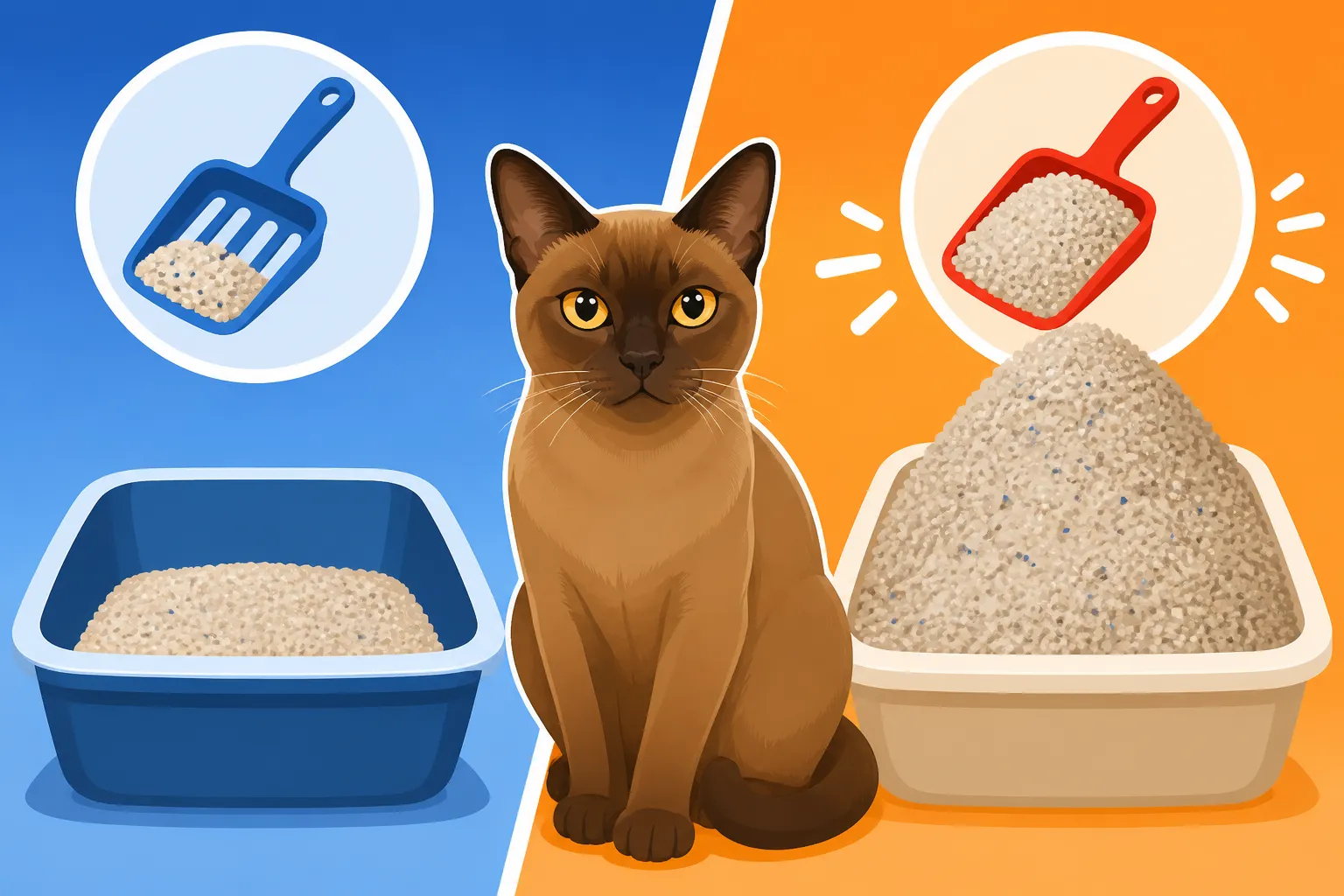
Secondly, consider the size of the litter boxes. A standard litter box might quickly become saturated or simply too small for the volume of urine a diabetic Burmese produces. Larger, uncovered storage bins or specifically designed jumbo litter pans can be a game-changer. These offer more surface area for clumping and can accommodate the increased output without becoming too messy too quickly. Why a Diabetic Burmese Needs a Bigger Box really hits home when you're scooping for a diabetic cat.
Choosing the Right Litter and Cleaning Regimen
The type of litter you use can also make a significant difference. High-quality clumping clay litters are often the go-to because they absorb urine effectively and form solid clumps that are easy to scoop out. This helps keep the remaining litter cleaner for longer. Silica gel litters can also be very absorbent and excellent at odor control, but they can be more expensive and some cats don't like the texture. Experiment to see what your Burmese prefers, keeping in mind that strong scents in some litters can be off-putting to sensitive feline noses. You can find a good range of options, from traditional clumping to more eco-friendly choices, on sites like Chewy, which often have customer reviews highlighting absorbency.
The frequency of cleaning is paramount. For a diabetic Burmese, you might need to scoop the litter boxes two to three times a day, or even more, depending on the severity of their diabetes and how well controlled it is. Complete litter changes, where you empty, wash, and refill the box, will also need to happen more frequently – perhaps every week or every few days, rather than every couple of weeks for a healthy cat. Neglecting the litter box even for a short period can lead to your cat seeking out other, less desirable places to urinate, like your rug or laundry basket.
| Litter Type | Absorbency Rating | Odor Control Rating | Clumping Quality | Notes |
|---|---|---|---|---|
| Clay (Clumping) | High | Good | Excellent | Forms solid clumps, easy to scoop. Can be dusty. |
| Clay (Non-Clumping) | Moderate | Fair | None | Absorbs but doesn't clump, requires more frequent full changes. Often cheaper. |
| Silica Gel | Very High | Excellent | None | Traps moisture and odor well, lightweight, but more expensive. |
| Pine/Wood Pellets | High | Good | Fair | Eco-friendly, turns to sawdust when wet. Not all cats like the texture. |
| Corn/Wheat | High | Good | Good | Eco-friendly, good clumping. Can have a natural scent. |
Odor Control and Preventing Accidents
With increased urination comes the potential for increased odor. Beyond frequent scooping and cleaning, consider using odor-absorbing additives mixed into the litter or placing activated charcoal filters near the litter boxes. Good ventilation in the area where the boxes are kept is also crucial. An air purifier can help, especially in smaller living spaces.
Despite your best efforts, accidents can still happen, particularly if your Burmese is experiencing a spike in their glucose levels or if you're still figuring out their ideal management. If an accident occurs, clean it thoroughly with an enzymatic cleaner to break down urine crystals and eliminate the odor, discouraging your cat from returning to the same spot. It’s important to remember that these accidents are not acts of defiance but a symptom of their underlying condition. Punishing your cat will only increase their stress and potentially worsen the problem.
Budgeting for the Extra Litter
Let's be realistic: more litter usage means a higher bill at the pet store. This is a practical concern for any cat owner, but especially when you're already factoring in the other costs associated with managing a diabetic cat.
The Real Increase in Consumption
When a Burmese is diabetic, you're not just adding a little bit more litter to the box; you're often looking at a significant increase in consumption. Where a healthy cat might use, say, one large bag of clumping litter a month, a diabetic Burmese could easily go through two or even three. This isn't just because of the sheer volume of urine, but also because you'll be scooping more frequently, and thus removing more litter, and performing full litter changes more often to keep the boxes fresh and appealing.
Think about it this way: each large, heavy clump you scoop out represents not just the waste, but also a portion of the clean litter that adhered to it. Over the course of a day, and then a week, these small portions add up. It means you'll be refilling the boxes more often, and replacing the entire contents of the boxes more frequently.
Cost Implications and Smart Shopping
While I can't give you specific prices, the general shape of the cost increase is definitely something to prepare for. Expect your monthly litter budget to potentially double or even triple compared to what you spent before your Burmese's diabetes diagnosis. This is an unavoidable reality, but there are strategies to help mitigate the financial impact.
One of the best ways to manage this is by buying in bulk. Large, economy-sized containers or multi-packs of litter are almost always more cost-effective per pound. Many online retailers, like Chewy, offer subscription services where you can schedule regular deliveries of litter. Often, these subscriptions come with a discount, and the convenience of having heavy bags of litter delivered right to your door is priceless. This also helps you avoid running out unexpectedly, which can be a real headache.
Consider different brands and types of litter within your budget. While premium litters might seem more expensive upfront, their superior clumping and odor control can sometimes mean you use less in the long run, or at least maintain a cleaner environment with less effort. It's a balancing act between initial cost and ongoing effectiveness. Some of the more eco-friendly options, like pine or corn-based litters, can also vary widely in price and absorbency, so research and reviews are your friend here.
Comparing Litter Options for Budget and Effectiveness
It’s worth doing a little comparison shopping and testing to find the sweet spot for your cat and your wallet.
| Litter Type | Pros | Cons | Cost Considerations |
|---|---|---|---|
| High-Quality Clumping Clay | Excellent absorption, solid clumps, good odor control. | Can be dusty, heavy bags. | Mid-range to high, but often cost-effective due to efficiency. Bulk discounts common. |
| Budget Clumping Clay | Lowest upfront cost. | Less effective clumping, more dust, poorer odor control. | Low upfront, but might use more quickly, potentially increasing overall cost. |
| Silica Gel | Very high absorption, excellent odor control, lightweight. | Higher upfront cost, can be sharp on paws. | High upfront, but may last longer between full changes, offsetting some cost. |
| Pine/Wood Pellets | Eco-friendly, natural odor control. | Requires sifting or scooping sawdust, some cats dislike texture. | Mid-range, usually available in larger bags for better value. |
| Corn/Wheat Based | Eco-friendly, good clumping and odor control. | Can be prone to mold in humid environments, specific scent. | Mid-range, often found at specialty pet stores or online. |
Beyond Litter: Holistic Care for a Diabetic Burmese
While managing the increased litter output is a daily task, it’s crucial to remember that it's just one symptom of a larger health picture. Comprehensive, holistic care for a diabetic Burmese involves a multi-pronged approach that extends far beyond the litter box.
Dietary Management is Key
One of the most powerful tools you have in managing your Burmese's diabetes, and by extension, their litter box habits, is diet. A low-carbohydrate, high-protein wet food diet is often recommended, as it helps stabilize blood sugar levels and can even lead to diabetic remission in some cats. Dry kibble, even "prescription" varieties, often contains too many carbohydrates for a diabetic cat. The goal is to reduce the glucose load on their system, which directly impacts how much sugar the kidneys have to process. This in turn reduces the excessive urination.
Making dietary changes can be challenging, as cats can be notoriously finicky eaters. Transition gradually, mixing new food with old over several days to weeks. Fresh, human-grade foods can fit the low-carb, high-protein profile, though it's always essential to check the specific nutritional analysis with your vet. Learning Which Diet Puts a Burmese Into Remission is a game-changer for many owners, and understanding Why Low Carbohydrate Food Matters for a Burmese will help you make informed decisions about their meals.
Regular Veterinary Monitoring
Living with a diabetic Burmese means regular trips to the vet for monitoring. Your vet will want to check blood glucose levels, fructosamine levels (which give an average blood glucose over a longer period), and possibly urine samples to assess kidney function and ketone presence. These checks are vital for adjusting insulin dosages and ensuring the diabetes is well-controlled. Early and consistent monitoring, particularly Why a Burmese's Glucose Should Be Checked From Seven, can help catch issues before they escalate.
These visits might also include discussions about your cat's overall health, including their weight. Weight management is another critical component, as obesity is a significant risk factor for feline diabetes and can make it harder to control. Losing excess weight can drastically improve insulin sensitivity. This is why Why Weight Is the Only Lever a Burmese Owner Has is such a crucial piece of advice.
Understanding the Financial Commitment
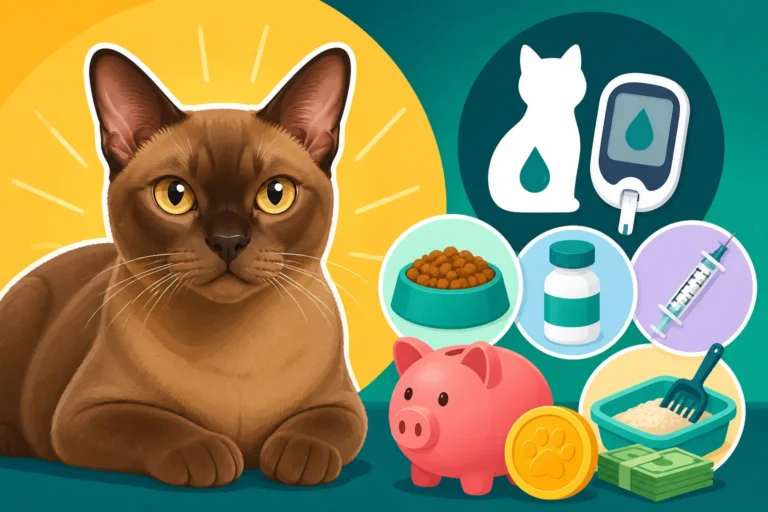
Beyond the increased litter costs, managing a diabetic Burmese comes with other significant financial considerations. There are the ongoing costs of insulin, syringes, and potentially a home glucose monitor. Veterinary visits, diagnostic tests, and any potential emergency care for complications like hypoglycemia (low blood sugar) or diabetic ketoacidosis (a severe complication) can add up.
Many owners wonder What Diabetes Costs a Burmese Owner a Year and it's certainly a factor in decision-making. Pet insurance can be a huge help, but it's important to understand how it works with pre-existing conditions. Most policies will exclude conditions diagnosed before coverage begins. So, if your Burmese is already diabetic, a new policy won't cover diabetes-related costs. However, a good policy from providers like Healthy Paws can still cover other unexpected illnesses or accidents that aren't related to their diabetes. It's definitely worth investigating Whether a Diabetic Burmese Can Be Insured to understand your options, even if it's primarily for non-diabetic conditions.
Ultimately, caring for a diabetic Burmese is a commitment, but one that is incredibly rewarding. By understanding why their litter box habits change, implementing effective management strategies, and focusing on comprehensive care, you can help your beloved companion live a long, comfortable, and happy life.
Disclaimer
This article is for general informational purposes only and does not constitute professional advice. Laws, prices and regulations vary by location and change over time. Consult a qualified professional for guidance on your specific situation.