Why to Insure a Burmese Before It Turns Seven
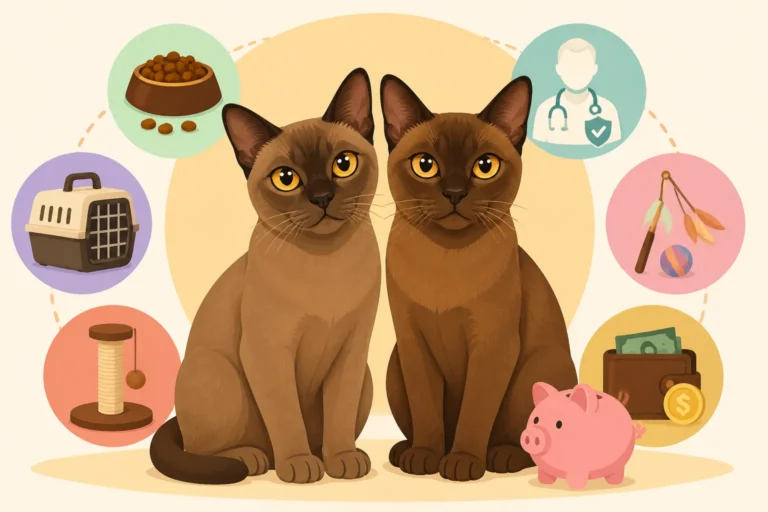
It's a disheartening truth for any cat parent: as our beloved felines grow older, the chances of them developing health issues increase dramatically, and with that comes the looming shadow of rising veterinary costs. For Burmese cat owners, this reality hits a little differently, as our sweet, affectionate companions are predisposed to certain conditions that can become incredibly expensive to manage. This guide will walk you through why getting your Burmese cat insured before they turn seven isn't just a good idea, but a vital step in protecting both their health and your peace of mind.
The Unique Health Profile of the Burmese Cat and Insurance Implications
Owning a Burmese is a unique joy – their playful personalities and deep affection make them truly special members of the family. However, like any purebred cat, they come with a genetic blueprint that can predispose them to certain health challenges. Understanding these potential issues is the first step in making informed decisions about their long-term care, especially when it comes to pet insurance.
Understanding Breed-Specific Health Risks in Burmese
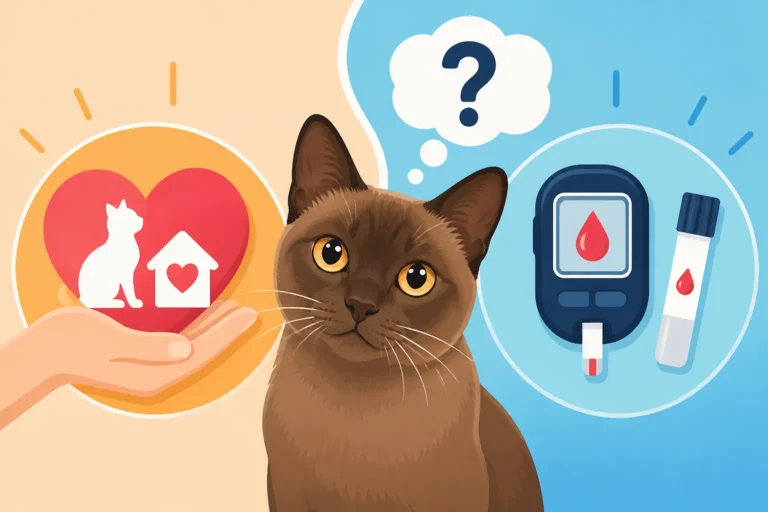
Burmese cats, particularly those from certain lines, have a notable predisposition to several conditions that can emerge as they mature. Perhaps the most widely recognized is diabetes mellitus. It’s not just a general feline issue; Burmese cats are statistically more prone to developing it than many other breeds. Imagine the scenario: your sweet, chunky Burmese starts drinking copious amounts of water, visiting the litter box more frequently, and perhaps even losing a bit of weight despite eating well. A vet visit confirms diabetes. If you don't have insurance, or if you try to get it after this diagnosis, diabetes will almost certainly be considered a pre-existing condition. This means your insurance policy won't cover any of the ongoing costs associated with managing it – and those costs can be substantial. Why a Burmese Is Four Times More Likely to Become Diabetic and What Diabetes Looks Like in a Burmese are crucial reads for any owner.
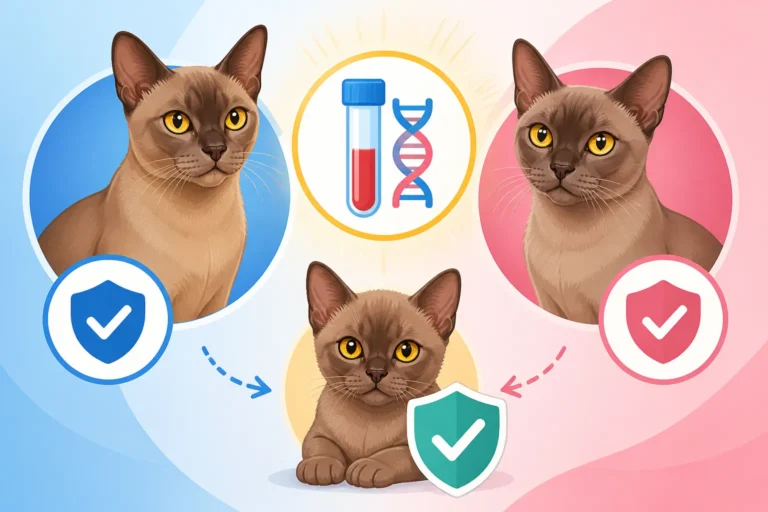
Beyond diabetes, Burmese cats can also be susceptible to conditions like hypokalemia, a genetic disorder affecting potassium levels, which can lead to muscle weakness and even paralysis during episodes. While often appearing in kittens or young adults, it can re-emerge or be diagnosed later. How Hypokalemia First Shows in a Burmese Kitten can give you an idea of what to look out for. Then there are common feline ailments that can affect any cat but are still financially taxing, such as inflammatory bowel disease or certain types of dental disease which Burmese are also prone to. Why a Burmese Is Prone to Gum Disease is a reality many owners face. The point is, these aren't rare, obscure conditions; they are genuine risks that our beloved Burmese face, and early insurance ensures they're treated as new conditions if they arise.
How Age Impacts Insurance Premiums and Coverage
It's a straightforward principle across most insurance industries: the older the insured, the higher the risk, and thus, the higher the premiums. Pet insurance is no exception. As your Burmese ages, their likelihood of developing any health condition – breed-specific or not – increases. Insurers recognize this and adjust their rates accordingly. What might be an affordable monthly premium for a healthy kitten or young adult Burmese can become significantly more expensive once they cross that invisible line into "senior" status.
Beyond just the cost, the scope of coverage can also change. While some policies might offer similar coverage regardless of age, others might have limitations for older pets, or require more extensive initial health checks to rule out pre-existing conditions that are more common in senior animals. It's not just about what you pay, but what you get for that payment. Getting insurance when your Burmese is young and healthy means you're locking in coverage before potential issues are documented, offering a much broader safety net for their entire lifespan.
The Costly Reality of Diagnosing and Managing Chronic Conditions
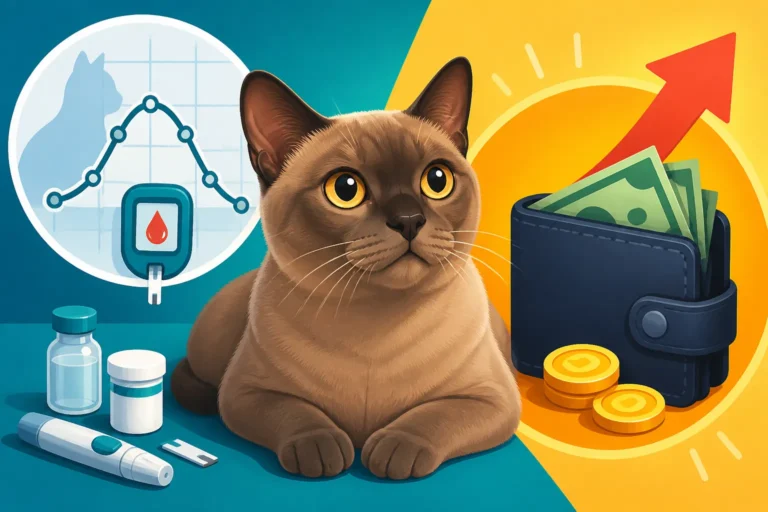
Let's not sugarcoat it: veterinary care can be incredibly expensive. Diagnosing a chronic condition like diabetes in a Burmese isn't a one-and-done vet visit. It involves initial consultations, blood tests (including fructosamine tests), urinalysis, and potentially imaging. Once diagnosed, managing diabetes means ongoing expenses: daily insulin injections, special low-carbohydrate food, glucose monitoring equipment, and regular follow-up vet visits to adjust insulin doses. A year with a diabetic Burmese can easily run into thousands of dollars. What Diabetes Costs a Burmese Owner a Year really highlights the financial commitment.
Similarly, managing chronic dental issues might involve multiple dental cleanings under anesthesia, extractions, and pain medication. Hypokalemia episodes might require emergency vet visits, potassium supplementation, and diagnostic tests. These aren't just "big bills" – they become a regular part of your financial landscape as a pet owner. Having a robust insurance policy in place, especially one chosen before these conditions manifest, can literally mean the difference between being able to afford the best possible care for your cat and having to make agonizing choices based on your budget.
Why Seven Years is a Critical Turning Point for Burmese Cat Insurance
The number seven often feels arbitrary when we talk about our pets, but in the world of pet insurance, it holds significant weight. It’s a marker that can dramatically alter the availability, cost, and scope of your Burmese’s health coverage.
The "Senior Cat" Threshold for Many Insurers
For many pet insurance providers, the age of seven years is the unofficial, or sometimes official, threshold where a cat transitions from "adult" to "senior." This change isn't just a label; it triggers a re-evaluation of risk. Insurers know that cats over seven are statistically more likely to develop a myriad of age-related ailments, from diabetes and kidney disease to arthritis and hyperthyroidism. Consequently, policies initiated after this age often come with higher premiums, reduced coverage limits, or may even exclude certain conditions more prone to older cats.
Think of it like this: insuring a new car is easier and cheaper than trying to insure a vintage car that already has a few mechanical quirks. While your Burmese might still be bouncing around like a kitten at seven, the insurance company sees a higher statistical probability of future claims. This means that getting coverage for your Burmese at age six means a vastly different experience than waiting until they turn eight.
Pre-Existing Conditions: The Elephant in the Room
This is arguably the single most important reason to insure your Burmese before they hit seven. A pre-existing condition is generally defined as any illness or injury that your pet showed symptoms of, or was diagnosed with, before your insurance policy began or during its waiting period. And here's the kicker: insurance companies won't cover pre-existing conditions. Ever.
Consider a Burmese who, at 7.5 years old, starts showing signs of increased thirst and urination. You take them to the vet, and they're diagnosed with diabetes. If you then apply for insurance, that diabetes is now a documented pre-existing condition. Any and all treatment for that diabetes—insulin, specialized food, vet visits, glucose monitoring—will be your financial responsibility. The same goes for any other ailment that crops up. Even seemingly minor issues, if noted in their vet records before coverage begins, can become exclusions. This is why a regular annual check-up with your vet is also so important. They build up a medical history, and that history dictates what future insurance will or won't cover. Why a Burmese's Vet Year Is Built Around a Glucose Check becomes even more crucial as they age.
Maximizing Coverage and Minimizing Out-of-Pocket Expenses
The beauty of insuring a young, healthy Burmese is that almost any health issue that arises after the policy begins (and after any initial waiting periods) will be covered, assuming it's not a general exclusion. This means if your Burmese develops diabetes at eight, or needs extensive dental work at ten, or has a hypokalemic episode at five, your insurance can help with those significant costs because they are considered new conditions under your policy.
By acting proactively and getting insurance before your Burmese reaches the age of seven, you are essentially establishing a comprehensive safety net that grows with them. This strategy minimizes your out-of-pocket expenses for future ailments, ensuring that you can always prioritize your cat's health without the added burden of overwhelming vet bills. It provides true financial security and the peace of mind that comes with knowing you can afford the best care should your beloved companion ever need it.
Navigating Pet Insurance Options for Your Burmese
Choosing the right pet insurance policy for your Burmese can feel like navigating a maze. There are so many providers, different types of plans, and a seemingly endless list of terms and conditions. But by focusing on a few key areas, you can find a policy that truly protects your cherished cat.
What to Look For in a Burmese Pet Insurance Policy
When you're evaluating pet insurance for your Burmese, think about their specific needs and predispositions. A comprehensive illness plan is absolutely paramount. Look for policies that explicitly cover:
- Chronic Conditions: This is non-negotiable for a Burmese. Diabetes, kidney disease, hyperthyroidism – these are long-term conditions that require ongoing treatment. Ensure your policy has strong coverage for chronic illnesses, rather than just accidents or acute issues.
- Genetic and Hereditary Conditions: Given the breed's predispositions to issues like hypokalemia and a higher risk of diabetes, coverage for genetic and hereditary conditions is vital. Most reputable insurers include this, but always double-check.
- Diagnostic Tests: Vet visits often start with diagnostic tests – blood work, urinalysis, X-rays, ultrasounds. Make sure these are covered, as they can quickly add up.
- Medications and Therapies: If your Burmese needs insulin, special pain medication for arthritis, or even physical therapy, you want a policy that covers these ongoing costs.
- Specialized Diets: While not all policies cover prescription diets, some might if it's medically necessary for a covered condition (like a diabetic prescription diet). This is a great bonus to look for, as feeding a diabetes-prone Burmese is a medical decision. Feeding a Burmese Is a Medical Decision, Not a Preference is something all owners need to understand.
- Emergency & Specialist Care: If your Burmese ever needs an emergency vet visit or requires a specialist (like an internal medicine specialist or a veterinary ophthalmologist), you'll want that covered.
Comparing Providers and Understanding the Fine Print
Once you have an idea of what you need, it's time to compare providers. Companies like Healthy Paws are often recommended for their comprehensive accident and illness plans, known for covering hereditary and chronic conditions. However, every provider has different offerings, so it's essential to get quotes and read the fine print from several companies.
Pay close attention to these details:
- Deductibles: This is the amount you pay out-of-pocket before your insurance starts to reimburse you. Higher deductibles usually mean lower monthly premiums, but you'll pay more upfront if a claim arises.
- Reimbursement Rates: This is the percentage of eligible vet bills that the insurance company will pay after your deductible is met (e.g., 70%, 80%, 90%). Aim for a higher reimbursement rate if you can.
- Annual Limits: Some policies have a maximum amount they will pay out in a year. For a cat with a chronic condition, a high or unlimited annual limit is preferable.
- Waiting Periods: All policies have waiting periods (e.g., 14 days for illness, 2 days for accidents) before coverage kicks in. Be aware of these so you're not caught off guard.
- Exclusions: Carefully review what the policy doesn't cover. Make sure it doesn't exclude conditions your Burmese is prone to.
Create a simple comparison table for yourself to weigh the options.
| Feature / Policy Aspect | Policy A Example (e.g., Healthy Paws) | Policy B Example | Policy C Example |
|---|---|---|---|
| Monthly Premium Estimate | Check current rates | Check current rates | Check current rates |
| Deductible Options | Annual per condition or annual | Per incident or annual | Annual |
| Reimbursement Rate | 70%, 80%, 90% | 60%, 70%, 80% | 80% fixed |
| Annual Payout Limit | Unlimited or very high | Moderate to high | Fixed high |
| Covers Chronic Conditions | Yes, comprehensive | Often, check exclusions | Yes |
| Covers Hereditary Conditions | Yes | Often, check exclusions | Yes |
| Waiting Period (Illness) | E.g., 15 days | E.g., 14 days | E.g., 30 days |
| Dental Illness Coverage | Yes (non-routine) | Limited | Yes (non-routine) |
| Behavioral Therapy Coverage | Sometimes included | Rarely | Check policy details |
The Value of Investing Early in Your Burmese's Health
Ultimately, investing in pet insurance for your Burmese early in their life is an investment in their future health and your financial stability. It’s about more than just money; it’s about peace of mind. Knowing that you have a safety net for unexpected illnesses or injuries allows you to make medical decisions based on what’s best for your cat, not just what you can afford out of pocket.
This proactive approach ensures that when your Burmese reaches those golden years, typically from age seven onwards, you’re well-prepared. You won’t be facing the stress of higher premiums, potential exclusions for newly emerging chronic conditions, or the heartache of choosing between costly treatments. Instead, you'll be able to focus on giving your senior Burmese the comfortable, healthy, and happy life they deserve. Caring for a Burmese Past Twelve takes on a whole new dimension when you know you're financially prepared.
Practical Steps for Insuring Your Burmese Cat
Ready to take the plunge and protect your Burmese? It's a smart decision. Here are the practical steps you can take to get your beloved cat insured effectively.
Gathering Necessary Health Records
Before you even start comparing policies, make sure your Burmese has a solid health record. This means regular vet check-ups from kittenhood. When you apply for insurance, providers will typically ask for your cat's medical history, often requesting records from the past 12-18 months.
What they're looking for is a clean bill of health – or at least, a clear documentation of any existing conditions before the policy is enacted. If your vet records show a history of, say, unexplained weight loss or intermittent vomiting before you apply, those symptoms could later be considered part of a pre-existing condition, even if a formal diagnosis hadn't been made yet. So, ensure your Burmese is up-to-date on all their wellness exams and vaccinations. A healthy history makes the application process smoother and ensures fewer potential exclusions. What a Burmese Kitten's First Exam Should Cover is a good starting point for building those records.
The Application Process: What to Expect
Applying for pet insurance is usually quite straightforward, especially with online forms. Here’s a general overview of what you can expect:
- Get Quotes: Start by getting quotes from several reputable providers. You'll need to provide your cat's breed (Burmese!), age, gender, and sometimes your zip code.
- Choose a Plan: Select the deductible, reimbursement rate, and annual limit that best fits your budget and desired coverage level.
- Complete Application: Fill out the detailed application form, which will ask for more specific health information. Be honest and thorough; withholding information could invalidate your policy later.
- Submit Medical Records: The insurer will likely request your Burmese's full vet medical records. You might need to contact your vet to have them sent directly to the insurance company.
- Underwriting Review: The insurance company will review the application and medical records to identify any pre-existing conditions. This is where they decide what will or won't be covered from the start.
- Waiting Period: Once approved, remember there will be waiting periods (e.g., 2-15 days for accidents, 14-30 days for illnesses) before your coverage officially begins. It’s important to understand these terms. Don’t expect to sign up one day and have an illness claim covered the next.
Once the waiting period is over, you'll have the peace of mind knowing your Burmese is covered for new illnesses and accidents.
Beyond Insurance: Comprehensive Care for Your Burmese
While pet insurance is a powerful tool for financial protection, it's just one part of a comprehensive care plan for your Burmese. Proactive daily care is equally, if not more, important in preventing many of the conditions that lead to costly vet bills.
- Diet and Weight Management: Given the Burmese's predisposition to diabetes, a carefully controlled, low-carbohydrate diet is crucial. Why Portion Control Is Medical Care in a Burmese is not an exaggeration. Avoid free-feeding and weigh your cat's food portions diligently. Brands found on platforms like Chewy offer a wide range of high-quality, low-carb wet foods that are perfect for Burmese. Regular weight checks are vital – How to Weigh a Burmese Accurately at Home should be part of your routine.
- Regular Vet Check-ups: Don't skip those annual or biannual vet visits. Your vet can catch subtle changes early, before they become major health crises or documented pre-existing conditions.
- Dental Care: Burmese are prone to gum disease. Starting dental hygiene early, like brushing your Burmese's teeth from twelve weeks, can make a huge difference in their oral health and prevent expensive dental procedures later. Brushing a Burmese's Teeth From Twelve Weeks is essential advice.
- Enrichment and Exercise: A healthy mind and body contribute to overall well-being. Keep your Burmese active with plenty of play, which also helps manage their weight. A Burmese Is Still Playing at Fifteen reminds us they stay active for a long time!
By combining smart insurance choices with excellent daily care, you're setting your Burmese up for the longest, healthiest, and happiest life possible, minimizing both health risks and financial stress.
Disclaimer
This article is for general informational purposes only and does not constitute professional advice. Laws, prices and regulations vary by location and change over time. Consult a qualified professional for guidance on your specific situation.