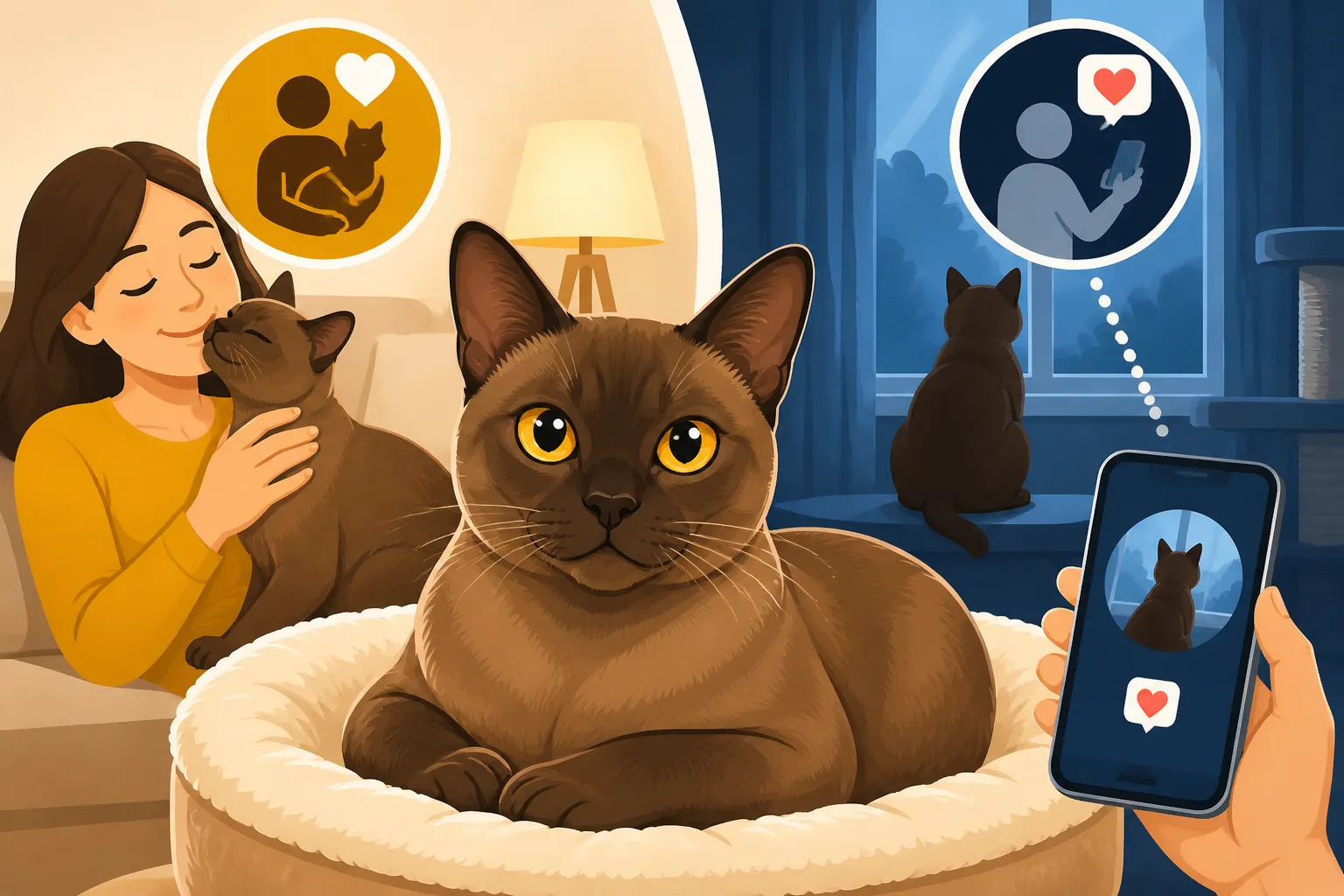
Why a Burmese Needs Someone in the House, Not Checking In
It’s a common misconception that all cats are fiercely independent creatures, perfectly content to spend their days napping and occasionally gracing us with their presence. For many breeds, a daily check-in with fresh food and water might indeed suffice. However, if you're a Burmese cat owner, or considering becoming one, you'll quickly discover that this breed shatters that stereotype. Your Burmese isn't just a pet; they are a constant, devoted companion who thrives on presence, not just brief visits, and this guide will delve deep into why having someone in the house is absolutely essential for their well-being.
The Unique Social Needs of the Burmese Cat
The Burmese cat is often affectionately dubbed a "dog in a cat's body," and for good reason. Their need for interaction, their loyalty, and their constant desire to be involved in your life are unparalleled in the feline world. This isn't a breed that tolerates solitude; it actively despises it.
A Breed Built for Companionship
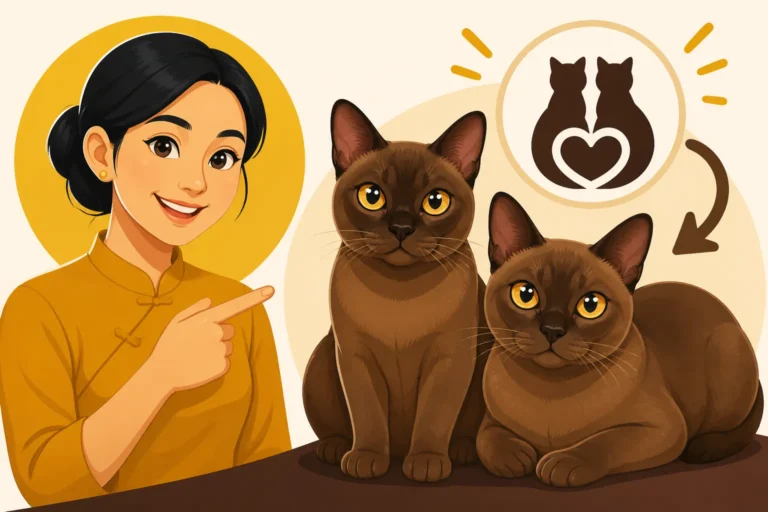
Unlike some of their more aloof feline cousins, Burmese cats were specifically bred for their affectionate and engaging personalities. Their lineage suggests a close bond with humans, and this trait has been carefully cultivated over generations. When you bring a Burmese into your home, you're not just gaining a pet; you're adopting a shadow, a confidante, and a little furry person who genuinely wants to be part of every single moment of your day. They will follow you from room to room, perch on your shoulder while you cook, and insist on being under the covers with you at night. This isn't clinginess; it's just who they are. Their happiness is directly tied to their proximity to their humans or other beloved companions. It’s why many Burmese breeders will strongly recommend, or even require, that you consider bringing home a pair. Why Burmese Breeders Sell Them in Pairs They understand that their kittens flourish with constant social interaction, whether it’s from you or another cat.
The Velcro Cat Phenomenon
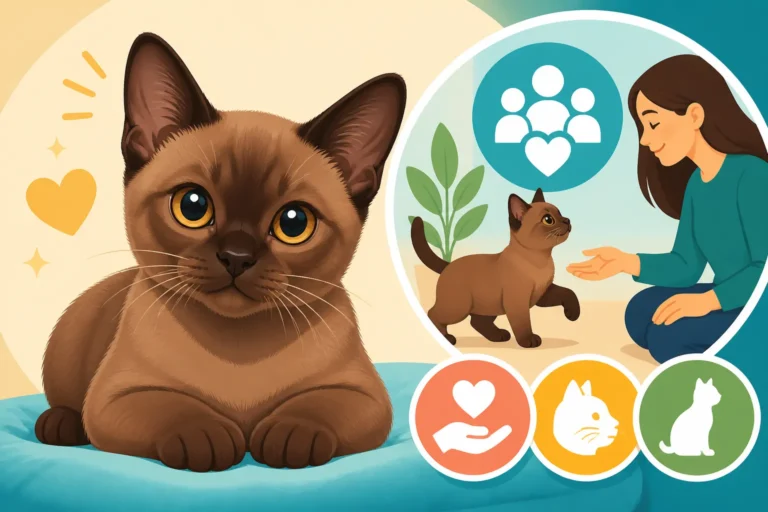
If you've ever heard the term "velcro cat," it was probably coined for a Burmese. They attach themselves to their chosen humans with an intensity that can be surprising to first-time owners. This isn't just about wanting a cuddle; it’s a deep-seated need for emotional and physical presence. Imagine having a small, purring, highly intelligent being who believes its sole purpose in life is to be near you, to interact with you, and to engage with you. They will vocalize their opinions with a distinctive rasping rumble, not quite a meow, but a conversational tone that demands attention. The Rasping Rumble a Burmese Uses Instead of a Meow This constant communication and desire for physical contact means that their emotional tank is filled by interaction, not by solitary moments. When a Burmese presses its face into your palm or curls up on your chest, it's not just showing affection; it's actively regulating its emotional state and fulfilling a fundamental breed trait.
Why "Checking In" Isn't Enough for a Burmese
Many people equate cat ownership with a relatively low-maintenance lifestyle, assuming that as long as the basics are covered, the cat will be fine. For a Burmese, this couldn't be further from the truth. A brief visit is a far cry from the constant interaction they crave and require.
The Difference Between Presence and Absence
Consider the difference between a house where someone is present versus a house that's mostly empty, even if someone drops by once or twice a day. For a Burmese, that difference is profound. When someone is in the house, even if they're simply working at a desk or watching TV, the Burmese feels secure, engaged, and part of the "pride." They know their human is there, available for a quick chat, a head boop, or a lap snuggle. They can follow you around, observe your activities, and feel included. A brief check-in, on the other hand, means extended periods of true solitude. The silence, the lack of movement, and the absence of that beloved human presence can be deeply unsettling for a Burmese. It's like having a friend who only ever texts you, never really spends time with you – it leaves a huge void. Why a Burmese Cannot Be Left Alone All Day They don't just miss the affection; they miss the mental stimulation, the routine, and the simple comfort of shared space.
The Limitations of Automated Solutions
In today's busy world, it's tempting to rely on automated feeders, water fountains, and even pet cameras to manage a pet's day. While these tools can be helpful complements, they absolutely cannot replace human interaction for a Burmese. An automatic feeder ensures they eat, but it doesn't offer a reassuring purr or a game of fetch. A water fountain keeps them hydrated, but it won't comfort them when they're feeling lonely. A pet camera lets you see your Burmese, but you can't interact with them in a meaningful way through it. Imagine trying to soothe a distressed child with a video call – it simply isn't the same as a warm hug.
Furthermore, a Burmese is incredibly smart and quickly learns patterns. If their only human interaction comes from someone who drops in for ten minutes, they'll learn that their "company" is fleeting and unpredictable. This can heighten anxiety rather than alleviate it. What they need is the steady, calming presence that signifies stability and continuous belonging. Why a Burmese Needs Someone in the House, Not Checking In
Let's look at it this way:
| Feature | "Checking In" (Limited Presence) | "Someone in the House" (Constant Presence) |
|---|---|---|
| Interaction | Brief petting, quick feeding, minimal play. | Continuous opportunities for interaction, play, lap time, conversation. |
| Emotional State | Can lead to loneliness, anxiety, stress, or boredom. | Fosters security, contentment, mental stimulation, and happiness. |
| Monitoring | Health issues or distress might be missed for hours or days. | Subtle changes in behavior or health are quickly noticed. |
| Behavior | Potential for destructive behavior, excessive vocalization. | Generally calm, engaged, and well-adjusted. |
| Bonding | Superficial bond, primarily transactional (food giver). | Deep, trusting, and reciprocal bond. |
The Consequences of Undersocialization in Burmese
When a Burmese cat's profound need for companionship is not met, the results can be heartbreaking for both the cat and the owner. These aren't just minor behavioral quirks; they are often signs of genuine distress and unhappiness.
Separation Anxiety and Destructive Behavior
A Burmese left alone for extended periods without adequate mental and emotional stimulation is a prime candidate for developing separation anxiety. This isn't just about missing you; it's a deep-seated fear of abandonment that can manifest in various destructive ways. They might become excessively vocal, letting out mournful, persistent rumbles and cries that are far more intense than their usual conversational chattering. What Separation Anxiety Looks Like in a Burmese
Beyond vocalizations, you might come home to a house that looks like a small, furry tornado passed through it. They might knock items off counters, shred furniture, or even pull out their own fur. Why a Lonely Burmese Pulls Its Satin Coat Out This isn't spite; it's a frantic attempt to cope with their anxiety, to create some kind of stimulation, or to release pent-up stress. A Burmese can chew on fabric, inappropriate objects, or even spray urine outside the litter box as a protest or a desperate call for attention. These behaviors are not malicious; they are symptoms of a cat in distress, yearning for the company it instinctively needs. Ignoring these signs or attributing them to "bad behavior" can worsen the problem, making it even harder to manage.
Impact on Physical and Mental Health
The stress of chronic loneliness isn't just behavioral; it has tangible impacts on a Burmese's physical and mental health. Elevated stress levels can compromise their immune system, making them more susceptible to illness. An anxious Burmese might overgroom, leading to skin irritations, bald patches, and even infections that require veterinary intervention. You might find yourself needing to visit the vet for issues that are ultimately rooted in emotional distress. This is where having pet insurance, like a plan from Healthy Paws, could be incredibly helpful in managing unexpected costs associated with behavioral issues or stress-related health problems.
Furthermore, a lonely Burmese can become depressed. They might lose interest in play, sleep excessively, or develop a reduced appetite, which is particularly concerning for a breed already prone to diabetes if not carefully managed. Why Portion Control Is Medical Care in a Burmese Their vibrant, curious personality can dull, replaced by a withdrawn or lethargic demeanor. Their mental health is intrinsically linked to their social environment. Just like humans, they need purpose, interaction, and love to thrive, not just survive.
Strategies for Ensuring Your Burmese Gets Enough Company
Understanding their intense need for company is the first step; implementing strategies to meet that need is crucial for a happy, well-adjusted Burmese. It requires a commitment to their social well-being, but the rewards are immense.
The Power of Two: Getting a Pair
The most effective strategy for ensuring a Burmese always has company is to get two! Burmese cats often do best in pairs, especially if they are littermates or introduced as young kittens. They will play together, groom each other, and provide a constant source of comfort and entertainment, significantly reducing the burden on human family members to be their sole source of interaction. Bringing Home the Second Cat a Burmese Needs
When a Burmese has another feline companion, especially one with a similar energy level and social drive, they can keep each other occupied during the hours you're away. They'll chase, wrestle, nap together, and generally enrich each other's lives. This doesn't mean you're off the hook for interaction – far from it! But it does mean your Burmese is never truly "alone" in the frightening sense. A second Burmese can often prevent the development of many anxiety-related behaviors. Many breeders even prefer to sell kittens in pairs because they know how much better they do together. Why Two Burmese Cost Less Than One Anxious One
Creating an Engaging Home Environment
While another cat is ideal, there are still ways to enrich the environment if a second feline companion isn't possible yet. This involves creating a space that stimulates them mentally and physically, even when you're not actively engaging.
- Vertical Space: Burmese love to climb! Cat trees, shelves, and window perches provide vantage points and exercise opportunities. They love to oversee their domain from above.
- Puzzle Feeders: Instead of just putting food in a bowl, use puzzle feeders. These make them "work" for their meals, engaging their minds and slowing down their eating, which is beneficial for a breed predisposed to weight gain and diabetes. You can find a wide variety of interactive puzzle feeders on sites like Chewy that can keep them entertained for a good chunk of time.
- Interactive Toys: While they prefer toys you're holding, some automatic toys or toys that dispense treats can offer temporary distraction. Rotate toys regularly to keep things fresh and exciting.
- Window Access: Ensure they have access to windows with interesting views. Bird feeders outside a window can provide hours of mental stimulation.
- Safe Outdoor Access: A "catio" (enclosed outdoor patio) can provide fresh air and new sights and sounds safely, adding variety to their day without the risks of free-roaming.
Adjusting Your Schedule and Lifestyle
Ultimately, owning a Burmese means making a conscious decision to integrate them deeply into your life. This might mean adjusting your schedule or reconsidering certain lifestyle choices.
- Work-from-Home or Flexible Hours: If you have the flexibility to work from home, even part-time, it can make a world of difference. Your mere presence, even if you're engrossed in work, is comforting to them.
- Designated Playtime: Make dedicated playtime a non-negotiable part of your daily routine. Twenty to thirty minutes of active play with a wand toy in the morning and evening can help expend energy and strengthen your bond. How Many Play Sessions a Burmese Asks For
- Involve Them in Your Life: Let them "help" with chores, "supervise" your cooking, or simply sit on your lap while you read or watch TV. These seemingly small interactions are huge for a Burmese. They genuinely want to be part of what you're doing. Why a Burmese Rides on Your Shoulder
- Pet Sitters vs. Drop-Ins: If you must be away, don't just rely on someone to drop in for 15 minutes. Opt for a pet sitter who can spend significant time in your home, providing companionship and play, not just basic care. Better yet, consider a friend or family member who can stay at your house.
A Burmese cat is a magnificent, loving companion, but their unique personality comes with a distinct set of needs. They are not the independent, solitary creatures that many imagine cats to be. Providing a consistent, loving presence, ideally with another feline friend, is the greatest gift you can give your Burmese. In return, you'll receive unparalleled devotion, endless purrs, and a warm, furry shadow that will enrich your life in countless ways.
Disclaimer
This article is for general informational purposes only and does not constitute professional advice. Laws, prices and regulations vary by location and change over time. Consult a qualified professional for guidance on your specific situation.