Why Two Burmese Should Share One Carrier
Many cat owners dread the thought of transporting their feline companions, and if you have a Burmese cat, that anxiety can be amplified by their famously clingy nature. The thought of stuffing your beloved "Velcro cat" into a lonely carrier can fill you with dread, imagining the heartbreaking yowls and frantic pacing. But what if the solution to a less stressful journey isn't a single carrier for each cat, but actually letting a bonded pair share one? This guide will dive deep into why two Burmese often travel better together, exploring the emotional and practical benefits, as well as crucial considerations for their safety and comfort.
The Inherent Social Nature of the Burmese Cat and Travel Anxiety
Burmese cats are truly in a league of their own when it comes to affection and companionship. They're not just pets; they're family members who insist on being a part of every moment. This beautiful trait, however, can make travel particularly challenging if not handled thoughtfully.
Why the Burmese Craves Constant Company
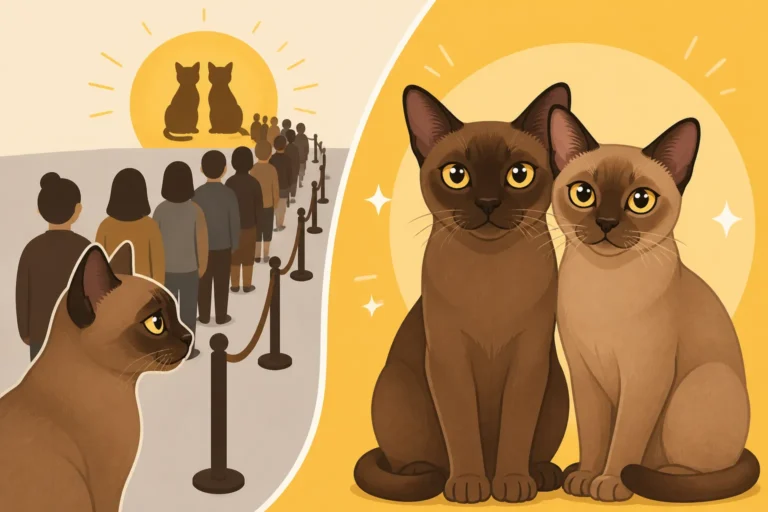
The Burmese is renowned as The Burmese Is the Velcro Cat of the Cat Fancy for a very good reason: they attach themselves to their humans and often to other pets with an intensity that can be surprising to those unfamiliar with the breed. This isn't just a preference for cuddles; it's a deep-seated need for connection and presence. They thrive on interaction, following you from room to room, often perching on your shoulder or snuggling under the covers. Why a Burmese Will Not Sleep Anywhere but Your Bed. When this constant companionship is suddenly removed, especially in a strange and confined space like a carrier, it doesn't just make them a little grumpy. It can trigger genuine, profound separation anxiety and distress.
Imagine being suddenly cut off from everyone you know, isolated in a small box, and whisked away to an unknown destination. That's a bit like what a lone Burmese experiences. Their innate desire for closeness means they rely heavily on familiar scents, sounds, and most importantly, the physical presence of their loved ones. Without it, the fear of the unknown can quickly escalate into panic, making any journey, no matter how short, an ordeal for them and for you. Their comfort is intrinsically linked to having company, and the absence of it can create a void that's difficult for them to cope with independently.
Recognizing the Signs of Travel Distress in a Lone Burmese
A Burmese cat under stress will typically make their discomfort known, often quite vocally. You might hear their distinctive "rasping rumble" morph into a much more desperate, high-pitched, and continuous yowl or cry. What a Burmese's Rasping Voice Sounds Like. This isn't just an annoyed meow; it's a call of distress, signaling deep unhappiness and fear. Beyond vocalizations, you might observe frantic pacing within the carrier, attempts to claw at the mesh door, or even excessive grooming as a self-soothing mechanism that can lead to fur pulling. Some extremely anxious cats might lose bladder or bowel control, creating a very unpleasant situation for everyone involved and adding to their humiliation and stress.
Consider the implications for a routine vet visit: a highly stressed Burmese will be much harder for the veterinarian to examine thoroughly. Their fear might lead them to hide, tremble, or even react defensively, which is entirely out of character for this typically docile and affectionate breed. Such experiences can make future vet trips even more challenging, turning what should be a relatively straightforward health check into a battle. The goal of travel, whether for a vet trip or a move, is to get them there safely and with as little trauma as possible. Understanding how a lone journey affects their sensitive nature is the first step toward finding a better solution.
The Calming Synergy of Shared Carrier Travel
For many Burmese owners, discovering the benefits of a shared carrier for their bonded pair is a game-changer. It leverages their natural social instincts to transform a potentially terrifying experience into a much more manageable one.
Leveraging the Power of a Bonded Pair
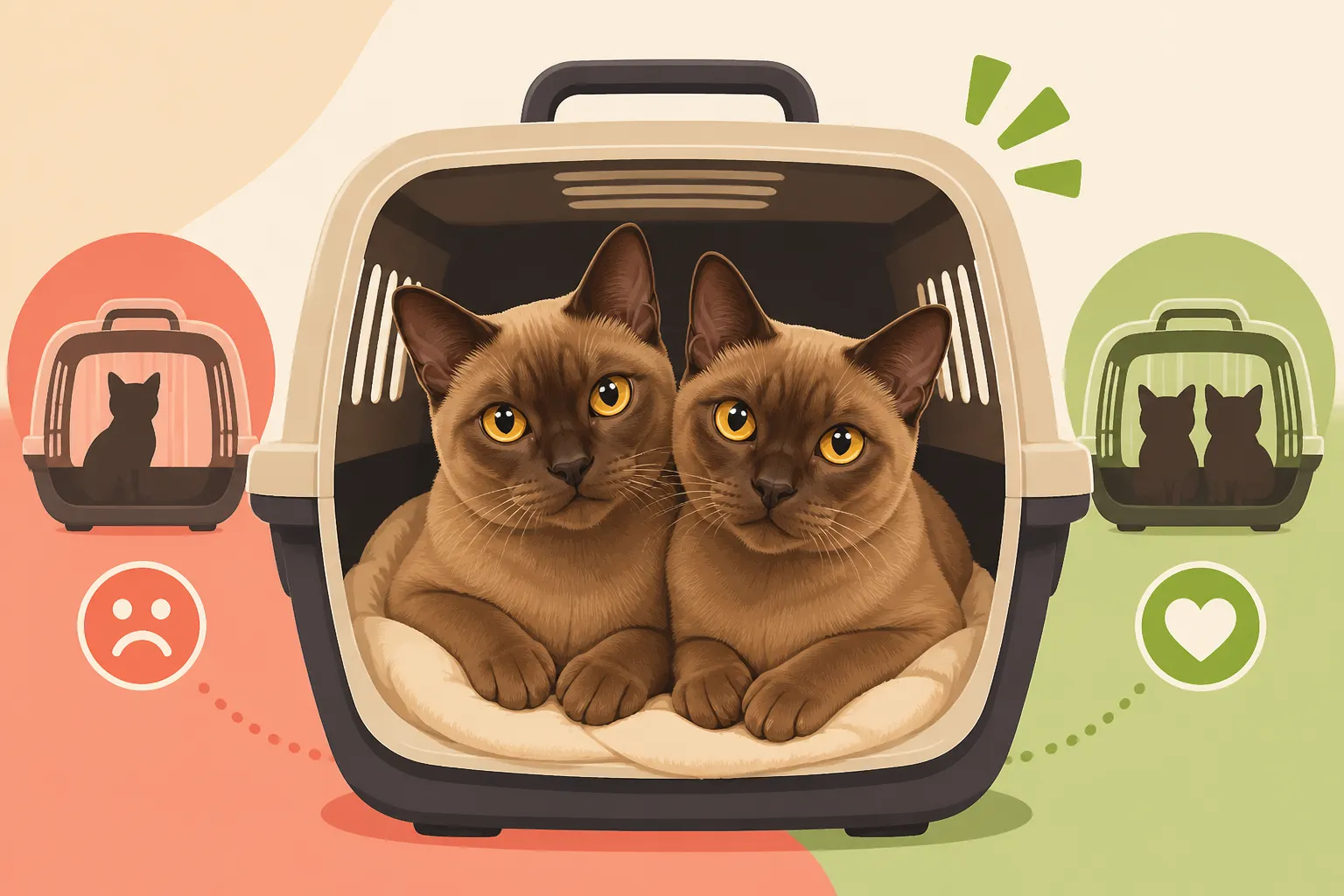
If you are fortunate enough to have two Burmese cats who share a genuine bond – perhaps they are littermates, or a pair acquired together because Why Burmese Breeders Sell Them in Pairs – allowing them to travel in a single, appropriately sized carrier can be incredibly effective. These cats act as each other's emotional anchors, providing a source of familiarity and comfort in an otherwise unsettling environment. The physical closeness, the shared scents, and the ability to mutually reassure each other can significantly dampen their anxiety response.
When nestled together, a bonded pair often exhibits fewer stress behaviors. They might curl up against each other, engage in quiet mutual grooming, or simply lie still, drawing comfort from their proximity. This isn't just anecdotal observation; it taps into their deep social wiring. The presence of a trusted companion transforms the isolated, scary box into a shared den, a safe space they navigate together. This drastically reduces the feelings of abandonment and loneliness that a solitary Burmese might experience, leading to a much calmer journey for both the cats and their human companions.
Practical Advantages Beyond Emotional Support
Beyond the significant emotional benefits for your Burmese, transporting two cats in one carrier also offers several practical advantages. Logistically, it simplifies handling immensely. Instead of juggling two separate, often cumbersome carriers, you only have one to manage. This is particularly helpful if you're traveling alone, trying to navigate airport terminals, or simply getting them into the car for a short drive. Less equipment to carry means less stress for you, which in turn can translate into a calmer demeanor that your cats will pick up on.
Furthermore, a shared carrier can make transitions smoother during vet visits or moves. Instead of isolating one cat in the waiting room while the other is examined, they can remain together until it's time for one to be seen. This reduces the number of individual stress triggers. If there's an accident within the carrier, such as a nervous urination, you only have one carrier to clean. The reduced stress levels often mean fewer stress-induced behaviors like vomiting or diarrhea, making the overall journey cleaner and more pleasant for everyone. It truly is a case where two can be better than one, not just for their mental well-being but for operational ease.
Selecting and Preparing the Ideal Shared Carrier
While the idea of a shared carrier is appealing, its success hinges on careful selection and thoughtful preparation. This isn't about simply forcing two cats into a standard carrier; it requires specific considerations for their comfort and safety.
Size and Safety Are Paramount
Choosing the right carrier for two Burmese is the most critical step. You absolutely cannot cram them into a carrier designed for a single cat. The shared carrier must be large enough to allow both cats to comfortably stand up, turn around, and lie down without being piled on top of each other. Even though they love to cuddle, they still need the option for individual space within the carrier. Look for carriers marketed for small dogs or multiple smaller pets, specifically designed for ample room. Good ventilation is also crucial, so opt for carriers with plenty of mesh windows or open grille designs to ensure adequate airflow and prevent overheating, especially in warmer climates or longer journeys.
Durability and security are equally important. Burmese cats are intelligent and can be surprisingly strong and agile when motivated, so a flimsy carrier with a weak latch is an accident waiting to happen. Choose carriers made from robust plastic or heavy-duty fabric with secure, escape-proof locking mechanisms. The carrier should also be easy to clean, with removable linings or components, because even the calmest journey can sometimes involve an unexpected mishap. Reviewing options on sites like Chewy or other pet supply retailers can help you find models designed for larger capacity and safety, ensuring your Burmese pair travels not just together, but comfortably and securely. Consider Which Carrier Two Burmese Will Share as a starting point for your research.
Acclimatization: Making the Carrier a Comfort Zone
Once you've selected the perfect shared carrier, the next step is to make it a positive, familiar space long before you ever need to use it for travel. This process, known as acclimatization, is vital to reducing travel-related stress. Start by leaving the carrier out in a high-traffic area of your home, with the door open. Let your cats explore it at their leisure, treating it like another piece of furniture rather than a dreaded prison. Place soft, familiar bedding inside – a favorite blanket, a worn t-shirt with your scent, or even their preferred bed. The goal is to make it smell like home and feel like a cozy den.
Regularly entice your Burmese into the carrier with positive reinforcement. Toss in their favorite treats, sprinkle some catnip, or place a beloved toy inside. Encourage them to go in, lie down, and even eat meals inside. Never, ever use the carrier as a punishment or force them into it. This will create strong negative associations that are incredibly difficult to overcome. Once they are comfortable going in and out, gradually introduce short periods of closing the door, followed by immediate treats and release. Eventually, progress to lifting the carrier, then taking short trips around the house, and finally, very brief car rides. The more positive experiences they have with the carrier when there's no pressure, the less stressful it will be when a real journey is necessary.
When Separate Carriers are Non-Negotiable
While the benefits of a shared carrier for bonded Burmese are significant, it's crucial to understand that there are specific circumstances where individual carriers are not just advisable, but absolutely necessary for the health and safety of your cats.
Health Concerns Requiring Isolation
The primary reason to opt for separate carriers, even for the most bonded Burmese pair, is when one cat is experiencing health issues. If one of your Burmese shows any signs of illness, such as sneezing, coughing, watery eyes, vomiting, diarrhea, or unusual lethargy, they must travel alone. This is critical to prevent the potential spread of contagious diseases to their companion. Conditions like upper respiratory infections, ringworm, or even a sudden bout of giardia can easily transmit in close quarters. Similarly, if one cat has recently undergone surgery, has an open wound, or is recovering from an injury, they need their own sterile and undisturbed space. Their companion, even with the best intentions, could inadvertently cause pain or re-injury.
Your veterinarian may also specifically request separate carriers for diagnostic purposes. For instance, if one Burmese is being evaluated for a complex condition like diabetes, the vet might need to observe that individual cat's specific stress response, behavior, and physiological signs without the added variable of another cat present. How a Diabetic Burmese Is Diagnosed. In situations where medications need to be administered during travel, or if one cat is particularly vulnerable, separate carriers allow for easier monitoring and intervention. Always prioritize veterinary advice, as their recommendations are based on your cats' specific health needs. If you notice Why a Burmese That Stops Following You Is Unwell, it's a sign they might be ill and need solo travel to the vet.
Behavioral Incompatibility in Confined Spaces
While Burmese are generally incredibly social, not all housemates are ideal travel companions, especially in the close confines of a carrier. Even cats who tolerate each other or occasionally cuddle at home might react differently under the stress of travel. The limited space can sometimes bring out latent territorial instincts or heightened fear responses that might lead to unexpected aggression. You might observe hissing, growling, swatting, or one cat attempting to "pin" the other. This isn't just unpleasant; it can result in injuries to either cat or to you if you try to intervene.
It's vital to assess your cats' compatibility specifically within a confined carrier environment during your acclimatization training. Do they continue to appear relaxed and bonded, or do you notice tension, flattened ears, or attempts to avoid each other? If there's any doubt whatsoever about their ability to coexist peacefully in a carrier, it is far safer and less stressful for everyone involved to use two separate carriers. The goal is to minimize stress, and forcing an uncomfortable cohabitation during travel can be more detrimental than the anxiety of solo travel. Remember, their safety and peace of mind should always come first, even if it means a little more logistical effort for you.
Long-Distance Journeys and Extended Confinement
For exceptionally long journeys, such as cross-country relocations, international flights, or multi-day road trips, even the most bonded Burmese pair might benefit from having their own space for extended periods. While they might happily cuddle for an hour or two, many hours or a full day of continuous confinement can lead to restlessness, irritation, and a natural need for individual space, even from a beloved companion. What starts as comforting proximity can turn into an annoyance when privacy becomes a premium.
Long-distance travel also introduces additional logistical challenges, such as feeding schedules, water access, and litter breaks. Having separate carriers can simplify these aspects considerably. For example, if you need to offer a small, portable litter box during a layover or rest stop, it's easier to manage with individual spaces. How Many Boxes Two Burmese Need could give you an idea of the logistics involved. Providing separate carriers might also allow for slightly larger individual spaces overall, reducing the feeling of being cramped over many hours. This foresight can significantly contribute to their overall comfort and well-being during prolonged travel, allowing them to stretch out, adjust their position, and have a sense of personal territory, even within the travel environment.
| Aspect | Single Carrier (for one Burmese) | Shared Carrier (for two bonded Burmese) |
|---|---|---|
| Anxiety Level | Often high; prone to separation stress | Significantly reduced for bonded pairs, mutual reassurance |
| Vocalization | Likely louder, more distressed yowling | Quieter, more contented murmurs or silence, less panic |
| Space Requirement | Standard cat carrier for one | Larger carrier designed for small dogs or multiple cats |
| Comfort Provided | Familiar bedding, owner's scent | Familiar bedding, owner's scent, plus companion's physical presence |
| Logistical Ease (Handling) | Manageable, but two cats means two carriers | Simpler, one item to carry for two cats |
| Cleaning Needs | One carrier to clean if accident occurs | One larger carrier to clean if accident occurs |
| Vet Visits | Stressful isolation, harder exam | More relaxed for cats, potential for easier handling by vet staff |
| Compatibility Needed | Not applicable | Essential: cats must be genuinely bonded and tolerant of close proximity |
| Suitability for Long Journeys | Better for very long trips if space is needed | Good for moderate trips, but extreme duration might warrant separate |
| Disease Transmission Risk | Low (from companion) | High if one cat is sick; requires separate carriers |
Disclaimer
This article is for general informational purposes only and does not constitute professional advice. Laws, prices and regulations vary by location and change over time. Consult a qualified professional for guidance on your specific situation.