What Separation Anxiety Looks Like in a Burmese
It’s a truly heartbreaking moment for any Burmese owner when you realize your affectionate, shadow-like companion isn't just missing you a little bit while you're out, but is genuinely suffering. The Burmese is renowned for its intense bond with humans, and this deep connection, while incredibly rewarding, can make them particularly susceptible to separation anxiety. This guide is here to walk you through what separation anxiety looks like in your beloved Burmese, from the subtle hints to the more overt and distressing behaviors, and to offer practical, empathetic advice on how to help your feline friend cope.
The Burmese's Unmatched Need for Connection
When you bring a Burmese into your home, you're not just getting a cat; you're adopting a tiny, purring shadow that thrives on interaction and connection. They are famous for being "dog-like" in their devotion, and this isn't just a cute quirk – it's a fundamental aspect of their personality that makes them incredibly vulnerable to loneliness when left alone for too long. Understanding this inherent need is the first step in recognizing and addressing separation anxiety.
More Than Just a Pet: The Velcro Cat Reality
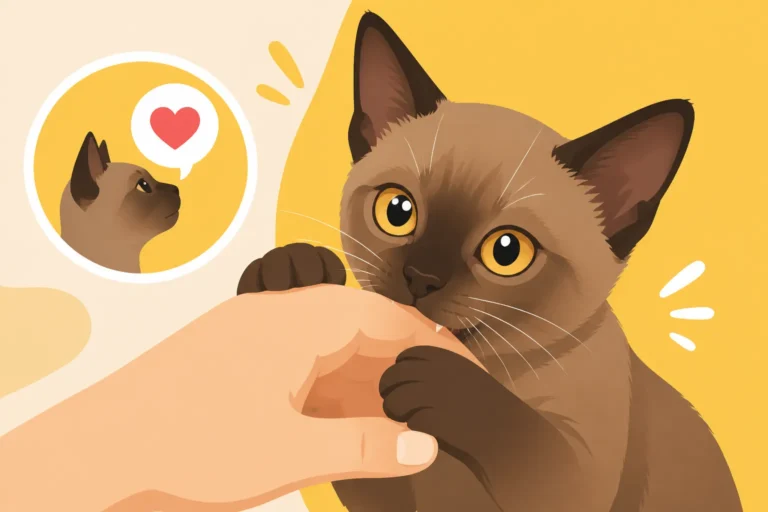
We affectionately call them "Velcro cats" for a reason. A Burmese isn't content to simply share a house with you; they want to share your lap, your bed, your shoulder, and every single moment of your day. They're often found draped across your keyboard, tucked under your arm, or even riding on your shoulder as you move from room to room. This constant physical presence isn't just a preference; it's a deep-seated need for companionship and reassurance. When this primary source of comfort and interaction is removed, even for a few hours, it can trigger a profound sense of distress. They aren't just tolerating your presence; they are actively seeking it, deriving immense emotional security from being close to you. This is why The Burmese Is the Velcro Cat of the Cat Fancy is such a common descriptor among owners.
Think about it from their perspective: one minute they're showered with attention, purring contentedly on your lap, and the next, the door closes, and silence descends. For a cat so attuned to human presence, this sudden absence can feel like a profound abandonment, triggering an instinctive fear of being left utterly alone. This isn't them being "naughty" or "spoiled"; it's a genuine expression of their emotional architecture. They bond so completely that the lack of that bond, even temporarily, can feel like a crisis.
A Deeply Rooted Social Instinct
The history of the Burmese breed itself points to their extreme sociability. Developed from a single foundational cat, Wong Mau, who was highly interactive and affectionate, the breed has been selectively bred over generations to emphasize these companionable traits. They truly thrive in the company of others, be they human, other cats, or even well-behaved dogs. This isn't just anecdotal; it's part of their genetic makeup and breed standard. Unlike some more independent feline breeds, a Burmese finds security and happiness in the social structure of a household.
This strong social drive means they often struggle when they become an "only cat," especially if their human companions work long hours. Their intelligence and active minds, combined with their profound need for interaction, mean that boredom quickly escalates into anxiety. A cat that is meant to be part of a bustling household, constantly engaged and observed, will often find solitude a form of punishment, leading to behaviors aimed at expressing their distress or trying to reunite with their absent family. This deep-rooted instinct is why many breeders strongly recommend acquiring Burmese in pairs, as explored in Why Burmese Breeders Sell Them in Pairs.
The Voice That Asks for Company
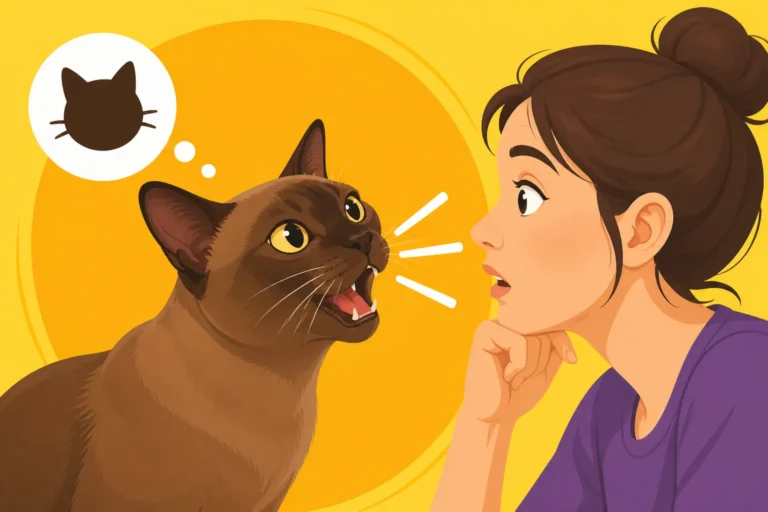
Burmese cats are known for their distinctive voices – a soft, raspy rumble that is less a shrill Siamese yowl and more a conversational chatter. They use this voice frequently to communicate with their people, expressing wants, needs, and opinions. However, when separation anxiety sets in, this vocalization can change dramatically. Instead of their usual pleasant chattering or purring, you might hear a more insistent, mournful, or even frantic crying when you're preparing to leave or after you've gone.
This isn't just "talking"; it's a desperate plea for connection. They might pace by the door, watching your every move with an intensity that borders on distress, letting out these plaintive sounds. It's their way of asking, "Where are you going? Don't leave me!" And if you have a camera set up, you might find that this vocalization continues for a significant period after you depart, an endless, lonely monologue to an empty house. Recognising the shift from their normal conversational rumbling to a distressed cry is crucial, as it’s one of the earliest and most telling signs that your Burmese is struggling with being alone. The Rasping Rumble a Burmese Uses Instead of a Meow is typically charming, but in distress, it becomes heartbreaking.
Subtle Shifts to Obvious Outbursts: Early Signs
Separation anxiety in a Burmese doesn't usually hit like a lightning bolt; it often begins with subtle indicators that can be easy to miss amidst the hustle and bustle of daily life. However, if these early signs are not addressed, they can quickly escalate into more obvious, and often destructive, outbursts that leave both you and your feline friend feeling frustrated and overwhelmed. Spotting these cues early is key to helping your cat before the anxiety becomes deeply ingrained.
The Anxious Welcome Home
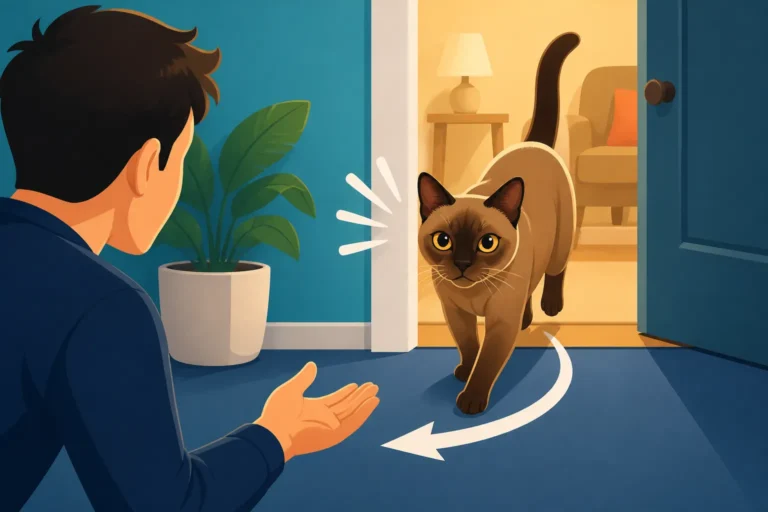
One of the most telling early signs of separation anxiety can be observed when you return home. Instead of a calm, happy greeting, your Burmese might exhibit an overly intense, almost frantic welcome. They might be excessively vocal, clinging to your legs, demanding immediate and constant attention, or follow you relentlessly from room to room for an extended period after you walk through the door. This isn't just excitement; it's a release of pent-up anxiety.
They may also show signs of physical relief, such as rubbing against you incessantly, head-butting your hands for strokes, or quickly trying to settle onto your lap and stay there, almost as if to confirm that you are truly back and won't vanish again. In severe cases, they might even seem angry or distressed upon your return, vocalizing loudly and then immediately hiding, struggling to transition from intense loneliness to your sudden reappearance. This anxious greeting is their way of saying, "I was so worried you wouldn't come back," rather than a simple "Hello!"
Destructive Actions Born from Distress
While some cats might merely nap through your absence, a lonely Burmese often expresses its distress through destructive behaviors. This isn't naughtiness; it's a manifestation of their anxiety and boredom. You might come home to find items pulled off shelves, curtains shredded, or furniture scratched extensively, particularly around entry and exit points like doors and windows. This is often their attempt to relieve stress, get your attention, or even try to "break out" to find you.
Chewing on inappropriate items can also be a sign. They might target shoes, clothing, or household objects that carry your scent, attempting to self-soothe by interacting with something that reminds them of you. I've known owners who found their Burmese had meticulously unrolled entire toilet paper rolls or systematically pulled apart couch cushions. These actions are often observed when the cat has been left alone for periods longer than they can comfortably tolerate, leading to the kind of havoc described in What a Burmese Does to a House It Is Left In. It's crucial not to punish these behaviors, as they are a cry for help, not an act of defiance.
Uncharacteristic Toileting Outside the Box
A particularly distressing and unambiguous sign of separation anxiety is when a Burmese begins to urinate or defecate outside of its litter box, especially in places that carry your scent, such as your bed, laundry hamper, or on a favorite rug. This is not spite. Cats are meticulously clean animals, and inappropriate elimination is almost always a sign of underlying stress, a medical issue, or, in the case of separation anxiety, a desperate attempt to mark their territory with their scent mixed with yours, or to self-soothe in a moment of extreme distress.
Before attributing this to anxiety, always have your vet rule out any medical conditions, like a urinary tract infection, as this is the most common cause. However, if the vet gives a clean bill of health, and the soiling occurs predominantly when you are absent or immediately after you leave, it's a strong indicator of separation anxiety. The location of the soiling, particularly on your personal items, reinforces the theory that they are attempting to create a "scent-link" to you or express their profound unease in your absence. This can be one of the most frustrating aspects for owners, but it’s a critical signal that your Burmese is deeply unhappy.
Physical Toll: When Anxiety Manifests in the Body
The emotional stress of separation anxiety isn't just in your Burmese's head; it can manifest physically, causing genuine discomfort and potentially leading to health problems. A cat's body often reflects its internal state, and a Burmese struggling with loneliness might show symptoms that owners mistakenly attribute to other issues. Recognizing these physical signs is crucial for both their emotional and physiological well-being.
Over-Grooming and Skin Irritations
One of the most common physical manifestations of anxiety in cats, including Burmese, is excessive grooming. While Burmese are generally fastidious and keep their satin coats immaculate, an anxious cat might begin to lick, chew, or pull at its fur to the point of creating bald patches or skin irritations. This behavior, often called psychogenic alopecia, is a self-soothing mechanism, similar to how a person might bite their nails when stressed.
You might notice areas on their belly, inner thighs, or flanks where the fur appears thinner or completely gone, with the skin underneath looking red or inflamed. They might also pull out whiskers or bite at their paws. This incessant grooming usually occurs when they are alone, providing a distraction and a tactile comfort during periods of intense loneliness. It's a clear indicator that they are under significant stress, using a natural behavior to cope in an unnatural, solitary environment. This is closely related to Why a Lonely Burmese Pulls Its Satin Coat Out, a very clear signal of distress.
Changes in Eating Habits and Digestive Woes
Anxiety can wreak havoc on a cat's digestive system and appetite. A Burmese suffering from separation anxiety might exhibit a sudden change in its eating habits. Some cats might become hyper-focused on food, eating ravenously as a coping mechanism or out of sheer boredom, potentially leading to weight gain. Others might do the opposite, developing a reduced appetite or refusing to eat altogether when left alone, only to eat normally once their owner returns. The consistency of their meals is often tied to your presence, reinforcing the idea that your absence is disruptive.
Beyond just appetite changes, digestive upsets like vomiting or diarrhea can also be stress-induced. The gut-brain axis is powerful in felines, and emotional distress can directly impact their gastrointestinal health. If your Burmese suddenly starts having stomach issues, especially on days you're away, and your vet has ruled out dietary changes or specific illnesses, it's worth considering separation anxiety as a contributing factor. These physical symptoms are not something to ignore; they are a clear sign of distress that needs attention.
Unseen Stress Hormones at Work
It's easy to focus on the visible signs of anxiety, but it's important to remember that separation anxiety triggers a cascade of internal physiological responses. When a Burmese feels stressed, its body releases stress hormones like cortisol. Chronically elevated levels of these hormones can have long-term detrimental effects on their overall health, impacting their immune system, cardiovascular health, and even contributing to other behavioral issues.
While you can't see these hormones, their effects are real and cumulative. A Burmese that lives in a constant state of low-grade anxiety when alone is not a healthy or happy cat, regardless of whether they're actively destroying furniture or grooming themselves bald. This internal stress can predispose them to other health problems down the line, making early intervention not just about managing behavior, but about protecting their long-term health and lifespan. It reinforces the idea that understanding your Burmese's emotional state is integral to its holistic care.
Living in Fear: The Mental Landscape of a Lonely Burmese
Imagine being utterly devoted to someone, relying on them for your entire sense of security and happiness, only for them to disappear for hours on end without explanation. This is often the mental landscape of a Burmese experiencing separation anxiety. Their highly intelligent and sensitive minds are constantly working, trying to make sense of your absence, often spiraling into a state of fear and preoccupation. It's more than just missing you; it's a deep-seated apprehension that overshadows their entire day.
Hyper-Vigilance and Constant Waiting
A Burmese with separation anxiety often becomes hyper-vigilant, constantly monitoring cues that might signal your departure or return. They might pick up on subtle changes in your routine – the jingle of keys, the putting on of shoes, the grabbing of your bag – and begin to exhibit pre-departure anxiety. This could involve pacing, excessive vocalization, or trying to block your path. Their anticipation of your departure can be just as stressful as the actual absence.
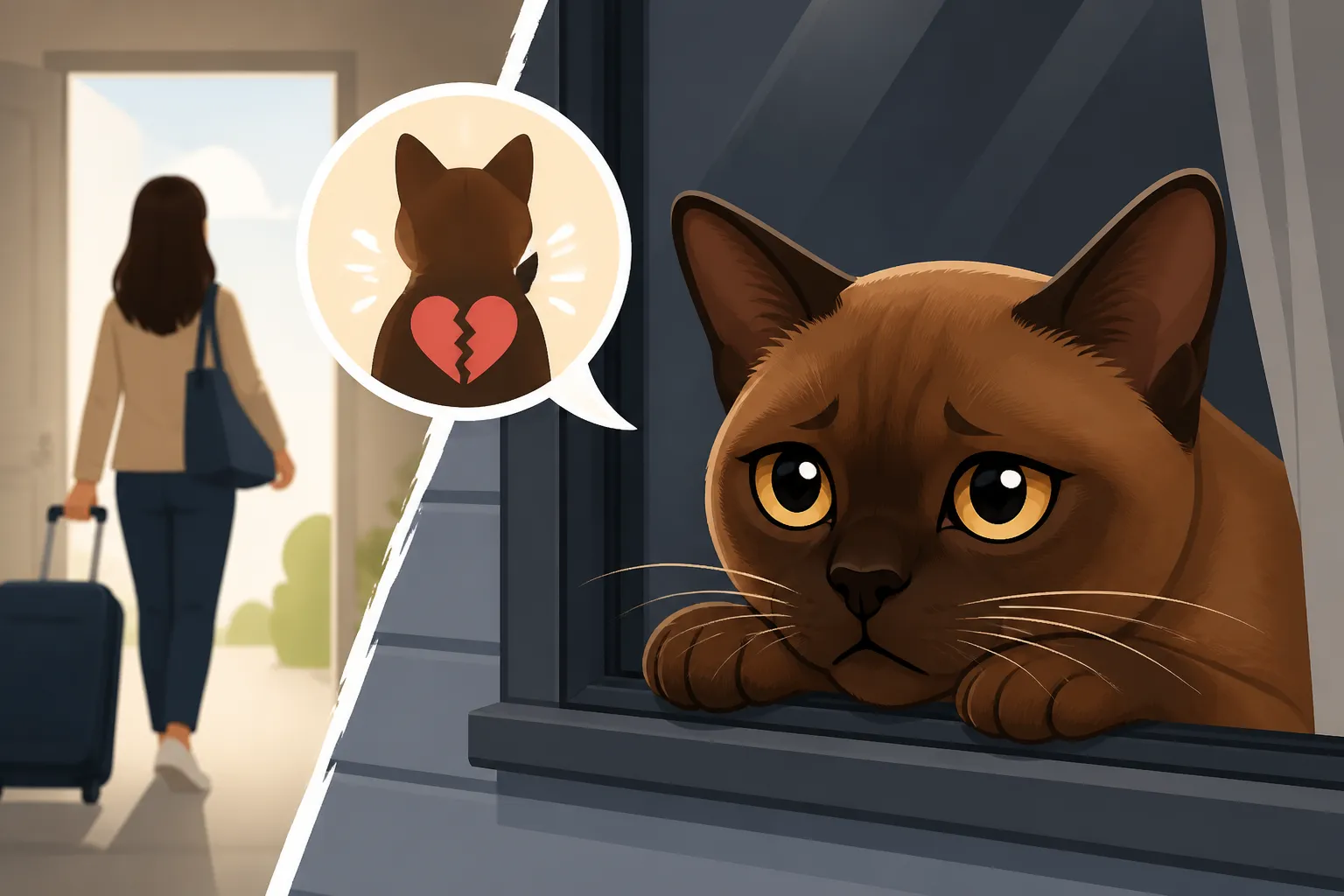
During your absence, they may spend significant periods gazing out windows, waiting by doors, or even trying to listen for your car. They are not calmly napping; their minds are in a heightened state of alert, constantly on watch. This constant state of 'waiting' prevents them from truly relaxing or engaging with their environment. Their world shrinks to the expectation of your return, making every minute away feel like an eternity. This hyper-vigilance is exhausting for them, draining their mental and emotional reserves.
The Loss of Joy in Solitary Play
One of the heartbreaking consequences of separation anxiety is the Burmese's diminished capacity for joy when left alone. These are intelligent, playful cats, naturally curious and eager to interact. However, when gripped by anxiety, the allure of even their favorite toys or engaging puzzle feeders can vanish. They may swat at a toy half-heartedly, or ignore it entirely, because their primary focus is not on play, but on coping with your absence.
If you observe them (perhaps with a pet camera), you might see them moving from one room to another, restless and unable to settle, rather than engaging in solitary activities they might have once enjoyed. The joy of batting a feather wand or chasing a laser pointer is often contingent on your participation, or at least your presence in the home. When you're gone, the zest for solitary play diminishes, leaving them with an internal emptiness that no toy, no matter how exciting, can fill. Even the most engaging items on Amazon might gather dust if their mind is elsewhere. A Burmese Is Still Playing at Fifteen, but it's often play with you.
When Comfort Items Aren't Enough
Many owners try to provide comfort items for their cats when they're away, such as a blanket with their scent, or a familiar piece of clothing. While these can offer a small degree of reassurance, for a Burmese with true separation anxiety, they are often insufficient. The core problem isn't a lack of a comforting smell; it's the absence of the living, breathing, interacting presence of their beloved human.
While a shirt might offer a fleeting moment of familiarity, it cannot engage in a game of chase, offer a reassuring purr, or provide the interactive companionship that a Burmese craves. These items are merely static reminders of what's missing, rather than a genuine substitute for connection. In severe cases, they might even become the target of destructive chewing, as the cat attempts to extract more comfort or channel their frustration into the object. It highlights how profoundly dependent their emotional well-being is on direct, active interaction.
Proactive Steps for a Happier, More Secure Burmese
Recognizing the signs of separation anxiety is the first crucial step, but what comes next? Addressing this issue requires a multi-faceted approach, focusing on prevention, environmental enrichment, and careful behavioral modification. The goal isn't to make your Burmese independent of you – that’s against their nature – but to help them feel secure and content even when you're not physically present, transforming their fear into a manageable calm.
The Companion Solution: Two Are Often Better Than One
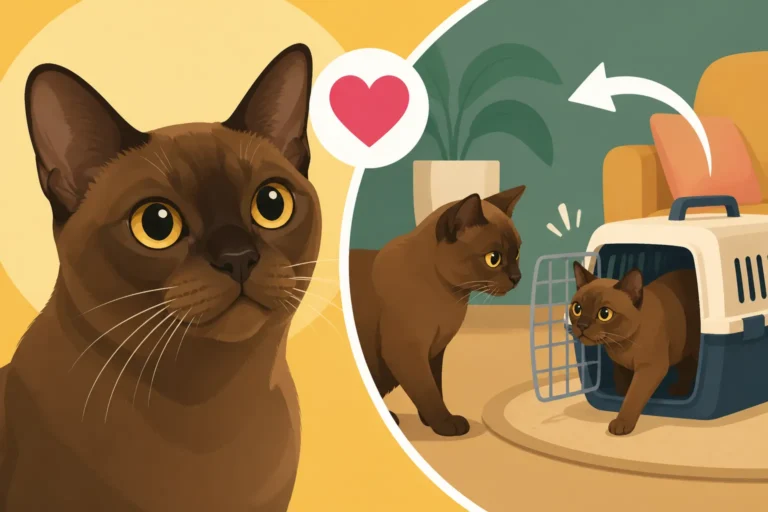
For a breed as profoundly social as the Burmese, one of the most effective and often recommended solutions for separation anxiety is to provide a companion. This doesn't just mean any other cat; it means another cat with a compatible temperament, ideally another Burmese, or a similarly playful and affectionate breed that can match their energy and need for interaction. Having a feline friend provides constant companionship, someone to play with, nap with, and simply exist with during your absence. This significantly reduces feelings of loneliness and boredom.
Many breeders emphasize the importance of adopting Burmese in pairs from the same litter, or at least introducing a second cat early in life. A pair of Burmese will often entertain each other for hours, chasing, wrestling, and grooming one another, filling the void that your absence might otherwise create. This isn't just about entertainment; it's about fulfilling their fundamental social needs. As noted in Why a Second Cat Fixes Most Burmese Problems, the difference can be night and day for an anxious Burmese. If you’re considering this, remember that the introduction needs to be done carefully to ensure a smooth transition and a lasting bond.
Enriching Their Environment: More Than Just Toys
While a companion is often the best solution, environmental enrichment is vital whether you have one Burmese or two. A stimulated cat is a happier cat. This goes beyond simply leaving a few toys out. Think about creating an engaging landscape within your home. Vertical space is crucial; cat trees, shelves, and window perches provide opportunities for climbing, exploring, and observing the world outside. Many excellent multi-level cat trees and wall-mounted shelves can be found on Amazon, offering safe and exciting vantage points.
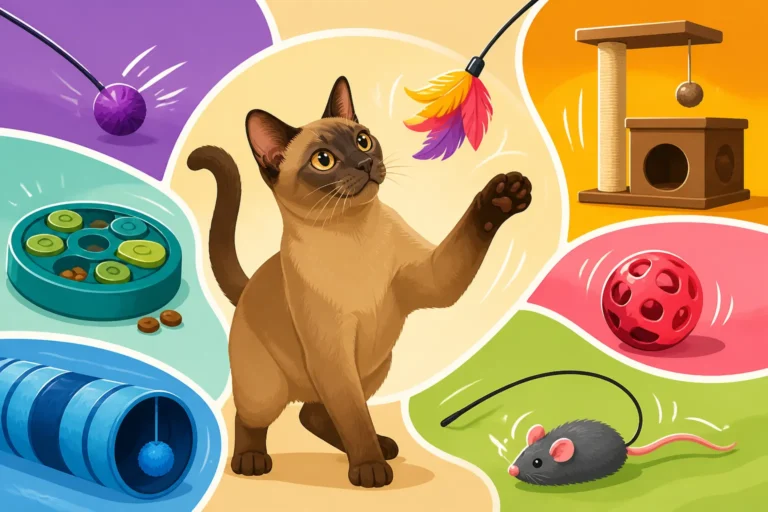
Rotate their toys regularly to prevent boredom. A collection of interactive toys, like puzzle feeders that dispense treats, and automated toys that move on their own, can provide mental stimulation when you're not there. Consider hiding treats around the house, making your Burmese "hunt" for their snacks, tapping into their natural foraging instincts. You can find a wide variety of these items on Amazon, from treat balls to elaborate cat puzzle boxes. Some owners even leave on calming music or a pet-friendly TV channel to provide background noise and stimulation. These efforts help occupy their intelligent minds and provide constructive outlets for their energy, lessening the focus on your absence. Which Toys Keep a Burmese Busy When You Are Out is a great resource for ideas.
The Art of the Calm Departure and Return
The way you leave and return home can significantly impact your Burmese's anxiety levels. Instead of making a big fuss or drawn-out goodbyes, try to make your departures and arrivals as low-key as possible. Exaggerated greetings and farewells can inadvertently heighten your cat's anxiety, making your leaving a dramatic event and your return an overstimulating reunion.
Before you leave, establish a routine that doesn't involve your cat being the center of attention. Five to ten minutes before you head out, engage in a brief, calm play session, then distract them with a puzzle feeder or a favorite treat. Walk out the door without a prolonged goodbye. When you return, ignore your cat for the first few minutes, allowing them to settle down from their initial excitement. Once they are calm, then you can offer quiet affection. This teaches them that your coming and going is a normal, non-dramatic part of the day, reducing the emotional roller coaster they experience. It helps them to understand that your departure isn't an abandonment, and your return isn't a miraculous rescue from eternal loneliness.
Seeking Expert Guidance: When You Need More Than Home Remedies
While the strategies above can make a significant difference, sometimes separation anxiety in a Burmese is deeply ingrained or particularly severe. In these cases, it's not a sign of failure to reach out for professional help. A team approach involving your veterinarian and potentially a certified feline behaviorist can provide the specialized support needed to truly help your anxious cat thrive.
Your Vet as the First Line of Defense
Any time your Burmese exhibits new or concerning behaviors, especially those involving inappropriate elimination, appetite changes, or excessive grooming, your veterinarian should be your first point of contact. It's crucial to rule out any underlying medical conditions that might be causing or exacerbating the symptoms. For example, a urinary tract infection could lead to litter box issues, or dental pain could cause changes in appetite. Your vet can perform a thorough examination, including blood tests and other diagnostics, to ensure there isn't a physical cause for their distress.
Even if a medical issue isn't found, your vet can offer valuable initial advice on managing anxiety, discuss potential calming supplements, or even prescribe anti-anxiety medication if the situation warrants it. They can also connect you with resources for behavioral support and help you understand the next steps in addressing your Burmese's unique needs. Never hesitate to involve your vet; they are an invaluable partner in your cat's health journey. This is also important because What an Untested Burmese Most Often Dies Of can often be complications from unnoticed or untreated underlying issues.
Behavioral Specialists: Decoding Complex Anxieties
If your veterinarian has ruled out medical causes and basic environmental and routine changes aren't making enough of a difference, it's time to consider consulting a certified feline behaviorist or a veterinary behaviorist. These professionals specialize in understanding and modifying animal behavior, and they have the expertise to develop a tailored plan for your Burmese. They can help you identify specific triggers for your cat's anxiety, interpret subtle body language cues you might be missing, and design a comprehensive behavior modification program.
A behaviorist might use techniques like desensitization (gradually increasing the time your cat is left alone), counter-conditioning (associating your departure with positive experiences), and structured play to rebuild your cat's confidence. They can also guide you on the proper use of pheromone diffusers, calming supplements, and potentially, when appropriate, discuss prescription medication as a supportive tool to help your cat cope while behavioral changes are implemented. Their expertise is invaluable in addressing the complex emotional layers of separation anxiety.
Supportive Therapies and Products
Beyond direct behavioral work, there are a variety of supportive therapies and products that can help create a calmer environment for an anxious Burmese. Pheromone diffusers, like Feliway, release synthetic feline facial pheromones that mimic the natural calming signals cats use to mark their territory as safe. Many owners report a reduction in anxiety-related behaviors with consistent use, and these are widely available on Amazon.
Calming supplements containing ingredients like L-theanine, tryptophan, or various herbal extracts can also be beneficial for some cats. Always discuss these with your vet before introducing them, to ensure they are safe and appropriate for your Burmese. Additionally, ensuring your cat has safe, comfortable hiding spots and plenty of access to fresh water can contribute to their overall sense of security. A pet camera, also readily available on Amazon, can be an incredibly useful tool, allowing you to observe your cat's behavior when you're not home, providing valuable insights into their anxiety patterns and the effectiveness of your interventions. Combining these tools with behavioral modification provides a holistic approach to helping your beloved Burmese navigate their deep need for connection with greater peace.
| Sign of Separation Anxiety | Potential Intervention |
|---|---|
| Excessive Vocalization | Companion cat, calming music, interactive toys, low-key departures. |
| Destructive Behavior | Environmental enrichment (cat trees, puzzle feeders), companion cat, appropriate scratch posts, durable toys (many found on Amazon). |
| Inappropriate Elimination | Vet check (rule out medical), extra clean litter boxes, pheromone diffusers, stress reduction, careful cleaning of soiled areas. |
| Over-Grooming/Hair Pulling | Vet check (rule out skin issues), stress reduction, interactive play, calming supplements. |
| Appetite Changes | Vet check (rule out medical), consistent feeding schedule, puzzle feeders, stress reduction. |
| Hyper-Vigilance/Pacing | Predictable routine, calm departures/arrivals, consistent interaction times. |
| Loss of Joy in Play | Companion cat, engaging interactive play sessions, toy rotation, puzzle feeders. |
Disclaimer
This article is for general informational purposes only and does not constitute professional advice. Laws, prices and regulations vary by location and change over time. Consult a qualified professional for guidance on your specific situation.