A Burmese Is Still Playing at Fifteen
It's a common misconception that once a cat hits their golden years, they become little more than furry couch potatoes, content to simply nap the day away. But for those of us who share our lives with a Burmese, we know this couldn't be further from the truth. This guide is all about celebrating and understanding how these magnificent felines defy the odds, remaining delightfully playful and engaged well into their senior years, even as late as fifteen years old.
The Myth of the Sedate Senior Cat and Why the Burmese Breaks It
When you talk about aging pets, most people conjure an image of a dog with stiff joints or a cat that rarely leaves its favorite sunbeam. And while a degree of slowing down is natural for any creature reaching advanced age, the Burmese cat seems to have missed that memo entirely. They are truly the Peter Pans of the feline world, holding onto their kittenish antics with an impressive tenacity that often surprises even seasoned cat owners. This enduring zest for life isn't just charming; it's a fundamental aspect of their breed character.
Challenging Conventional Wisdom About Feline Aging
For years, veterinary science and popular perception have painted a picture of senior cats becoming increasingly sedentary, losing interest in toys, and preferring quiet solitude. And for many breeds, that holds true to varying degrees. You might see a Maine Coon, for example, transitioning from boisterous kittenhood to a stately, dignified adult, and then a truly serene senior. Their play might become more ritualistic, less spontaneous. But the Burmese? They often continue to surprise their humans by batting at dangling toys, chasing laser pointers, or even initiating games of fetch well past the age when other cats have retired their playthings. It's a refreshing defiance of the norm, proving that "old" doesn't have to mean "boring."
It's not that a senior Burmese won't nap more—they certainly will, often in the warmest, most comfortable spot they can find, usually on your lap or nestled deeply under the duvet. However, those naps are frequently punctuated by bursts of activity, sudden sprints, or an insistent demand for interactive play. This isn't just an occasional occurrence; for many Burmese, it's a consistent pattern throughout their senior years. They keep you on your toes, reminding you with every playful swat or chase that there's still a vibrant, energetic spirit inside that sleek, satin-coated body. It’s a joy to witness, but it also means their care needs adapt as they age, requiring continued engagement rather than just comfort.
The Burmese's Unique Metabolism and Energy Levels
Part of the secret to the Burmese's lasting playfulness lies in their unique physiology and metabolism. While specific scientific studies on this are ongoing, breeders and owners often observe that Burmese cats tend to maintain a lean, muscular physique throughout their lives, provided their diet is managed carefully. This robust build, often described as "a brick wrapped in silk," supports a higher level of physical activity for longer. They are not prone to the same kind of rapid muscle wastage or profound lethargy that can affect other breeds as they age. Their energy levels, while perhaps not quite at the frantic pace of a six-month-old kitten, remain remarkably high.
This isn't to say they're immune to the effects of aging; of course, their sprints might be a little shorter, their jumps a touch lower. But the desire to engage, the inherent motor that drives their play, seems to burn brightly for an extended period. This persistent energy means you can't just assume an older Burmese will be content with passive entertainment. They still need outlets for their physical and mental energy. Ignoring this need can lead to frustration or even destructive behaviors, as a bored Burmese is rarely a quiet one. Understanding this inherent drive is crucial for any owner hoping to keep their senior companion happy and healthy. What an Old Burmese Slows Down From can give more insight into typical aging changes versus their natural zest.
Why Their Social Nature Fuels Lifelong Play
The Burmese is famously known as the "Velcro cat" or the "dog in a cat's body" due to its intense social needs and profound attachment to its human family. This isn't just about cuddling; it extends directly to their play. Unlike some more independent breeds who might enjoy solo play, a Burmese thrives on interaction, and this need doesn't wane with age. Their play is often a direct extension of their desire for companionship and engagement. If you're home, they want to be involved in whatever you're doing, and often that means turning mundane tasks into an opportunity for a game.
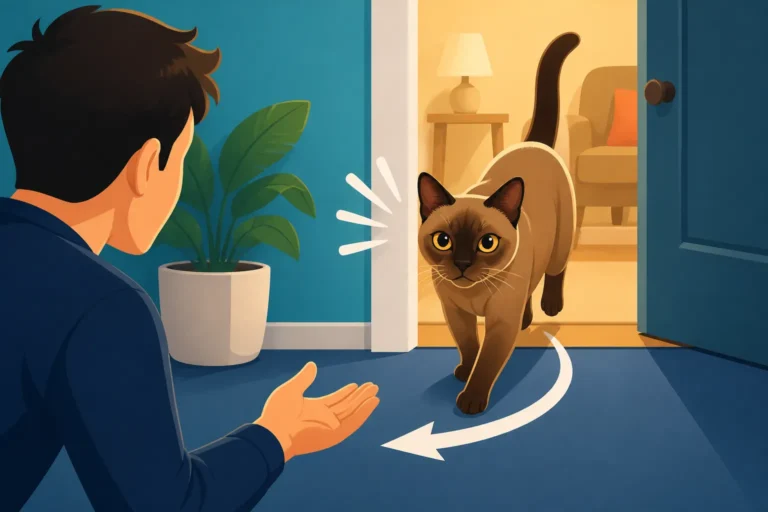
A senior Burmese will still follow you from room to room, supervising your activities, and often looking for an invitation to play. A crinkled piece of paper, a dangling shoelace, or even just your wiggling fingers beneath a blanket can spark a playful pounce. This strong social bond means that as long as they have their beloved humans (or a feline companion, which breeders often recommend, as detailed in Why Burmese Breeders Sell Them in Pairs), they have a constant stimulus for play. Their happiness is intertwined with their participation in family life, and play is a vital part of that participation. It's a beautiful cycle: their affection encourages interaction, and that interaction keeps them mentally and physically active.
What "Playing at Fifteen" Actually Looks Like for a Burmese
When we talk about a fifteen-year-old Burmese still playing, it's important to set realistic expectations. It's not usually going to be the same breakneck speed and boundless energy of a kitten, but it is undeniably play, filled with joy and intent. Their expressions, their body language, the focused gleam in their eyes—it all tells you they're in the game, perhaps just with a slightly adjusted pace.
The Types of Play That Endure Through Senior Years
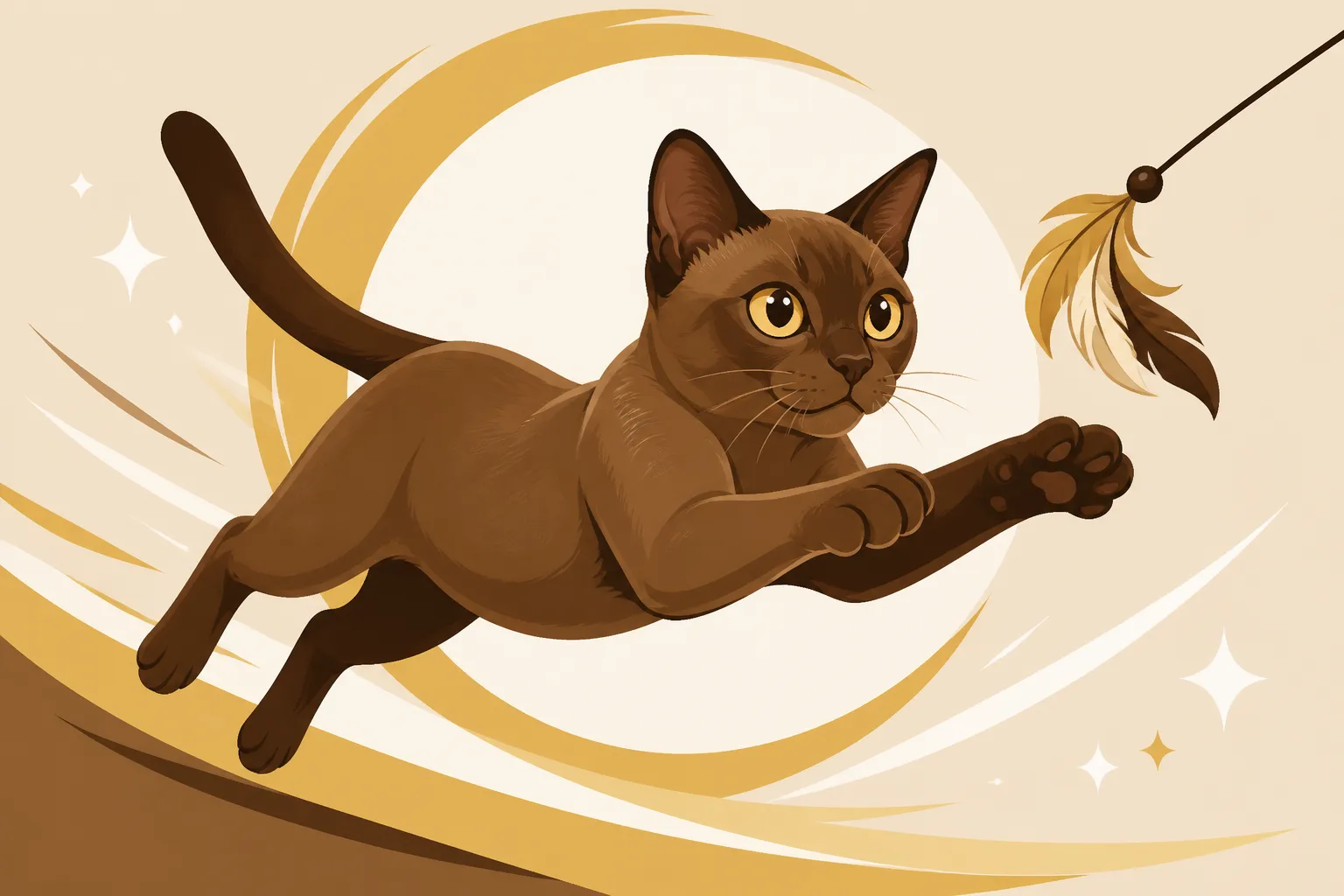
Even as they age, Burmese cats retain a fondness for certain types of play that engage their hunting instincts and their need for interaction. Wand toys, especially those with feathers or ribbons, are often perennial favorites. The erratic movement of the lure mimics prey, triggering their innate pouncing and stalking behaviors. You'll see them crouch low, eyes narrowed, tail twitching, before executing a surprisingly agile leap. Laser pointers, too, remain highly captivating, providing endless chasing opportunities, though it's always good to end a laser session with a tangible toy they can "catch" to prevent frustration.
Beyond structured play, many senior Burmese still enjoy "conversational" games. This might involve them batting at your hand from under a blanket, or playfully nipping at your fingers as you type. They might even retrieve small toys, bringing them back to you for another toss, much like a dog. My own elderly Burmese, Jasper, at nearly seventeen, still demands a game of "pounce the foot" every morning when I get out of bed. His pounce is softer now, less forceful, but the intent and joy are unmistakable. These are the precious moments that remind you just how enduring their playful spirit is.
Adapting Play to an Aging Burmese's Needs
As much as they love to play, a senior Burmese will appreciate adjustments that accommodate their changing physical capabilities. Their joints might not be as supple, their vision a little less sharp, and their stamina not what it once was. Instead of long, intense sessions, opt for shorter, more frequent playtimes. Five to ten minutes several times a day can be more beneficial and less taxing than one long session. Use toys that require less vigorous movement, such as feather wands that can be gently dragged across the floor rather than swung high in the air.
Consider toys with larger, more distinct components if their eyesight is diminishing. Puzzle toys that dispense treats can provide mental stimulation without demanding much physical exertion. Platforms and ramps can help them access favorite high spots for observation, and a cat tree with carpeted steps rather than high jumps can make vertical exploration more accessible. It’s about meeting them where they are physically, ensuring they can still engage safely and comfortably. Even a plush tunnel or a simple cardboard box can offer endless entertainment and a safe place to "ambush" you. For more insights on general care, check out Caring for a Burmese Past Twelve.
Subtle Signs of Continued Playfulness
Sometimes, the playfulness of an older Burmese might not be as overt as a kitten's wild zoomies. You need to look for the subtle cues, the gentle nudges, the soft pats with a paw that signal their desire to engage. A Burmese might lie on their back, exposing their belly, and gently bat at your hand as you walk by—an open invitation for a tummy rub that often devolves into playful wrestling with your fingers. They might stare intently at a dust bunny under the sofa, then slowly, deliberately, stalk and pounce on it, as if it were the most formidable prey.
Another sign is their continued curiosity. A senior Burmese will still investigate new objects, sniffing and patting at them with their paws, turning exploration into a form of play. They might "help" you unpack groceries, batting at bags or curiously inspecting new items. My grandmother's fifteen-year-old Burmese, Misha, used to "herd" her knitting yarn, gently pushing the ball with her nose and paws, creating her own quiet, focused game. These aren't grand acrobatic displays, but they are genuine expressions of their enduring playful spirit, a consistent engagement with their world.
Why a Burmese Stays Kittenish Into Old Age
There's something truly special about a Burmese cat that allows them to retain that kitten-like charm and energy long after other breeds have settled into a more sedate senior existence. It's a combination of their genetic makeup, their innate desire for connection, and a remarkable resilience that keeps them vibrant.
The Role of Genetics in Lifelong Vivacity
While the exact genetic markers for sustained playfulness in Burmese cats aren't fully understood, anecdotal evidence and breed observations strongly suggest a genetic predisposition for maintaining a youthful demeanor. They seem to mature physically but retain a youthful spirit. Their robust health profile, when responsibly bred, also plays a role. Breeds that are plagued by widespread debilitating genetic conditions tend to show signs of slowing down much earlier. While Burmese cats have their own breed-specific health concerns, such as a higher predisposition to diabetes, a well-bred Burmese from healthy lines is generally robust, allowing their natural exuberance to shine through for many years.
This inherent vitality means they are simply built to keep moving and interacting. It’s part of their hardwiring. Their compact, muscular bodies are designed for agility and strength, which they maintain surprisingly well. This strong physical foundation means they're less likely to be hindered by the minor aches and pains that can make play unappealing for other older cats. It's a testament to the careful selection that went into establishing the breed, creating a cat that is not only beautiful but also remarkably resilient in spirit and body. The Sixteen to Eighteen Years a Well Bred Burmese Gets speaks to their longevity.
How Affectionate Bonds Encourage Interaction
The Burmese cat is renowned for its unparalleled affection and devotion to its human companions. This isn't a cat that tolerates your presence; it actively seeks it out, thrives on it, and demands to be an integral part of your life. This deep, reciprocal bond is a powerful motivator for continued play. A Burmese doesn't just play for the sake of playing; they often play with you, as a way to connect and interact. If you engage with them, they will respond with enthusiasm, regardless of their age.
This means that a Burmese who feels loved, secure, and constantly engaged is more likely to stay playful. Your interaction becomes their favorite toy. A simple conversation, a gentle stroke, or a playful wiggle of your fingers can be enough to ignite their playful spark. Their desire to be close to you, to climb into your lap, or even ride on your shoulder, ensures they are always positioned to initiate or respond to play. Their affection isn't a passive trait; it's an active ingredient in their lifelong vitality, compelling them to engage and connect through shared moments of fun. Why a Burmese Rides on Your Shoulder offers more on their unique attachment behaviors.
Mental Stimulation Keeps Them Engaged
Physical play is important, but for the highly intelligent Burmese, mental stimulation is equally crucial in maintaining their kittenish spirit. They are incredibly smart cats who can easily become bored if not given adequate opportunities to use their brains. This intelligence manifests in their ability to learn tricks, solve puzzles, and even engage in complex interactions with their environment. A bored Burmese is often a mischievous one, finding their own "games" that might involve knocking things off shelves or exploring forbidden cupboards.
As they age, providing consistent mental challenges helps keep their minds sharp and prevents cognitive decline. Puzzle feeders, for example, force them to think and problem-solve to get their treats, turning mealtime into a stimulating game. Teaching them new tricks, even simple ones like "sit" or "high five," can be incredibly rewarding for both of you. You can find a fantastic array of interactive puzzle toys and feeders on Amazon that are perfect for keeping a senior Burmese's mind active. The mental workout they get from these activities translates into a more engaged, more alert, and ultimately, a more playful cat, regardless of the number of candles on their birthday cake.
The Benefits of Sustained Play for Senior Burmese Cats
The fact that Burmese cats can play at fifteen isn't just a charming quirk; it offers profound benefits for their overall health and well-being. Keeping them active and engaged is not just about fun; it's a vital part of their senior care regimen, contributing significantly to their quality of life.
Maintaining Physical Health and Mobility
Just like humans, cats need to move to stay mobile. Regular, gentle play helps keep a senior Burmese's joints flexible, muscles strong, and circulation healthy. While they may not be scaling curtains anymore, even low-impact activities like chasing a feather wand across the floor or batting at a rolling toy prevent stiffness and muscle atrophy. This continued physical activity is particularly important for breeds like the Burmese, who, as mentioned, are genetically predisposed to maintaining their muscle mass. Regular movement can delay the onset or lessen the severity of age-related conditions like arthritis. How Arthritis Shows in a Burmese That Still Plays is a crucial read here.
Furthermore, play helps manage their weight, which is an incredibly important factor for Burmese health. This breed has a notoriously high predisposition to diabetes, and maintaining a healthy weight through diet and exercise is the absolute best preventative measure. A physically active senior Burmese is less likely to become overweight or obese, thereby reducing their risk for several health issues. Think of every play session as a little bit of physical therapy and preventative medicine rolled into one joyful package.
Boosting Mental Acuity and Preventing Cognitive Decline
A mind that's challenged stays sharper, and this holds true for our feline friends. Sustained play provides essential mental stimulation that can help ward off cognitive decline in senior Burmese cats. When they are engaged in stalking, pouncing, or solving a toy puzzle, they are using their problem-solving skills, their memory, and their focus. This keeps their neural pathways active and prevents the mental "rust" that can come with prolonged inactivity. A mentally stimulated cat is often more aware of its surroundings, more responsive to its owners, and generally happier.
Cats who are allowed to languish in boredom often become withdrawn, disoriented, or even anxious. Play, especially interactive play with their human, keeps them connected to their environment and maintains their social engagement. It reinforces their routine and gives them a sense of purpose and enjoyment. Seeing an older Burmese intently focused on a game, with their pupils dilated and their tail twitching in concentration, is a clear sign that their minds are still firing on all cylinders. This mental engagement is as important as physical exercise for their overall well-being.
Strengthening the Human-Animal Bond
Perhaps one of the most heartwarming benefits of a playful senior Burmese is the continued strengthening of the bond you share. Play is a language of love and connection for these social creatures. When you engage in a play session, you're not just exercising their body; you're nurturing their spirit and reinforcing the deep affection they have for you. These shared moments create lasting memories and deepen your mutual understanding. For a breed that thrives on companionship, every game, every chase, every shared giggle over their antics, reaffirms their place as a cherished family member.
As a cat ages, the dynamics of the relationship can sometimes shift, with more focus on comfort and care. But with a playful Burmese, that vibrant, youthful connection remains. It reminds you that despite their age, the core of their personality—their joy, their exuberance, their loving heart—is still very much intact. These are the moments that truly make owning a Burmese so special, allowing you to cherish their unique personality for many, many years. For more on their delightful nature, refer to The Burmese Is the Velcro Cat of the Cat Fancy.
Encouraging Play: Toys and Techniques for Your Senior Burmese
Just because a Burmese wants to play at fifteen doesn't mean they'll necessarily seek out the same stimulation they did as a kitten. As owners, we have a role to play in facilitating and encouraging their continued activity, adapting to their evolving needs and preferences.
Choosing Age-Appropriate and Engaging Toys
Selecting the right toys for a senior Burmese is crucial. Think about their comfort and capabilities. Avoid toys that require excessive jumping or fast, erratic movements that might strain their joints. Instead, opt for toys that can be dragged slowly, dangled gently, or rolled on the floor. Feather wands are often a hit because they engage their hunting instincts without requiring high-flying acrobatics. Interactive toys that you control allow you to adjust the pace and intensity to suit your cat's energy levels on any given day.
Soft, lightweight balls that are easy to bat around without too much effort, or crinkly toys they can bat and roll, are also good choices. Puzzle feeders, as mentioned, are excellent for mental stimulation and slow eating, which is beneficial given the breed's diabetes risk. Look for toys made from natural materials or those that mimic small prey. You can find a huge variety of engaging and safe toys for senior cats, from simple crinkle balls to sophisticated electronic laser toys, readily available on Amazon. Remember, novelty can sometimes spark interest, so rotating toys can keep things fresh.
Interactive Play Sessions: Quantity and Quality
The key to successful play with a senior Burmese is frequent, short, high-quality interactive sessions. Instead of trying to squeeze in one long play session, aim for multiple shorter bursts throughout the day. Five to ten minutes of focused play, two to three times a day, can be far more effective and less strenuous. During these sessions, be fully present. Put away your phone, turn off distractions, and really engage with your cat. Use your voice, praise them for their efforts, and make it a bonding experience.
Pay close attention to your Burmese's cues. If they start panting, show signs of stiffness, or simply lose interest, end the session gracefully. Never force them to play when they're not feeling up to it. The goal is enjoyment, not exhaustion. These regular, positive interactions reinforce their desire to play and keep their playful spirit alive. What an Old Burmese Still Wants to Play emphasizes their continued need for engagement.
Creating an Enriching Environment for Older Cats
An enriching environment encourages natural behaviors and keeps a senior Burmese mentally and physically stimulated, even when you're not actively playing with them. Provide comfortable, easily accessible resting spots at various heights. This might mean adding ramps to favorite window perches or investing in a cat tree with wide, shallow steps. Ensure these spots are warm, as Burmese cats, with their short, satin coats, often seek out warmth, especially as they age.
Vertical space is still important, even for older cats, as they love to observe their domain from above. Consider low-rise cat shelves or sturdy window seats. Provide scratching posts and boards in multiple locations to encourage healthy claw maintenance and stretching. Even simple things like rotating their access to different rooms or placing a bird feeder outside a window can provide hours of passive entertainment. A comfortable, stimulating environment makes it easier for your Burmese to stay engaged and playful on their own terms, complementing your interactive sessions.
When to Consult Your Vet About Changes in Play Behavior
While enduring playfulness is a hallmark of the Burmese breed, a sudden or significant decrease in their desire to play is always a red flag and warrants a veterinary visit. Even the most stoic Burmese, known for hiding discomfort, will show a change in their most cherished activities.
Distinguishing Normal Aging from Health Issues
It's easy to dismiss a reduction in play as "just old age," but with a Burmese, it’s crucial to be more vigilant. Normal aging might manifest as slightly slower movements, shorter play sessions, or a preference for less strenuous games. However, a complete cessation of play, an obvious reluctance to move, or any signs of pain during activity are not normal for this breed, even at fifteen. Burmese cats are experts at masking discomfort, so you might need to look for subtle signs. Are they hesitating before jumping onto the sofa? Are they favoring a limb? Is their appetite changing, or their water intake increasing?
Any noticeable shift in their typical playful demeanor should prompt a call to your vet. It's far better to err on the side of caution and get them checked out, even if it turns out to be nothing serious. Their unwavering affection often means they try to please you, even when they're not feeling their best. Don't let their brave face fool you; they rely on you to recognize when something is truly wrong. Why a Burmese Hides Illness Behind Its Affection provides more critical context.
Common Ailments That Can Affect Play
Several age-related health issues can impact a senior Burmese's ability or desire to play. Arthritis, kidney disease, hyperthyroidism, and diabetes are common concerns in older cats. Arthritis can make jumping and running painful, even if they still want to play. Diabetes, which Burmese are particularly prone to, can lead to lethargy and weakness, making them less enthusiastic about activity. Hyperthyroidism, on the other hand, can cause restlessness and weight loss, but often an overall feeling of malaise that might diminish focused play.
Dental pain, often overlooked, can also significantly impact a cat's comfort and energy levels. If chewing or even just opening their mouth wide is painful, they might become withdrawn and uninterested in anything but sleeping. Regular vet check-ups are essential for early detection and management of these conditions. Many of these issues are manageable, and addressing them promptly can restore your Burmese's comfort and, often, their desire to play.
Proactive Care for a Playful Senior
To ensure your Burmese can continue playing at fifteen and beyond, proactive veterinary care is paramount. Regular senior wellness exams, usually twice a year, become vital. These check-ups allow your vet to monitor their weight, dental health, joint mobility, and perform routine blood and urine tests to screen for common age-related diseases. Early detection of conditions like kidney disease, diabetes, or hyperthyroidism means earlier intervention, which can significantly improve their prognosis and quality of life.
Discuss any subtle changes you observe with your vet, no matter how minor they seem. Even a slight increase in water consumption or a minor change in litter box habits can be significant clues for a vet. Maintaining a healthy diet that supports their muscle mass and ideal weight, providing appropriate supplements if recommended by your vet (such as joint support for arthritis), and ensuring a stress-free environment are all part of supporting their ongoing playfulness. It’s an investment in their long-term happiness and activity.
The Deep Joy of a Playful Elder Burmese
There's a unique kind of joy that comes from witnessing an older pet defy the expectations of age, and with a Burmese, that joy is amplified by their inherent effervescence and deep connection to their humans. A playful elder Burmese is not just a cat; it's a testament to the power of good care, strong bonds, and an indomitable spirit.
Cherishing Every Moment of Play
Each pounce, each chase, each playful swat from your fifteen-year-old Burmese is a precious gift. These moments are reminders of their enduring vitality and the special bond you share. It's about cherishing the present, appreciating that they are still engaging with the world and with you with such enthusiasm. Their continued playfulness is a celebration of life, a defiant flutter against the passage of time. These aren't just games; they are intimate conversations, shared laughter, and expressions of pure feline joy.
Take the time to truly observe them during play. Notice the gleam in their eyes, the twitch of their tail, the way their ears swivel as they track a toy. These small details tell a story of a cat living life to the fullest, even in their twilight years. Document these moments, perhaps with a quick video or a mental snapshot, because they are the memories that will warm your heart for years to come. These moments are irreplaceable and contribute to the rich tapestry of your life together. How Much Play a Burmese Still Demands at Ten is a testament to this longevity.
The Emotional Rewards for Owners
For owners, having a Burmese who is still playful at fifteen offers immense emotional rewards. It provides comfort, continuity, and a constant source of amusement. It's a reassurance that your beloved companion is still happy, engaged, and enjoying their life to the fullest. In a world where pets often age quickly, the Burmese's lasting kittenish nature is a beautiful anomaly, giving you more years of shared delight and interaction. It softens the sometimes-difficult reality of an aging pet, reminding you of their vibrant spirit.
There's a profound sense of privilege that comes with being entrusted with the care of such a spirited animal. Their playfulness becomes a source of daily joy, a stress reliever, and a constant reminder of the simple pleasures in life. It's a testament to the strength of the bond you've built, and a comforting presence that enriches your home every single day. The laughter and warmth they bring into your home through their antics are truly immeasurable.
Leaving a Legacy of Lifelong Joy
The Burmese cat, with its remarkable ability to remain playful at fifteen, leaves a profound legacy. It teaches us about resilience, the importance of companionship, and the enduring power of joy. It challenges our assumptions about aging in pets and encourages us to provide stimulating, loving environments for our senior companions. This breed's unique characteristic serves as a powerful reminder that age is often just a number when it comes to the spirit of a truly loved and well-cared-for animal.
By embracing and encouraging their playfulness, we honor their innate nature and ensure they experience the fullest possible life. Their example inspires us to be better pet parents, more observant, more engaged, and more dedicated to their well-being at every stage of life. A Burmese who plays at fifteen isn't just an adorable sight; it's a living embodiment of enduring happiness, a testament to the powerful connection between humans and their feline friends, and a lasting memory of an exceptional companion.
Comparison of Senior Cat Playfulness: Burmese vs. Other Breeds
To truly appreciate the enduring playfulness of a senior Burmese, it's helpful to compare it to what might be considered more typical behavior in other senior cat breeds. This table highlights some general distinctions, though individual cats will always vary.
| Characteristic | Typical Senior Cat (Other Breeds) | Senior Burmese Cat (15+ years) |
|---|---|---|
| Energy Levels | Significantly reduced; prefers long naps. | Reduced but still active; bursts of energetic play. |
| Interest in Toys | Low; may only bat occasionally, if at all. | Moderate to high; will engage with favorite toys. |
| Interactive Play | Limited; may tolerate, but rarely initiates. | Actively seeks and initiates play with humans/other pets. |
| Hunting Instincts | Often dulled; less interested in stalking/pouncing. | Still present; enjoys "hunting" feather wands, laser dots. |
| Physical Agility | Noticeable decline; hesitant to jump or climb. | May be slower/lower, but still capable of agile movements. |
| Vocalization during Play | Minimal to none. | Often vocalizes with characteristic rasps or chirps. |
| Recovery Time | Longer rest periods needed after activity. | Shorter rest periods; often ready for another round soon. |
| Social Motivation | May prefer solitude; less reliant on human interaction for play. | Play is often a direct extension of social bonding. |
This table isn't meant to imply that other breeds aren't wonderful companions in their senior years, but rather to highlight the distinct and often surprising persistence of playfulness in the Burmese, making them a truly unique and engaging breed to live with throughout their lives.
Disclaimer
This article is for general informational purposes only and does not constitute professional advice. Laws, prices and regulations vary by location and change over time. Consult a qualified professional for guidance on your specific situation.