Why Burmese Breeders Sell Them in Pairs
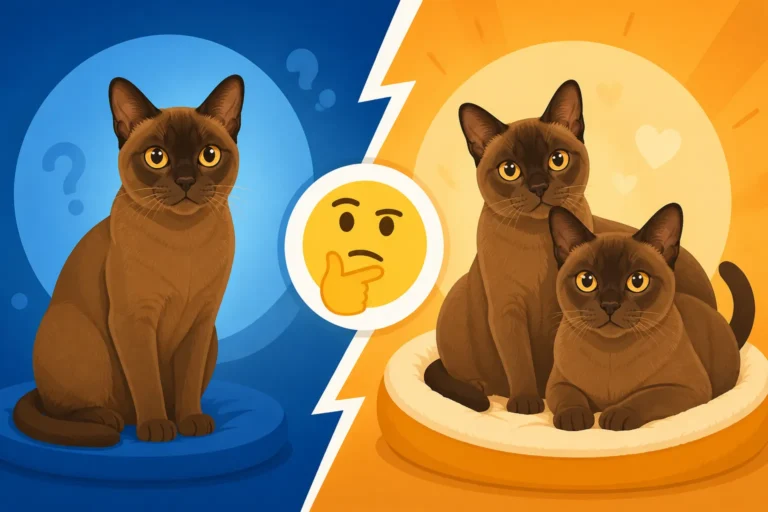
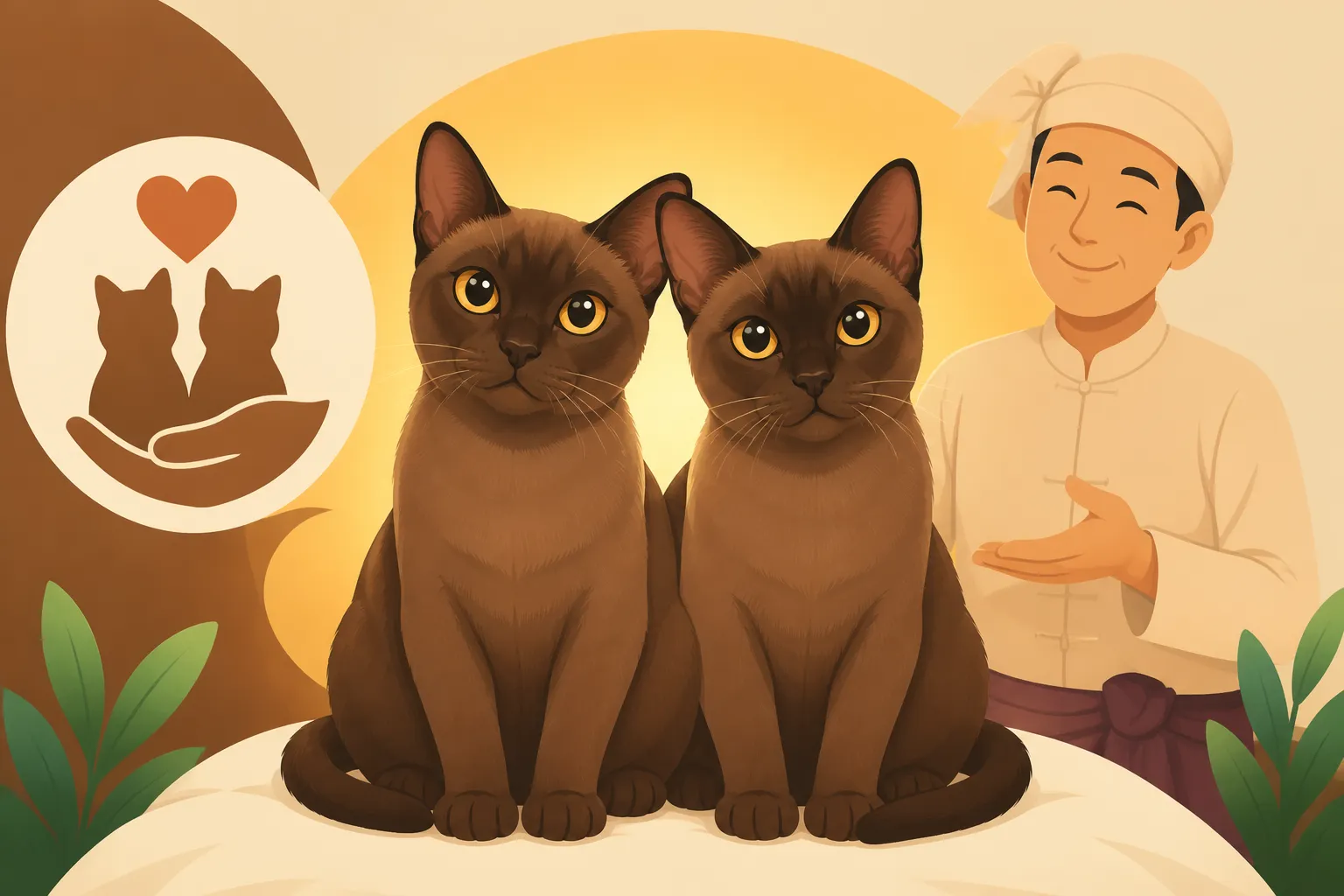
It’s a common scenario: you’ve fallen head over heels for the captivating charm of a Burmese cat, you’ve found a reputable breeder, and then comes the gentle suggestion – or sometimes, the firm insistence – that you take not one, but two kittens. For many prospective owners, this can be a bit of a shock. Why would a breeder actively push for a double adoption? It’s not just about selling more kittens; it’s a deeply rooted understanding of this unique breed’s profound social needs, and this guide is here to unravel why a Burmese often thrives best when it has a companion by its side.
The Inherent Social Nature of the Burmese
The Burmese cat is unlike many other feline breeds you might encounter. They aren't aloof, independent creatures content to observe from a distance. No, the Burmese is a cat that integrates itself fully into your life, your lap, and frankly, your personal space. Their need for companionship is a defining characteristic, shaping everything from their daily routines to their emotional well-being.
The "Velcro Cat" Phenomenon
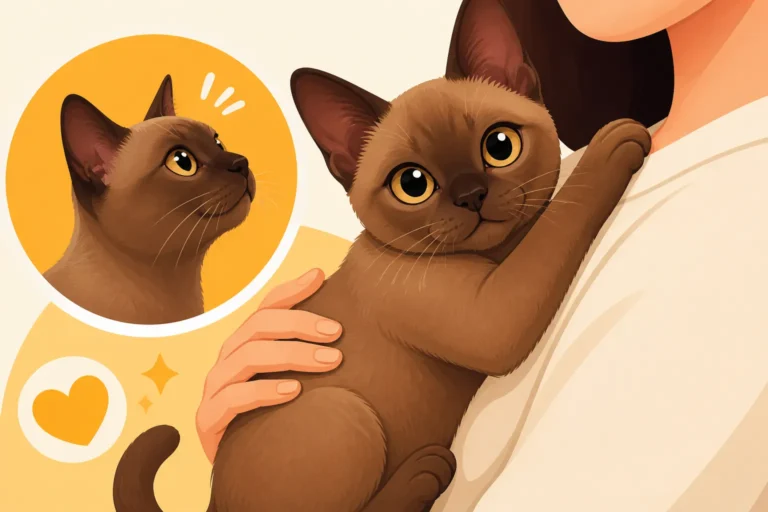
If you've heard the term "Velcro cat" before, it was likely coined to describe a Burmese. These cats stick to their humans with an unwavering devotion that can be quite astonishing if you're used to more independent breeds. They want to be where you are, always. Whether you're cooking dinner, working at your desk, or simply relaxing on the couch, a Burmese will find a way to be involved, often draped over your shoulders or nestled tightly against your side. This isn't just a cute quirk; it's a fundamental part of their personality.
Their constant presence means they aren't just looking for occasional cuddles; they crave deep, continuous interaction. They will follow you from room to room, even to the bathroom, just to be near you. It's a sweet, endearing trait, but it also highlights a critical need: they genuinely do not like to be alone. This constant desire for proximity and contact is what makes them such beloved pets, but it also makes the idea of a solitary Burmese a bit heartbreaking for those who understand the breed. Their entire being is geared towards connection. The Burmese Is the Velcro Cat of the Cat Fancy really describes this beautifully.
A Breed That Craves Constant Interaction
Beyond just physical proximity, Burmese cats demand active engagement. They are intelligent, curious, and incredibly playful, even into their senior years. A Burmese isn't content to simply watch you; they want to participate. They love interactive toys, puzzle feeders, and any game that involves you throwing something for them to retrieve. This interactive nature means they need more than just a warm bed and regular meals; they need mental and emotional stimulation that only constant interaction can provide.
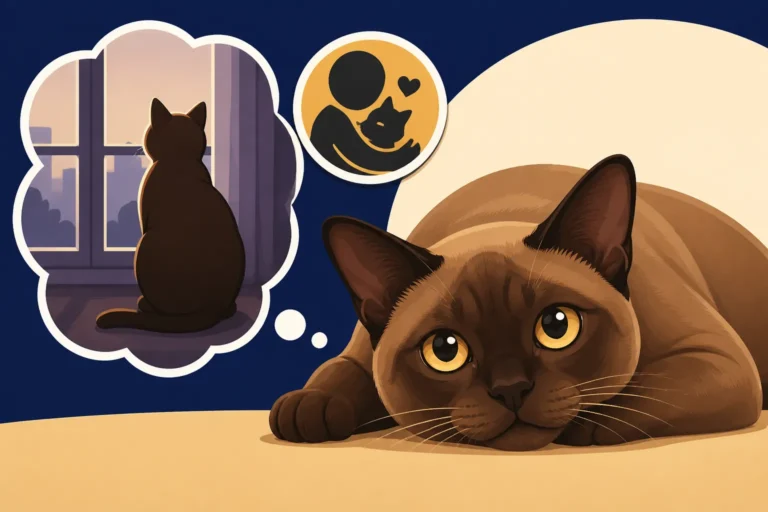
Think about it: an independent cat might nap for hours while you're out, greeting you with a purr when you return. A Burmese, however, is likely to have spent those hours waiting, perhaps even pacing, feeling the void of your absence. When you come home, they'll often demand immediate, intense attention, almost as if to make up for lost time. This isn't them being spoiled; it's a manifestation of their deep-seated need for interaction. Without a constant source of engagement, whether from a human or another cat, their vibrant personalities can quickly dull.
Their Unique Vocalizations as a Call for Company
Burmese cats are known for their distinctive voices. Unlike the piercing yowl of a Siamese, the Burmese typically has a softer, more conversational "rasp" or a low, rumbling purr. But don't let the gentler tone fool you; they use their voices extensively to communicate their needs and desires. And often, those desires revolve around companionship. They will "talk" to you, engage in long back-and-forth conversations, and use a variety of trills and chirps to get your attention.
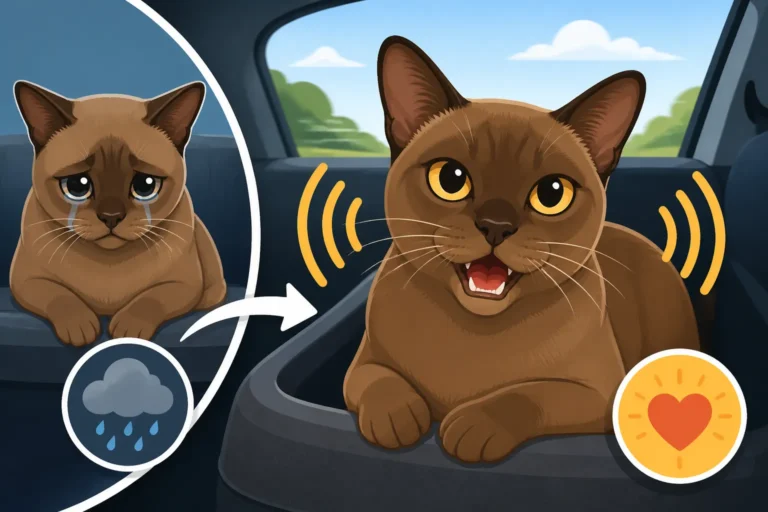
When a Burmese is left alone for too long, their vocalizations can change. The soft rumbles might turn into more persistent, plaintive calls. It’s their way of asking for company, expressing their loneliness, and trying to summon someone to fill the quiet void. This isn't just a minor annoyance; it's a genuine indicator of distress. A cat that is constantly "talking" in a needy way might be trying to tell you something important about its emotional state. Understanding these vocal cues is key to recognizing their need for consistent companionship, and why a companion is often the best answer.
Understanding Burmese Separation Anxiety
Given their intense need for connection, it's perhaps no surprise that Burmese cats are highly prone to separation anxiety. This isn't just about missing you; it's a deep-seated stress response that can lead to a range of behavioral and even physical problems. Breeders understand this vulnerability, which is a major driving factor behind recommending a pair.
What Loneliness Looks Like in a Burmese
When a Burmese is truly lonely, it goes beyond looking a bit sad. They can become withdrawn, even though they are typically outgoing. They might lose interest in their favorite toys or refuse to eat their food when you're not around. Some might become clingier, literally throwing themselves at you the moment you walk through the door, desperate for attention. Others might go to the opposite extreme, becoming listless and quiet, which is even more concerning for such an active breed.
Imagine a highly social person stuck alone in a quiet house day after day. They might initially cope, but eventually, the isolation takes a toll. For a Burmese, this feeling is magnified. Their emotional state is deeply tied to the presence of others. What Separation Anxiety Looks Like in a Burmese often includes signs like excessive grooming, changes in appetite, or even destructive behaviors, all stemming from that underlying feeling of being abandoned or forgotten. It's a heartbreaking sight for any owner.
The Physical Manifestations of Stress
The stress of loneliness isn't just psychological for a Burmese; it can manifest physically. Chronic anxiety can suppress their immune system, making them more susceptible to illness. Some anxious Burmese might over-groom themselves to the point of developing bald patches or skin irritation. Others might develop urinary tract issues, not because of infection, but due to stress, leading to inappropriate urination outside the litter box. This can be a huge frustration for owners who don't understand the root cause.
Furthermore, a stressed Burmese might eat less or, paradoxically, overeat as a coping mechanism, leading to other health concerns like weight gain, which is a significant risk factor for conditions like diabetes in the breed. It’s a vicious cycle where emotional distress directly impacts their physical health. A quiet, affectionate cat that suddenly starts chewing on fabric or scratching furniture when left alone could very well be exhibiting signs of profound anxiety.
Why a Single Burmese Often Ends Up Rehomed
This is the harsh reality that reputable breeders try to prevent. Owners, unprepared for the intensity of a Burmese's social needs, often find themselves overwhelmed by the behavioral issues that arise when the cat is left alone. The scratching, the spraying, the constant vocalizations, or the heartbreaking listlessness can become too much to handle. Sometimes, the physical toll on the cat, like chronic stress-induced illnesses, also contributes.
Tragically, these frustrated owners may make the difficult decision to rehome their beloved pet. Breeders know that a rehomed cat faces an uncertain future, and the stress of moving can be incredibly traumatic for an already anxious Burmese. By strongly advocating for pairs, breeders aim to set both the kittens and their new families up for success, drastically reducing the chances of the cat ending up in a shelter or in a series of temporary homes. They understand that Why a Burmese Left Alone All Day Ends Up Rehomed is a very real and sad outcome.
The Breeder's Perspective: More Than Just Sales
It’s easy to be cynical and think that a breeder suggesting two kittens is simply trying to double their sales. However, for genuinely ethical and caring Burmese breeders, it comes from a place of deep understanding and responsibility towards the breed. Their priority isn't just the transaction; it's the lifelong well-being of the kittens they bring into the world.
Prioritizing the Kitten's Well-being
A good breeder spends weeks, often months, observing their litters. They see how these kittens interact with each other, how they sleep in piles, chase each other endlessly, and groom one another. They witness firsthand the profound bond that develops between littermates. To then separate a highly social kitten and send it to a solitary existence feels, to them, fundamentally wrong and potentially detrimental to that kitten's development.
From birth, Burmese kittens are rarely alone. They have their mother, their siblings, and constant human interaction. Expecting them to suddenly switch to a life of solitary confinement for hours each day after leaving their familiar environment is unrealistic and often damaging. Breeders want to ensure their kittens transition smoothly and continue to thrive. They know that a happy, well-adjusted kitten is the result of meeting its innate needs, and for a Burmese, companionship is at the top of that list. A Burmese Kitten's First Year of Never Being Alone is a testament to this crucial need for constant company.
Ethical Breeding Practices and Lifelong Commitments
Ethical breeders see themselves as guardians of the breed. This means not just breeding for health and conformation but also for temperament and ensuring that their kittens go to homes where they will be truly happy. They often have strict contracts and extensive interview processes to ensure a good match. The recommendation for a pair isn't a sales tactic; it's a cornerstone of their ethical practice, stemming from decades of experience with the breed.
They understand the challenges owners face and genuinely want to mitigate potential issues before they even arise. A breeder knows that a well-adjusted Burmese is a joy, but an anxious, lonely one can be a burden on an unprepared owner. Their commitment extends far beyond the point of sale; they want their kittens to live full, rich lives in loving homes, and they genuinely believe that a companion cat is a critical part of achieving that for a Burmese. This is why Why a Burmese Breeder Recommends Buying a Pair is such a common piece of advice.
Educating New Owners on the Burmese Need for Companionship
One of the most important roles a breeder plays is educating prospective owners. Many people simply don't realize how unique the Burmese is in its social requirements. They might assume all cats are largely independent, or that their human company will be sufficient. Breeders patiently explain the "Velcro cat" phenomenon, the signs of separation anxiety, and why a second cat isn't just a luxury but a preventative measure.
They provide real-world examples and personal anecdotes, drawing on their years of living with and observing Burmese behavior. This education is vital because an informed owner is a prepared owner. When you understand the why behind the recommendation, you're much more likely to embrace the idea and, as a result, provide a more enriching and fulfilling life for your new feline family members. It's about setting realistic expectations and ensuring that the owner fully comprehends the commitment they are making to such a deeply social animal.
The Benefits of a Burmese Pair
Bringing two Burmese kittens into your home might seem like a bigger commitment, but in reality, for this particular breed, it often leads to a smoother, happier, and more harmonious household. The benefits of a pair are numerous, impacting everything from their emotional development to their physical well-being.
Companionship That Fosters Healthy Development
Think of a Burmese kitten as a tiny, highly social sponge, absorbing lessons and comfort from its surroundings. When they have a littermate or another well-matched feline companion, they learn essential social skills. They learn how to play appropriately, how to interpret feline body language, and how to negotiate space. This constant interaction prevents boredom and provides a crucial outlet for their immense energy.
A pair provides round-the-clock companionship that no human, no matter how devoted, can fully replicate. Even if you work from home, you can't be actively engaging with your cat every single minute. Having another cat means they always have someone to chase, to wrestle with, to nap beside, and to simply exist with. This continuous companionship reduces stress, fosters confidence, and allows them to develop into well-adjusted, secure adult cats. Why Two Burmese Settle Each Other is a foundational truth for the breed; they literally thrive on the presence of another.
Shared Play and Mental Stimulation
Burmese cats are known for being perpetually playful. They retain their kittenish energy and curiosity well into old age. While human interaction is invaluable, another cat can provide a level of rough-and-tumble play that humans often can't or shouldn't. They'll chase each other up and down cat trees, engage in mock battles, and invent elaborate games that keep their minds and bodies active. This physical exercise is vital for preventing obesity and keeping them healthy.
Beyond just physical play, a companion provides crucial mental stimulation. They challenge each other, solve "problems" together (like how to get to that high shelf!), and provide an ever-present dynamic that keeps life interesting. This constant engagement means less boredom, which in turn means less potential for destructive behaviors born out of frustration. Instead of tearing up your couch, they'll be tearing across the living room after each other, expending that boundless energy in a healthy way.
Mutual Grooming and Comfort
One of the sweetest sights you'll witness with a pair of Burmese is their mutual grooming. They'll spend significant time meticulously cleaning each other's heads, ears, and backs, an act that is not only hygienic but also a profound display of affection and bonding. This reciprocal grooming helps maintain their beautiful satin coats and strengthens their emotional connection.
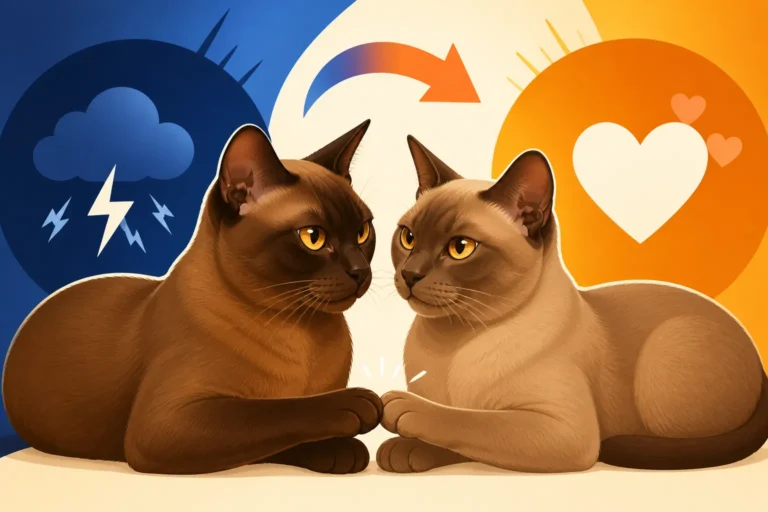
Furthermore, a companion provides an unparalleled source of comfort. They'll nap curled together, often in the most adorable intertwined positions. During thunderstorms, strange noises, or any other stressful event, they'll instinctively seek comfort from each other. This innate ability to self-soothe through the presence of another cat is a huge advantage for their overall well-being. It’s like having a built-in therapist and best friend rolled into one. When you can't be there, they still have a warm, furry presence to lean on, reinforcing that they are never truly alone.
| Feature | Single Burmese (Higher Risk) | Paired Burmese (Lower Risk) |
|---|---|---|
| Anxiety | High likelihood of separation anxiety, destructive behavior, inappropriate urination | Significantly reduced anxiety, stable temperament |
| Play | Relies solely on human for play, potential boredom and under-stimulation | Constant interactive play, self-sufficient entertainment |
| Grooming | Solely self-grooming, potentially over-grooming due to stress | Mutual grooming, strengthened social bonds |
| Comfort | Solely relies on human, prone to loneliness when alone | Self-soothing through companion, always has a friend |
| Vocalization | Increased needy vocalizations, persistent meowing/rasping | Conversational vocalizations, less desperate |
| Rehoming | Higher risk of rehoming due to behavioral issues | Much lower risk, owners typically happier with well-adjusted cats |
| Health Impact | Stress-related physical issues (e.g., GI, immune) | Generally healthier due to reduced stress |
Mitigating Behavioral Issues with a Companion
Many common behavioral problems that lead to frustration for owners can be directly linked to a cat's unmet social needs. For a Burmese, who needs more companionship than most, a second cat is often the simplest and most effective solution to preventing these issues before they even start.
Reducing Destructive Behavior
A bored or anxious Burmese can become a destructive force in your home. This might manifest as scratching furniture excessively, chewing on electrical cords, or pulling at curtains. It's not maliciousness; it's a frantic attempt to relieve stress or engage their intelligent minds when no appropriate outlet is available. A companion cat provides that outlet. They direct their energy and playfulness towards each other, rather than your belongings.
Instead of needing to invent complex enrichment strategies for a single, lonely cat, a pair essentially entertains itself for large chunks of the day. Their playful wrestling and chasing become their primary form of "damage" control, leaving your furniture and sanity intact. This is why many breeders highlight that Why a Burmese Pair Halves the Damage Bill is not an exaggeration. The cost of a second cat is often far less than the cost of replacing damaged household items or vet bills for stress-related conditions.
Easing Anxieties During Owner Absence
Even if you work from home, there will be times when you're away: running errands, going on vacation, or simply spending time in another part of the house. For a single Burmese, these periods can be incredibly distressing. The silence, the lack of a familiar presence, can trigger profound anxiety. When you finally return, you might be met with an almost desperate demand for attention, or worse, evidence of their distress.
A companion cat acts as a constant presence, filling that void when you're not physically available. While they'll still be thrilled to see you, their anxiety levels during your absence will be significantly lower because they haven't been truly alone. They have each other for comfort, play, and security. This doesn't just benefit the cats; it dramatically reduces the guilt and stress for you as the owner, knowing your beloved pets are content and well-cared for, even when you're not there. You can even set up an Amazon camera to catch What a Camera Catches a Lonely Burmese Doing versus a pair – the difference can be astounding.
Promoting Better Eating and Litter Habits
Believe it or not, loneliness and stress can impact a Burmese's most basic habits. An anxious cat might become finicky with food, refusing to eat when alone, or conversely, gorge itself out of stress. Inappropriate urination or defecation outside the litter box is also a common stress response, a desperate cry for attention or a sign of physical discomfort caused by anxiety.
When a Burmese has a companion, these issues are far less likely to occur. The presence of another cat provides a sense of security that can normalize eating patterns and promote appropriate litter box usage. They might even eat better by having a "buddy" at meal times, mimicking a natural social behavior. Two cats in a home often translate to two well-adjusted cats, rather than one anxious cat causing problems. This is a huge relief for owners and contributes to a much more pleasant living situation for everyone involved. Why Two Burmese Cost Less Than One Anxious One is a phrase that often rings true when considering potential behavioral issues and their associated costs.
Practical Considerations for Adopting a Pair
Deciding to bring two Burmese kittens into your life is a wonderful choice for their well-being, but it does come with some practical considerations. It's not simply doubling everything you'd buy for one cat, but there are certain aspects that need thought and preparation.
Preparing Your Home for Two Kittens
While two cats need more resources than one, it’s rarely a simple doubling. For example, you'll need at least two litter boxes (the general rule is one per cat plus one extra, so three for two cats if space allows), but they might happily share food and water bowls, though having separate ones can prevent squabbles. You'll definitely want multiple scratching posts or surfaces, as well as a variety of toys. Having options spread throughout the house ensures both cats have access and reduces territorial disputes. Consider a tall cat tree – it provides vertical space for climbing and napping, which is great for multiple cats.
Think about sleep spaces too. While they will often curl up together, having individual beds or blankets available gives them options. Kittens are curious, so kitten-proofing your home becomes twice as important with two bundles of energy exploring every nook and cranny. Investing in durable, high-quality toys from Amazon that can withstand vigorous play is a smart move. The key is to provide enough resources so that neither cat feels deprived, even though they enjoy each other's company.
The Financial Aspect: Two Aren't Double the Cost
This is a common misconception. While you do have initial costs for two adoption fees (if applicable) or purchase prices, and potentially two sets of initial vaccinations, many ongoing expenses don't simply double. Food might be a bit more, but you often buy in larger, more economical quantities. Litter usage will increase, but again, larger bags are often more cost-effective. Grooming supplies (like a soft chamois for their satin coats) remain the same.
The real saving comes in preventing costly behavioral issues or stress-related illnesses that often plague single, lonely Burmese. Vet visits for anxiety, medication for stress-induced conditions, or damage repair can far outweigh the minor increase in day-to-day expenses for a second cat. You're essentially investing in preventative care and emotional well-being upfront. Plus, the joy and entertainment value of two playful Burmese are immeasurable and certainly worth the slightly higher financial outlay.
Long-Term Happiness and Health for Your Burmese
Adopting a pair of Burmese isn't just about getting through the kitten phase; it's a decision that impacts their entire lives. With a constant companion, they are more likely to remain active and engaged as they age. They'll continue to stimulate each other, both mentally and physically, which can contribute to a longer, healthier lifespan. A cat that has a strong social bond is generally a happier and more resilient cat.
You'll find that their bond enriches your life too. Observing their interactions, their silly games, and their quiet moments of affection is a constant source of delight. You’re not just getting two pets; you’re welcoming a miniature, furry family unit that brings endless warmth and entertainment into your home. This foundational companionship truly sets them up for The Sixteen to Eighteen Years a Well Bred Burmese Gets of joy and vitality.
What if I Can Only Get One? Alternatives and Compromises
While the recommendation for a pair is strong, life doesn't always allow for two cats, especially if you're a first-time owner or have specific living arrangements. If a pair simply isn't feasible, it's crucial to understand the compromises and alternative strategies required to ensure a single Burmese still thrives. It will demand a significant commitment from you.
Integrating a Burmese into a Multi-Pet Household
If you already have a pet, especially another cat or a cat-friendly dog, a single Burmese might integrate well. However, not all animals are created equal when it comes to companionship. The existing pet needs to be genuinely sociable, patient, and accepting of a new, highly energetic, and attention-demanding kitten. A reserved, elderly cat might find a Burmese kitten overwhelming, for instance.
Dogs that are calm, gentle, and used to cats can make excellent companions for a Burmese. Many Burmese will happily snuggle with a dog and even initiate play. However, careful introductions are paramount, and you must supervise their interactions closely initially. The goal is a genuine companionship, not just tolerance. The existing pet must be capable of providing the constant interaction and comfort that a Burmese craves. It's essential to consider Which Cats Are Sociable Enough for a Burmese or which dogs can truly offer that kind of friendship.
The Role of Human-Only Companionship and Enrichment
If a second animal companion is truly out of the question, then you become the Burmese's primary and sole source of companionship and enrichment. This means committing to a significant amount of daily, interactive playtime. Think multiple, dedicated play sessions every day using wand toys, laser pointers, and puzzle feeders. You’ll need to engage their intelligent minds and burn off their energy.
Furthermore, you must be prepared for the fact that a single Burmese will want to be physically close to you almost constantly. They will likely follow you everywhere, want to sleep in your bed, and demand lap time whenever you sit down. Providing vertical spaces like cat trees (maybe even near your desk!) and window perches can offer some environmental enrichment. But ultimately, your presence and active engagement become non-negotiable. This is a serious time commitment, and not to be underestimated.
When a Single Burmese Can Thrive (Rare Cases)
It's not impossible for a single Burmese to thrive, but it requires a very specific set of circumstances and an exceptionally dedicated owner. Typically, this applies to households where at least one person is home almost all the time – someone who works from home, a retired individual, or someone with a very flexible schedule. Even then, that person needs to be willing and able to dedicate significant portions of their day to interacting with their cat.
These successful single Burmese homes often involve owners who treat their cat almost like a human companion, actively engaging them in daily activities, "talking" to them frequently, and providing constant physical touch and reassurance. It's a full-time job, and one that many people underestimate. For most busy individuals or families, a single Burmese will simply not receive the level of companionship it biologically requires, leading to a diminished quality of life for the cat and potential frustration for the owner. It’s a huge ask, and why Why a Burmese Cannot Be Left Alone All Day is such a critical consideration for the breed.
The Joy of a Double Burmese Household
For those who embrace the idea of two Burmese cats, the rewards are truly immense. It's more than just double the cuteness; it's an amplified experience of everything that makes the Burmese such a special and beloved breed.
Witnessing Their Unique Bond
One of the most captivating aspects of owning a Burmese pair is watching their unique bond unfold and deepen over time. They develop their own secret language of nudges, purrs, and playful nips. You'll see them grooming each other with meticulous care, falling asleep intertwined in impossible positions, and always seeking each other out for comfort and companionship. This isn't just two cats coexisting; it's a genuine, profound friendship.
Their interactions become a constant source of entertainment and warmth in your home. They teach each other, support each other, and challenge each other in ways a human simply cannot. You become an observer to a beautiful feline relationship, a testament to the power of companionship. This bond is especially evident when they are kittens, as Why a Burmese Kitten Stays Until It Is Socialized often involves being with littermates to learn proper play and boundaries.
Enhanced Play and Entertainment for Owners
Imagine the joy of watching two acrobatic, playful Burmese engaging in a full-throttle chase through your living room. Their energy is infectious, and their antics will provide endless entertainment. They'll invent games, tackle each other with hilarious ferocity, and perform impressive feats of agility. It's like having a miniature circus in your home, constantly bringing smiles and laughter.
This constant, self-generated entertainment means you get to enjoy their playful side without feeling solely responsible for it. While you'll still love interactive play, you'll also have the pleasure of simply watching them revel in each other's company. They become their own best toys, and their shared joy radiates throughout your home. Even as they reach their later years, What a Burmese Is Still Doing at Twelve will often involve playful interactions with their companion.
A Lifetime of Shared Affection and Comfort
Burmese cats are known for their unwavering affection for their humans. With a pair, you get double the purrs, double the head nuzzles, and double the cuddles. They might take turns demanding your lap, or they might pile on together, creating a warm, purring heap of feline love. The affection they share with each other also seems to enhance their capacity for affection towards you.
As they grow older, their bond becomes even more precious. They are there for each other through thick and thin, providing a constant source of comfort and security. This shared journey means they always have a familiar, loving presence in their lives, making them more resilient and content. For a breed that thrives on connection, a lifetime with a beloved companion truly fulfills their deepest needs, bringing immeasurable joy to both the cats and their fortunate human family.
Disclaimer
This article is for general informational purposes only and does not constitute professional advice. Laws, prices and regulations vary by location and change over time. Consult a qualified professional for guidance on your specific situation.