Why a Lonely Burmese Pulls Its Satin Coat Out
It's heartbreaking to walk into your home and find little tufts of that beautiful, satin-soft Burmese fur scattered across the floor, especially when you know it's not normal shedding. For a Burmese cat, pulling out their own coat is often a silent scream for help, a clear indicator that they're battling profound loneliness or anxiety. This isn't just a cosmetic issue; it's a deep-seated emotional problem that, left unaddressed, can severely impact their well-being. This guide will delve into why your beloved Burmese might be resorting to such self-destructive behavior and, more importantly, what you can do to bring back their peace of mind and healthy, shining coat.
Understanding the Burmese Temperament: The Heart of the Matter
When we talk about Burmese cats, we're not just discussing another pretty face in the feline world. These cats are known for their incredibly unique and demanding personalities. They are often described as "dog-like" or "Velcro cats" for a very good reason: their need for connection is paramount. Understanding this core aspect of their nature is the first step in unraveling why a Burmese might turn to self-mutilation when feeling neglected or distressed.
The 'Velcro Cat' Phenomenon
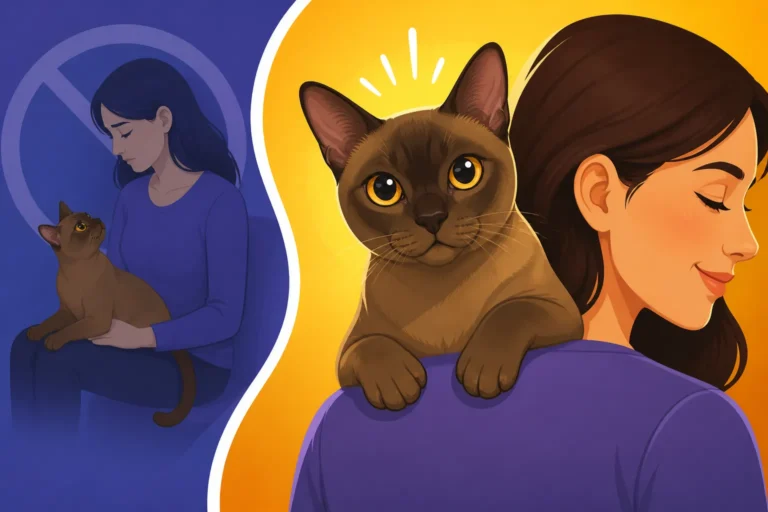
If you own a Burmese, you know exactly what I mean by 'Velcro cat'. They are quite literally attached to you. They follow you from room to room, sit on your lap the moment you settle down, and often insist on being under the covers with you at night. This isn't just a cute quirk; it's an intrinsic part of their breed's disposition. Unlike many other cat breeds that are content with more independent lives, a Burmese thrives on constant companionship and interaction. They don't just tolerate human presence; they actively seek it out, demand it, and quite frankly, need it to feel secure and happy.
This profound attachment means they form incredibly strong bonds with their human family. They become deeply ingrained in the household routine, seeing themselves as an indispensable part of every activity, from cooking dinner to watching TV. Because of this, their emotional landscape is deeply intertwined with the presence and engagement of their people. When that engagement is missing, their world can feel like it's falling apart. It's not just a preference for company; it's a fundamental requirement for their emotional stability.
You might even find your Burmese riding on your shoulder, nestled into your neck as you move about the house. This physical closeness is a testament to their need for constant contact and reassurance. They want to be involved, to observe, to participate, and to feel like they are never truly alone. This constant physical and emotional proximity is what makes them such delightful companions, but it also highlights their vulnerability to feelings of isolation.
High Social Needs and Low Tolerance for Solitude
Given their "Velcro" nature, it stands to reason that Burmese cats have exceptionally high social needs. They are not the type of cat to simply nap all day while you're at work and then greet you casually in the evening. Their expectation of company is almost dog-like, and their tolerance for solitude is remarkably low. We often find ourselves asking How Many Hours Alone a Burmese Tolerates and the honest answer is, not many without some sort of coping mechanism kicking in.
When a Burmese is left alone for extended periods, especially day after day, that deep need for connection goes unfulfilled. This isn't just boredom; it's a deep-seated emotional distress. They are hardwired to be part of a social group, and in most homes, that group is their human family. The quiet house, the lack of conversation, the absence of a warm lap or a shoulder to ride on – these things don't just pass them by. They register as a profound absence, leading to anxiety and stress.
This low tolerance for solitude is often why breeders will recommend that you acquire a pair of Burmese kittens rather than just one. Why Burmese Breeders Sell Them in Pairs is not just about giving them a playmate; it's about providing inherent companionship that can mitigate the impact of human absence. A single Burmese, particularly one without other pets, is uniquely vulnerable to the emotional toll of an empty house. Their mental well-being is directly tied to the consistent presence of companionship.
Why Their Affection Can Mask Distress
One of the most deceptive aspects of the Burmese personality is their tendency to mask their distress behind their intense affection. When you come home, a lonely Burmese might greet you with an explosion of purrs, head butts, and insistent demands for cuddles. It feels wonderful, of course, but it can also be a desperate attempt to reconnect and alleviate the anxiety they've been feeling all day. This strong expression of affection can easily be mistaken for contentment, making it harder to spot the underlying stress. Why a Burmese Hides Illness Behind Its Affection applies to emotional distress too.
You might interpret their clinginess as just being "their usual affectionate self," not realizing that the intensity of it is a rebound from hours of loneliness. They're trying to soak up as much connection as possible, almost as if to make up for lost time. This isn't to say their affection isn't genuine – it absolutely is – but its heightened state after periods of solitude should be a subtle red flag. They might be trying to tell you, in the only way they know how, that they truly missed you and struggled without you.
It's crucial to look beyond the immediate greetings. Observe their behavior throughout the evening. Are they still unusually clingy? Do they seem restless even when you're there? Are there other subtle changes in their routine or habits? These can be clues that their seemingly boundless affection is also a coping mechanism for underlying anxiety rather than just pure joy. A truly contented Burmese is affectionate, but it's often a more relaxed, less frantic kind of affection.
Recognizing the Signs of Anxiety-Related Fur Pulling
When a Burmese starts pulling out its own fur, it’s a clear sign of distress. This isn't just normal shedding or a bit of overgrooming; it's a compulsive behavior driven by anxiety. Identifying this behavior correctly, and understanding what other signs might accompany it, is vital for intervening effectively. It can be startling to notice, especially since their coat is so short and sleek, so every missing patch stands out.
Identifying Overgrooming vs. Other Causes
First, let's distinguish between natural grooming, excessive grooming (overgrooming), and outright fur pulling. All cats groom, it's how they keep themselves clean. Overgrooming becomes an issue when it’s frequent, prolonged, and starts to cause patches of thinned hair or even bald spots. Fur pulling, or psychogenic alopecia as it's sometimes called, takes it a step further. This is where the cat is actively pulling out tufts of hair, often chewing at the base of the hairs. You might find evidence of pulled hairs, complete with the root, on your floors or furniture.
It’s absolutely critical to rule out medical causes before concluding it's behavioral. Skin allergies, parasites like fleas, fungal infections, pain, or even underlying organ issues can all manifest as excessive licking or chewing that leads to hair loss. A trip to the vet is the very first step. They can perform skin scrapings, blood tests, or other diagnostics to ensure there isn't an itch or discomfort causing the problem. Only once these physical causes are definitively ruled out can you confidently focus on anxiety or stress as the primary driver. If you've ever seen a cat with a persistent itch, you know how relentlessly they'll try to scratch or chew it, so ruling out the physical is paramount.
Once medical issues are off the table, then you can confidently say you are dealing with psychogenic alopecia, which is essentially a displacement behavior. Just like some people might bite their nails when stressed, a Burmese might turn to its coat. The act of grooming releases endorphins, creating a temporary sense of relief, which reinforces the behavior, making it a difficult habit to break. The smooth, short coat of a Burmese means that any hair loss becomes quite visible rather quickly, giving you an early warning.
Common Areas for Fur Pulling
Burmese cats, when pulling their fur out due to anxiety, tend to target specific, easily accessible areas of their body. These are typically places they can reach comfortably with their mouths and where the skin might feel extra sensitive or exposed when they’re stressed. Identifying these common spots can help you confirm that what you're seeing is indeed anxiety-driven.
The most frequently affected areas include the belly, flanks, inner thighs, and sometimes the front legs. These are all places a cat can easily reach to lick, chew, or pull. You might notice symmetrical bald patches or areas where the fur is conspicuously thinner than elsewhere. The skin underneath might appear red, irritated, or even develop small scabs if the behavior is intense and prolonged. It's not uncommon for them to focus on one spot until it's completely bald before moving to another.
Sometimes, you might also find fur pulling around the tail base or even parts of their back, especially if they are particularly flexible. The smooth texture of the Burmese coat also means that these patches are very obvious. They don't have a thick undercoat to hide the damage, so thinning or baldness is immediately apparent. Regularly stroking your Burmese and really feeling their coat can help you detect these areas early, even before they become large, noticeable bald spots. Pay close attention to any areas that feel rougher or where the density of the fur changes.
Behavioral Indicators Alongside Hair Loss
Fur pulling rarely happens in isolation. There are often other behavioral cues that signal your Burmese is feeling anxious, lonely, or stressed. Learning to read these subtle (and sometimes not-so-subtle) signs is crucial for understanding the full picture of their emotional state. These indicators are essentially your Burmese communicating their discomfort.
One of the most common accompanying signs is increased vocalization. A lonely Burmese might start using its characteristic rasping rumble more frequently, often seemingly talking to itself or calling out for attention. This isn't their usual happy chatter; it's a more persistent, sometimes mournful, sound. You might find them pacing restlessly, especially around doors or windows, as if waiting for someone to return. They might also become unusually destructive, clawing furniture more often, or knocking things over in an attempt to get a reaction or express their frustration. What a Lonely Burmese Pulls Its Satin Coat Out can be accompanied by What a Burmese Does to a House It Is Left In, which can include destructive chewing or scratching.
Changes in appetite can also be a big indicator. While some stressed cats might eat more as a comfort mechanism, many will show a decrease in appetite or become picky eaters. Litter box issues, such as urinating or defecating outside the box, can also signal stress, especially if there’s no underlying medical cause. Some Burmese might become unusually withdrawn or hide more, which is quite uncharacteristic for such a social breed. Conversely, they might become excessively clingy and demanding the moment you are home, as we discussed earlier, seeking constant reassurance. Any deviation from their normal happy-go-lucky behavior should prompt a closer look at their emotional well-being.
The Root Causes of Loneliness and Anxiety in Burmese
Once medical reasons are ruled out, we can almost always trace fur pulling in a Burmese back to a root cause of emotional distress: loneliness or anxiety. These sensitive creatures are deeply affected by their environment and social structure. Pinpointing the exact cause of their unhappiness is the most critical step in finding a lasting solution.
Long Hours Alone and Lack of Interaction
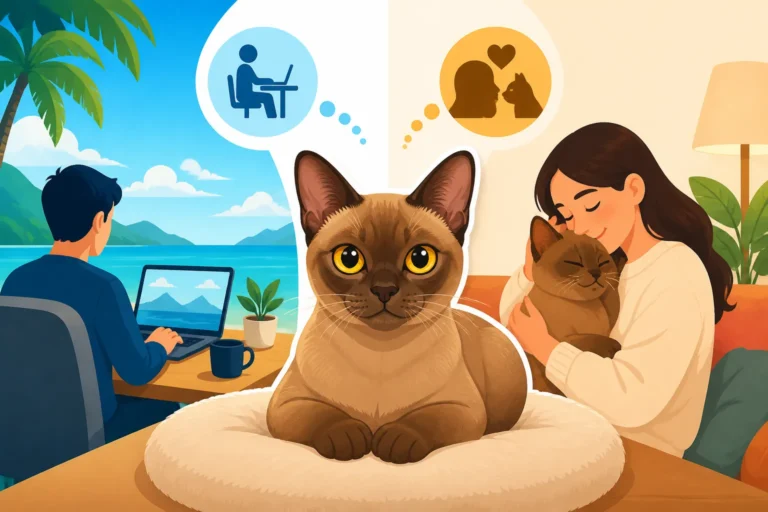
This is, without a doubt, the most prevalent reason a Burmese will start to pull its fur out. The modern lifestyle often requires us to be away from home for significant portions of the day, leaving our pets by themselves. For a Burmese, who craves constant interaction and connection, these long stretches of solitude can be excruciatingly painful. Imagine being a naturally gregarious person trapped alone in a house all day, every day – that's often what it feels like for them.
Even if you're home in the evenings, the sheer number of hours spent alone can accumulate into profound emotional deprivation. They don't understand "work" or "errands"; they only perceive your absence. This lack of daily interaction, play, and simple presence chips away at their sense of security and belonging. They need more than just food and a warm bed; they need intellectual stimulation, physical play, and consistent emotional engagement. A quick pat on the head before you leave for an eight-hour workday simply isn't enough for a Burmese, and their emotional reserves deplete quickly.
Think about How Many Hours Before a Burmese Starts to Suffer. It's likely far fewer than you might imagine. A few hours are fine, but when it extends into a typical full workday, that's where the trouble often begins. Without the constant back-and-forth, the conversations, the lap time, and the active play, a Burmese can quickly spiral into a state of anxiety. This isn't a fault of the cat; it's a direct consequence of their inherent breed needs clashing with our human schedules.
Changes in Routine or Environment
Burmese cats are creatures of habit and thrive on predictability. Any significant change in their routine or living environment can be a huge source of stress and anxiety, potentially leading to fur pulling. Cats, in general, are sensitive to change, but the highly social and bonded Burmese can be particularly vulnerable.
Moving to a new home is a classic example. Even if it's a wonderful new space, the unfamiliarity, the new smells, and the disruption to their established territories can be overwhelming. Similarly, changes within the household, such as a new baby arriving, another pet being introduced (or even another pet leaving), a family member moving out, or even a shift in your work schedule can trigger anxiety. If you've just started a new job with longer hours, or your routine has become less predictable, your Burmese will feel it acutely. Even seemingly small changes, like rearranging furniture in a significant way, can be enough to throw a sensitive Burmese off balance.
The key here is their perception of stability. When their world changes, they lose that sense of grounding, and their anxiety levels can spike. Their coping mechanisms are limited, and if they don't have adequate outlets or support during these transitions, self-grooming can become an unhealthy way to manage their internal turmoil. They're trying to regain a sense of control in a world that suddenly feels unpredictable and frightening.
Single Cat Households and Breed Predisposition
While a single cat household can work for some breeds, it's often a recipe for anxiety in a Burmese. Their intense need for companionship means that being the sole feline focus of a household, without another animal to interact with during human absences, leaves a huge void. This breed is simply predisposed to needing social interaction, and a human, no matter how loving, can't be there 24/7.
Many Burmese breeders openly advocate for selling kittens in pairs because they understand this fundamental need. Why a Burmese Breeder Recommends Buying a Pair is rooted in the deep understanding of their social dynamics. Two Burmese cats will keep each other company, play, groom each other, and sleep curled up together, significantly mitigating the impact of human absence. They provide a constant source of comfort and stimulation for each other, which a single cat simply doesn't have.
In a single-cat Burmese household, all the emotional weight falls onto the human owner to fulfill every social need. While we can provide a lot, we cannot replicate constant feline companionship. This breed's high social drive, combined with the lack of a suitable peer, creates a perfect storm for anxiety and loneliness to flourish. If you have a single Burmese who exhibits anxiety, seriously considering a suitable companion might be one of the most effective solutions, assuming it's done thoughtfully and carefully.
Creating a More Stimulating and Secure Environment
While tackling the root cause of loneliness, especially for single-cat households, is paramount, there's a lot you can do within your home environment to help alleviate your Burmese's anxiety. A stimulating and secure environment can significantly reduce stress and provide healthy outlets for their energy and intelligence.
Enriching the Indoor Space
A bored or anxious Burmese needs an environment that encourages engagement and provides safe, comforting spaces. Think vertically and horizontally. Cats love to climb, survey their domain from above, and have cozy hideaways. Investing in tall cat trees or wall-mounted shelving can give them elevated perches, which are naturally comforting to cats as they offer a sense of security and a vantage point. Look for sturdy, multi-level structures on Amazon that your muscular Burmese can comfortably navigate.
Puzzle feeders are another fantastic way to engage their minds and slow down their eating, which can be beneficial for a breed prone to diabetes. Instead of just putting food in a bowl, make them "work" for it by nudging treats out of a dispenser or batting around a treat ball. This provides mental stimulation and mimics natural foraging behavior. You can find a wide variety of these, from simple treat balls to more complex feeders, on Amazon. Regularly rotating toys also helps keep things fresh and exciting. Don't leave all the toys out all the time; introduce a few new ones each day to maintain interest.
Consider creating a "catio" or securing your windows so they can safely observe the outside world. This provides valuable visual stimulation, satisfying their curiosity without the dangers of free-roaming, which is particularly risky for trusting breeds like the Burmese. Even a comfortable window perch where they can watch birds or squirrels can provide hours of entertainment. Making a Room Bearable for a Burmese Left Alone is all about thoughtful enrichment.
Interactive Play and Mental Stimulation
A Burmese, even a senior one, is a playful cat. How Much Play a Burmese Still Demands at Ten is significant, and they often stay kittenish well into old age. Regular, intense interactive play sessions are not just for fun; they are a vital outlet for their energy, a fantastic stress reliever, and a powerful bonding experience for you and your cat. Laser pointers, feather wands, and toys on strings are usually big hits. The key is to make these sessions consistent and engaging.
Aim for at least two to three dedicated play sessions a day, especially before you leave for work and when you return. This helps burn off pent-up energy and anxiety. During play, let your Burmese "win" and catch the toy regularly; this builds their confidence and prevents frustration. Retrieving toys is a common Burmese trait, so incorporating games of fetch can be incredibly rewarding. Whether a Burmese Brings a Toy Back to Your Lap is a definite yes, and it can be a great way to bond.
Beyond physical play, mental stimulation is also crucial. Teach your Burmese tricks! They are incredibly intelligent and food-motivated, making them excellent candidates for clicker training. Why a Burmese Is the Easiest Cat to Clicker Train is due to their eagerness to please and their love of rewards. You can teach them to sit, stay, high-five, or even come when called. These activities not only provide mental exercise but also deepen your bond and reinforce their sense of purpose and connection.
Establishing a Predictable Routine
Cats thrive on routine, and the highly social Burmese even more so. A predictable daily schedule helps create a sense of security and reduces anxiety, especially during times of human absence. When they know what to expect, their stress levels naturally decrease. This applies to everything from feeding times to play sessions and even your departure and arrival rituals.
Try to feed your Burmese at roughly the same times each day. If you're using weighed portions, as recommended for this diabetes-prone breed, this consistency is even more important. Why a Burmese's Meals Have to Land at the Same Times is a matter of both physical and psychological well-being. Scheduling dedicated play sessions at consistent times provides anticipation and a reassuring structure to their day. Even a simple ritual before you leave, like a few minutes of focused petting or a special treat, can help mark your departure in a less jarring way.
A predictable routine helps your Burmese feel safe and in control, even when you're not physically present. They learn to anticipate events, which reduces the uncertainty that often fuels anxiety. This isn't about being rigid; it's about creating a framework that gives them comfort. This sense of order and predictability allows them to relax into their day, knowing that their needs will be met and their beloved human will eventually return.
The Role of Companionship: A Game-Changer
For a breed as profoundly social as the Burmese, companionship is not just a luxury; it's often a necessity for their emotional health. If you have a single Burmese struggling with loneliness and anxiety, introducing another pet can be a transformative solution.
The Benefits of a Second Cat
As mentioned earlier, Why Two Burmese Settle Each Other is a powerful reason why breeders often recommend buying a pair. A second cat, especially another Burmese or a similarly sociable breed, can provide constant companionship, play, and mutual grooming that no human can fully replicate during the day. They become each other's security blankets, sharing warmth and comfort, easing the sting of human absence.
When two compatible cats are together, they can engage in natural feline behaviors that solitary cats miss out on. They chase each other, wrestle, groom one another, and often curl up together for naps. This interactive play and physical closeness fulfills a deep social need for the Burmese. The presence of another feline reduces boredom, provides mental stimulation, and most importantly, alleviates the profound loneliness that often drives anxiety and self-destructive behaviors like fur pulling. It's like having a built-in best friend who understands exactly what it's like to be a cat.
The impact on your Burmese can be dramatic. With a companion, you might see a reduction in excessive vocalization, destructive behaviors, and of course, the fur pulling. They become more relaxed and confident, knowing they're never truly alone. The financial cost of a second cat is often outweighed by the mental health benefits for your original Burmese, and potentially fewer vet bills for stress-related issues. Why Two Burmese Cost Less Than One Anxious One is a common saying among owners.
Introducing a Companion Safely
Introducing a new cat is an art, not a science, and it requires patience and a structured approach to ensure success. Rushing the introduction can lead to fear, aggression, and even more stress for both cats. The goal is a gradual, positive introduction that allows them to acclimate at their own pace.
Start with scent swapping. Place towels or beds from each cat in the other's territory so they can get used to each other's smell without direct contact. Next, move to supervised visual contact through a gate or cracked door, allowing them to see each other from a safe distance while you offer treats and positive reinforcement. Keep these sessions short and positive, increasing duration as they show comfort. Ensure both cats have separate resources – food bowls, water, litter boxes, and sleeping areas – to prevent competition and territorial disputes.
Always supervise initial interactions and separate them if signs of aggression appear. It can take weeks or even months for cats to fully accept each other, especially for a sensitive Burmese. Patience is key. The goal isn't necessarily for them to be best friends immediately, but to coexist peacefully and eventually form a bond. For specific guidance, you can consult with a feline behaviorist who can offer tailored advice for your situation.
Can a Dog Be a Suitable Friend?
Surprisingly, yes! For a highly sociable breed like the Burmese, a well-chosen, cat-friendly dog can absolutely be a suitable companion, especially if another cat isn't feasible. Burmese cats are often described as "dogs in cat suits" due to their temperament, and they tend to integrate remarkably well into multi-species households. Why a Burmese Curls Up Against a Dog is a testament to their adaptable and affectionate nature.
The key is the dog's temperament. You need a dog that is calm, gentle, and has a low prey drive. Breeds known for being good with cats, such as Golden Retrievers, Labradors, or Basset Hounds, often make excellent companions. The dog should be introduced slowly and carefully, just like another cat, ensuring that both animals feel safe and comfortable. Supervised interactions are critical, especially in the early stages, to prevent any accidents or negative experiences.
A cat-friendly dog can provide the warmth, presence, and sometimes even the playful interaction that a lonely Burmese craves. They can sleep together, keep each other company, and reduce the feelings of isolation. This type of interspecies companionship can be incredibly enriching for both animals, offering a different dynamic than two cats might. Just remember, a dog's personality and training are paramount for a successful pairing with your sensitive Burmese.
When to Seek Professional Help
While home enrichment and companionship can go a long way, there are times when fur pulling indicates a deeper issue that requires professional intervention. Knowing when to call in the experts is crucial for your Burmese's long-term health and happiness.
Ruling Out Medical Conditions
As emphasized earlier, the absolute first step when you notice fur pulling is a visit to your veterinarian to rule out any underlying medical conditions. This cannot be stressed enough. Skin irritations, allergies, parasites (like fleas or mites), fungal infections, or even internal pain can all cause a cat to excessively lick, chew, or pull at their fur. Your vet will perform a thorough physical examination, and likely recommend diagnostic tests such as skin scrapings, blood work, or allergy testing to get to the bottom of any physical discomfort.
It's common for owners to assume immediately that it's behavioral, but jumping to that conclusion without a vet check can be a dangerous oversight. Imagine if your Burmese had a painful ear infection or a persistent flea allergy, and you were trying to solve it with more toys! The vet is essential for confirming that your cat is physically healthy, thereby allowing you to confidently pursue behavioral solutions if no medical cause is found. They'll assess the condition of the skin, look for any signs of infection from the self-trauma, and ensure there aren't any other health issues contributing to the problem.
This initial vet visit isn't just about the skin; it's a comprehensive check. They might even discuss diet, as food allergies can sometimes manifest as skin issues. Once your vet gives the all-clear on the physical front, you’ll have the peace of mind to focus purely on the behavioral aspects of the fur pulling.
Consulting a Feline Behaviorist
If medical causes have been ruled out, and your attempts at environmental enrichment or introducing a companion haven't fully resolved the fur pulling, it's time to consult a certified feline behaviorist. These professionals specialize in understanding cat psychology and can provide tailored strategies for complex behavioral issues. They are not just trainers; they delve into the emotional and psychological world of your cat.
A behaviorist will conduct a detailed history, asking about your Burmese's daily routine, home environment, social interactions, and any changes that may have occurred. They'll observe your cat's behavior (often via video you provide) and identify triggers, patterns, and underlying stressors that you might have overlooked. They can help you implement a comprehensive behavior modification plan that addresses the specific nuances of your Burmese's anxiety. This might include counter-conditioning, desensitization, or specific environmental changes you hadn't considered.
Working with a behaviorist can be incredibly effective because they bring an expert perspective. They understand cat communication, breed-specific needs, and the subtle ways anxiety manifests. They can help you understand What Separation Anxiety Looks Like in a Burmese beyond just fur pulling and equip you with the tools to respond effectively. Think of them as a therapist for your cat, helping to unravel the emotional knot that's leading to this self-destructive behavior.
Potential Therapeutic Interventions
In some severe cases of anxiety-related fur pulling, a feline behaviorist or your vet might suggest combining behavioral modification with therapeutic interventions. These can range from natural calming aids to prescribed medications, depending on the severity of the anxiety.
Natural options include pheromone diffusers, which release synthetic feline facial pheromones that mimic the calming scent cats use to mark their territory as safe. Products like Feliway, widely available on Amazon, can help create a more serene atmosphere. Calming supplements containing ingredients like L-Tryptophan or Zylkene (a milk protein derivative) are also options that can help reduce anxiety without sedation. Always discuss these with your vet before introducing them.
For chronic or severe anxiety, your vet might prescribe anti-anxiety medication. This isn't a quick fix or a permanent solution on its own, but it can be a vital tool when used in conjunction with behavioral therapy. Medication can help lower your Burmese's overall anxiety levels, making them more receptive to learning new coping mechanisms and benefiting from environmental changes. It essentially takes the edge off their overwhelming stress, allowing them to engage with their environment more positively. The goal is always to reduce medication over time as behavioral strategies take hold, but it can be a crucial stepping stone to recovery.
| Anxiety Symptom | Possible Behavioral Interventions | Potential Environmental Aids |
|---|---|---|
| Fur Pulling / Overgrooming | Increase interactive play, introduce companion cat/dog, consistent routine | Puzzle feeders, cat trees, pheromone diffusers, calming supplements |
| Excessive Vocalization | More direct attention (when calm), ignore attention-seeking meows, training | Enrichment toys, gentle music, secure hiding spots |
| Destructive Behavior | Provide appropriate scratching posts/chew toys, redirect energy | Strong, engaging toys (on Amazon), cat-proof problem areas |
| Inappropriate Urination | Ensure clean, accessible litter boxes (more boxes than cats), reduce stress | Pheromone diffusers, private litter box location, vet check for UTI |
| Restlessness / Pacing | Structured play, consistent routine, mental stimulation | Window perches, exercise wheels (if applicable), consistent meal times |
| Withdrawal / Hiding | Offer safe, quiet hideaways, gentle interaction, avoid forcing contact | Cozy beds, high perches, quiet rooms, Feliway diffuser |
Disclaimer
This article is for general informational purposes only and does not constitute professional advice. Laws, prices and regulations vary by location and change over time. Consult a qualified professional for guidance on your specific situation.