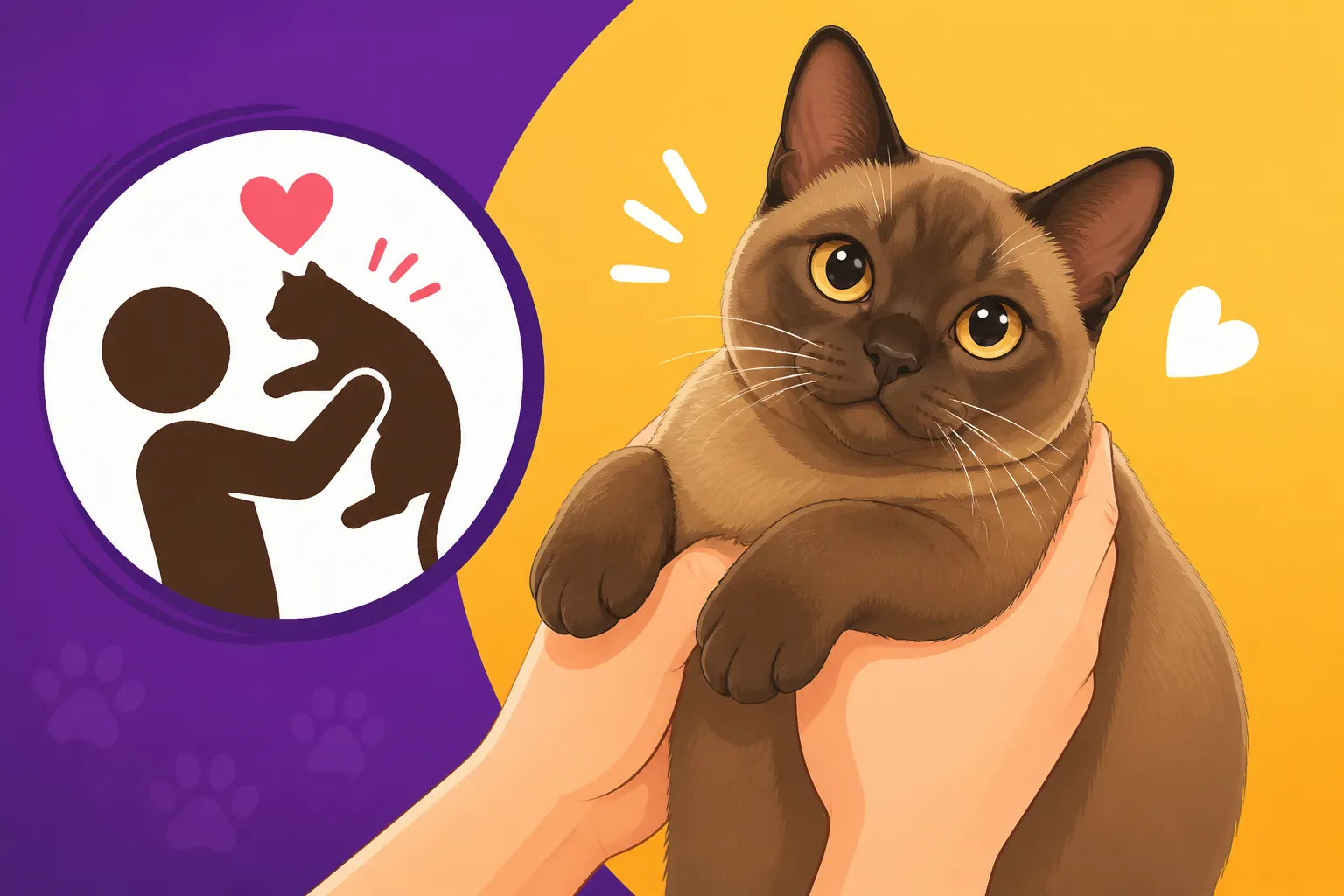
Why a Burmese Asks to Be Picked Up
If you've ever owned a Burmese cat, you know the feeling: you're walking across the room, minding your own business, and suddenly there's a warm, insistent furry body rubbing against your legs, often followed by a little leap or a hopeful gaze upwards. This isn't just random affection; it's your Burmese asking to be picked up, a behavior deeply rooted in their unique personality and needs. This guide will explore all the delightful reasons behind this charming habit and offer insights into why your Burmese craves that elevated, close contact.
The Unmistakable Burmese Need for Closeness
Burmese cats aren't just pets; they're family members who believe their rightful place is on you, or at the very least, right beside you. This isn't just a quirk; it's a fundamental aspect of their breed, driven by an intense desire for companionship and connection. They've earned the affectionate moniker of "Velcro cats" for a reason, sticking to their humans with an almost dog-like devotion.
Born to Be Your Shadow: The Velcro Cat Tendency
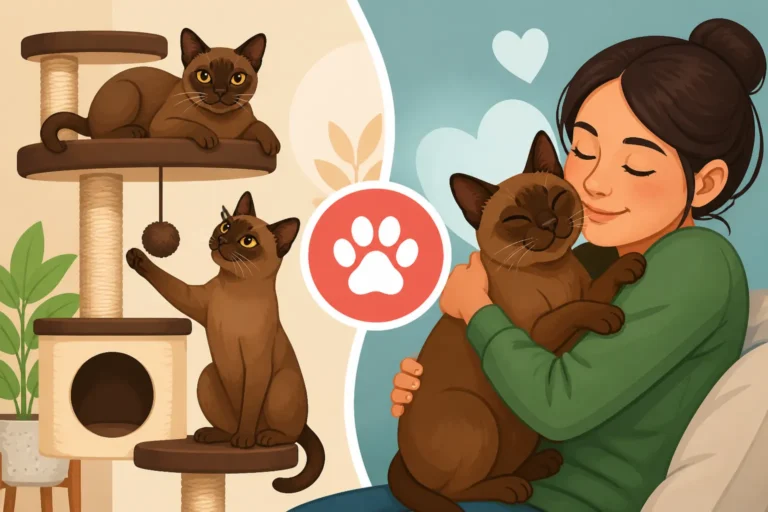
It’s no exaggeration to say that the Burmese was practically engineered for human interaction. From the moment they're tiny kittens, they exhibit a profound need for touch and proximity. This isn't just about being cuddly; it's about their entire emotional architecture. They thrive on physical contact and often see their human companions as extensions of their own safe space. When your Burmese rubs against your leg or weaves between your feet, they're not just saying hello; they're actively soliciting engagement, often with the express purpose of being lifted into your arms or onto your shoulder. It’s a core part of their being, something that sets them apart from many other more independent feline breeds. You might notice that they follow you from room to room, never wanting to be far from your presence. It's this innate drive that makes them want to be picked up, to literally be closer to you, sharing your space and your warmth. The Burmese Is the Velcro Cat of the Cat Fancy explores this attachment even further.
Think of it like this: many cat breeds enjoy a good cuddle, but for a Burmese, it's essential sustenance for their soul. They aren't content with just being in the same room; they want to be part of your immediate sphere. This translates into a strong preference for being held. They often learn early on that being picked up means direct, focused attention, strokes, and the opportunity to survey their world from a new, elevated perspective. It's a deeply ingrained behavioral pattern that owners quickly come to recognize and, let's be honest, adore.
More Than Just Affection: Security and Belonging
While affection is undoubtedly a huge part of why your Burmese seeks to be picked up, there's a deeper layer of security and belonging at play. Being held by you signifies safety, warmth, and an undeniable bond. In their world, you are the protector, the provider, and the central figure of their universe. When they're in your arms, they feel completely secure, enveloped in your scent and sound. This sense of security is particularly important in a busy household or when new situations arise.
Imagine your cat in a new environment, or perhaps with a house full of unfamiliar guests. While some cats might bolt for cover, a Burmese is more likely to cling to you, seeing your arms as their ultimate refuge. Being picked up isn't just a request for attention; it's a declaration of trust and an affirmation of their place within your family unit. It reinforces their feeling of being an integral, cherished member of the household, safe from all potential worries. This emotional dependence is one of the most heartwarming aspects of owning a Burmese, and their desire to be held is a direct manifestation of this profound connection. For them, being lifted means being loved, and few things are more comforting than that.
Why Your Burmese Seeks Higher Ground (and Your Shoulders)
It's not just about being on you; for many Burmese, it's about being above the fray. This breed has a distinct preference for elevated positions, and your shoulder often serves as the perfect personal perch, offering a unique blend of security, observation, and proximity to their favorite human.
A World from Above: Enhanced Perspective and Curiosity
Cats, by nature, are creatures of observation. They love to watch their surroundings, keep tabs on household activity, and feel like they have a good vantage point. For a Burmese, being picked up and placed on a shoulder or even cradled in your arms offers an unparalleled opportunity to survey their kingdom from a new height. The world looks different from up there – the kitchen counter is suddenly within reach (figuratively, of course!), and the movements of other pets or family members become more discernible.
This isn't just about curiosity; it's about feeling involved and informed. A Burmese is an intelligent and highly engaged cat. They don't want to miss a thing. Being on your shoulder allows them to be part of the action, even if it's just watching you prepare dinner or read a book. It satisfies their innate inquisitiveness and their desire to be at the center of your world. If you've ever had a Burmese perched on your shoulder, peering over your head, you'll know what I mean. They’re like little furry commandos, constantly assessing their environment. Why a Burmese Rides on Your Shoulder delves into this unique behavior. You might find them stretching their necks, taking in every detail, feeling completely content in their elevated position.
Safety in the Heights: A Sense of Security
Beyond curiosity, there's a deep-seated instinct for safety that draws many cats to higher places. In the wild, elevation provides protection from predators and rivals. While our domestic Burmese don't face those exact threats, the instinct remains. Being held high by their trusted human mimics this sense of security. They are out of reach of boisterous dogs, curious toddlers, or even just the busy foot traffic of a household.
When your Burmese asks to be picked up, it's often a request for this kind of sanctuary. In your arms, or especially on your shoulder, they feel invulnerable and protected. It's a secure haven where they can relax, purr contentedly, and feel completely safe from any perceived stressors on the ground. This feeling of being protected by their human is a powerful motivator for seeking out elevated cuddles, reinforcing the bond and their sense of well-being. It’s a quiet reassurance that everything is okay, simply because they are with you, high above it all.
The Warmth Factor: Snuggling into Your Core
Take a good look at your Burmese's coat. It’s famously short, sleek, and possesses a unique satin-like texture. What it doesn't have is a thick, insulating undercoat like many other breeds. This lack of natural insulation makes them highly susceptible to feeling the cold, and guess where the warmest spot in the room often is? Right there, against your warm body.
The Single Coat's Dilemma: Seeking Body Heat
The Burmese boasts a truly magnificent, close-lying satin coat, but its beauty comes with a trade-off: it's incredibly thin. Unlike breeds with dense double coats that provide ample insulation, a Burmese has very little to protect them from cooler temperatures. This means they are constantly on the lookout for warmth, and who better to provide a personal, portable heating pad than their favorite human? When you pick them up, they immediately absorb your body heat, making them feel snug and comfortable.
This search for warmth isn't just about comfort; it's a physiological need. You'll often find them gravitating towards sunbeams, radiator covers, or snuggled deep under blankets, seeking out any source of heat. This makes your body an irresistible magnet, especially during cooler months or in air-conditioned homes. Their preference for close contact is amplified by this need, turning every cuddle into a beneficial exchange of warmth. This is why a short-coated Burmese often seeks out body heat, making your lap or shoulder an ideal spot. Why a Short Coated Burmese Seeks Body Heat explains this in more detail.
Your Lap, Your Neck, Your Comfort Zone: Preferred Warm Spots
Once they're picked up, Burmese cats aren't shy about finding the warmest spot they can on your body. Many will immediately nuzzle into your neck, shoulders, or chest, pressing their entire body against yours. These areas tend to be some of the warmest, thanks to your core body temperature and proximity to major blood vessels. The act of being held isn't just about the vertical lift; it's about the enveloping warmth and contact.
This is also why they love to get under the covers with you at night. Why a Burmese Gets Under the Duvet is a classic Burmese behavior. They are masters of finding the coziest, warmest nooks, and your body offers a dynamic, living version of that perfect spot. They might start on your lap, then carefully make their way to your shoulder, then perhaps drape across your chest, all the while absorbing your warmth and purring like a tiny engine. It’s a wonderful example of their instinctual needs blending perfectly with their affectionate nature, creating a delightful habit that strengthens your bond.
Deciphering the "Pick Me Up" Signals
Burmese cats are incredibly communicative, and they have a repertoire of subtle yet persistent ways to let you know they're ready for a cuddle. Recognizing these signals is key to understanding your cat's desires and strengthening your bond. It's rarely a sudden, out-of-the-blue demand; more often, it's a gradual escalation of charming overtures.
The Nudge, the Rub, the Persistent Gaze: Non-Verbal Cues
Before they even think about vocalizing, many Burmese will employ a range of non-verbal cues to indicate their desire to be picked up. The most common is the classic leg rub. They’ll weave figure-eights around your ankles, often purring deeply, using their entire body to solicit attention. This isn't just a friendly greeting; it's an invitation. They might then elevate their request by nudging your hand with their head, a gentle but firm push that says, "Pet me, then lift me!"
Perhaps the most potent non-verbal cue is the persistent gaze. A Burmese will often sit near you, making direct eye contact, their expressive golden (or green) eyes fixed on you with an unmistakable "pick me up" plea. They might even rise onto their hind legs, stretching their front paws towards you, almost like a human asking for a hug. These silent requests are incredibly effective because they tap into our innate desire to respond to such affectionate gestures. If you've ever felt a gentle head-butt from your Burmese as you're sitting on the couch, that's their way of saying, "My place is higher up, with you." This is also why Why a Burmese Pushes Its Face Into Your Palm is such a common behavior for them.
Vocalizations of Demand: The Rasping Rumble
While Burmese cats aren't known for the loud, insistent wails of a Siamese, they definitely have a voice, and they're not afraid to use it to get what they want. Their characteristic vocalization is often described as a "rasping rumble" or a throaty purr that sounds more like a gentle growl than a traditional meow. This deep, resonant sound is often employed when they are actively seeking attention, especially when they want to be picked up.
When they've exhausted their non-verbal cues or are feeling particularly impatient, you'll hear that distinctive rumble begin. It's not an angry sound, but one of deep expectation and even a little bit of playful demand. They'll rub against you, gaze intently, and then, rumble. It's their way of saying, "Hello? My turn for cuddles now!" This vocalization, combined with their physical presence, is almost impossible to ignore. Understanding What a Burmese Wants When It Rumbles at You is key to truly communicating with your feline companion. They know exactly how to use their charming demeanor and unique voice to melt your heart and get exactly what they’re looking for: a warm, secure spot in your arms.
Reinforcing the Behavior: How We Teach Them to Ask
It's one thing for a Burmese to naturally want to be picked up, but it's another for them to develop such a consistent habit of asking. A lot of this comes down to how we, as their devoted humans, respond to their initial overtures, inadvertently (or intentionally) reinforcing the behavior.
The Cycle of Cuddles: Positive Reinforcement
Let's face it, it's incredibly hard to resist a Burmese cat asking for attention. Their persistent gaze, the gentle head-nudge, that distinctive rumble – it's all designed to get a reaction. When we respond by picking them up, we're engaging in a powerful form of positive reinforcement. They learn very quickly that "asking" (through their various cues) leads directly to a desirable outcome: warmth, security, an elevated view, and most importantly, focused human affection.
This creates a positive feedback loop. The more you pick them up when they ask, the more they will ask. It's not manipulation; it's simply a learned association. They equate their action with your reaction, and since being held is so intrinsically rewarding for them, they'll keep doing what works. This cycle is delightful for both parties involved. You get to cuddle your beloved Burmese, and they get the physical and emotional contact they crave. Think of it as a mutual agreement: they ask, you provide, and everyone's happy. Perhaps you've even found special treats on Amazon that you give them after a good snuggle, further reinforcing the positive association!
Consistency is Key: Establishing a Routine
Just like with any routine, consistency plays a huge role in how frequently your Burmese will ask to be picked up. If you're consistently available for cuddles at certain times of the day – perhaps when you first wake up, when you sit down to watch TV, or right before bed – your Burmese will quickly learn these patterns. They'll anticipate these moments and will be ready with their "pick me up" signals as soon as they sense a window of opportunity.
This isn't about rigid scheduling, but more about the natural rhythm of your household. If your cat knows that a quiet evening on the couch usually means lap time, they'll be there, ready to leap or rub their way into your arms. Conversely, if you're inconsistent, sometimes responding and sometimes not, they might become more persistent or try different tactics until they get the desired reaction. Establishing a predictable routine, even if it's just a few minutes of dedicated holding each day, can actually satisfy their need for contact and make them less frantic about demanding it throughout the day. Your consistent affection is their security blanket, and being picked up is a key part of that comfort.
Managing the Burmese's Affectionate Demands
While the Burmese's desire to be picked up is incredibly charming, there might be times when you need to manage these demands, perhaps when you're busy, or simply need two hands free. It's about finding a balance between fulfilling their needs and maintaining your own functionality.
Meeting Their Needs: Play, Attention, and Interaction
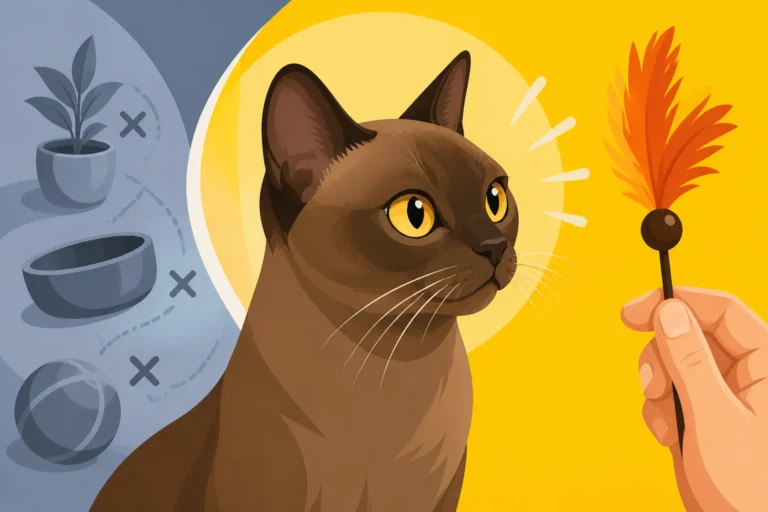
The best way to manage a Burmese's constant need for physical contact, including being picked up, is to proactively meet their underlying need for attention and interaction. A tired cat is often a less demanding cat. Engage them with interactive play sessions using wand toys or laser pointers. Twenty minutes of focused playtime can do wonders for their mental and physical well-being, satisfying their predatory instincts and burning off excess energy. Consider setting up puzzle feeders, easily found on Amazon, to stimulate their minds when you're not directly interacting.
Beyond play, simply being present and providing attention through petting, talking to them, or allowing them to sit on your lap while you work can make a big difference. Remember, for a Burmese, quality time often means proximity. The more you integrate them into your daily activities, even passively, the less intensely they might feel the need to constantly demand to be picked up. A content Burmese, whose need for companionship is regularly met, is less likely to become overly insistent. How Many Play Sessions a Burmese Asks For highlights their need for consistent engagement.
Setting Boundaries (If You Must!): Gentle Redirection
There might be times when you simply cannot pick your Burmese up, no matter how much you adore them. Perhaps you're cooking, carrying groceries, or dealing with a fragile item. In these situations, setting gentle boundaries is important, not to reject your cat, but to teach them when and how their requests can be fulfilled. Avoid scolding or pushing them away harshly, as this can be confusing and distressing for a breed that thrives on connection.
Instead, try gentle redirection. If they rub against your legs while you're busy, you might offer a quick, affectionate stroke or two, acknowledge them verbally, and then redirect their attention to a favorite toy or a comfortable spot nearby. For instance, you could say "Later, sweetie," and gently guide them to a nearby cat tree or a warm blanket. You could even offer a small, approved treat (within their daily calorie allowance, of course!). The goal is to acknowledge their request without always fulfilling it in the exact way they want, especially when it's inconvenient. Over time, they'll learn that while they can't always be picked up right now, their needs will still be met. It's a delicate balance, but one that leads to a more harmonious household for both you and your wonderfully affectionate Burmese.
| Reason Your Burmese Wants to Be Picked Up | Description | Owner's Response / Reinforcement |
|---|---|---|
| Innate Closeness | Deep-seated need for physical contact, mirroring a "Velcro cat" personality. | Consistent cuddles, lap time, allowing them to be near. |
| Security & Belonging | Feeling safe, protected, and an integral part of the family unit. | Affirmation of their place, providing a safe haven in your arms. |
| Elevated Vantage Point | Desire to observe surroundings from a higher, more commanding perspective. | Allowing shoulder perching, acknowledging their curiosity. |
| Seeking Warmth | Thin, single coat makes them prone to cold; your body offers warmth. | Providing warm spots, being a living heat source. |
| Communication | Using rubs, nudges, gazes, and distinctive rumbles to solicit attention. | Responding to cues, learning their vocalizations. |
| Positive Reinforcement | They've learned that asking leads directly to desirable outcomes (cuddles). | Consistently rewarding their bids for attention with physical contact. |
Disclaimer
This article is for general informational purposes only and does not constitute professional advice. Laws, prices and regulations vary by location and change over time. Consult a qualified professional for guidance on your specific situation.