Whether a Burmese Will Walk on a Leash
Many cat owners dream of taking their beloved feline companions on adventures, a leisurely stroll in the park, or even just a controlled sniff around the backyard. But then reality hits: most cats aren't exactly eager participants in such endeavors, often flopping dramatically or acting like they're being led to their doom. If you're a Burmese owner, you might be wondering if your incredibly people-oriented, dog-like cat is the exception to this rule. This guide will delve deep into the Burmese personality, examining both their unique traits that make leash walking seem plausible and the inherent feline instincts that make it a challenge, helping you decide if this adventure is right for your particular furry friend.
The Burmese Personality: Why Leash Walking Might Work
Burmese cats truly stand apart in the feline world. They are often described as having a "dog-like" personality, a phrase you hear thrown around a lot but that genuinely applies to this breed. This distinct nature might just give them an edge when it comes to activities like leash walking, which are usually reserved for canines. Their intense devotion to their humans and their eagerness to be involved in whatever you're doing can sometimes override typical cat behaviors.
Their Dog-Like Affection and Trainability
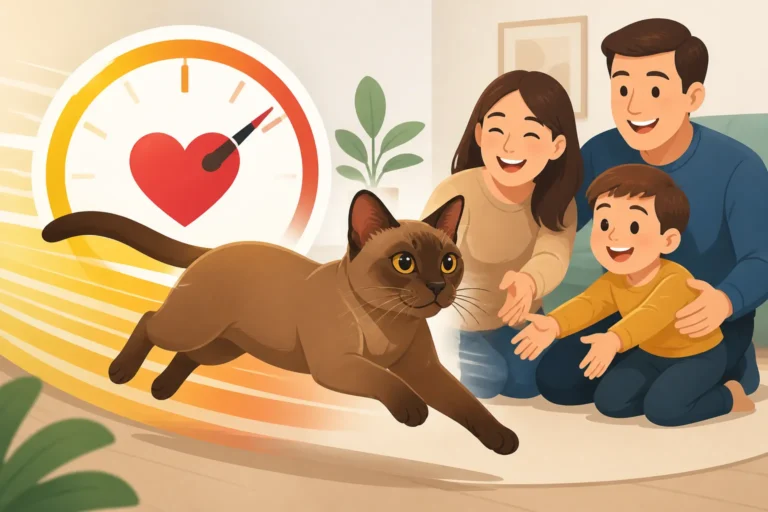
One of the most striking characteristics of the Burmese is their profound affection and unwavering loyalty to their people. They aren't just in the house; they are with you, following you from room to room, supervising your chores, and demanding to be included in every activity. This isn't a cat content to merely share a space; they want to share your life. This inherent desire for closeness is a huge advantage when it comes to training. Unlike many independent breeds that might view a harness and leash as an insult to their autonomy, a Burmese might see it as another opportunity to bond and spend time with their favorite human.
Their intelligence is also a significant factor. Burmese cats are incredibly smart and can learn complex tricks, often surprising owners with their capacity for understanding commands. They respond well to positive reinforcement, especially when treats are involved. If you've ever tried teaching your Burmese to fetch or come when called, you'll know exactly what I mean. This trainability, coupled with their desire to please you, means they are far more likely to tolerate, and even enjoy, a new routine like leash walking than a less biddable breed. It's not uncommon for them to enjoy interactive games, and they often pick up on routines quickly. This means that if you approach leash training with patience and positive reinforcement, your Burmese might just surprise you with their willingness to participate. You might find that your cat is exceptionally good at Teaching a Burmese to Come From Another Room with a little practice and the right motivation.
The Drive for Human Company Over Independent Exploration
Most cats are driven by a strong instinct to explore their territory, hunt, and assert their independence. While a Burmese certainly has a curious streak, their primary drive often appears to be human company. They are the ultimate "Velcro cats," preferring to be draped over your shoulder or nestled under the duvet rather than stalking imaginary prey alone in the garden. This doesn't mean they don't enjoy the outdoors, but for a Burmese, the outdoor experience is often better when it's shared with their person.
This fundamental difference in motivation is key. Where a typical cat might bolt at the first opportunity to chase a bird or mark a bush, a Burmese is more likely to stick close to you, constantly checking in and ensuring you're still part of the adventure. They thrive on interaction and attention, and a walk becomes another form of quality time with you. This can make them less prone to suddenly darting off, as their main focus remains on their human. It's truly why The Burmese Is the Velcro Cat of the Cat Fancy. They don't just tolerate your presence; they actively seek it out, which can be a real boon for leash training. They might even ride on your shoulder or happily sit in a stroller, as long as they're with you.
Understanding the Risks: Why Leash Walking Might Not Work for a Burmese
While the Burmese's endearing personality makes leash walking seem like a viable option, it's crucial to acknowledge the very real risks and challenges that come with taking any cat outdoors, especially one with the specific traits of a Burmese. Their trusting nature, which is so charming indoors, can become a significant liability in an uncontrolled outdoor environment. We must protect our precious companions, and being aware of the downsides is part of responsible ownership.
The Burmese Lack of Road Sense and Naivety
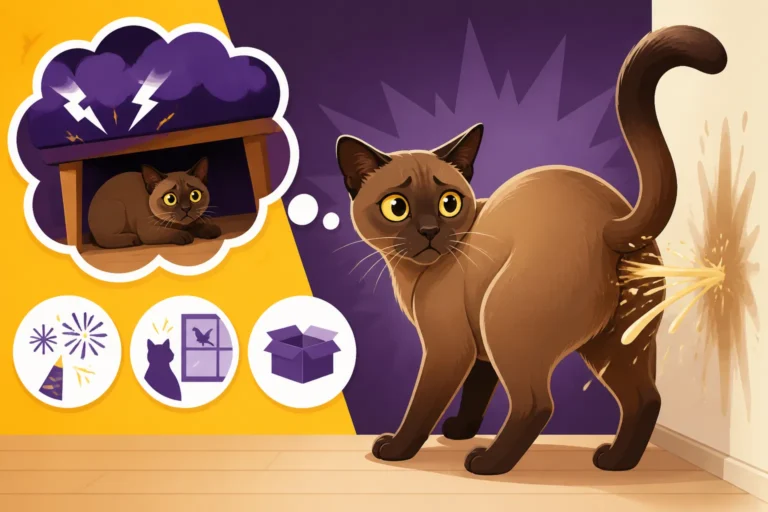
Cats, by and large, simply do not possess the inherent "road sense" that many dogs do. They haven't been selectively bred for thousands of years to understand vehicular traffic or to respond reliably to commands in high-stimulus environments. For a Burmese, this lack of caution is particularly pronounced. They are incredibly inquisitive and can be easily distracted by sounds, smells, or movement. A sudden loud noise, a passing car, or even an unfamiliar scent could cause them to panic and bolt.
The danger here is obvious: a panicked cat can easily slip a harness (even a well-fitted one) or get tangled in the leash, putting them at serious risk of injury or getting lost. Their intense focus on you might waver if something truly startling happens. This means that even if your Burmese is generally well-behaved on a leash, you must be hyper-vigilant about their surroundings. Busy streets, areas with fast-moving vehicles, or places with unpredictable sounds are simply too dangerous. It's not just cars, either; unfamiliar dogs, other cats, or even children could present unforeseen dangers. The sad truth is, Why a Burmese Has No Road Sense is a lesson many owners learn the hard way if they're not careful.
Their Overly Trusting Nature Around Strangers
One of the most delightful aspects of the Burmese personality is their outgoing, friendly, and incredibly trusting nature. They genuinely believe everyone is their friend. This is wonderful when you have guests over or visit the vet (vets often remark on how easy Burmese cats are to handle), but it's a huge disadvantage in an outdoor setting. A Burmese is far more likely to approach a stranger, jump into an open car door, or wander off with someone who gives them attention than to hide or flee.
This trusting disposition means they are incredibly vulnerable to theft or accidental loss. If they slip their harness and encounter a friendly person, they won't run away; they'll likely greet them, making it easy for someone with ill intentions to pick them up and walk away. Even if the person has good intentions, they might not realize the cat is lost or simply assume it's a friendly stray. This lack of inherent wariness that other cat breeds possess is a serious concern. While we adore their affectionate character, it requires us, as owners, to be their protective guardians in the unpredictable outside world. It's crucial to remember Why a Burmese Trusts Strangers Too Much to Roam. They simply lack the street smarts to discern good from bad intentions, making them easy targets.
Preparing for Leash Training: What You Need
If you've weighed the pros and cons and decided that leash training is something you'd like to try with your Burmese, preparation is paramount. You can't just slap a leash on them and expect a pleasant stroll. It requires the right equipment, a safe environment, and a deep understanding of your cat's comfort levels. This isn't just about control; it's about comfort, security, and building positive associations.
Choosing the Right Harness and Leash
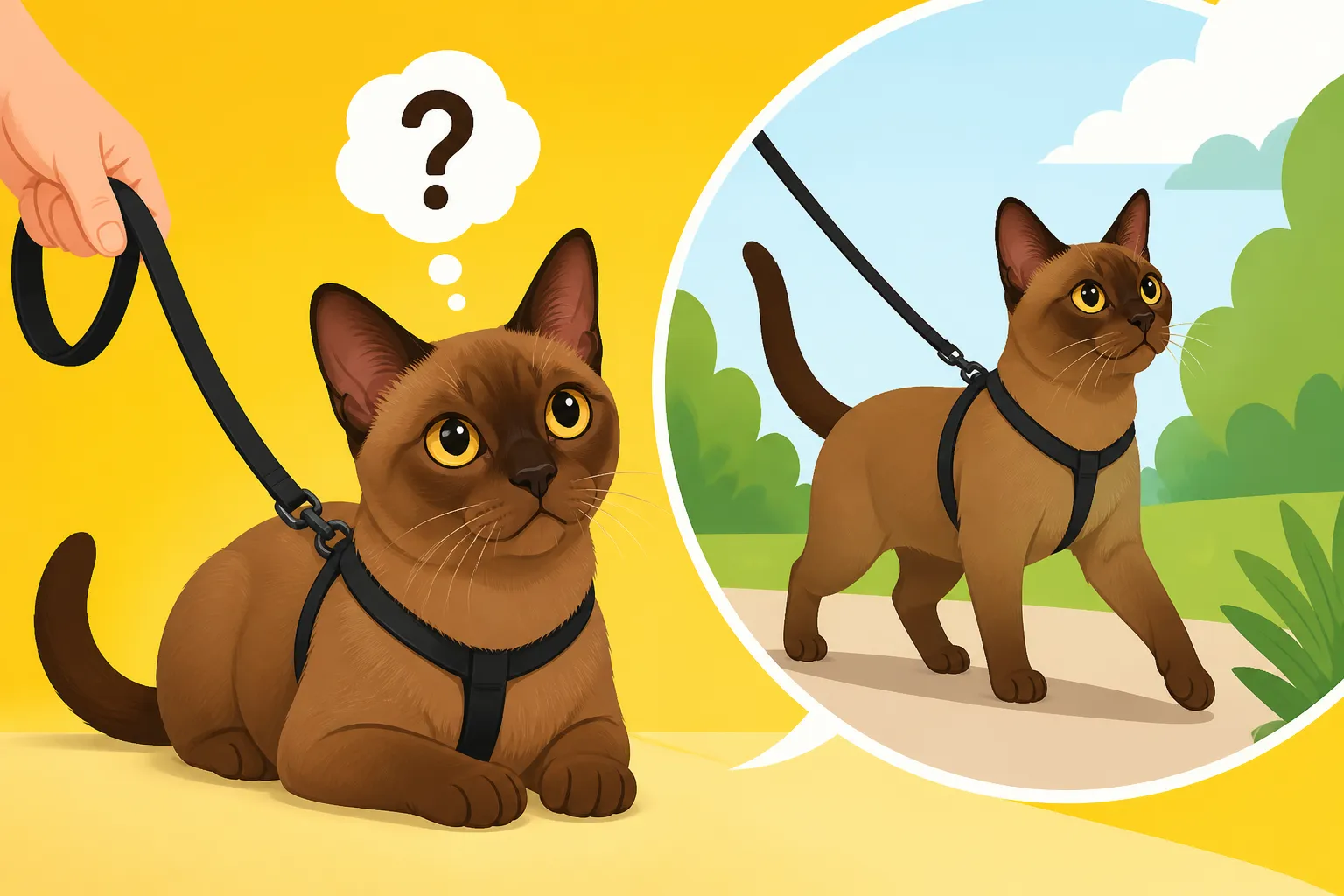
The most critical piece of equipment is the harness. Forget a collar; cats can easily slip out of them, and they put dangerous pressure on their delicate necks. For a Burmese, you need a harness that is secure, comfortable, and escape-proof. There are generally two main types to consider: H-style and Vest-style.
- H-style harnesses: These consist of straps that go around the neck and behind the front legs, connected by a strap along the back. They are often lighter and less bulky. However, some cats, especially those with very flexible bodies, can learn to wriggle out of them if they aren't perfectly fitted. They might be a good starting point for very small kittens, but for an adult Burmese with its muscular build, they can be less secure.
- Vest-style harnesses: These are often the superior choice for cats, particularly for a robust breed like the Burmese. They cover a larger area of the cat's chest and back, distributing pressure more evenly and making it much harder to escape. Look for one that is made of soft, breathable material to prevent chafing and overheating. Ensure it has multiple adjustable straps to get a snug, but not tight, fit. You want it to be tight enough that you can only fit one or two fingers comfortably under the straps, but not so tight that it restricts movement or breathing.
When considering a vest-style harness, think about the unique physique of a Burmese. They have a surprisingly heavy, muscular body often described as a "brick wrapped in silk," with a broad chest. This means a flimsy harness won't cut it. You need something sturdy that accommodates their build without being restrictive. Brands widely available on platforms like Amazon offer a good range of options, from simple mesh vests to more elaborate padded designs. Remember, comfort is key – if the harness is uncomfortable, your Burmese will fight it every step of the way. Which Harness Fits a Burmese's Heavy Chest is a question worth exploring in detail to ensure maximum security and comfort.
For the leash, a lightweight, non-retractable leash of about 4-6 feet is ideal. Retractable leashes can be dangerous as they don't offer consistent control and can snap back, startling your cat or causing injury. Opt for a simple nylon or rope leash that's easy to hold and won't add unnecessary weight.
Creating a Safe Outdoor Environment
Before you even think about stepping outside, you need to ensure the immediate outdoor environment is as safe and controlled as possible. This isn't about letting your cat roam free; it's about supervised outings in a protected space.
- Start small: Your own secured backyard or a quiet, enclosed patio is the best place to begin. The goal is to introduce your Burmese to new sights, sounds, and smells gradually, without overwhelming them. Avoid busy sidewalks, dog parks, or areas with lots of unpredictable foot traffic.
- Check for escape routes: Just like with children, if you're going to use your backyard, scan for any gaps in fences, open gates, or low branches they could climb to get over a barrier. Burmese cats are agile and surprisingly good climbers when motivated. Even on a leash, an escape attempt is always a possibility if they are startled or determined.
- Beware of hazards: Look for poisonous plants, dangerous chemicals (like fertilizers or pesticides), aggressive neighborhood animals, or anything else that could pose a threat. Remember, your Burmese is naturally curious and will want to investigate everything.
- Consider a catio: If leash walking proves too stressful for your cat or you're simply uncomfortable with the risks, a catio (a secure outdoor enclosure) is an excellent alternative. It allows your Burmese to experience the fresh air and sensory stimulation of the outdoors in a completely safe, contained environment. Many owners find this provides all the outdoor enrichment their Burmese needs without the anxieties of open-air excursions. Whether a Catio Is Enough Company for a Burmese is a common question, and for many, it absolutely is.
The Training Process: Step-by-Step for a Burmese
Leash training a cat, especially a Burmese, is a process built on patience, positive reinforcement, and tiny, incremental steps. You cannot rush it. Think of it as a series of gentle introductions rather than a rigorous boot camp. The goal is for your cat to associate the harness and leash with positive experiences, primarily quality time with you and perhaps a few tasty treats.
Acclimating Your Burmese to the Harness
This is perhaps the most crucial stage. Your Burmese needs to become completely comfortable wearing the harness indoors before you even consider adding the leash or going outside.
- Introduce the harness slowly: First, simply place the harness near your cat's food bowl or favorite sleeping spot. Let them sniff it, get used to its presence, and associate it with good things. You can even place treats on it. Do this for a few days.
- Short wearing sessions: Next, gently put the harness on your Burmese for very short periods, perhaps just a minute or two. Immediately distract them with treats, praise, or a favorite toy. This makes it a positive experience. Don't leave them unsupervised while they're wearing it at this stage. If they show discomfort or try to chew it, take it off calmly and try again later.
- Increase duration gradually: Over several days or even weeks, slowly increase the amount of time your Burmese wears the harness. Always follow these sessions with positive reinforcement – play, treats, or cuddles. Let them walk around the house wearing it, so they get used to the feel. Watch for signs of stress, such as freezing, excessive grooming, or trying to hide. If you see these, shorten the sessions.
- Make it part of a routine: Once they're comfortable, try putting the harness on before feeding them their favorite meal or before a scheduled play session. This helps them associate the harness with pleasant events. Consistency is key here. Think of it as getting them used to How to Get a Burmese Used to a Glucose Check, where routine and positive associations make all the difference.
Introducing the Leash and Indoor Walks
Once your Burmese is completely unbothered by the harness, it's time to add the leash, still all within the safety of your home.
- Attach the leash, let them drag it: Attach the lightweight leash to the harness. Let your Burmese walk around the house with the leash dragging behind them. This helps them get used to the feeling of something trailing. Supervise them closely to ensure they don't get tangled or snagged on furniture. Again, offer treats and praise for calm behavior.
- Gentle guidance: After they're comfortable dragging the leash, pick it up and simply follow them around the house. Don't pull or try to lead them initially. Let them dictate the pace and direction. Offer gentle guidance if they head somewhere unsafe, using soft verbal cues and very light pressure on the leash.
- Encourage forward movement: Use treats or a favorite wand toy to encourage them to walk a few steps in the direction you want. Praise and reward every single step in the right direction. Keep these sessions short and positive. The goal is to make it feel like a game, not a chore. You're leveraging their natural tendency to follow you, so you might already be halfway there if you've done Leash Training a Burmese That Follows You Anyway.
Taking the First Outdoor Steps
This is the moment many owners anticipate with a mix of excitement and trepidation. Remember, this must be in a completely secure, calm, and familiar outdoor space, like your backyard.
- Short and sweet: For the very first outdoor excursions, aim for just a few minutes. Literally open the door, let them step out, allow them to sniff around, and then bring them back inside. The goal is to make it a positive, low-stress experience.
- Follow their lead: Initially, let your Burmese explore at their own pace. They'll want to sniff everything, roll in the grass, and take in all the new sensory information. Resist the urge to pull them or rush them. This isn't about getting from point A to point B; it's about safe, supervised enrichment.
- Stay close: Keep the leash short enough that you can easily intervene if they get into trouble or try to dart off. Your physical presence and reassurance are vital. If they seem scared, pick them up, offer comfort, and consider going back inside.
- Increase exposure gradually: Over time, if your Burmese is enjoying their outdoor adventures, you can gradually increase the duration and perhaps introduce them to slightly different, but still safe, areas. Always be mindful of their comfort level and prioritize their safety above all else. Remember, a Burmese's confidence and enjoyment come from being with you, so make it a shared experience.
Alternatives to Leash Walking for Outdoor Enrichment
While leash walking can be a rewarding experience for some Burmese cats and their owners, it's certainly not for everyone. Many cats simply don't take to it, or the risks involved outweigh the benefits for their owners. The good news is that there are many other excellent ways to provide your inquisitive and social Burmese with the enrichment they crave, both indoors and with controlled outdoor access, without the need for a leash and harness.
Secure Catios and Enclosures
One of the best alternatives to leash walking, particularly for a breed like the Burmese who thrives on sensory input and social interaction, is a catio or a secure outdoor enclosure. These structures provide all the sights, sounds, and smells of the outdoors without any of the risks associated with an unsecured environment.
- Safety first: A catio is a fully enclosed space, often attached to a window or door, allowing your cat safe access to fresh air and sunshine. It prevents them from encountering dangers like cars, aggressive animals, or unknown people. For a trusting Burmese, this complete security is invaluable. There are many designs available, from small window boxes to elaborate multi-level structures, readily available from various retailers, including on Amazon, that can be a great way to give your cat a safe outdoor experience.
- Sensory stimulation: Within a catio, you can add perches, scratching posts, toys, and even cat-safe plants to create a stimulating environment. Your Burmese can watch birds, feel the breeze, and soak up the sun, all while being completely protected. This kind of enrichment helps prevent boredom and keeps their minds active, which is especially important for intelligent breeds.
- Social connection: If your catio is accessible from inside your home, your Burmese can still feel connected to you while enjoying their outdoor time. They can choose to come and go as they please, balancing their desire for fresh air with their need for human company. This balance is critical for a breed known for its intense attachment. It truly addresses their need for both engagement and safety, without the high stakes of open-air roaming.
Harnessing Indoor Stimulation and Play
Never underestimate the power of a well-enriched indoor environment for a Burmese. Their intelligence and playful nature mean they can derive immense satisfaction from interactive play and mental challenges within the home.
- Interactive play sessions: Burmese cats remain kittenish well into old age, often playing enthusiastically even as seniors. Dedicate at least two vigorous play sessions a day using wand toys, laser pointers (used responsibly), or anything that simulates hunting behavior. These sessions burn energy, provide mental stimulation, and reinforce your bond. Consider Which Wand Toys Hold a Burmese's Attention as a guide for keeping playtime exciting and engaging.
- Puzzle feeders: These are fantastic for mental enrichment and also help slow down a greedy eater, which can be beneficial for a breed prone to weight gain and diabetes. Hiding treats or portions of their meal in puzzle feeders challenges their minds and makes mealtime more engaging.
- Vertical space and climbing opportunities: Burmese cats love to climb and observe their kingdom from above. Provide cat trees, shelves, or even clear pathways on your existing furniture for them to explore vertical spaces. This adds dimension to their environment and caters to their natural agility.
- Company: Perhaps the most crucial "enrichment" for a Burmese is company. As intensely social creatures, they genuinely suffer if left alone for long periods. If you work long hours or have a very busy lifestyle, consider getting a second Burmese, or another cat with a similarly affectionate personality. Two Burmese cats will keep each other entertained, reducing the likelihood of boredom, anxiety, and destructive behaviors. Why a Burmese Cannot Be Left Alone All Day is a fundamental truth of owning this breed, and companionship is often the best solution.
Ultimately, whether your Burmese takes to leash walking or not, the most important thing is to provide them with a stimulating, safe, and loving environment that caters to their unique needs. Whether that means outdoor excursions on a leash, a luxurious catio, or simply a well-equipped and attentive indoor life, your Burmese will thrive on your care and companionship.
Disclaimer
This article is for general informational purposes only and does not constitute professional advice. Laws, prices and regulations vary by location and change over time. Consult a qualified professional for guidance on your specific situation.